The Washing Machine Water Temperature Control: Thermostat vs. Mixing Valve
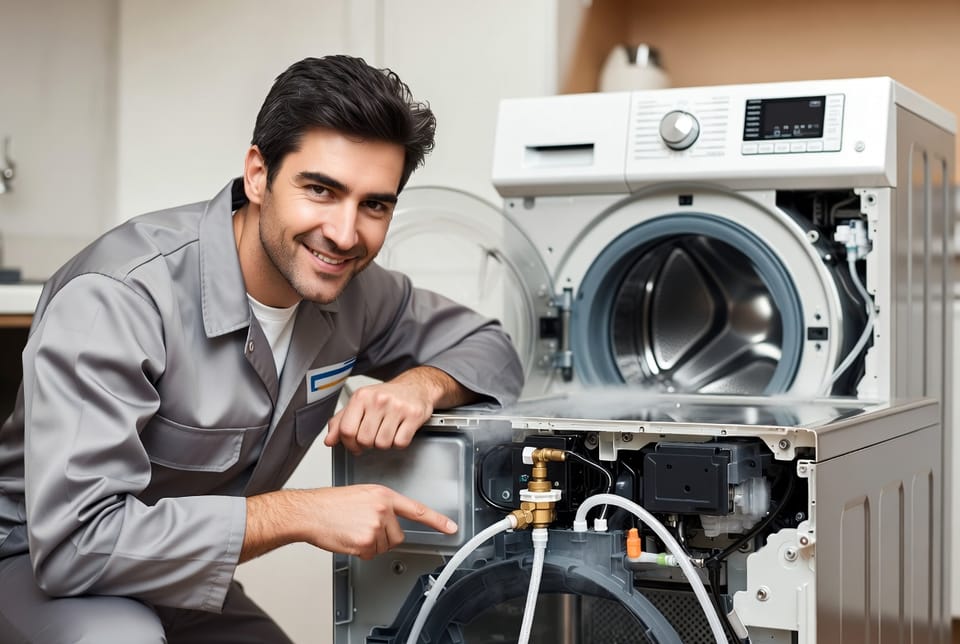
Selecting the right water temperature for your laundry loads can make the difference between sparkling clean clothes and disappointing results—or even damaged fabrics. Modern washing machines rely on precise temperature control systems to deliver consistent performance. Understanding whether your machine uses a thermostat or a mixing valve helps you diagnose issues quickly and maintain efficiency.
Get Reliable Thermostat & Mixing Valve Repair – Call Today!
In this comprehensive guide, we’ll explore exactly how washing machines control water temperature, compare the two primary technologies, highlight common failure signs, and provide practical troubleshooting steps. Whether you’re dealing with lukewarm washes or scalding hot surprises, proper knowledge empowers you to restore optimal performance.
How Washing Machines Control Water Temperature
Washing machines achieve precise water temperatures through engineered components that either heat water directly or blend incoming supplies.
Temperature control ensures effective cleaning while protecting fabrics. Cold water saves energy for lightly soiled items, while warm or hot cycles tackle grease, oils, and stubborn stains.
The system monitors and adjusts incoming water to match your selected cycle. Two dominant technologies handle this critical task: traditional thermostats and modern mixing valves.
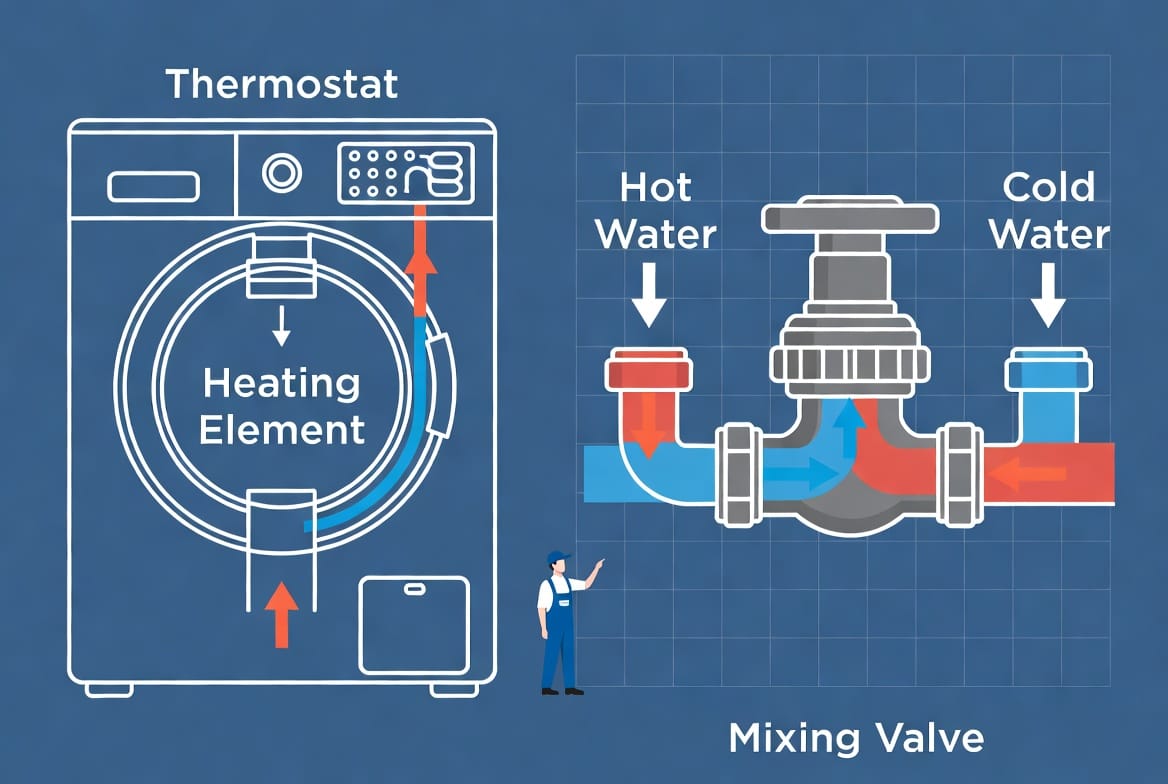
Thermostats in Older Washing Machines
Thermostats represent the classic approach found in many older top-load and front-load models.
These devices work by directly heating water to the desired temperature using built-in heating elements. Here’s how they function:
- The thermostat senses current water temperature inside the tub.
- When cold water enters, the heating element activates until the set temperature is reached.
- Once achieved, the thermostat cycles the heater off to maintain stability.
Advantages of thermostats:
- Simple and reliable in basic designs
- Effective for consistent hot washes
- Easier to diagnose in mechanical models
Limitations:
- Slower to reach target temperatures
- Higher energy consumption due to active heating
- More prone to mineral buildup affecting accuracy
Older machines with thermostats often require more patience during hot cycles but deliver powerful cleaning when working correctly.
Mixing Valves: The Modern Standard
Mixing valves (also called water inlet valves with temperature control) represent today’s efficient solution in most contemporary washing machines.
Instead of heating water internally, these valves precisely blend hot and cold water from your home’s supply lines to achieve the exact temperature requested.
How Mixing Valves Work
- Electronic sensors detect the target temperature for the selected cycle.
- Solenoid-operated valves independently control hot and cold inflows.
- Proportional blending creates the perfect mixture in real-time.
- Feedback loop continuously adjusts flow for stable output.
Key benefits of mixing valves:
- Faster cycle times
- Superior energy efficiency
- More precise temperature control
- Better suited for delicate fabric settings
These systems excel at delivering consistent lukewarm or warm washes without wasting energy on unnecessary heating.
Signs Your Temperature Control System Is Failing
Recognizing problems early prevents bigger repairs and protects your laundry investment. Watch for these common failure symptoms:
- Water too hot: Clothes coming out overly hot or shrinking
- Only cold water: No warm or hot option regardless of setting
- Temperature fluctuating: Cycles starting hot then turning cold unexpectedly
- Long fill times: Machine struggling to reach set temperature
- Error codes: Modern machines displaying temperature-related faults
- Inconsistent cleaning: Poor results varying between identical loads
Bold warning: Ignoring these signs can lead to inefficient operation, higher utility bills, and potential damage to both machine and clothing.
Troubleshooting Thermostat Problems
For machines with traditional thermostats, follow these steps:
- Verify power supply to heating elements
- Check wiring connections for corrosion or looseness
- Test continuity with a multimeter on the thermostat
- Inspect for scale buildup around heating components
- Reset the machine by unplugging for 5-10 minutes
Pro tip: Always unplug the machine before attempting any internal inspection for safety.
Troubleshooting Mixing Valve Issues
Mixing valve problems require slightly different approaches:
- Confirm adequate hot water supply from your home heater
- Clean inlet screens for debris or sediment
- Test individual solenoid operation
- Check the water temperature sensor for accuracy
- Inspect control board connections
Many mixing valve failures stem from mineral deposits or electrical issues rather than complete component breakdown.
When to Replace Components
Thermostats are generally more affordable to replace but may indicate broader heating element wear.
Mixing valves cost more upfront but offer better long-term reliability in modern machines.
Consider professional diagnosis if:
- You’re uncomfortable with electrical testing
- Multiple symptoms appear simultaneously
- The machine is under 5 years old (warranty implications)
- Error codes persist after basic resets
The Impact of Incorrect Water Temperature on Laundry
Using the wrong temperature affects more than just cleanliness:
- Too hot: Fabric shrinkage, color fading, increased energy costs
- Too cold: Ineffective stain removal, lingering odors
- Fluctuating: Uneven cleaning results and potential machine strain
Consistent temperature control extends appliance lifespan while delivering superior laundry outcomes.
Professional Repair vs. DIY
While basic troubleshooting saves time and money, complex temperature control repairs benefit from expert attention. Certified technicians bring specialized tools, genuine parts, and years of experience diagnosing both thermostat and mixing valve systems.
Safety note: Working with electrical components and water connections carries risks. Professional service ensures proper repair without voiding warranties.
Maintaining Your Temperature Control System
Preventive care keeps both thermostats and mixing valves performing optimally:
- Run monthly hot vinegar cleaning cycles
- Avoid overloading the machine
- Use appropriate detergent amounts
- Schedule annual professional inspections
- Address minor leaks promptly
These simple habits dramatically reduce the likelihood of sudden temperature failures.
Choosing the Right Wash Temperature Every Time
Mastering your machine’s temperature capabilities improves every load:
- Cold: Energy savings and delicates
- Warm: Everyday mixed loads
- Hot: Towels, bedding, and heavy soils
Understanding your specific model’s technology—whether thermostat or mixing valve—helps you maximize performance.
Final Advice: Get the Right Wash Temperature
Don’t let faulty temperature controls compromise your laundry routine or damage your appliance. Whether your washing machine uses an older thermostat system or a modern mixing valve, professional diagnosis ensures reliable, efficient operation for years to come.
We specialize in all major brands and models, providing fast solutions for temperature control issues, valve replacements, thermostat repairs, and complete system diagnostics.
Restore perfect water temperatures and enjoy consistently clean laundry with confidence. Our certified technicians are ready to help—contact us now for same-day service in many areas.
Restore Perfect Wash Temperatures – Call Now for Expert Help