The Washing Machine Drain Hose Hook: Preventing Water Backflow
In the world of home appliance maintenance, some components play a quiet but critical role in keeping your laundry routine smooth and your home protected from water damage. One such unsung hero is the washing machine drain hose hook. This simple yet essential part ensures proper drainage while preventing dangerous water backflow that can lead to floods, mold growth, and expensive repairs.
Prevent Washing Machine Floods – Call for Expert Help Today!
Whether you're a new homeowner or a seasoned DIY enthusiast, understanding and properly installing this component can save you significant headaches and costs. In this comprehensive guide, we'll explore everything you need to know about the drain hose hook, from its function to installation best practices and warning signs of failure.
Why This Matters for Your Home
A properly installed drain hose hook maintains the integrity of your washing machine's drainage system. Without it, you risk water siphoning back into the machine or overflowing from the standpipe, creating messy and potentially hazardous situations.
What Exactly Is a Washing Machine Drain Hose Hook?
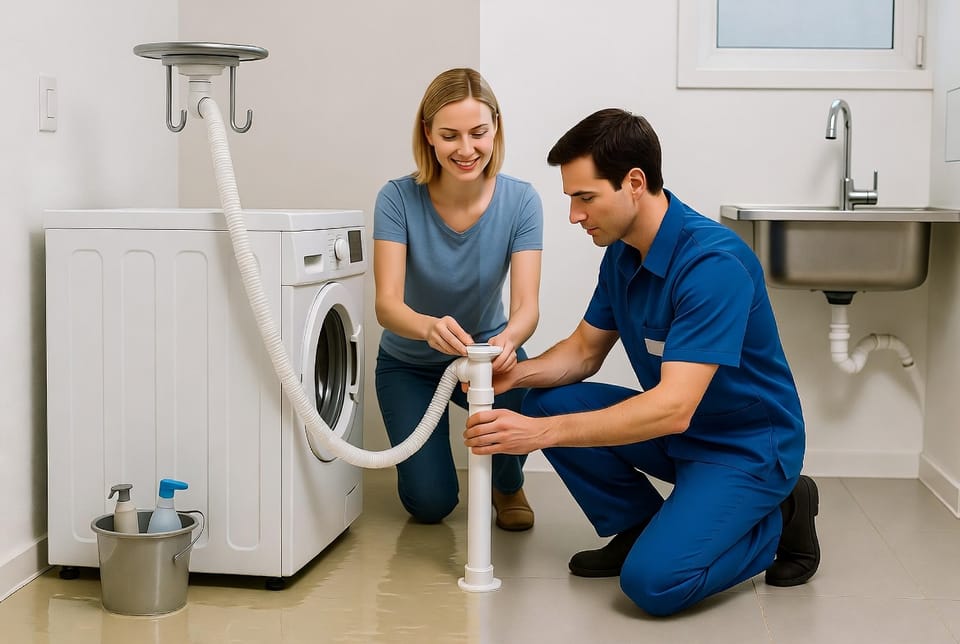
The drain hose hook is a specialized plastic or metal bracket designed to securely hold the washing machine's drain hose in place. It typically attaches to the top of a standpipe (the vertical pipe that carries wastewater away) or the edge of a utility sink.
Key Functions:
- Elevates the hose to the correct height to break any potential siphon effect.
- Prevents the hose from slipping out during the high-speed spin cycle.
- Blocks backflow by maintaining proper positioning and air gap.
This small device acts as a reliable safeguard, ensuring wastewater flows in one direction only — out of your machine and into the plumbing system.
Pro Tip: Always choose a hook that matches your standpipe diameter for a snug, secure fit.
Common Problems When the Drain Hose Hook Fails
Ignoring or improperly using a drain hose hook can lead to frustrating and costly issues. Here are the most frequent signs of failure to watch for:
- Water backing up into the washing machine during or after cycles.
- Hose slipping out of the standpipe during the spin cycle, causing spills.
- Slow draining or gurgling sounds from the standpipe.
- Visible leaks around the standpipe connection.
- Unpleasant odors rising from the drain due to improper sealing and backflow.
These problems not only disrupt your laundry schedule but can also cause water damage to floors, walls, and subfloors. Early detection is key to preventing escalation.
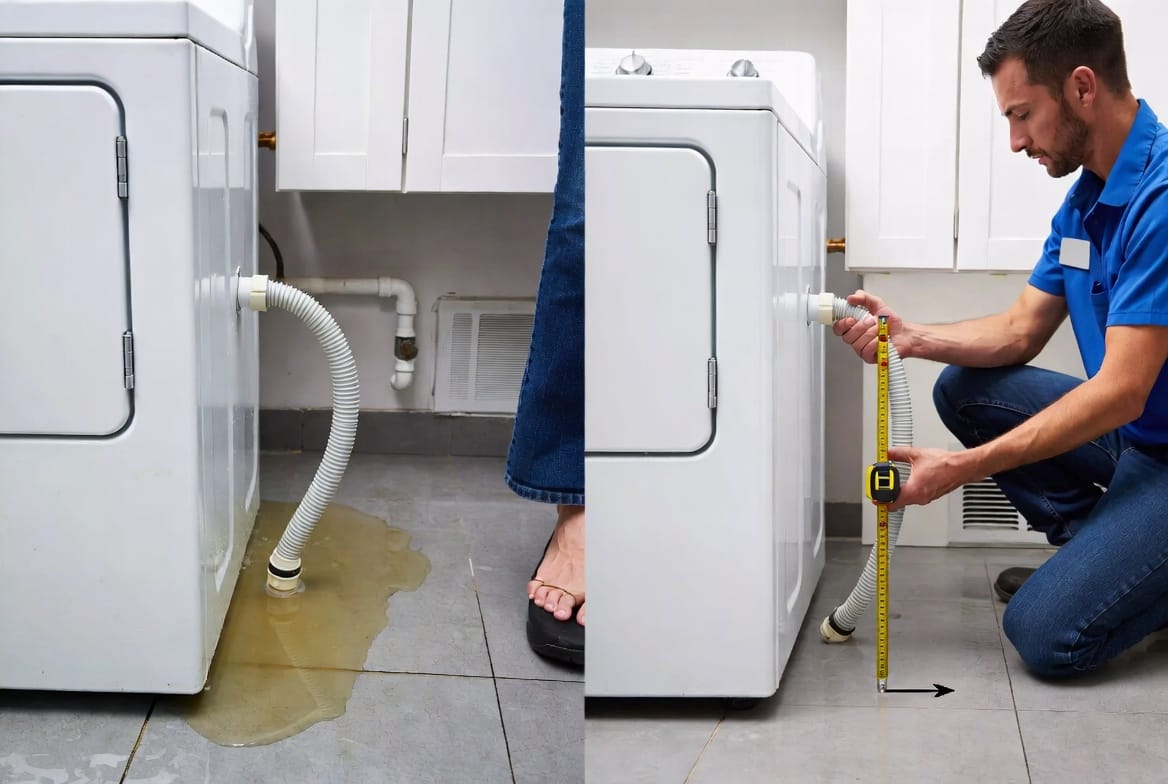
Proper Installation: Step-by-Step Guide
Installing or adjusting a washing machine drain hose hook is straightforward when done correctly. Follow these authoritative steps for optimal results:
- Prepare the Area — Turn off the washing machine and unplug it. Clear space around the standpipe.
- Position the Hook — Place the hook securely over the rim of the standpipe or sink edge. Ensure it grips firmly without wobbling.
- Insert the Hose — Feed the drain hose into the standpipe 6-8 inches deep. This depth is crucial for creating an effective air gap that prevents backflow.
- Secure Everything — Use the hook to hold the hose at the proper height (usually 30-36 inches from the floor). Avoid kinks or sharp bends in the hose.
- Test the Setup — Run a short rinse cycle and observe for smooth drainage without leaks or backups.
Bold Reminder: The hose must remain elevated and secured at all times. A loose connection is one of the leading causes of laundry room flooding.
Why the 6-8 Inch Insertion Depth Matters
This specific measurement isn't arbitrary. It creates the necessary air gap required by most plumbing codes. Too shallow, and backflow becomes likely. Too deep, and you risk clogging or siphoning issues. The drain hose hook helps maintain this precise positioning reliably.
Benefits of a Well-Maintained Drain Hose Hook
Investing a few minutes in proper setup delivers long-term peace of mind:
- Flood Prevention: Dramatically reduces the risk of water damage.
- Extended Appliance Life: Protects your washing machine from internal water issues.
- Energy and Water Efficiency: Ensures optimal drainage, preventing unnecessary strain on the pump.
- Compliance: Meets standard building and plumbing code requirements.
- Cost Savings: Avoids expensive emergency repairs and water cleanup bills.
Homeowners who maintain their drain systems report fewer service calls and greater confidence in their laundry appliances.
Maintenance Tips for Long-Term Reliability
Keep your washing machine drain hose hook performing at its best with these simple habits:
- Monthly Inspections: Check the hook and hose connection for security and wear.
- Clean the Standpipe: Remove any lint or debris buildup that could affect flow.
- Replace When Needed: If the hook becomes brittle or damaged, install a new one immediately.
- Professional Assessment: For complex setups or older homes, schedule a quick inspection from a trusted technician.
Consistent attention to these details ensures your system stays reliable for years.
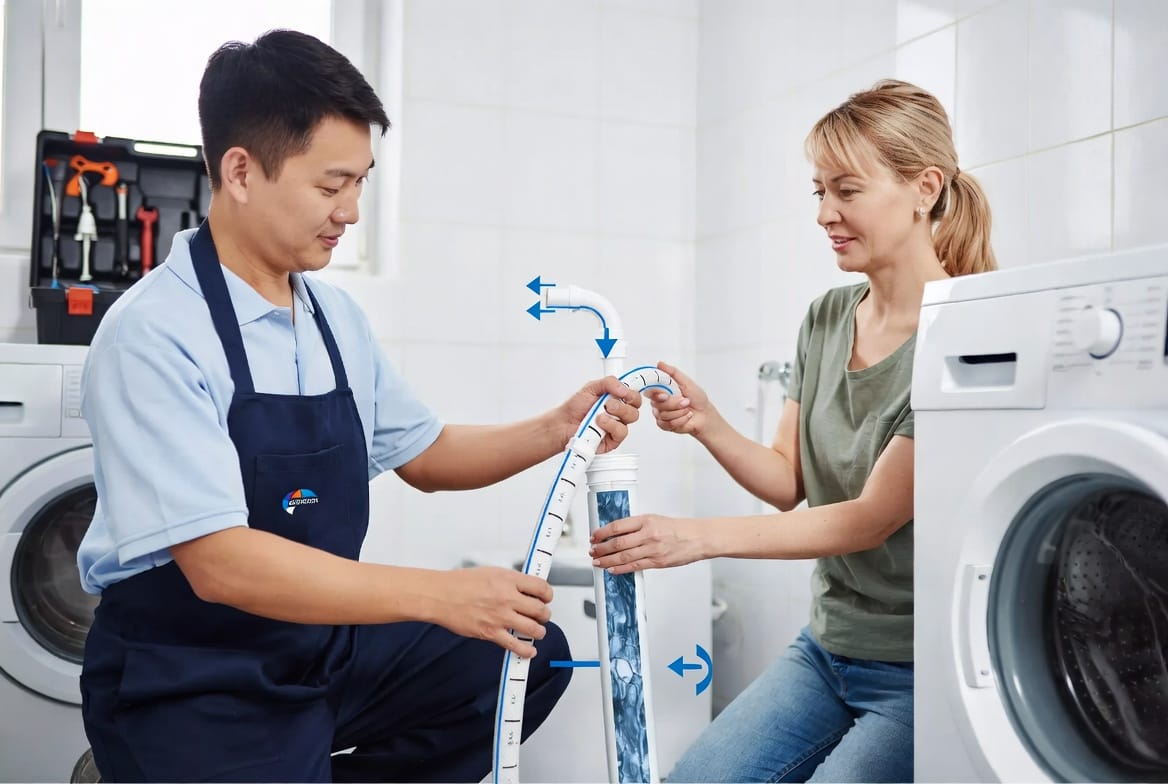
Troubleshooting Common Drain Hose Issues
Even with proper installation, occasional issues may arise. Here’s how to address them confidently:
- Hose Keeps Falling Out: Upgrade to a heavier-duty hook or add a clamp for extra security.
- Persistent Backflow: Verify the standpipe height and hose depth. Clear any blockages in the plumbing line.
- Noisy Operation: Gurgling often signals improper air gap — re-adjust the hook position.
If problems persist despite your efforts, it may indicate deeper plumbing concerns best handled by professionals.
When to Call the Experts
While many drain hose hook installations are DIY-friendly, certain situations call for professional expertise:
- Older homes with non-standard plumbing.
- Repeated backflow despite correct hook positioning.
- Visible damage to hoses, pumps, or pipes.
- Uncertainty about local code requirements.
Don’t wait for a flood to take action. A quick service call can prevent thousands in potential damage.
Secure Your Drain Hose Today for Lasting Protection
The washing machine drain hose hook may seem like a minor component, but its role in preventing water backflow is substantial. By understanding its function, recognizing warning signs, and ensuring proper installation, you protect your home, appliances, and peace of mind.
Remember: A secure hook, correct 6-8 inch insertion depth, and regular checks form the foundation of a reliable laundry drainage system.
Final Advice: Take a moment today to inspect your drain hose setup. Secure your drain hose to prevent floods and enjoy worry-free laundry days. For professional installation, repair, or maintenance of your washing machine drainage system.
We’re here to help keep your appliances running smoothly and your home safe.
Protect Your Laundry Room from Flooding – Call Today!