The Washing Machine Agitator: Not Spinning, Making Noise, or Wobbly
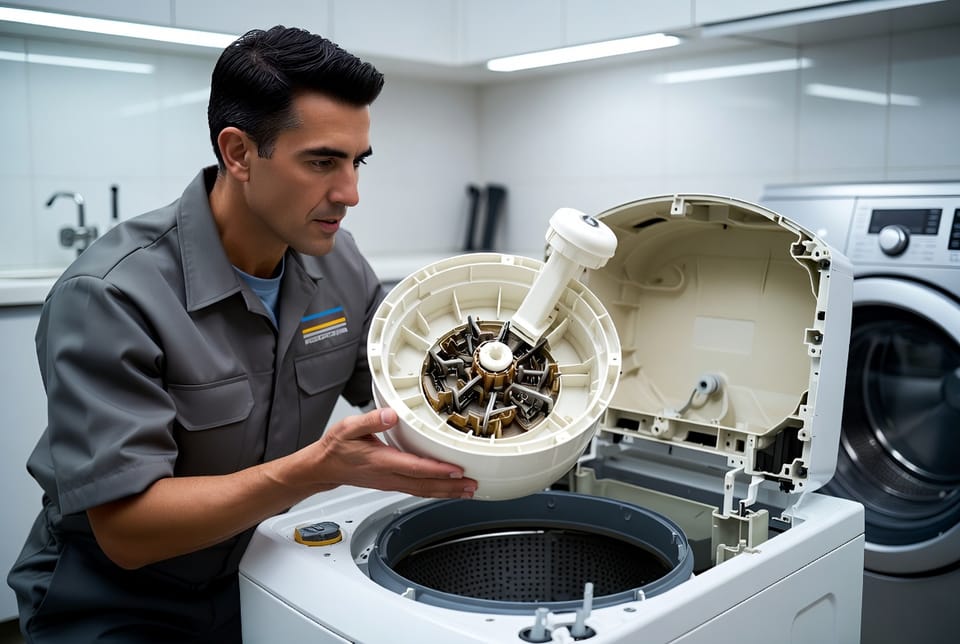
Top-loading washing machines remain a household staple for their simplicity and efficiency. At the heart of their cleaning power sits the agitator — the central post that moves clothes through water to remove dirt and stains. When your washing machine agitator is not spinning, makes unusual noise, or feels wobbly, it disrupts your entire laundry routine.
Stop the Noise & Wobble – Expert Agitator Repair Now
This comprehensive guide explains everything you need to know about agitator problems in top-load washers, from how they work to reliable solutions. Whether you're noticing poor cleaning results or concerning sounds during the wash cycle, understanding these issues empowers you to take the right steps.
Don't worry — most agitator failures are straightforward to diagnose and fix, restoring your machine to peak performance and protecting your clothing investment.
How a Washing Machine Agitator Works in Top-Loaders
The agitator is a vertical spindle in the center of the wash tub. It features fins or vanes that push clothes back and forth through the soapy water. This mechanical action creates the necessary friction and water flow to loosen soil from fabrics.
Key components include:
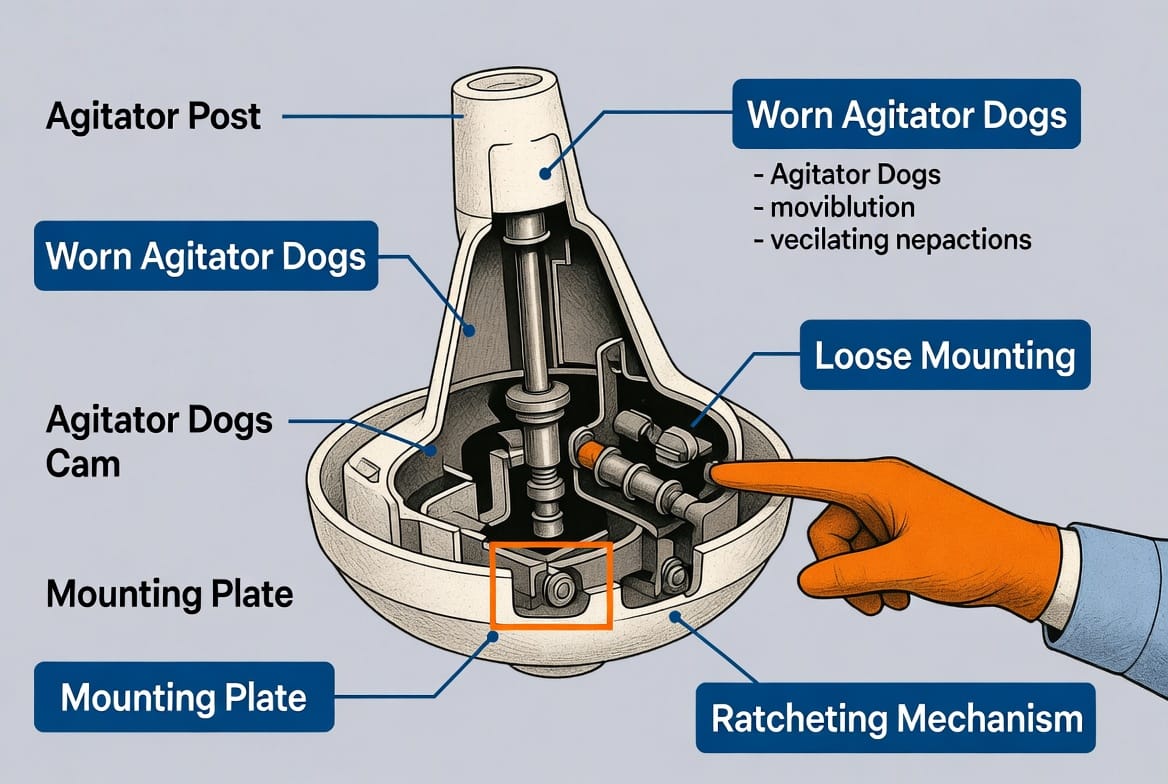
- Agitator dogs (also called ratcheting teeth or cams) — small plastic or metal parts that allow one-way spinning during the wash cycle while locking during spin.
- Drive shaft connection — links the agitator to the motor transmission.
- Upper and lower sections — many models have a two-piece design for better movement.
When functioning correctly, the agitator moves clothes in a consistent, vigorous pattern. Bold performance depends on these precise mechanical interactions. A failing agitator breaks this cycle, leaving clothes less clean and your machine working harder than necessary.
Pro Tip: Regular maintenance like avoiding overloads and using the right detergent helps extend agitator life significantly.
Common Signs Your Washing Machine Agitator Is Failing
Recognizing problems early prevents bigger repairs. Here are the top symptoms of a faulty agitator:
- Clothes not getting clean — Even after a full cycle, laundry emerges with lingering dirt or odors because agitation is insufficient.
- Agitator spins freely in both directions — A healthy agitator should resist manual turning in one direction due to the dogs.
- Loud ratcheting, clicking, or grinding noises — These sounds often occur during the wash phase as worn parts slip.
- Wobbly or loose agitator — Visible movement or shaking when touched indicates loose mounting or broken internal components.
- Unbalanced loads or excessive vibration — The machine struggles to maintain rhythm without proper agitation.
If your top-loader shows any of these signs, address it promptly. Ignoring them can lead to motor strain, transmission damage, or complete washer failure.
Why Agitator Problems Happen in Top-Load Washing Machines
Several factors contribute to agitator failure:
- Worn agitator dogs — These small parts bear the most stress and eventually strip or crack after years of use.
- Overloading the machine — Forcing too many clothes strains the agitator and transmission.
- Age and normal wear — Most washers show agitator issues after 5–10 years of regular use.
- Improper installation or previous repairs — Loose fittings accelerate damage.
- Hard water buildup or debris — Mineral deposits can seize components over time.
Understanding these root causes helps homeowners prevent recurrence through better laundry habits.
Step-by-Step Diagnosis: Is Your Agitator the Problem?
Follow these safe checks before calling for service:
- Unplug the washer for safety.
- Remove the agitator cap (usually pries off or unscrews).
- Try turning the agitator manually — It should rotate easily one way but lock the other way.
- Inspect for wobble — Push gently side-to-side to check mounting security.
- Listen during a test cycle — Note any unusual clicking or grinding.
If the agitator spins freely both ways or feels loose, the dogs likely need replacement. Many models allow simple dog replacement without buying a full new agitator.
Professional Repair Solutions for Agitator Issues
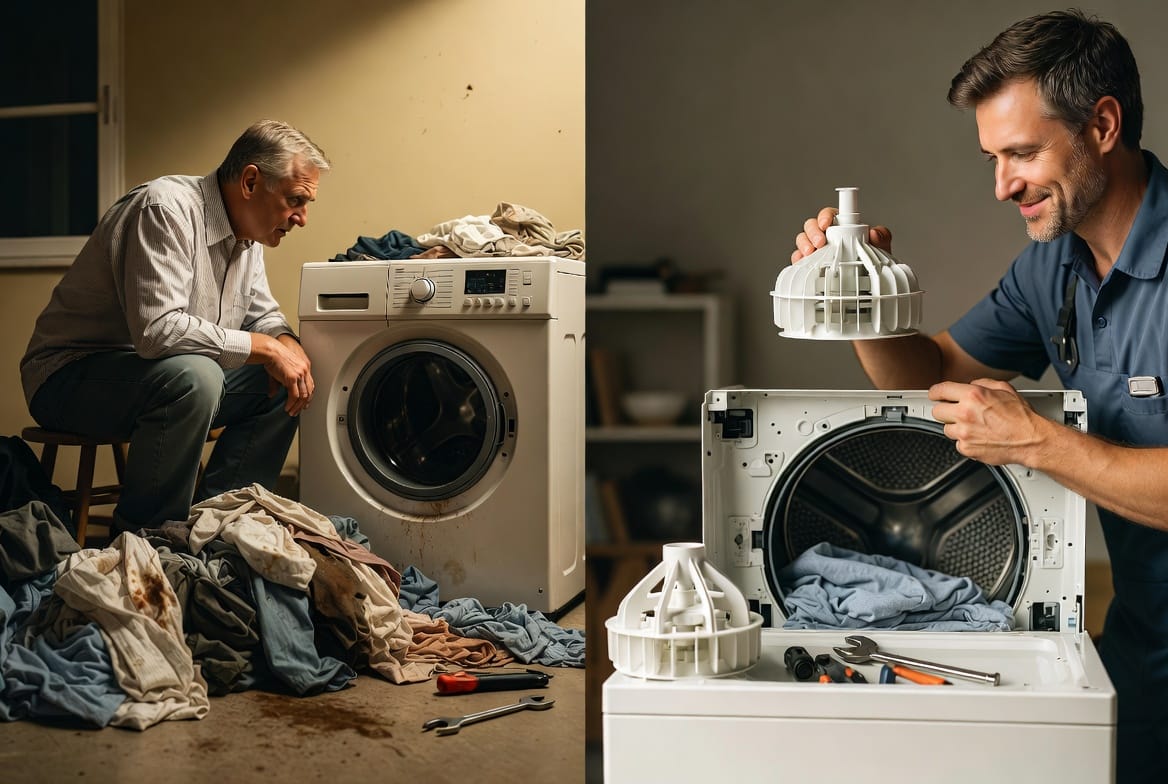
While some handy homeowners tackle basic fixes, professional appliance repair ensures lasting results and safety.
Common repairs include:
- Replacing agitator dogs — Cost-effective fix for ratcheting issues.
- Full agitator replacement — Necessary when the main body is cracked or severely worn.
- Drive block or transmission inspection — Rules out related deeper problems.
- Complete agitator assembly service — Restores full cleaning power.
Expert technicians use specialized tools to access components efficiently, avoiding unnecessary damage to your appliance. They also check related parts like the transmission and motor couplings for comprehensive service.
Benefits of Timely Agitator Repair
Addressing agitator problems promptly delivers multiple advantages:
- Better cleaning performance — Clothes come out fresher and last longer.
- Reduced energy and water usage — A properly working machine operates efficiently.
- Lower long-term repair costs — Prevents cascading damage to expensive components.
- Extended washer lifespan — Professional service maximizes your investment.
- Peace of mind — No more noisy cycles or disappointing laundry results.
Reliable repair services combine expertise with quality parts, delivering results you can trust.
Preventive Maintenance for Your Top-Load Washer Agitator
Keep your agitator performing optimally with these practices:
- Avoid overloading — Follow manufacturer capacity guidelines.
- Balance loads — Mix large and small items evenly.
- Use HE detergent appropriately — Prevents excessive suds that strain components.
- Clean the washer monthly — Run hot cycles with vinegar or specialized cleaners.
- Schedule annual professional inspections — Catch small issues before they grow.
Consistent maintenance significantly reduces the likelihood of sudden agitator failure.
When to Call Professional Appliance Repair Experts
While basic diagnosis is straightforward, complex repairs benefit from trained professionals. Call for service if you notice:
- Persistent noise despite basic fixes
- Electrical or motor-related symptoms
- Leaks combined with agitation problems
- Agitator that won't stay secured after attempted repair
Expert help ensures correct diagnosis and proper installation, saving time and frustration.
Choosing the Right Repair Service for Washing Machine Issues
Look for providers who offer:
- Same-day or next-day service
- Manufacturer-authorized parts
- Experienced technicians specializing in major brands
- Transparent pricing with upfront estimates
- Warranties on repairs
Quality service restores your washer quickly and reliably.
Final Thoughts: Restore Your Washer’s Cleaning Power Today
A wobbly, noisy, or non-spinning agitator compromises your entire laundry process. Don’t settle for subpar performance or risk further damage to your appliance.
Professional repair delivers fast, effective solutions that get your top-loading washing machine back to its best. Whether it’s simple agitator dog replacement or full component service, timely intervention saves money and stress.
Ready to solve your washing machine agitator problems? We provide expert diagnosis, quality repairs, and the peace of mind that comes with a fully functioning washer.
Professional Agitator Repair – Fast & Reliable Service