The Usage-Based Insurance Privacy: What Data Is Collected and Shared
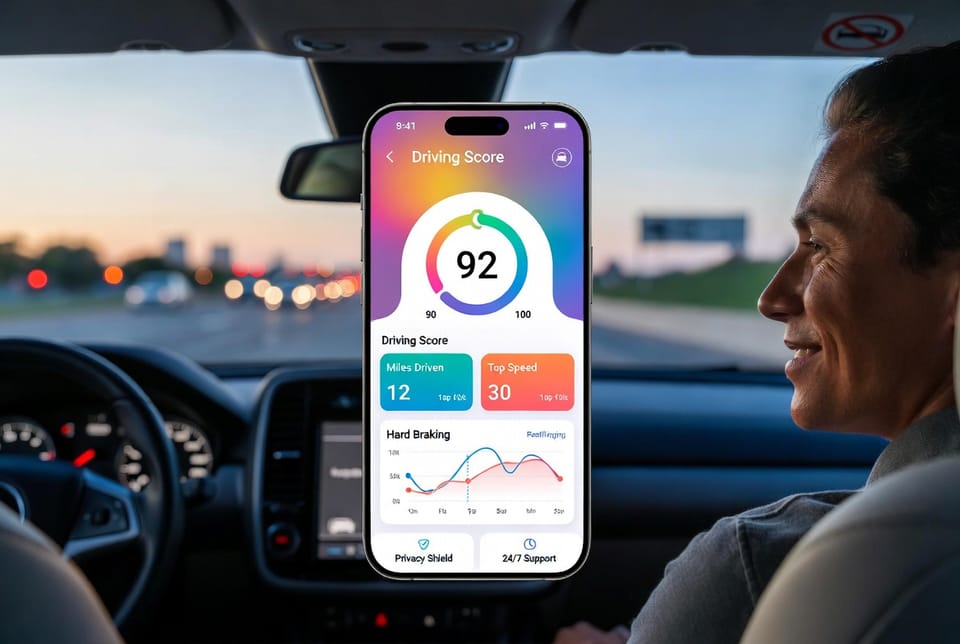
Usage-based insurance (UBI) programs are transforming how drivers save on auto insurance premiums. By rewarding safe driving habits, these programs offer significant discounts, but many consumers understandably worry about data privacy. At its core, usage-based insurance uses technology to monitor driving behavior rather than relying solely on traditional factors like age or location. This article explores exactly what data is collected, how it is used and protected, and your rights as a consumer. Understanding these details empowers you to make informed decisions that balance potential savings with peace of mind.
Discover Privacy-Safe Usage-Based Insurance – Call Now!
Usage-based insurance continues to grow in popularity across Texas and nationwide, appealing especially to low-mileage drivers, remote workers, retirees, and cautious drivers seeking lower rates. Yet privacy remains a top concern. Rest assured: reputable insurers prioritize data security while delivering transparent value.
How Telematics Technology Powers Usage-Based Insurance
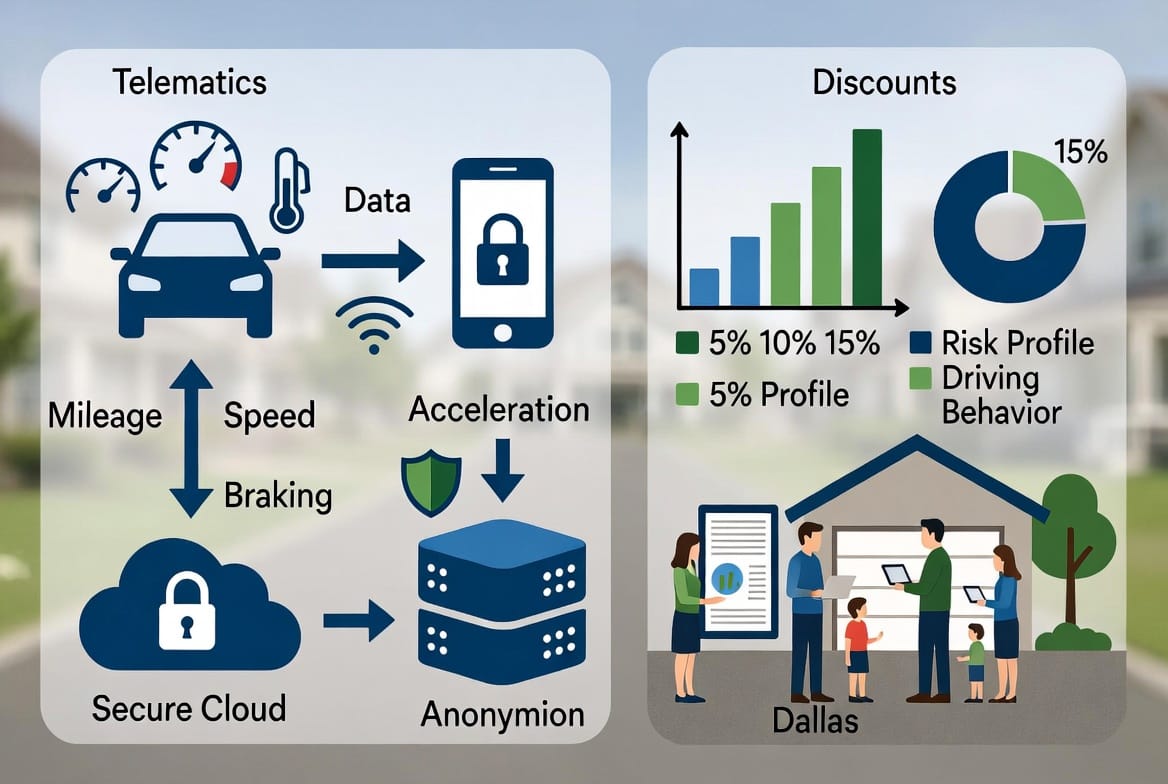
Telematics devices and smartphone apps form the backbone of usage-based insurance. These tools gather objective driving data to assess risk more accurately than traditional methods.
Instead of broad generalizations, insurers analyze your actual habits. This personalized approach often leads to substantial premium reductions for safe drivers — sometimes 20-40% or more, depending on your patterns.
Key data points typically tracked include:
- Mileage: Total distance driven, which directly influences risk exposure.
- Speed: How consistently you maintain safe speeds.
- Braking and acceleration: Sudden stops or rapid starts that indicate aggressive driving.
- Time of day: Driving patterns, such as nighttime versus daytime trips.
- Occasionally, GPS location: Used sparingly for trip verification or route safety analysis (many programs minimize or avoid continuous tracking).
These metrics help create a driving score that reflects real-world safety rather than assumptions.
What Data Is Collected — And What Isn’t
Modern telematics focuses on relevant safety metrics while respecting your privacy. Most programs use a small plug-in device or a mobile app that activates only when driving.
Importantly, data collection is limited:
- No continuous audio or video recording of your vehicle interior.
- No personal conversations or content from your phone.
- Limited or optional GPS: Many insurers aggregate location data without storing detailed histories unless you opt into advanced features.
- No sharing of raw data with marketing companies or unrelated third parties.
Insurers emphasize that collected information remains confidential and serves only to calculate your personalized rate. This targeted approach reassures many policyholders who initially hesitate.
For Dallas-area drivers navigating busy highways like I-35 or Loop 12, telematics can highlight local driving patterns and reward smooth commuting habits common in Texas suburbs.
How Insurers Use Your Driving Data
The primary goal of data usage is fair and accurate pricing. Your driving information helps underwriters assess risk in real time rather than relying on historical averages.
Typical uses include:
- Calculating usage-based discounts based on consistent safe driving.
- Identifying opportunities for defensive driving tips to help you improve your score.
- Adjusting policy renewals with transparent explanations of rate changes.
- Aggregating anonymous data to improve overall road safety programs.
Crucially, your individual data is not sold to third parties. Reputable companies maintain strict internal policies and comply with regulations like the Gramm-Leach-Bliley Act and state privacy laws. Data supports only your insurance relationship.
This system rewards responsible choices — such as avoiding harsh braking during rush hour or limiting late-night trips — turning good habits into measurable savings.

Addressing Common Privacy Concerns Head-On
Many drivers wonder: “Who sees my data?” or “Can I stop sharing information?” These are valid questions, and leading insurers provide clear answers.
Strong privacy protections are standard:
- Data anonymization: Personal identifiers are often separated from driving metrics during analysis.
- Secure encryption: All transmissions use industry-leading security protocols.
- Limited retention: Data is kept only as long as necessary for your policy.
- No sharing with other insurers: Your information stays within your chosen company.
- Full transparency reports: Many apps allow you to view exactly what data has been collected.
If concerns persist, most programs offer easy opt-out options. You can typically switch back to a traditional policy at any time, often with minimal disruption. Some states even mandate clear disclosure of data practices before enrollment.
For families in growing Texas communities, understanding these safeguards brings comfort when choosing coverage that fits busy lifestyles.
The Privacy Trade-Off: Savings Versus Data Sharing
Like many modern conveniences, usage-based insurance involves a balanced trade-off. You share limited driving data in exchange for potential significant cost savings and personalized insights.
Who benefits most?
- Low-mileage drivers who rarely commute far.
- Retirees and stay-at-home parents with predictable, safe routes.
- Multi-vehicle households seeking maximum discounts.
- Anyone committed to defensive driving techniques.
Before enrolling, review the insurer’s privacy policy in detail. Ask specific questions about data handling, sharing practices, and deletion procedures. Knowledge removes uncertainty.
Many customers report that after trying the program, they appreciate the visibility into their habits and the resulting savings, often describing it as empowering rather than intrusive.
Your Rights and How to Take Control
Consumer protections ensure you remain in charge. Key rights include:
- Access to your data: Request a report of collected information.
- Correction opportunities: Update inaccurate records if needed.
- Opt-out at any time: Switch plans without penalty in most cases.
- Clear consent: Enrollment requires explicit agreement with full disclosure.
Texas drivers benefit from state regulations that emphasize transparency in insurance practices. Reputable providers go further by offering dedicated support to address privacy questions promptly.
Taking time to understand these elements helps you select coverage confidently while protecting what matters most — your family’s financial security and personal information.
Making Informed Choices for Your Auto Insurance
Usage-based insurance represents an evolution in personalized protection. By focusing on actual driving behavior rather than broad categories, it delivers fairness and savings for millions of responsible motorists.
While privacy is paramount, transparent programs with strong safeguards make the benefits worthwhile for many. Always prioritize companies that communicate openly about data practices and offer straightforward opt-out paths.
Ready to explore how usage-based options could lower your premiums while respecting your privacy? Our insurance specialists understand Texas driving needs and can walk you through program details, including exactly what data would be involved in your situation.
Discover potential savings while ensuring your data remains protected every mile of the way.
Unlock Secure Driving Discounts with Confidence – Call Today!