The Tree Transplant Shock: Managing Stress After Moving Trees
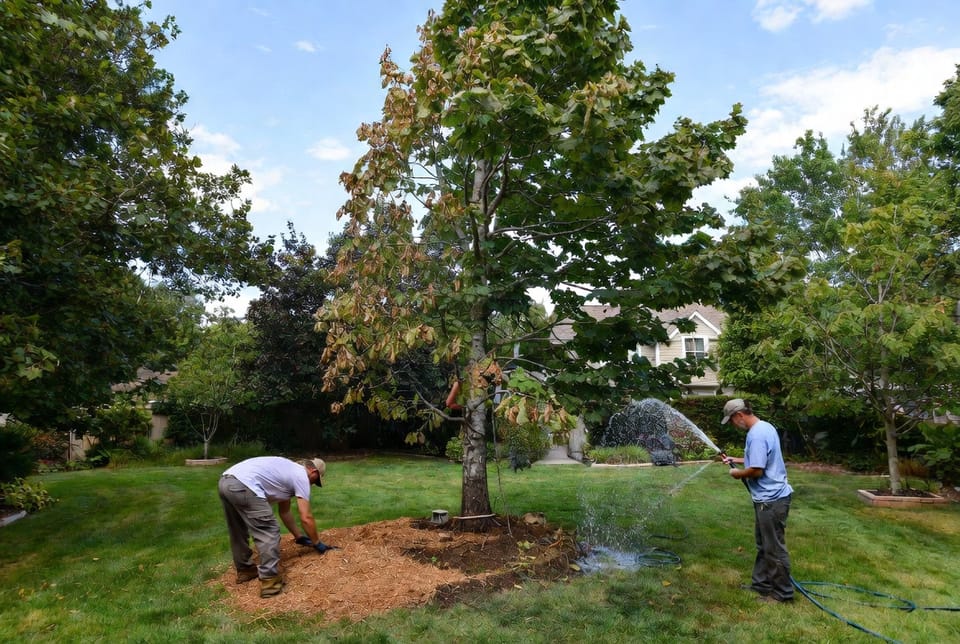
Transplanting a tree is a significant investment in your landscape. Whether you're relocating a beloved specimen or adding mature trees for instant impact, the process disrupts the tree's natural balance. Transplant shock is the most common challenge trees face after moving. Understanding and addressing it promptly can mean the difference between a thriving addition to your property and a struggling or lost tree.
Save Your Transplanted Tree Today – Call for Professional Care
At our professional tree care service, we’ve helped countless homeowners navigate this critical period successfully. With the right post-transplant care, most trees recover fully and enhance your outdoor space for decades. This comprehensive guide walks you through everything you need to know about managing transplant shock effectively.
Understanding Transplant Shock
Transplant shock occurs when a tree experiences stress due to the disruption of its root system during digging and relocation. Trees rely on an extensive root network to absorb water and nutrients. When moved, a significant portion of these roots—especially the fine feeder roots—is inevitably lost or damaged.
This sudden reduction in root mass limits the tree’s ability to uptake water, even if the soil is moist. As a result, the tree may show signs of distress such as wilting leaves, leaf drop, or slowed growth. The canopy continues to lose moisture through transpiration while the compromised roots struggle to replace it.
It’s important to remember that transplant shock is a normal response, not a sign of failure. Most trees can overcome it with attentive care during the first one to two growing seasons. The key is reducing additional stress and supporting the tree as it establishes new roots in its new location.
Key factors influencing severity include:
- Tree species and size
- Time of year transplanted
- Condition of the root ball
- Soil quality at the new site
- Weather conditions following transplant
Recognizing the Signs of Transplant Shock
Early detection allows for timely intervention. Watch for these common indicators:
- Wilting or drooping leaves even when soil feels moist
- Premature leaf drop or yellowing foliage
- Stunted new growth or smaller-than-normal leaves
- Dieback of small branches
- Bark cracking or unusual discoloration
Differentiating normal transplant stress from failure is crucial. Some leaf loss in the first season is expected as the tree prioritizes root regeneration over foliage. However, if entire branches turn brown and brittle or the trunk shows signs of decay, deeper issues may be present.
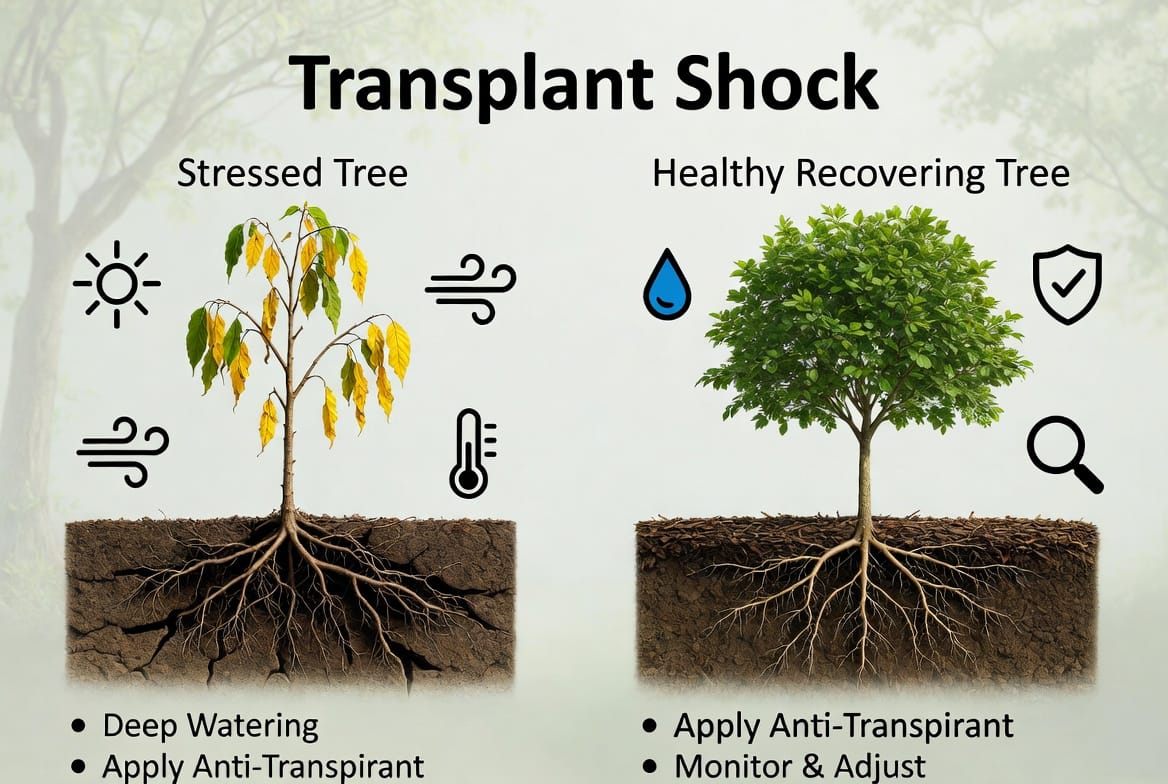
Proven Strategies for Managing Transplant Shock
Effective post-move tree care focuses on minimizing water loss, encouraging new root growth, and protecting the tree from additional stressors. Here’s how to support your tree:
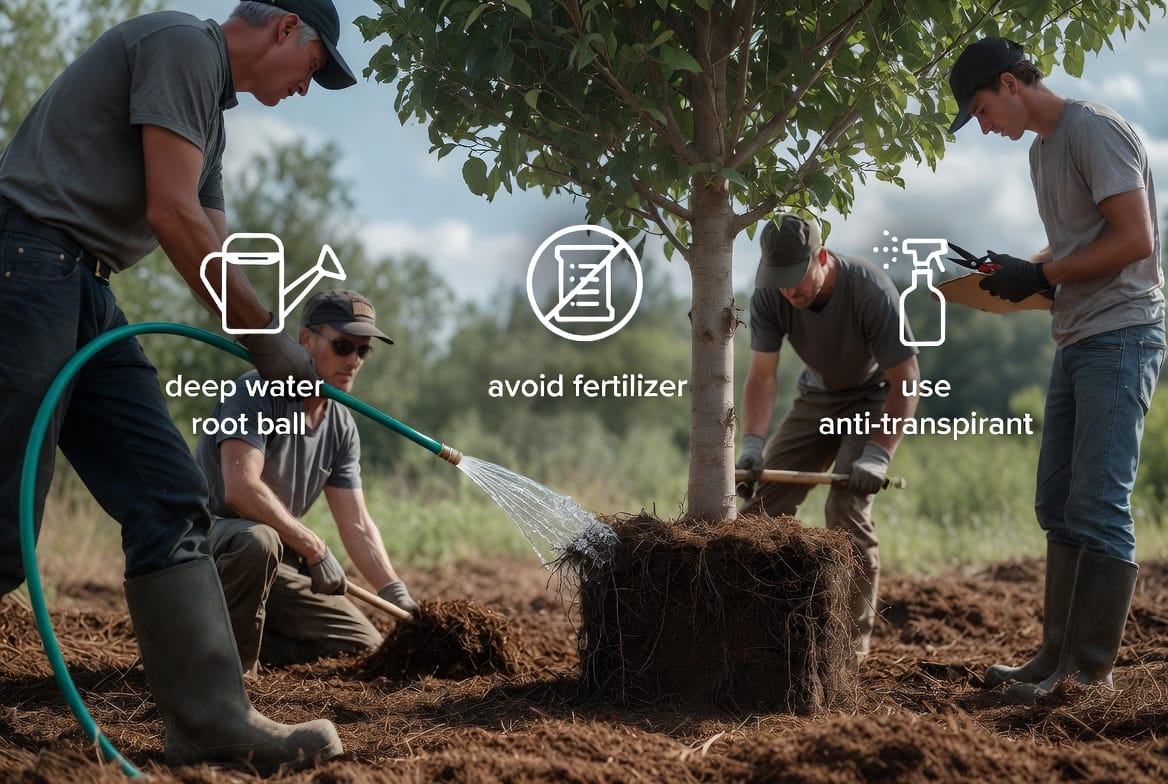
Deep and Consistent Watering
Watering is the single most important factor in recovery. New roots need consistent moisture to grow into surrounding soil.
- Water deeply and slowly to encourage roots to extend outward and downward.
- Provide 20–40 gallons per inch of trunk diameter weekly, depending on soil type and weather.
- Use a soaker hose or slow-drip system around the root ball perimeter.
- Check soil moisture 6–8 inches deep before watering to avoid over-saturation.
Pro tip: Early morning watering reduces evaporation and allows foliage to dry during the day, lowering disease risk.
Applying Mulch Correctly
Mulch is a powerful ally in reducing transplant stress.
- Apply 3–4 inches of organic mulch (wood chips, bark, or shredded leaves) over the root zone.
- Keep mulch 2–3 inches away from the trunk to prevent moisture buildup and rot.
- Mulch moderates soil temperature, retains moisture, and suppresses competing weeds.
Refresh mulch annually as it breaks down and contributes to soil health.
Using Anti-Transpirants
Anti-transpirant sprays create a temporary protective film on leaves that reduces water loss through transpiration. They are particularly helpful in the first few weeks after transplanting, especially during hot or windy periods.
Apply according to product instructions, typically every 7–14 days during peak stress periods. These products buy time for the roots to catch up with the canopy’s demands.
Avoiding Fertilizer Initially
One of the most common mistakes is fertilizing too soon. Freshly transplanted trees have limited root capacity and cannot effectively process additional nutrients.
- Wait at least one full growing season before applying fertilizer.
- Once established, use a balanced, slow-release formula tailored to your tree species and soil test results.
- Over-fertilization can burn tender new roots and worsen shock.
Pruning Considerations
Limit pruning after transplanting to only damaged or dead branches. The tree needs maximum leaf surface area to produce energy for root regeneration. Heavy pruning increases stress and should be reserved for the dormant season once the tree has stabilized.
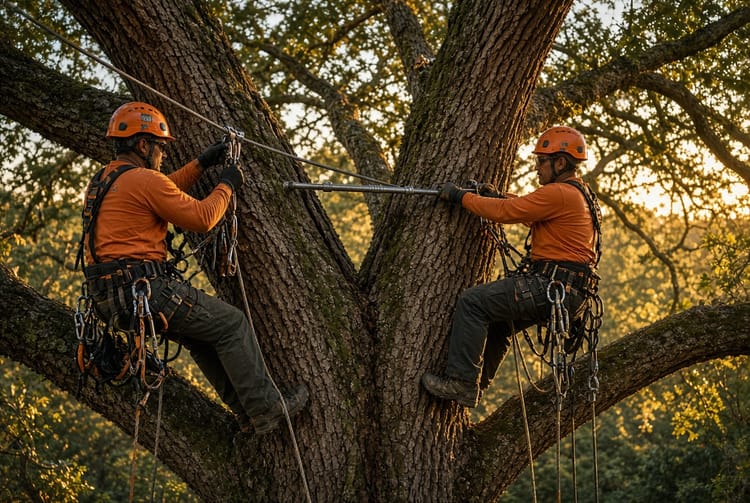
Image 3: Supporting Image
Monitoring Progress and Long-Term Recovery
Successful recovery typically unfolds over 1–3 years, depending on tree size and species. During the first year, focus on consistent care rather than expecting rapid visible growth.
Monthly monitoring checklist:
- Inspect for pests and diseases (stressed trees are more vulnerable)
- Check soil moisture regularly
- Look for new root growth by gently probing the soil edge (avoid disturbing the root ball)
- Note any changes in leaf color, size, and canopy density
Signs of success include:
- New, healthy leaf growth in the following season
- Increased trunk girth over time
- Stronger branch structure
- Return to normal seasonal cycles
If the tree shows no improvement after the first growing season or continues declining, professional assessment is recommended. Advanced techniques such as root zone aeration, soil amendments, or targeted treatments can often turn the situation around.
Common Pitfalls to Avoid
Even well-intentioned homeowners can inadvertently increase stress:
- Overwatering leading to root rot
- Planting too deeply or failing to address girdling roots
- Compacted soil from heavy equipment during transplant
- Lawn competition or chemical exposure near the tree
- Ignoring weather extremes without protective measures
By staying vigilant and following best practices, you significantly improve outcomes.
When to Call Professional Tree Care Experts
While many aspects of post-transplant care can be managed at home, larger trees or challenging sites benefit from expert intervention. Professional arborists bring specialized equipment, deep knowledge of species-specific needs, and experience with complex recovery cases.
Our certified team offers complete transplant services and follow-up care programs designed to maximize survival rates. We assess soil conditions, recommend tailored treatments, and monitor progress to ensure long-term health.
Reducing stress after transplanting is achievable with patience, proper techniques, and timely support. A successfully established tree becomes a valuable asset that provides shade, beauty, and environmental benefits for generations.
If you’ve recently moved a tree or are planning a transplant, don’t leave recovery to chance. Contact our tree care specialists today for expert advice and hands-on support.
Overcome Tree Transplant Shock – Speak to Our Experts Now