The Tree Stump Poisoning: Chemical vs. Mechanical Removal Methods.
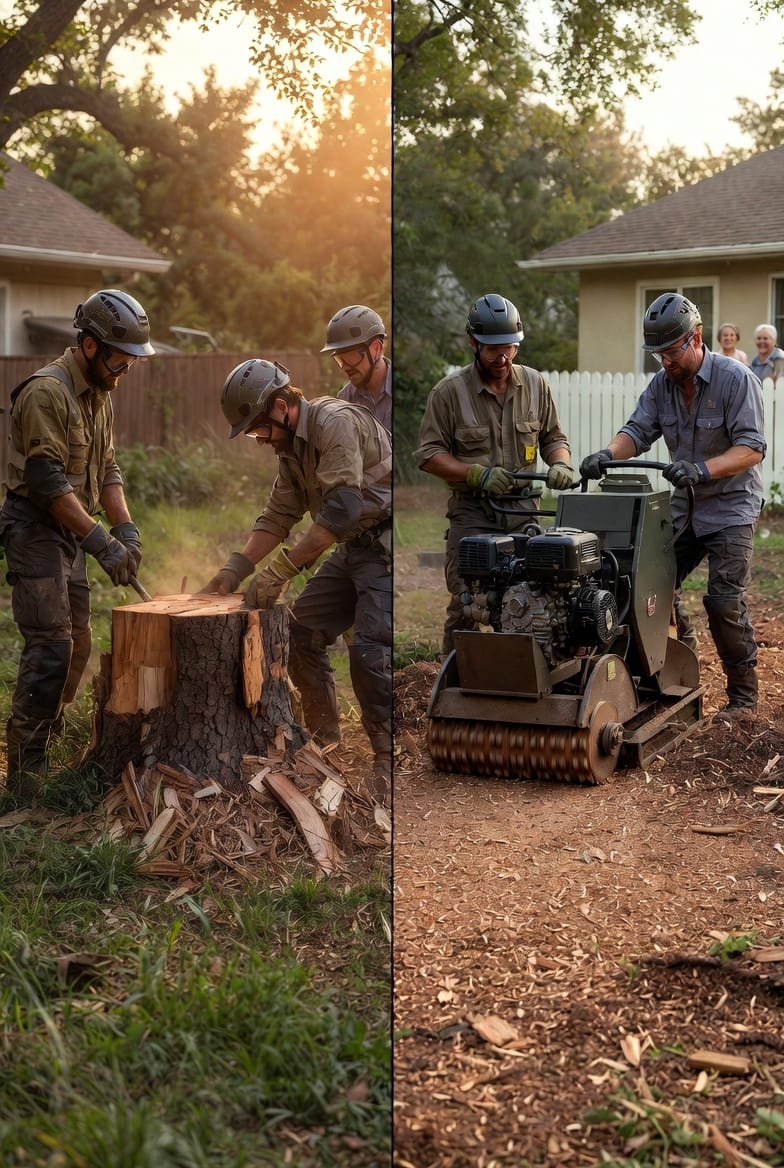
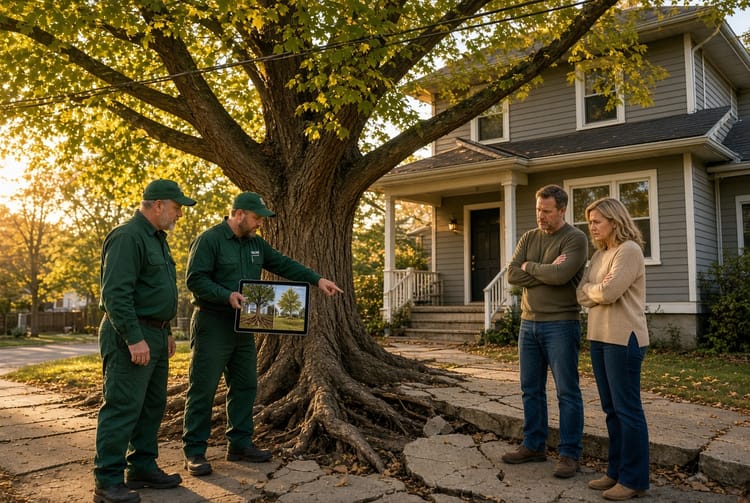
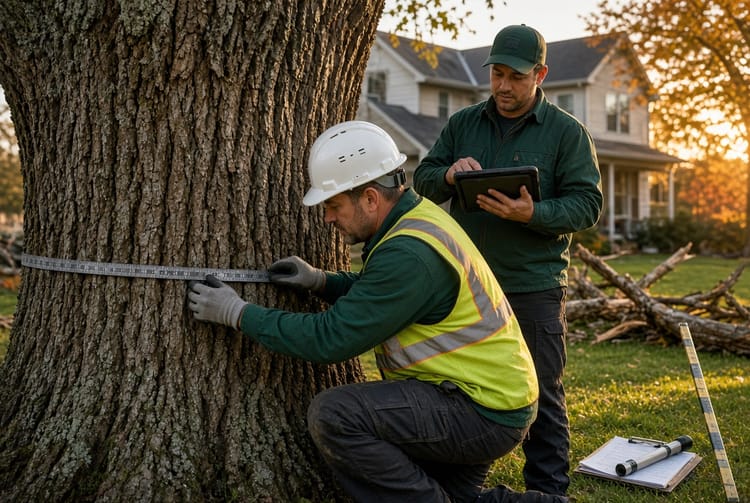
Tree stumps left behind after removal can quickly become more than just an eyesore. They pose tripping hazards, attract pests, and may even sprout new growth that disrupts your landscaping plans. When it’s time to eliminate a stump, homeowners often face a clear choice: chemical stump removers or mechanical stump grinding. Both methods effectively address the issue, yet they differ significantly in speed, cost, effort, and long-term results.
Get Your Stump Removed Today – Call Now!
This comprehensive guide compares the two leading stump elimination options with authoritative insight you can trust. Whether you prefer the slow but affordable approach of stump poisoning using chemicals like potassium nitrate or the fast, professional results of mechanical grinding, understanding the pros, cons, and timing considerations helps you make the right decision for your property. At the end of the day, the best method restores safety, beauty, and functionality to your yard without unnecessary stress.
Why Proper Stump Removal Matters for Your Property
Leaving a tree stump in place is rarely a neutral decision. Beyond aesthetics, stumps can harbor insects, fungi, and rodents that spread to nearby healthy trees or your home’s foundation. They also limit your ability to mow, plant, or build in that space.
Chemical stump removers and mechanical stump grinding both solve these problems, but they do so on very different timelines. Choosing wisely prevents future headaches and ensures your landscape investment pays off for years to come. Professional guidance makes the process seamless, delivering peace of mind alongside outstanding results.
Chemical Stump Removal: How Stump Poisoning Works
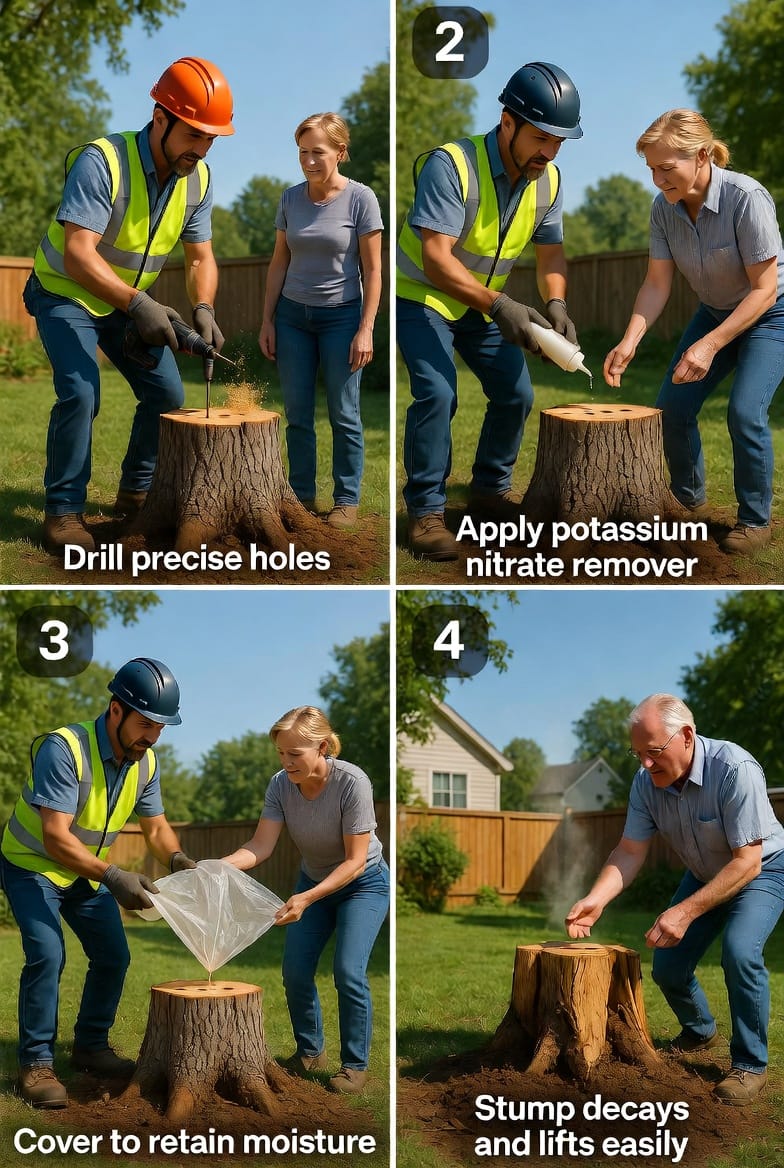
Chemical stump removers rely on compounds such as potassium nitrate to accelerate the natural decay process. The method is straightforward yet requires patience. First, the stump is cut as low to the ground as possible. Next, multiple deep holes are drilled into the top and sides of the stump. These holes are filled with the granular chemical, which supplies nitrogen that feeds wood-decaying fungi and bacteria.
The stump is then moistened and often covered with plastic to retain moisture and speed microbial activity. Over weeks to months, the wood softens dramatically until it can be broken apart by hand or with basic tools. This stump poisoning technique is popular among DIY enthusiasts because it demands minimal heavy equipment.
Key advantages include its low upfront cost and quiet operation. Homeowners appreciate that the process happens largely out of sight, with no loud machinery disrupting the neighborhood. However, results are not immediate, and the stump remains in place during the entire decay period.
Pros and Cons of Chemical Stump Removers
- Affordable and accessible: Most chemical products cost under $100 and are available at local garden centers.
- No heavy machinery required: Ideal for tight spaces where equipment access is limited.
- Environmentally considerate when used correctly: The primary active ingredient, potassium nitrate, breaks down naturally over time.
Yet there are important considerations:
- Extended timeline: Full decay can take 4 to 12 months or longer depending on stump size, wood type, and weather.
- Incomplete removal risk: Some root systems may remain, requiring follow-up work.
- Patience and monitoring needed: Regular watering and reapplication may be necessary for best results.
When time is not a pressing factor, chemical stump removers offer a reliable, budget-friendly solution that delivers satisfying outcomes with proper application.
Mechanical Stump Grinding: Instant Professional Results
Mechanical stump grinding offers the fastest path to a clean yard. Certified arborists arrive with specialized stump grinder machines equipped with sharp carbide teeth that chew the stump into small wood chips, typically grinding 6 to 12 inches below ground level. The process usually takes just a few hours, even for larger stumps.
The resulting mulch can be left in place, removed, or used for landscaping. Because the grinder reaches below the surface, the risk of future sprouting is virtually eliminated. This method provides immediate usability of the space, allowing you to reseed grass, install sod, or plant new trees right away.
Pros and Cons of Mechanical Stump Grinding
- Instant transformation: Your yard returns to normal the same day.
- Complete stump and root elimination: No hidden remnants to cause future issues.
- Professional precision and safety: Trained crews handle every detail with proper equipment.
Consider these factors as well:
- Higher investment: Professional service reflects the specialized machinery and expertise involved.
- Temporary site disruption: Noise and wood chips are present during the short operation.
- Access requirements: The machine needs a clear path to the stump.
For homeowners who value speed and a fully cleared space, mechanical stump grinding stands as the authoritative choice.
Timing Considerations for Both Stump Removal Methods
Timing plays a crucial role in success. Chemical stump removers perform best when applied during warmer, moist seasons when microbial activity is highest. Spring through early fall typically yields faster decay, though the process still requires months of waiting. Avoid extremely dry or frozen conditions that slow the chemical reaction.
Mechanical stump grinding offers far greater flexibility. Professionals can schedule work year-round, provided the ground is firm enough to support equipment. Dry weather is preferred to minimize mud and cleanup, but modern machines handle varied conditions efficiently.
If you have an upcoming event or landscaping project, mechanical grinding aligns perfectly with tight deadlines. For long-term projects with budget constraints, chemical methods allow you to plan ahead without urgency.
Key Factors to Consider When Choosing Your Method
Evaluate stump size, location, and your personal timeline. Smaller stumps in open areas often suit chemical treatment well. Larger stumps near structures or in high-traffic zones benefit from the speed and thoroughness of grinding. Budget, access for machinery, and tolerance for waiting also guide the decision.
Environmental sensitivity matters too. Both approaches can be managed responsibly, but professional assessment ensures the chosen method respects nearby plants, water sources, and local regulations.
Safety and Environmental Best Practices
Safety remains paramount. Chemical users should wear gloves, eye protection, and keep products away from children and pets. Mechanical crews follow strict protocols with personal protective equipment and site barriers.
Environmentally, potassium nitrate-based removers break down naturally, while grinding produces biodegradable wood chips that enrich soil when used as mulch. Professional service minimizes any potential impact, giving you confidence in your choice.
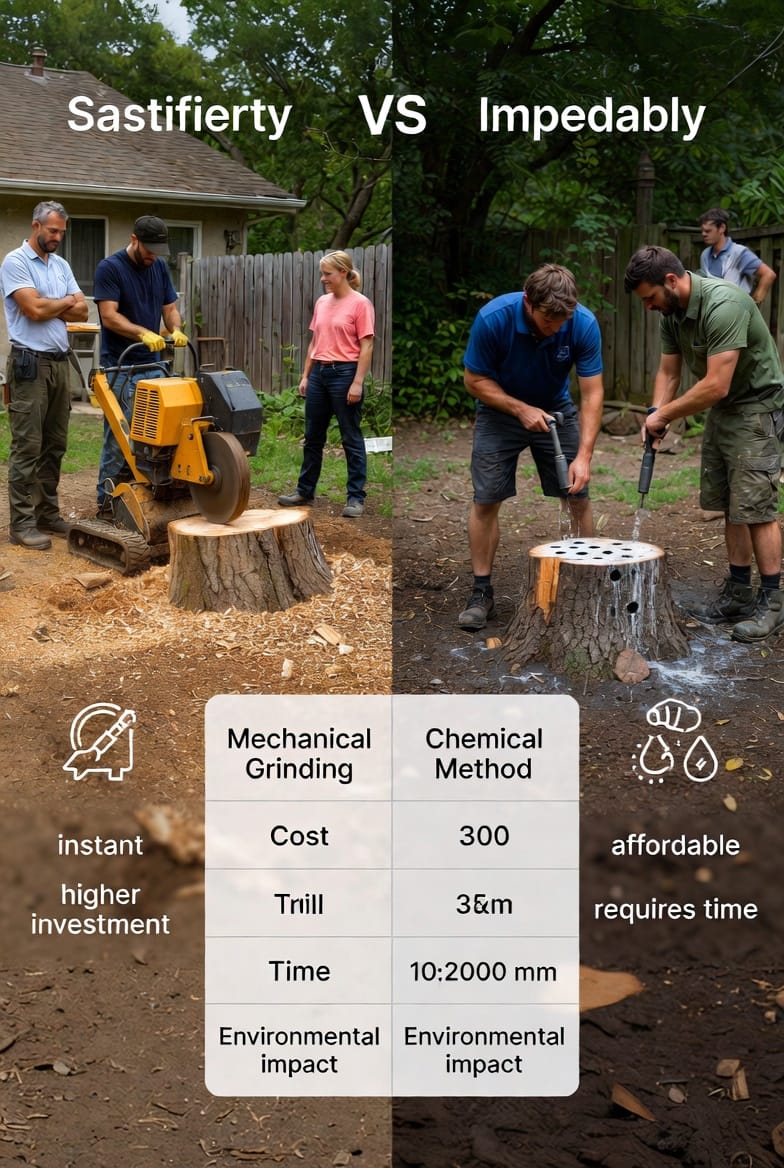
Real-World Applications and Expert Recommendations
Consider a homeowner with a small backyard stump blocking a future flower bed. Chemical treatment offers an economical path while they plan the garden. In contrast, a large stump near a driveway demands immediate mechanical grinding to restore safe access quickly.
These real-life examples highlight how both stump removal methods succeed when matched to the situation. Professional arborists assess each property individually, recommending the approach that delivers optimal results without compromise.
Cost Breakdown and Long-Term Value
Chemical options keep initial expenses low, making them attractive for budget-conscious projects. Mechanical grinding represents a larger but one-time investment that eliminates future maintenance. When calculating value, factor in time saved, safety restored, and the ability to enjoy your yard immediately.
Preparing Your Yard for Successful Stump Removal
Clear debris around the stump, mark underground utilities, and communicate expectations with your service provider. Proper preparation ensures smooth execution whether you select chemical or mechanical methods.
Choosing the Right Stump Removal Method
Both chemical stump removers and mechanical stump grinding are proven, effective solutions. Chemical approaches deliver affordable, low-effort decay over time, while mechanical grinding provides instant, complete removal with professional precision.
Evaluate your timeline, budget, and property needs carefully. The right choice restores beauty and safety while giving you confidence that the job is done correctly.
For reliable, expert stump grinding that delivers immediate results and lasting satisfaction. Our experienced team is ready to transform your yard quickly and professionally.
Choose the Best Stump Removal Method – Call Now