The Tree Silhouette Pruning: Shaping for Health and Aesthetics
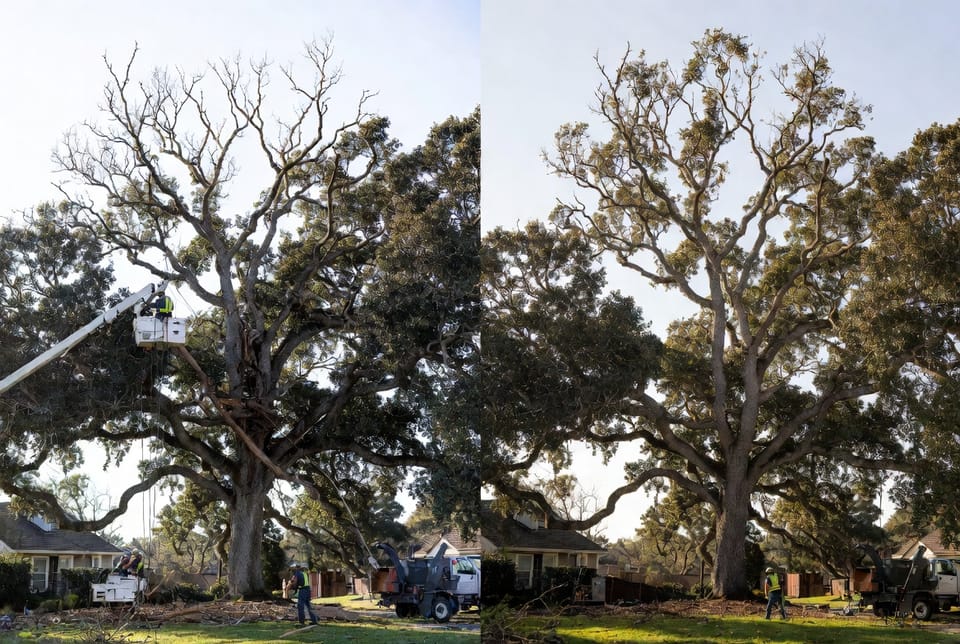
Tree silhouette pruning is a refined form of crown management that balances structural integrity with visual harmony. Far more than simple branch removal, this specialized approach sculpts a tree’s outer form while safeguarding its long-term vitality. When performed correctly, silhouette pruning removes deadwood, corrects structural flaws, reduces risk, and creates a natural, pleasing outline that complements the surrounding landscape. The result is a healthier tree that also enhances property aesthetics for years to come.
Get Expert Silhouette Pruning Today – Call Now!
Professional arborists understand that every cut influences both biology and appearance. By focusing on the crown—the living canopy that drives photosynthesis and defines the tree’s character—practitioners achieve dual goals: stronger internal architecture and an elegant external silhouette. This article explores the principles, techniques, and benefits of thoughtful crown management so property owners can make informed decisions that protect their investment and the environment.
Understanding Crown Management and Silhouette Pruning
Crown management refers to the systematic evaluation and selective modification of a tree’s canopy. The goal is never to force an artificial shape but to guide the tree toward its inherent genetic form while eliminating problems that compromise health or safety. Silhouette pruning specifically targets the outer edge of the canopy so the finished outline appears balanced, open, and natural when viewed from a distance.
A well-managed crown allows sunlight and air to penetrate the interior, reducing disease pressure and encouraging strong branch development. At the same time, the refined silhouette creates visual interest—whether the tree stands as a solitary specimen or contributes to a larger landscape composition. This dual focus distinguishes professional work from haphazard trimming.
Health Benefits: Removing Deadwood, Improving Structure, and Reducing Risk
Healthy trees begin with a sound structure. Deadwood is more than an eyesore; it invites decay organisms, harbors pests, and can become a falling hazard during storms. Removing it promptly is one of the most important health interventions an arborist can perform.
Beyond deadwood, crown management addresses crossing or rubbing branches that create wounds and weak unions. By carefully thinning congested areas, professionals improve the tree’s ability to withstand wind and ice loads. Proper structural pruning encourages the development of strong scaffold branches that support the canopy for decades.
Risk reduction is equally critical. Overly dense crowns act like sails in high winds, increasing the chance of limb failure or uprooting. Selective thinning lowers this sail effect while preserving the tree’s photosynthetic capacity. The outcome is a more resilient specimen that poses fewer threats to people, structures, and neighboring plants.
Key health-focused outcomes of skilled silhouette pruning include:
- Elimination of diseased or decaying tissue before problems spread
- Enhanced air circulation that discourages fungal pathogens
- Stronger branch attachments that resist breakage
- Better light distribution that supports uniform foliage growth
- Reduced likelihood of catastrophic failure during extreme weather
These improvements accumulate over time. A tree that receives consistent, thoughtful crown care typically lives longer, requires fewer emergency interventions, and contributes more positively to the ecosystem through shade, oxygen production, and wildlife habitat.
Aesthetic Benefits: Creating a Natural Silhouette
Aesthetics and health are inseparable in quality tree care. A tree that looks unbalanced or neglected often suffers underlying structural issues. Conversely, a carefully shaped silhouette signals vitality and thoughtful stewardship.
Natural silhouette pruning respects the species’ typical growth habit. Rather than imposing rigid geometric forms, the arborist enhances the tree’s own architecture. The finished outline should appear effortless—soft transitions, balanced mass on all sides, and a graceful taper from base to tip.
When viewed from multiple angles, the refined canopy frames views, softens architectural lines, and provides seasonal interest. In residential settings, a well-pruned tree can increase curb appeal and property value. In commercial or public landscapes, it contributes to a polished, inviting atmosphere.
Aesthetic gains include:
- A clean, flowing outline that complements architecture and hardscape
- Improved visibility of attractive bark, flowers, or fall color
- Balanced visual weight that prevents the tree from appearing top-heavy or lopsided
- Enhanced interplay of light and shadow within the canopy
The most successful results occur when the arborist steps back frequently during the process, assessing the silhouette from ground level and adjusting cuts accordingly. This iterative approach ensures the finished form feels intentional yet organic.
Proper Technique: Thinning, Not Topping
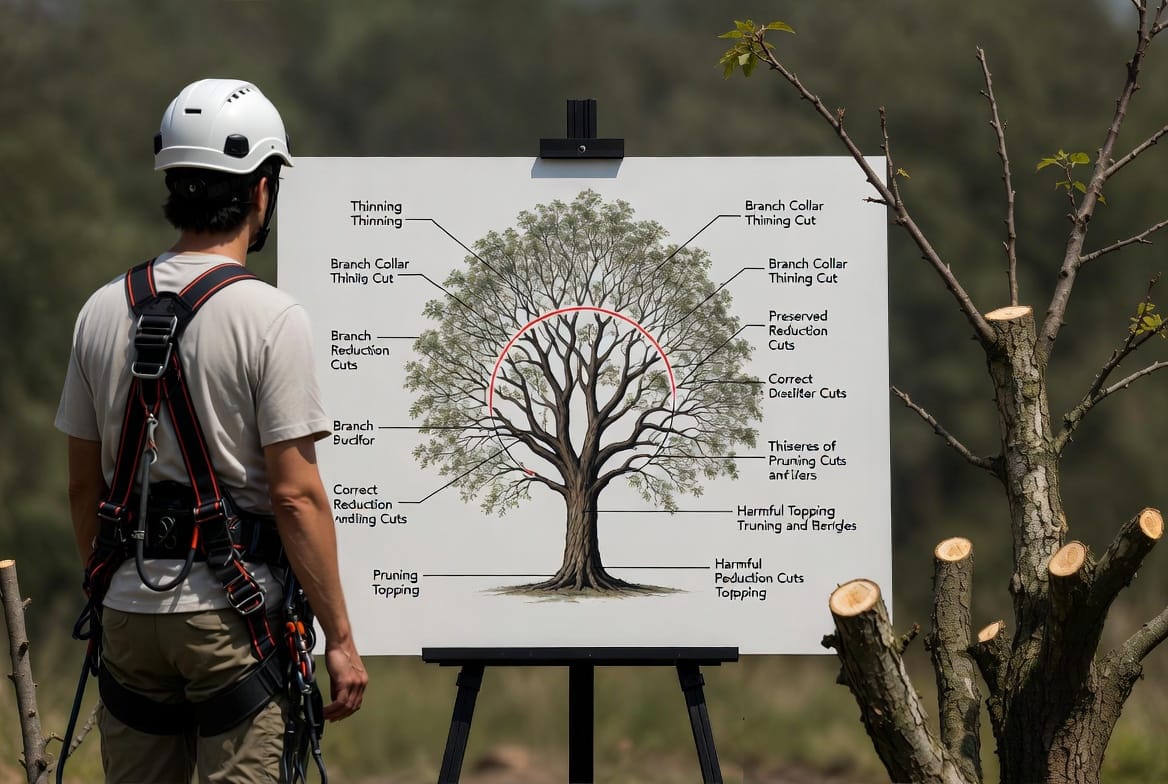
Technique separates beneficial pruning from damaging practices. The cornerstone of responsible crown management is thinning—the selective removal of live branches to reduce density while maintaining the tree’s natural shape. Thinning cuts are made at the branch collar or to a suitable lateral, allowing the tree to compartmentalize the wound effectively.
Topping, by contrast, is the indiscriminate cutting of large limbs back to stubs. This outdated method creates numerous problems: rapid, weakly attached sprouts; large wounds that invite decay; loss of natural form; and increased long-term risk. Professional standards reject topping in nearly all circumstances.
Correct thinning follows several guiding principles:
- Remove no more than 20–25 percent of the live canopy in a single season for most species
- Prioritize the three Ds: dead, diseased, and damaged wood
- Favor cuts that open the interior without creating large gaps
- Preserve the dominant leader and major scaffold branches
- Make clean cuts just outside the branch collar to promote rapid closure
Reduction cuts may be used sparingly to lower overall height or shorten overly long limbs, but they must always terminate at a lateral branch large enough to assume the terminal role. Heading cuts that leave stubs are avoided because they stimulate dense, upright growth that defeats the purpose of silhouette work.
Timing also matters. Most deciduous trees respond best to pruning during dormancy, when energy reserves are high and insect pressure is low. Evergreens and certain flowering species may require different windows. An experienced arborist selects the optimal season based on species, climate, and current condition.
The Process of Professional Silhouette Pruning
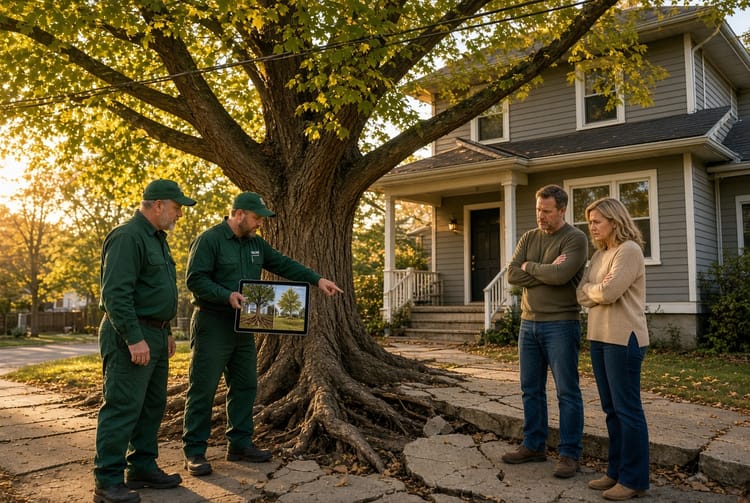
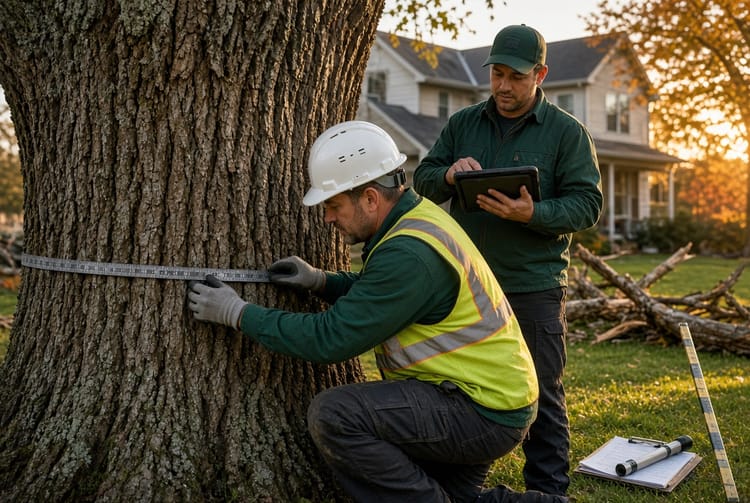
A thorough crown-management project begins with assessment. The arborist examines the entire tree—root flare, trunk, major limbs, and outer canopy—looking for defects, conflicts with structures or utilities, and opportunities to enhance form. Photographs or sketches of the existing silhouette help plan the desired outcome.
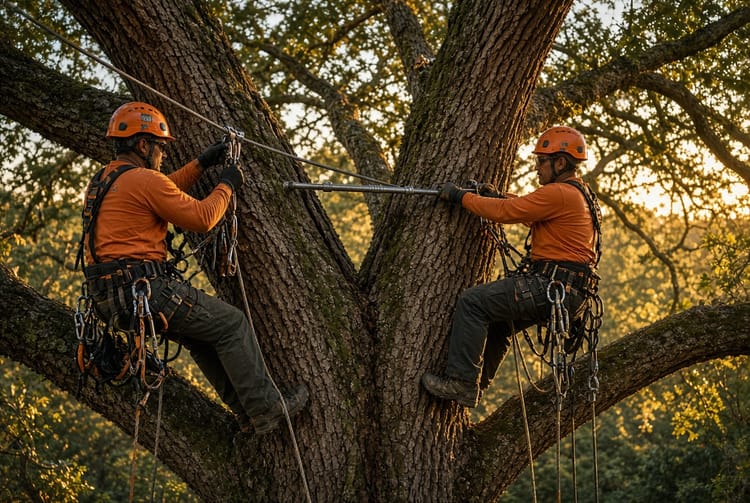
Once the plan is established, the work proceeds systematically from the top downward and from the interior outward. Safety equipment, proper climbing or aerial-lift techniques, and careful debris management protect both the crew and the property. Throughout the process the arborist continually evaluates the emerging outline, ensuring balance from every vantage point.
After the major structural work is complete, a final light thinning refines the silhouette. Debris is removed, the site is cleaned, and the client receives recommendations for future maintenance intervals. Most healthy trees benefit from professional silhouette pruning every three to five years, though younger or rapidly growing specimens may need more frequent attention.
Common Risks and How Skilled Pruning Mitigates Them
Improper pruning introduces significant risks. Excessive canopy removal can stress the tree, reduce its energy reserves, and trigger sunscald on previously shaded bark. Large flush cuts or topping create entry points for pathogens and encourage weakly attached regrowth that becomes hazardous within a few seasons.
Even well-intentioned homeowners can cause harm by removing too much foliage or cutting at the wrong angle. Professional training and experience minimize these dangers. Certified arborists understand species-specific responses, wound-response biology, and the biomechanics of branch attachments. Their work prioritizes the tree’s long-term welfare over short-term appearance.
Additional risks addressed through proper crown management include:
- Storm damage from dense or poorly attached limbs
- Interference with power lines, roofs, or walkways
- Pest and disease outbreaks favored by poor air flow
- Structural failure originating at weak branch unions
By addressing these issues proactively, silhouette pruning becomes a form of risk management that protects both the tree and the people who live or work nearby.
Integrating Silhouette Pruning into Long-Term Tree Care
Silhouette pruning is most effective when viewed as one component of a comprehensive care program. Soil health, proper mulching, appropriate watering, and timely pest monitoring all support the improvements achieved through pruning. A tree that receives balanced care develops denser, more resilient foliage and maintains its refined form longer.
Property owners who schedule regular professional assessments catch developing problems early, when corrections are simpler and less costly. Over successive seasons the cumulative effect of thoughtful crown management produces trees that are simultaneously stronger, safer, and more beautiful.
Conclusion: Shape Your Trees for Beauty and Health
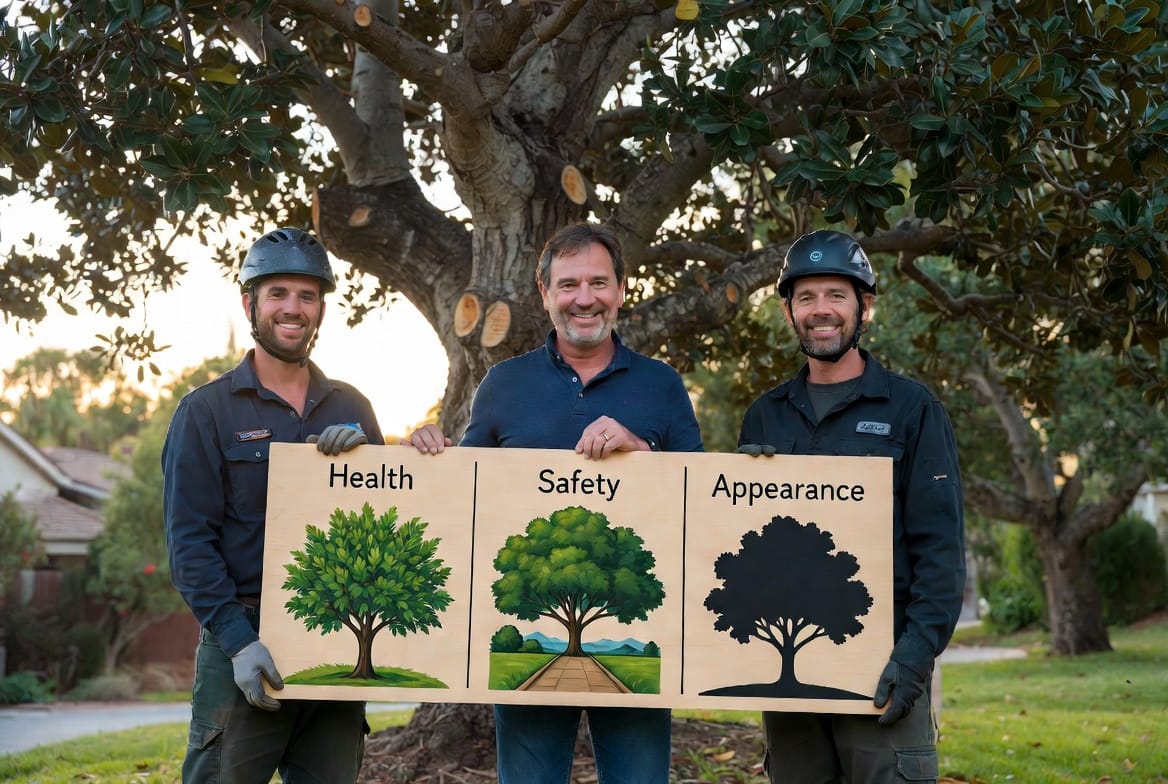
Thoughtful tree silhouette pruning through expert crown management delivers lasting rewards. By removing deadwood, improving structure, and reducing risk while refining the natural outline, property owners invest in both the biological health of their trees and the visual quality of their landscapes. Proper thinning techniques, never topping, ensure that every cut supports the tree’s future rather than compromising it.
The difference between a neglected canopy and a carefully shaped silhouette is immediately apparent and continues to grow more valuable over time. Healthy, well-formed trees provide shade, beauty, and peace of mind for decades.
Shape Your Trees for Health & Beauty – Call Now!