The Tree Service Dumpster: Handling Large Quantities of Branches and Wood
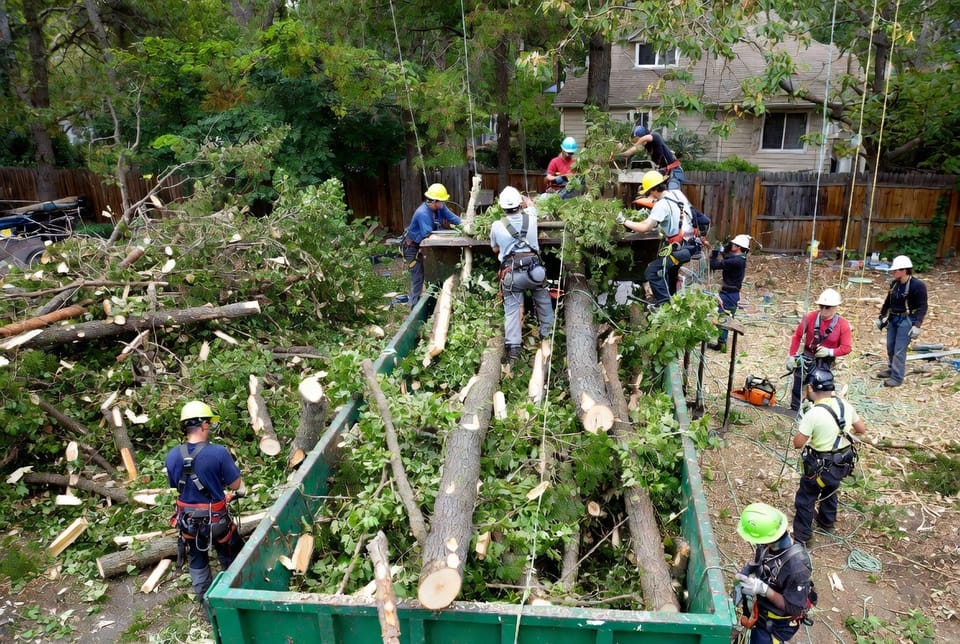
Tree services generate substantial amounts of landscaping debris during routine maintenance, storm cleanup, or major removals. A tree service dumpster provides the ideal solution for managing branches, logs, leaves, and other organic waste efficiently and safely. Whether you're a homeowner overseeing a backyard project or a professional arborist, understanding how to maximize a dumpster rental for tree debris ensures smooth operations, compliance with local regulations, and cost-effective results.
Clear Branches & Logs Efficiently – Call for Dumpster Rental Now!
This comprehensive guide explores everything you need to know about using dumpsters specifically for tree service work, from proper loading techniques to weight considerations and best practices that keep your project on track.
Why Tree Services Rely on Dedicated Dumpsters
Tree care professionals deal with unpredictable volumes of material. A single mature tree can produce several tons of branches and wood when removed or trimmed. Without proper containment, this debris quickly overwhelms standard waste bins, creates safety hazards, and delays project completion.
Tree service dumpsters are designed for heavy, bulky organic loads. They offer ample capacity while allowing easy access for loading equipment like chippers, cranes, or manual crews. Renting the right size prevents overflow issues and supports environmental responsibility by facilitating proper disposal or recycling of wood materials.
Property owners benefit tremendously too. Instead of multiple trips to a landfill or struggling with makeshift piles, a single dumpster rental streamlines cleanup and restores your yard faster.
Understanding Landscaping Debris in Tree Work
Landscaping debris from tree services typically includes:
- Fresh branches and limbs of varying diameters
- Large logs and trunk sections
- Fallen leaves and smaller twigs
- Stumps and root balls (in some cases)
- Associated yard waste like underbrush
These materials vary significantly in density and weight. Green wood, for instance, holds substantial moisture, making loads heavier than they appear. Proper planning accounts for these variables to avoid surprises during pickup.
Key risk: Overloading a dumpster beyond its weight limit can lead to unsafe transportation, higher fees, or even structural damage to the container. Always discuss expected debris volume with your rental provider upfront.
Choosing the Right Dumpster Size for Tree Projects
Selecting an appropriate tree service dumpster starts with estimating debris volume. Common sizes include 10-yard, 20-yard, 30-yard, and 40-yard containers. For most residential tree trimming jobs, a 20- or 30-yard option strikes the right balance.
Consider these factors:
- Scope of work — Minor trimming versus full tree removal
- Tree species — Dense hardwoods produce heavier debris than softwoods
- Project duration — Longer jobs may require multiple hauls or larger units
- Site accessibility — Ensure space for delivery and maneuvering
Professional tree services often opt for roll-off dumpsters due to their versatility. These allow loading from the top or sides, accommodating different equipment setups.
Efficient Loading Techniques for Branches and Logs
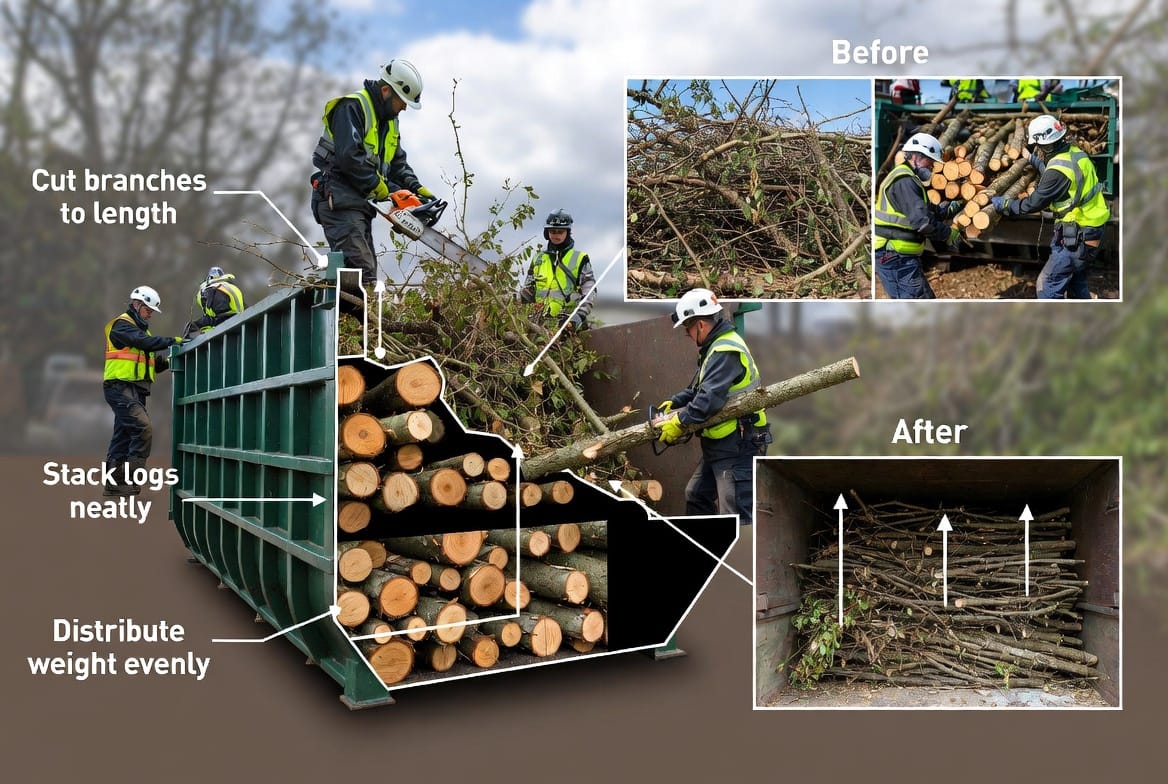
Maximizing space and maintaining safety requires smart loading strategies. Cutting materials to manageable lengths and organizing them thoughtfully prevents voids and reduces shifting during transport.
Pro tip: Break down large items early in the process. This not only saves space but also makes the entire job safer for your crew.
Here are proven techniques used by experienced tree service teams:
- Cut long branches into lengths that fit comfortably within the dumpster dimensions (typically 4-6 feet maximum).
- Stack logs parallel to one another along the container floor for stability.
- Layer lighter materials like leaves and twigs on top to fill gaps.
- Distribute weight evenly to prevent tipping risks or uneven settling.
Weight Considerations for Heavy Tree Debris
One of the most critical aspects of dumpster rental for tree services involves understanding weight limits. Dumpsters have both volume and weight capacities. Exceeding weight limits creates significant challenges.
Green wood can weigh 50-60 pounds per cubic foot or more, depending on species and moisture content. A full load of oak logs, for example, quickly approaches several thousand pounds.
Important safety note: Always monitor load weight. Rental companies typically specify limits (often 2-4 tons for standard containers, higher for reinforced units). Overweight loads may incur substantial extra charges or require special heavy-duty dumpsters.
To manage weight effectively:
- Separate extremely dense materials when possible.
- Avoid mixing in non-organic heavy waste unless approved.
- Schedule partial pickups for very large projects.
Tree service professionals train crews to estimate weights visually and adjust loading accordingly. This expertise prevents costly delays and ensures compliance.
Best Practices for Safe and Organized Debris Management
Successful tree debris handling goes beyond simply tossing materials into a container. Implementing systematic approaches elevates efficiency and professionalism.
- Sort materials during collection to optimize space and facilitate recycling where possible.
- Use protective equipment including gloves, helmets, and sturdy boots to prevent injuries.
- Maintain clear pathways around the dumpster for easy access throughout the job.
- Monitor weather conditions — rain can add unexpected weight to porous wood debris.
- Plan for final cleanup — reserve time to rake and remove smaller scattered pieces.
These practices not only protect workers but also reassure clients that their property receives thorough, careful attention.
Environmental Benefits of Proper Dumpster Use
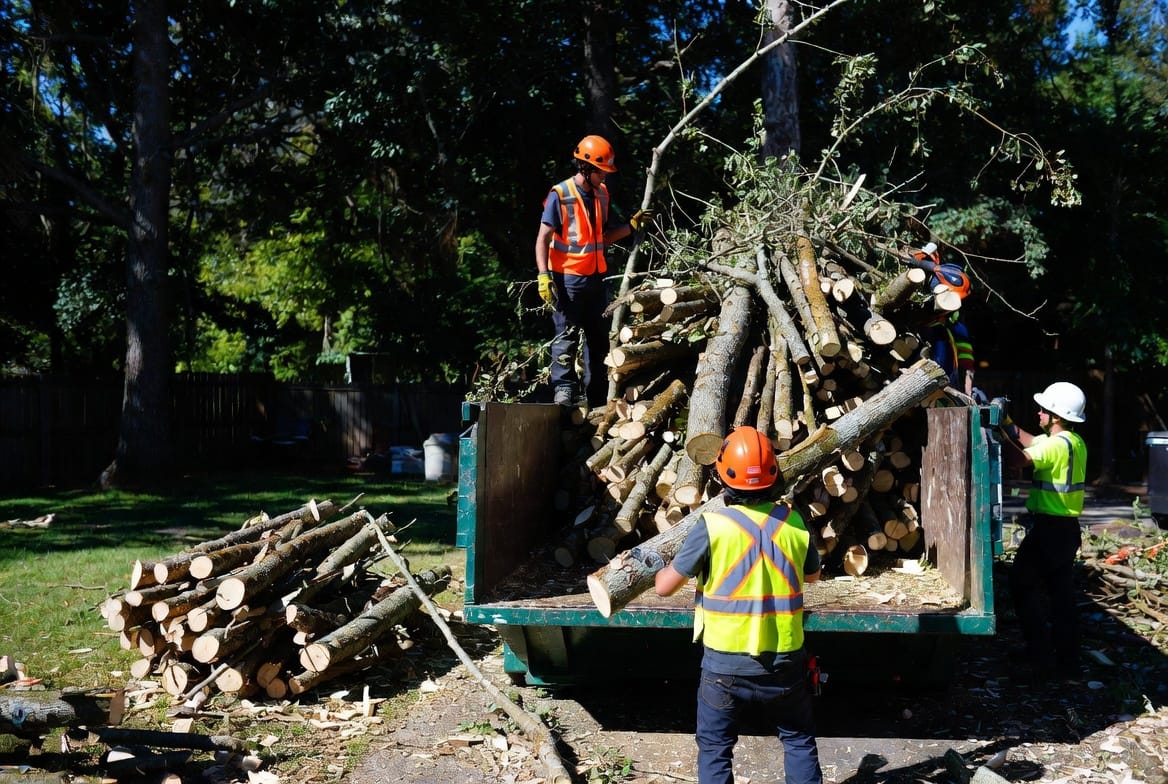
Using a designated tree service dumpster supports sustainable practices. Many facilities process wood debris into mulch, biomass fuel, or compost rather than sending everything to landfills. This reduces environmental impact while potentially lowering disposal costs.
Homeowners and businesses appreciate knowing their tree removal or trimming project contributes positively to local ecosystems. Reputable services often highlight these green initiatives as part of their value proposition.
Common Challenges and How to Overcome Them
Even well-planned projects encounter obstacles. Heavy rain can saturate debris, increasing weight dramatically. Limited site access might restrict dumpster placement. Regulatory restrictions in certain municipalities require permits for large containers.
Preparation mitigates these issues:
- Schedule dumpster delivery with buffer time.
- Consult local authorities regarding any necessary permits.
- Have contingency plans for weather-related delays.
- Partner with experienced rental providers who understand tree service needs.
By anticipating potential hurdles, you maintain project momentum and client satisfaction.
Cost-Effective Strategies for Tree Debris Removal
Dumpster rental costs vary based on size, duration, and location. To optimize expenses:
- Accurately estimate debris volume to avoid upsizing unnecessarily.
- Bundle services when possible (tree work plus dumpster rental).
- Schedule pickups efficiently to minimize rental days.
- Explore volume-based pricing options from providers.
Investing in the right tree service dumpster ultimately saves money by reducing labor hours and preventing inefficient multiple trips to disposal sites.
Step-by-Step Process for Renting and Using a Tree Service Dumpster
- Assess your project — Determine expected debris volume and types.
- Contact providers — Request quotes specifically mentioning tree branches and wood.
- Choose container size and rental period.
- Prepare the site — Clear space and protect surrounding areas.
- Load systematically using the techniques outlined earlier.
- Schedule pickup once the job completes.
- Review the site for final cleanup.
This structured approach ensures a seamless experience from start to finish.
Ensuring Safety Throughout the Process
Safety remains paramount in tree service operations. Proper dumpster use contributes significantly to overall job site security by containing hazards and reducing trip risks from scattered debris.
Train teams on correct lifting techniques when handling heavy logs. Maintain clear communication during loading operations. Use appropriate personal protective equipment consistently.
Clients feel reassured seeing organized, professional practices in action. This attention to detail builds trust and encourages repeat business or referrals.
Additional considerations include seasonal factors. Spring and summer storm seasons often see spikes in demand for dumpster rentals for tree services. Planning ahead helps secure availability. Fall cleanup projects benefit from containers that handle large leaf volumes alongside wood debris.
Understanding local disposal regulations prevents unexpected fines. Some areas restrict certain wood types or require separation of invasive species materials. Professional services stay current with these rules to provide compliant solutions.
Advanced Loading Tips for Maximum Efficiency
Beyond basic techniques, seasoned crews employ additional strategies:
- Create stable base layers with larger logs.
- Intersperse branches to fill irregular spaces.
- Periodically check weight distribution as the container fills.
- Use tarps strategically during rain to manage moisture.
These methods allow handling surprisingly large quantities within standard weight limits while maintaining container integrity.
Bold reminder: Never attempt to overload or compact materials unsafely. Professional equipment and knowledge ensure optimal results without compromising safety.
The Role of Technology in Modern Tree Debris Management
Today's tree services increasingly incorporate tools like chippers that work alongside dumpsters. While chipping reduces volume for some materials, larger logs and branches still require full dumpster capacity. Combining both approaches delivers the most versatile solution.
GPS-tracked rentals and online booking systems simplify coordination. Real-time communication with providers keeps projects moving efficiently.
Conclusion: Clean Up Tree Debris Efficiently
Managing large quantities of branches and wood doesn't have to be overwhelming. With the right tree service dumpster, proper planning, and efficient loading techniques, you can complete projects safely, quickly, and professionally.
From careful weight considerations to organized stacking methods, every detail contributes to successful outcomes. Whether tackling a single tree or an entire property cleanup, a dedicated dumpster rental transforms challenging debris management into a streamlined process.
Clean up tree debris efficiently. For reliable tree service dumpster solutions that handle your branches, logs, and landscaping waste with ease. Our team stands ready to support your next project with the right equipment and expert guidance.
Clean Up Storm Debris Quickly – Get Your Dumpster Today!