The Roofing Dumpster: Sizing for Shingle Replacement
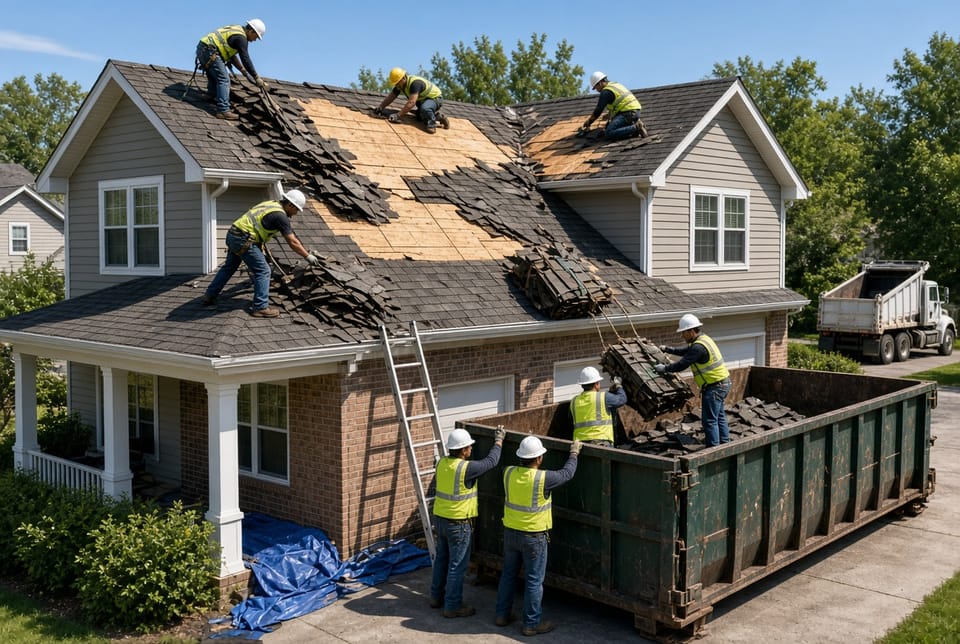
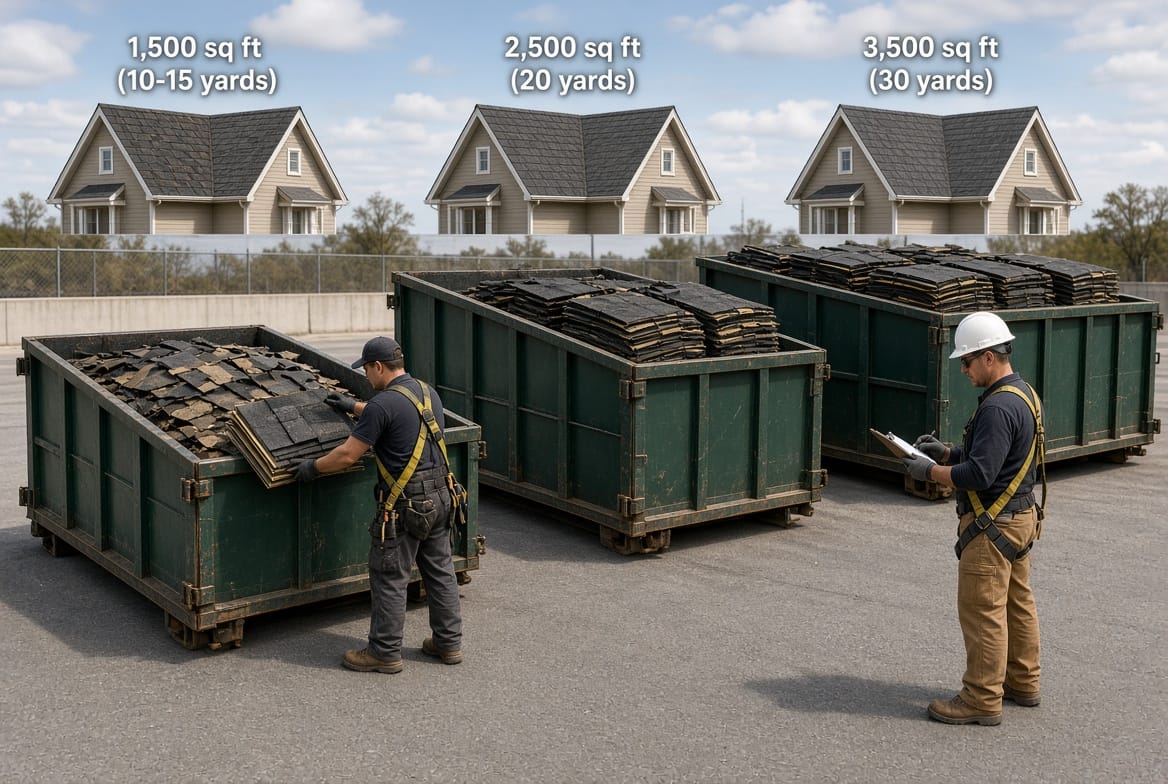
Replacing asphalt shingles generates a surprising volume of heavy, bulky waste. Choosing the correct dumpster size from the start prevents mid-project delays, extra fees, and safety hazards. This guide explains exactly how to match dumpster capacity to roof size for a 1,500-square-foot roof, a 2,500-square-foot roof, and a 3,500-square-foot roof while accounting for weight limits that many homeowners overlook.
Get the Correct Dumpster for Shingle Replacement
A properly sized roofing dumpster keeps the job site clean, protects landscaping, and allows the crew to work without interruption. Undersizing creates overflowing debris and additional haul charges. Oversizing wastes money on unused space. The recommendations below are based on typical three-tab and architectural shingle tear-offs, including underlayment, flashing scraps, and nails.
Why Accurate Dumpster Sizing Matters on Roofing Jobs
Roofing waste is dense. A single square (100 square feet) of old asphalt shingles can weigh 250–400 pounds depending on age, number of layers, and moisture. Multiply that across an entire roof and the total tonnage quickly approaches or exceeds standard dumpster weight limits.
Key risks of incorrect sizing include:
- Overweight fees that can double the rental cost
- Safety hazards from overfilled containers or scattered debris
- Project delays while waiting for an extra dumpster or a second haul
- Property damage when waste spills onto driveways, lawns, or gardens
- Permit or HOA issues if the container sits longer than planned
Correct sizing eliminates these problems and gives homeowners peace of mind that the project will stay on schedule and on budget.
Standard Sizing Guidelines by Roof Area
The following capacities have proven reliable for single-layer tear-offs on typical residential roofs. Always confirm local weight restrictions, as some municipalities cap dumpsters at 8–10 tons regardless of volume.
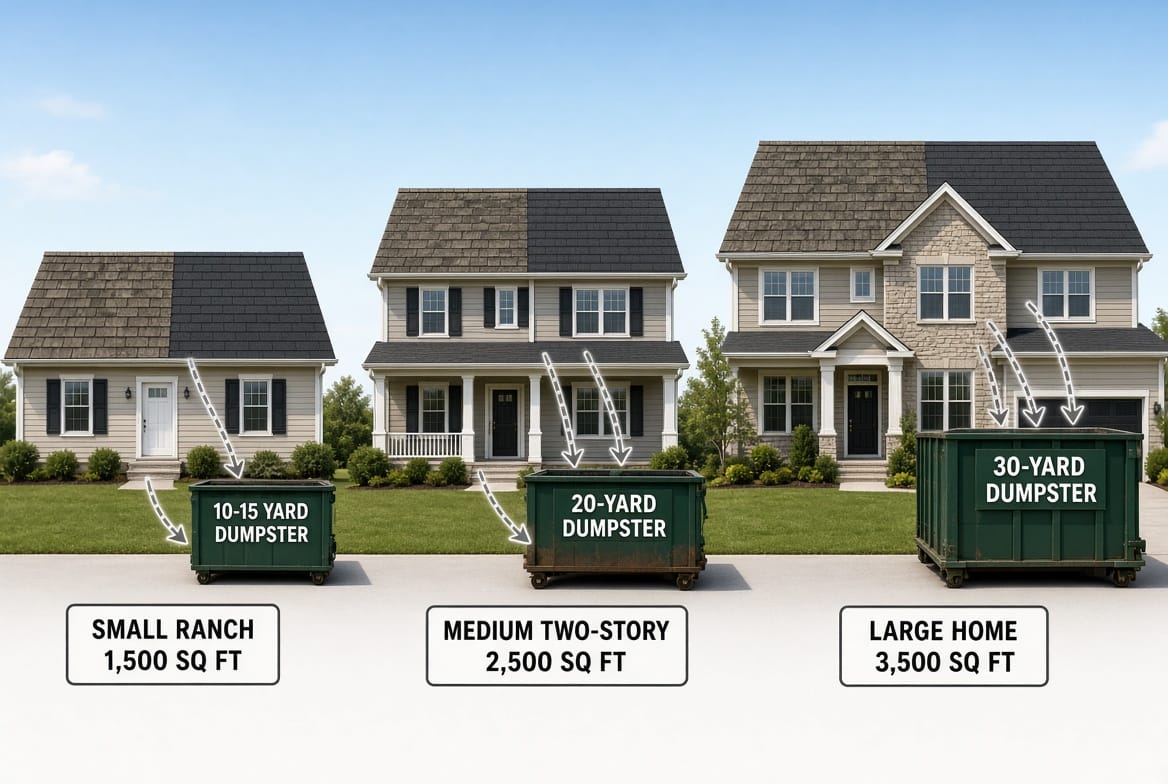
1,500 Square Foot Roof: 10–15 Yard Dumpster
A 1,500-square-foot roof produces roughly 15–22 squares of material. At 300 pounds per square, expect 4,500–6,600 pounds of waste plus underlayment and fasteners.
A 10-yard dumpster often suffices for a clean, single-layer job with efficient stacking. A 15-yard dumpster provides comfortable extra room if the roof has two layers, heavy architectural shingles, or significant flashing and vent debris.
Benefits of this range:
- Fits easily in most driveways
- Lower delivery and haul fees
- Sufficient volume when the crew packs shingles tightly
Homeowners with modest ranch-style or small two-story homes typically fall into this category. Measure the actual roof area rather than the home’s footprint; pitch and overhangs add square footage.
2,500 Square Foot Roof: 20-Yard Dumpster
A 2,500-square-foot roof generates 25–35 squares. Weight commonly reaches 7,500–10,500 pounds. The 20-yard dumpster is the most frequently requested size for this range because it balances volume and weight capacity.
This size accommodates:
- Standard architectural shingles
- One extra layer in many cases
- Associated waste such as old drip edge, pipe boots, and ridge vent
The extra cubic yards give the crew space to work without constant compaction. It also reduces the chance of an overweight ticket, which is a common issue when contractors try to force everything into a 15-yard container.
3,500 Square Foot Roof: 30-Yard Dumpster
Larger homes, multi-story properties, or roofs with complex geometry often measure 3,500 square feet or more. Waste volume can exceed 40 squares and 12,000–16,000 pounds. A 30-yard dumpster is the practical choice.
This container handles:
- Multiple layers of old shingles
- Heavier luxury or designer shingles
- Additional materials from valleys, dormers, and chimney flashings
The larger footprint requires more driveway or yard space, so plan placement carefully. The extra capacity prevents the need for a second container mid-project—an expensive and time-consuming interruption.
Weight Considerations That Affect Dumpster Choice
Volume is only half the equation. Weight limits determine whether the dumpster can legally and safely leave the site.
Typical weight allowances:
- 10-yard: 2–3 tons
- 15-yard: 3–4 tons
- 20-yard: 4–6 tons
- 30-yard: 6–8 tons (sometimes 10 tons with special permitting)
Asphalt shingles absorb moisture. A roof that has leaked or sat through several seasons of rain can weigh 20–30 percent more than a dry roof. Multiple layers compound the problem; a second layer can add another 200–250 pounds per square.
Practical steps to stay within limits:
- Ask the roofer to estimate layers before ordering
- Request a dumpster with a higher weight rating if the roof is old or wet
- Have the crew break down debris and stack it flat rather than tossing loosely
- Avoid mixing heavy items such as old HVAC units or masonry into the same container
Exceeding the weight limit triggers additional charges, possible refusal by the landfill, and extra handling fees. Confirm the exact weight policy with the rental company before delivery.
Additional Factors That Influence Final Size
Several variables can push a project from one size category into the next.
- Roof pitch: Steeper roofs have more actual surface area than the home’s footprint suggests.
- Number of layers: Two or three layers of old shingles dramatically increase both volume and weight.
- Shingle type: Architectural and designer shingles are thicker and heavier than traditional three-tab.
- Accessories: Metal flashing, ridge vents, pipe boots, and underlayment add bulk.
- Site constraints: Narrow driveways or HOA rules may limit which dumpster sizes can be delivered.
- Local landfill rules: Some facilities charge extra for mixed roofing waste or have specific acceptance criteria.
Measure the roof or obtain the square footage from the contractor’s estimate. Add 10–15 percent buffer for extras rather than ordering the absolute minimum.
How to Prepare the Site for Dumpster Delivery
Proper placement protects the property and speeds the job.
- Choose a flat, paved surface whenever possible
- Allow at least 60 feet of straight access for the delivery truck
- Protect the driveway with plywood if the dumpster will sit for more than a few days
- Keep the area clear of vehicles, low-hanging wires, and landscaping
- Confirm overhead clearance for the truck’s hoist
A well-placed dumpster keeps debris contained and reduces cleanup time at the end of the project.
Working With Your Roofing Crew and Dumpster Provider
Communication prevents most sizing mistakes. Share the roof measurements, estimated layers, and any known issues (leaks, previous repairs) with both the roofer and the dumpster company. Many providers offer same-day or next-day delivery and can swap containers quickly if the original size proves insufficient.
Ask these questions before booking:
- What is the exact weight limit for the chosen size?
- Are there extra fees for overweight or extra days?
- Can the container be swapped mid-project if needed?
- Do they provide tarps or covers for rain protection?
A reputable service will give clear answers and help you select the right container the first time.
Common Mistakes Homeowners Make
Even well-intentioned projects go wrong when these errors occur:
- Ordering based on home square footage instead of actual roof area
- Ignoring the possibility of multiple shingle layers
- Forgetting weight limits and focusing only on volume
- Placing the dumpster too far from the work area, forcing extra labor
- Waiting until the last minute to schedule delivery
Avoiding these pitfalls keeps costs predictable and the job running smoothly.
Final Checklist Before You Order
- Confirm roof square footage and pitch
- Determine number of existing shingle layers
- Estimate total weight using 300–400 pounds per square
- Choose the dumpster size that provides both volume and weight headroom
- Schedule delivery for the morning the tear-off begins
- Prepare the placement area in advance
Following this checklist removes guesswork and gives both the homeowner and the roofing crew confidence that waste disposal will not become a bottleneck.
Size your roofing dumpster correctly.
Avoid Overweight Fees – Order Your Roofing Dumpster