The Tree Pruning Sealant: Wound Dressing Do's and Don'ts
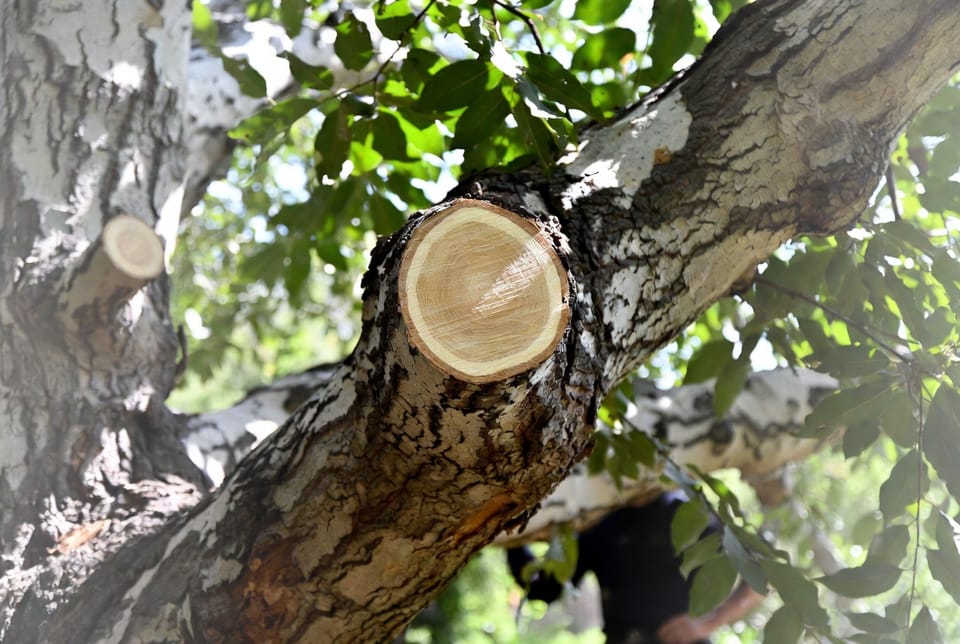
In the world of tree care, few topics spark as much debate as tree pruning sealant and wound dressings. Homeowners and professionals alike often wonder whether those cuts on their beloved trees need a protective coating. The truth, backed by modern arboriculture science, may surprise you.
Protect Your Trees Naturally – Call Now!
Proper pruning is essential for tree health, but the decision to apply sealants requires careful consideration. At our tree service, we prioritize evidence-based practices that support trees' natural defense systems. This comprehensive guide explores the science behind tree healing, when sealants might be appropriate, and the critical do's and don'ts for optimal results.
Understanding How Trees Heal Naturally
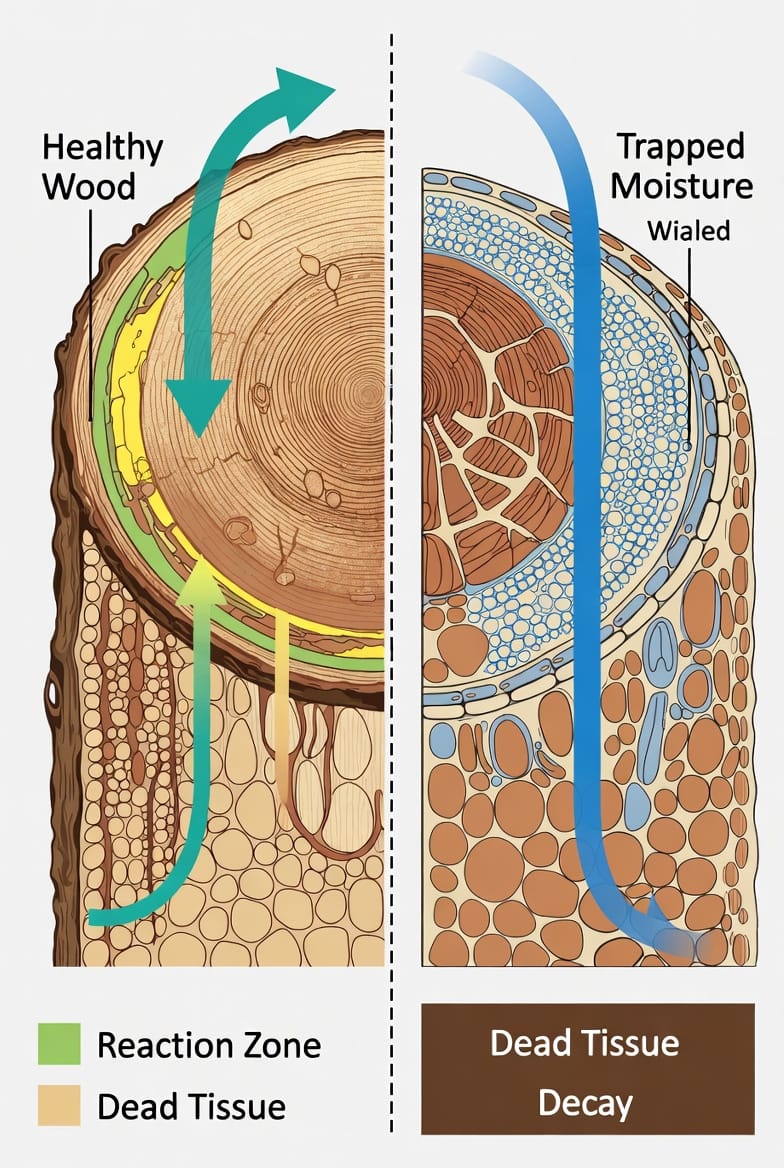
Trees have evolved sophisticated biological mechanisms to recover from wounds. Unlike animals that form scar tissue, trees use a process called compartmentalization.
When a tree is pruned, it doesn't "heal" the wound by regenerating the exact same tissue. Instead, it walls off the damaged area to prevent decay from spreading. This process involves:
- Chemical barriers: Trees produce compounds that resist fungal and bacterial invasion.
- Physical boundaries: New growth cells form to isolate the wound.
- Reaction zones: Specialized tissues limit oxygen and moisture that could promote decay.
Bold fact: Most trees excel at this natural process without any external help. Applying sealants indiscriminately can sometimes interfere with these natural defenses.
Research from leading arboricultural organizations shows that trees in healthy environments manage minor to moderate pruning wounds effectively on their own. This natural compartmentalization protects the tree's vascular system, ensuring continued nutrient and water transport.
The Science Behind Wound Sealants: Myths vs. Reality
For decades, the common advice was to immediately seal every pruning cut with tar-like substances. This practice stemmed from good intentions but lacked strong scientific backing.
Modern studies reveal that most trees do not need wound sealant. In fact, heavy sealants can create problems by:
- Trapping moisture inside the wound
- Preventing the tree from forming natural protective barriers
- Potentially introducing contaminants
Trees are remarkably resilient. A properly made pruning cut allows the tree to focus energy on compartmentalization rather than fighting against an artificial barrier.
When Might Tree Pruning Sealant Actually Help?
While the general rule favors natural healing, there are specific situations where targeted use of wound dressing provides benefits:
- Oak trees in high-risk areas: In regions with oak wilt pressure, sealing pruning wounds immediately can prevent devastating fungal infection.
- Elm trees and Dutch elm disease: During active beetle seasons, prompt application may reduce infection risk.
- High disease pressure environments: Where fungal pathogens are prevalent, a light barrier might offer temporary protection.
- Valuable specimen trees: For historic or particularly important trees, conservative use under professional guidance.
Even in these cases, the choice of material matters tremendously.
Choosing the Right Materials for Wound Dressing
If you decide sealant is necessary, avoid traditional petroleum-based products and thick tars. These materials can do more harm than good.
Recommended materials include:
- Latex-based paints: Thin, breathable formulas that allow some air exchange
- Specialized arborist sealants: Products designed specifically for tree wounds
- Natural alternatives: Certain water-based options that mimic protective barriers
Never use:
- Asphalt-based pruning paints
- Thick tar compounds
- Household paints with toxic additives
The ideal application is a thin layer that covers the exposed wood without sealing it completely airtight.
Best Practices for Pruning and Wound Care
Proper pruning techniques form the foundation of tree health. Always:
- Make clean, precise cuts at the branch collar
- Avoid tearing or crushing bark
- Prune during appropriate seasons for the species
- Use sharp, sanitized tools
- Remove no more than 25% of the canopy at once
These practices minimize wound size and promote faster natural recovery.
Step-by-Step Guide to Evaluating Pruning Wounds
- Assess the tree species and local disease risks
- Determine wound size and location
- Consider environmental conditions
- Consult with a certified arborist for valuable trees
- Monitor the wound over the following seasons
Key risk phrase: Ignoring proper technique can lead to structural weakness, decay, and premature tree decline.
Common Mistakes to Avoid with Tree Pruning Sealant
Many well-meaning homeowners make these errors:
- Over-application: Thick layers trap moisture and promote rot
- Wrong timing: Applying sealant during rainy seasons
- Using on small wounds: Most cuts under 2-3 inches heal best naturally
- Choosing petroleum products: These can damage living tissue
- Skipping professional assessment: Not all trees respond the same way
Remember that tree health depends on overall care — proper watering, mulching, and soil management often matter more than wound dressings.
Long-Term Tree Health Strategies
Beyond wound care, successful tree management involves:
- Regular inspections for signs of stress or disease
- Balanced fertilization based on soil testing
- Adequate watering during dry periods
- Storm preparation through strategic pruning
- Early intervention when problems arise
By understanding your trees' natural abilities, you become a better steward of their health.
Benefits of Working with Certified Professionals
Certified arborists bring expertise in:
- Species-specific requirements
- Local disease patterns
- Advanced pruning techniques
- Safe equipment operation
- Evidence-based treatment decisions
Professional service ensures your trees receive care tailored to their unique needs and your property's conditions.
Let Most Wounds Heal Naturally
The evidence is clear: trees possess incredible natural healing abilities through compartmentalization. In most cases, the best approach is clean pruning cuts followed by attentive monitoring and general tree care.
Reserve wound dressings for specific high-risk scenarios like oak wilt prevention, and always choose breathable latex-based products applied thinly.
For expert guidance on proper pruning techniques and comprehensive tree care services, contact our team today. We're here to help your landscape thrive for generations to come.
Proper Tree Care Starts Here – Schedule Your Consultation