The Tree Branch Failure: Factors That Lead to Limb Breakage
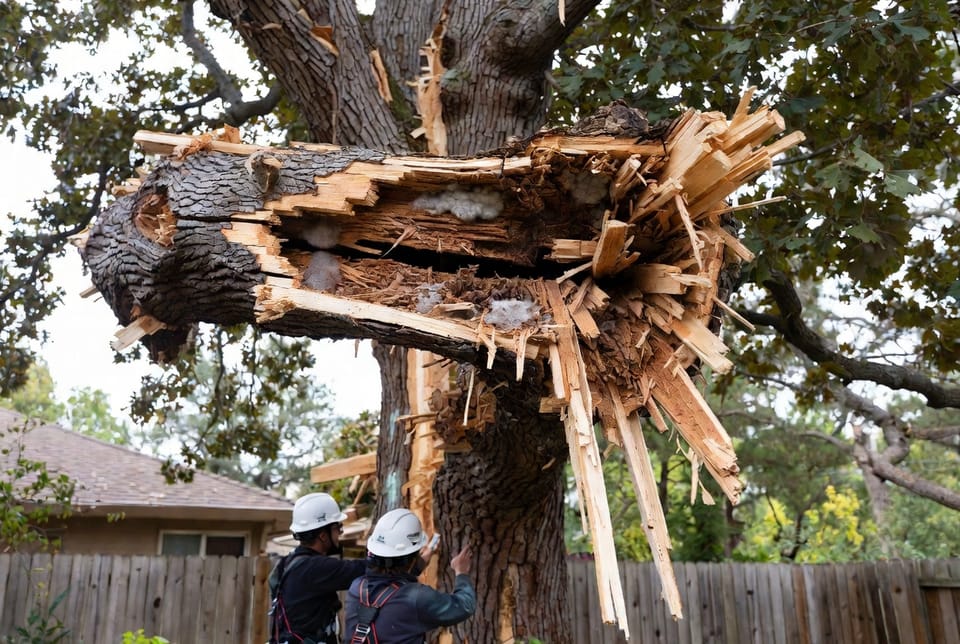
Tree branch failure is one of the most preventable yet frequently overlooked risks in residential and commercial landscapes. When a limb suddenly breaks, the consequences can range from damaged roofs and vehicles to serious personal injury. Understanding the precise factors that lead to limb breakage, recognizing early warning signs, and applying proven prevention strategies are essential steps every property owner should take. This guide delivers clear, authoritative insight into why branches fail and how professional care keeps trees—and the people around them—safe.
Call Now for Professional Tree Pruning & Safety Check
Understanding the Primary Factors Behind Branch Failure
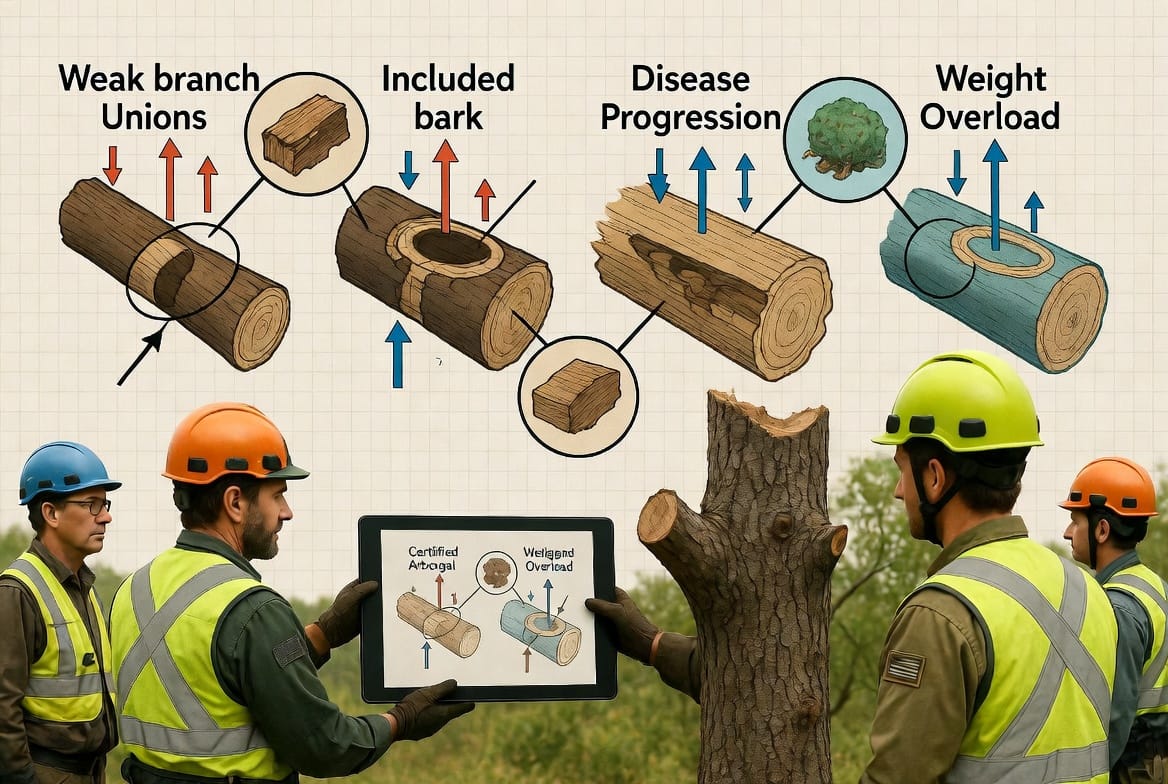
Limb breakage rarely occurs without underlying structural or biological weaknesses. Four dominant factors consistently appear in post-failure assessments: weak branch unions, included bark, disease, and excessive weight. Each of these conditions can act alone or combine to create a high-risk situation.
Weak branch unions form when two or more stems grow at a narrow angle, typically less than 45 degrees. Instead of developing a strong, U-shaped connection of overlapping wood fibers, the junction remains shallow and poorly reinforced. Over time, the competing stems push against each other, creating internal stress that eventually exceeds the wood’s tensile strength. The result is a sudden, catastrophic split that can drop heavy wood without warning.
Included bark compounds the problem of weak unions. As the stems enlarge, bark becomes trapped in the crotch rather than being pushed outward. This trapped bark acts as a barrier that prevents proper wood fusion. The affected area develops a deep V-shaped notch that collects water and further weakens the joint. Trees with multiple included-bark unions—common in species such as silver maple, Bradford pear, and certain oaks—carry a markedly higher risk of failure during wind or ice events.
Disease introduces biological decay that silently compromises structural integrity. Fungal pathogens such as Armillaria, Ganoderma, and Inonotus invade through wounds or root systems and digest the cellulose and lignin that give wood its strength. Once decay reaches the heartwood of a major limb, the branch can no longer support its own weight. External signs may remain subtle until the limb is already critically compromised.
Excessive weight is often the final trigger. Dense foliage, heavy fruit loads, snow accumulation, or even the natural growth of a long horizontal limb can overload a weakened attachment point. When the mechanical stress exceeds the remaining sound wood, the branch fails. This is especially common in mature trees that have not received regular structural pruning.
Recognizing these four factors early allows property owners and tree-care professionals to intervene before failure occurs.
Recognizing the Clear Signs of Failing Branches
Early detection is the cornerstone of safety prevention. Regular visual inspections—ideally performed twice a year and after major storms—can reveal progressive problems long before a limb drops. Watch for these unmistakable indicators:
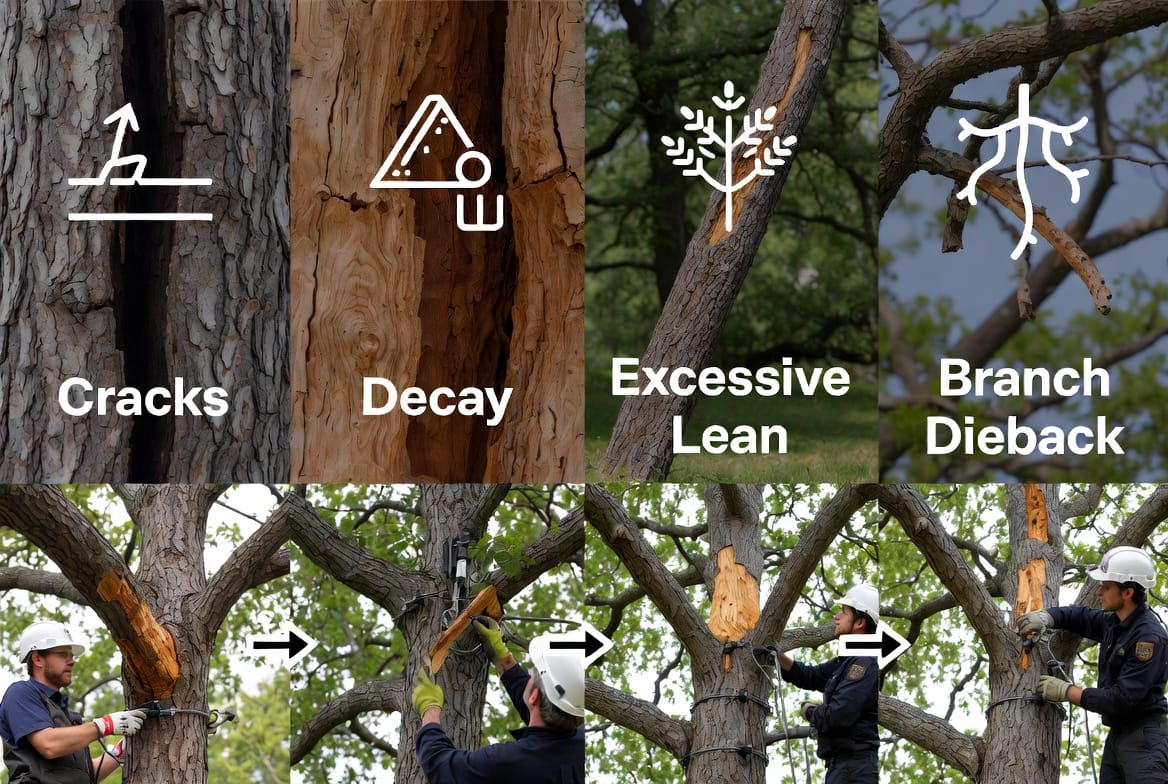
- Cracks that run parallel to the branch or appear as open seams at the branch collar. Even hairline fractures can signal internal separation.
- Decay visible as soft, spongy wood, fungal conks (mushrooms or brackets) on the bark, or cavities where wood has already been lost.
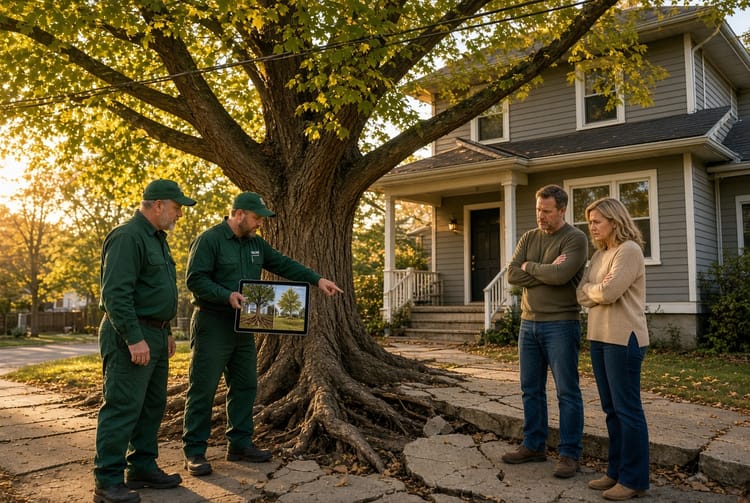
- Excessive lean of a major limb away from the trunk’s natural balance point, often accompanied by soil heaving or root plate movement.
- Branch dieback, characterized by dead twigs, sparse foliage, or sudden leaf drop on one side of the canopy while the rest of the tree remains healthy.
Any combination of these signs elevates risk dramatically. A branch that simultaneously shows cracks and decay, for example, should be treated as an immediate hazard.
Proven Prevention Strategies: Pruning and Cabling
Once risk factors and warning signs are identified, targeted prevention measures restore safety and extend the tree’s useful life. Two complementary approaches dominate modern arboriculture: strategic pruning and supportive cabling.
Strategic Pruning for Structural Integrity
Proper pruning is the single most effective long-term defense against limb breakage. Certified arborists follow industry standards that prioritize the tree’s natural architecture while removing high-risk wood. Key techniques include:
- Crown thinning to reduce wind sail and overall canopy weight without creating large wounds.
- Reduction cuts that shorten overextended limbs back to strong lateral branches, thereby decreasing leverage on weak unions.
- Removal of competing leaders that form included-bark crotches, performed while the stems are still young and the wound is small.
- Deadwood elimination that eliminates decayed or dying branches before they become projectiles in storms.
Timing matters. Late winter or early spring pruning, when the tree is dormant, minimizes stress and allows rapid wound closure. Summer pruning may be appropriate for light corrective work, but heavy reduction is best avoided during periods of active growth or drought stress.
Homeowners should never attempt large-limb removal themselves. Climbing, rigging, and the use of chainsaws near power lines require specialized training and insurance. Professional crews arrive with aerial lifts, ropes, and protective equipment that keep both the workers and the property safe.
Cabling and Bracing for Additional Support
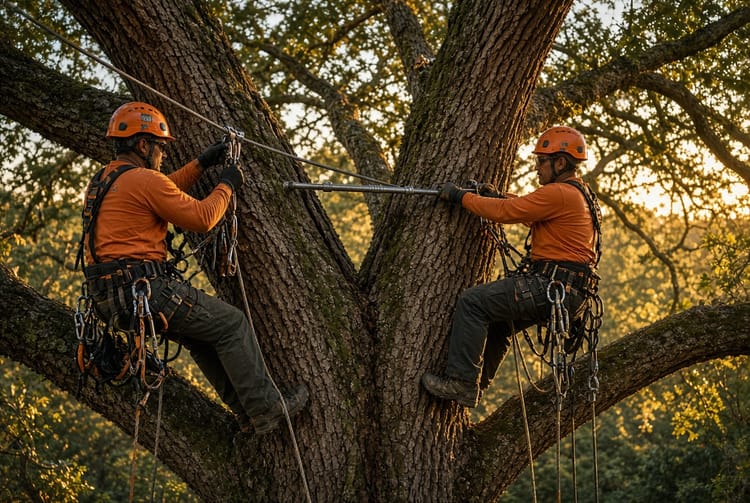
When a valuable tree already possesses structural weaknesses that cannot be fully corrected by pruning, cabling provides an engineered safety net. High-strength steel or synthetic cables are installed in the upper canopy to limit movement between co-dominant stems. The cables absorb dynamic loads during high winds, preventing the sudden separation of weak unions.
In more advanced cases, rigid bracing with threaded rods may be added through the trunk or major limbs to reinforce included-bark junctions. Both systems are designed to be as unobtrusive as possible and are inspected annually to ensure continued effectiveness.
Cabling is not a permanent fix; it is a management tool that buys time while the tree continues to grow and while regular monitoring continues. Combined with ongoing pruning, cabling has prevented countless failures in heritage trees that would otherwise have required complete removal.
Additional Safety Practices That Protect People and Property
Beyond pruning and cabling, several practical habits further reduce the likelihood of branch failure:
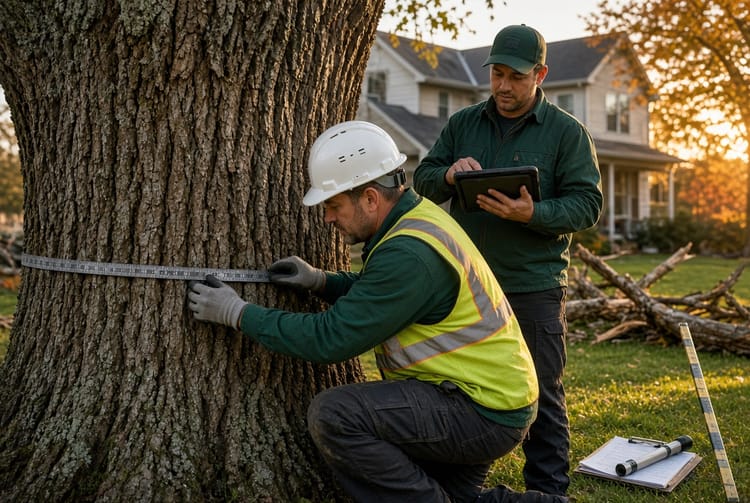
- Schedule a professional tree risk assessment every three to five years, or immediately after severe weather.
- Maintain adequate clearance between limbs and roofs, power lines, and walkways.
- Avoid soil compaction and grade changes within the root zone, as these stresses can accelerate decline in the canopy.
- Water deeply during prolonged dry periods to keep wood flexible and reduce internal cracking.
- Never top a tree. Topping creates multiple weak sprouts that are highly prone to future breakage.
Property owners who implement these measures consistently report fewer emergency calls and lower long-term maintenance costs.
Why Professional Intervention Matters
Amateur attempts to address failing limbs often create new hazards. Improper cuts invite decay, leave dangerous hangers, or damage the remaining structure. Licensed, insured arborists bring diagnostic tools—resistograph drills, sonic tomography, and climbing expertise—that reveal internal defects invisible to the naked eye. Their recommendations are grounded in current best practices and local climate considerations, ensuring that every intervention is both effective and conservative of the tree’s health.
Building a Culture of Proactive Tree Care
Safe landscapes begin with informed owners and skilled professionals working together. By understanding the factors that cause limb breakage, monitoring for early signs, and applying targeted pruning and cabling, property managers eliminate the majority of preventable failures. Trees remain valuable assets—providing shade, wildlife habitat, and aesthetic beauty—rather than sources of liability.
Regular investment in structural maintenance pays dividends in reduced insurance claims, preserved property values, and, most importantly, the peace of mind that comes from knowing the canopy overhead is secure. Prevent branch failures before they happen.
Call for Expert Pruning to Prevent Branch Failure