The Tree Propagation: Growing New Trees from Cuttings
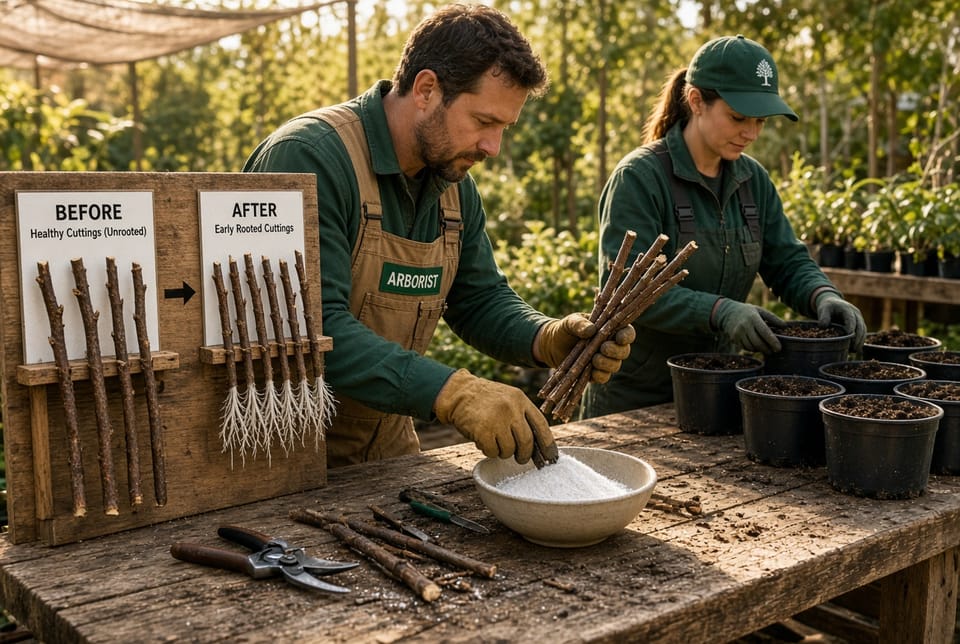
Propagating trees from cuttings stands as one of the most rewarding and environmentally responsible methods available to homeowners, gardeners, and professional tree care specialists today. In an era when deforestation and urban development place increasing pressure on natural landscapes, tree propagation from cuttings offers a practical path toward sustainability. By taking a healthy branch from an existing tree and encouraging it to develop its own root system, you can create an entirely new tree without the need to purchase nursery stock or disturb established ecosystems. This approach conserves resources, reduces waste, and allows you to expand your landscape with genetically identical specimens that already thrive in your local climate.
Get Professional Help Growing Trees from Cuttings – Call Now
The process is accessible yet requires careful attention to detail. Success depends on three core elements: selecting the right material, applying the proper treatments, and maintaining ideal growing conditions. When these steps are followed with patience and consistency, the results can be remarkable. New trees grown from cuttings often establish faster than those raised from seed, and they preserve the exact characteristics of the parent plant—an important advantage for ornamental or fruit-bearing varieties.
This comprehensive guide walks you through every stage of growing new trees from cuttings, highlights the species that respond best to the technique, and provides clear aftercare instructions so your young trees can flourish for decades. Whether you manage a backyard garden or oversee larger properties, the methods outlined here support both personal satisfaction and broader environmental goals.
Why Tree Propagation from Cuttings Supports True Sustainability
Sustainability in tree care means meeting present needs without compromising the ability of future generations to enjoy healthy forests and urban canopies. Traditional tree planting often relies on container-grown stock shipped long distances, consuming fuel and packaging materials. In contrast, propagation from cuttings uses material already present on site. A single mature tree can supply dozens of cuttings, each capable of becoming a full-sized specimen. This multiplies canopy cover while minimizing external inputs.
Beyond resource efficiency, cuttings help preserve desirable traits. A willow that has proven drought-tolerant or a fig that produces superior fruit can be replicated exactly. Over time, neighborhoods and parks gain resilient plantings adapted to local soils and weather patterns. Professional tree care teams frequently employ this technique during pruning seasons, transforming material that might otherwise be discarded into valuable new trees. The practice also reduces pressure on wild seed sources and supports biodiversity by keeping proven genetics in circulation.
When communities embrace tree propagation, the cumulative effect is measurable: more shade, improved air quality, better stormwater management, and stronger emotional connections between people and the living landscape around them. The process is quiet, low-impact, and deeply satisfying—qualities that align perfectly with long-term environmental stewardship.
Selecting Healthy Branches: The Foundation of Successful Propagation
Every successful cutting begins with careful selection. Look for branches that are vigorous, disease-free, and of the correct maturity. Softwood cuttings, taken from new growth in late spring or early summer, root most readily for many species. Semi-hardwood cuttings collected in mid-to-late summer offer a good balance of flexibility and firmness. Hardwood cuttings, harvested during dormancy in late fall or winter, suit certain deciduous trees exceptionally well.
Inspect each potential cutting for these qualities:
- Smooth, unblemished bark free of cracks or cankers
- Plump, healthy buds spaced evenly along the stem
- No signs of insect damage or fungal infection
- A diameter roughly the thickness of a pencil for most species
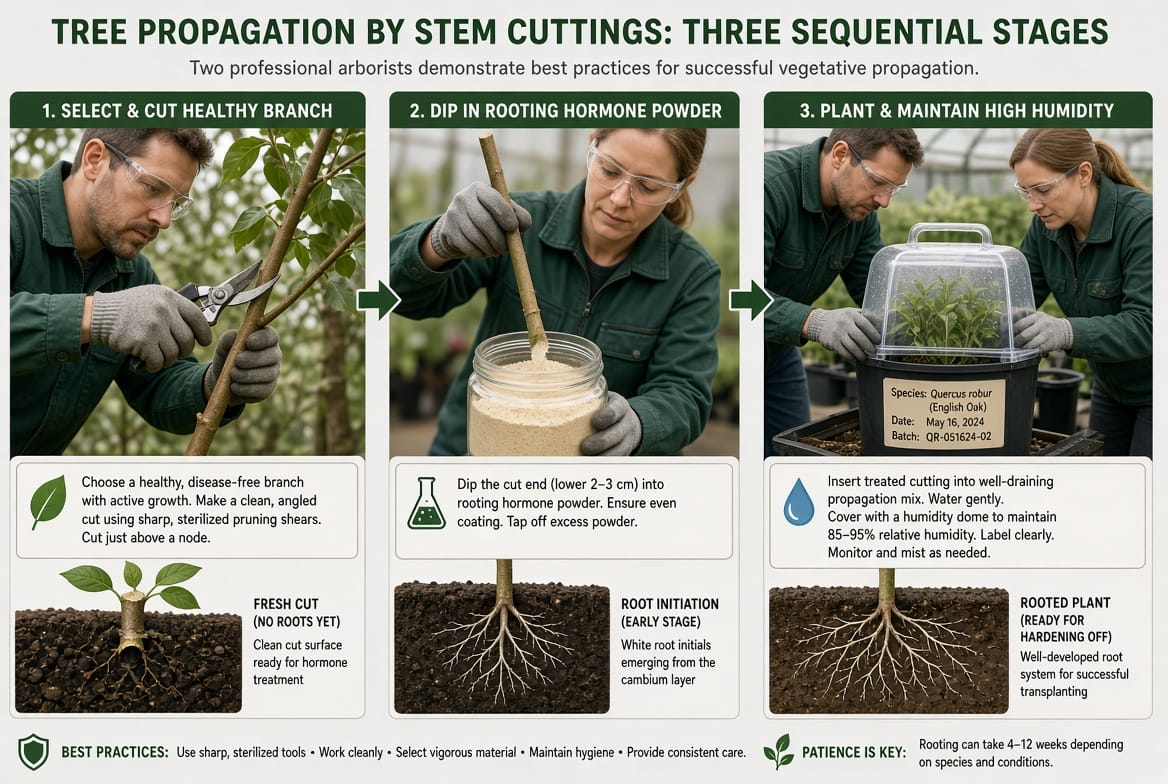
Use sharp, sterilized pruning shears to make clean cuts. Take sections six to twelve inches long, ensuring each piece contains at least two or three nodes—the points where leaves or buds emerge. Remove any flowers or fruit, as these divert energy away from root formation. Label each cutting immediately so you remember its parent tree and collection date. Working in the cool morning hours helps keep the material hydrated and reduces stress.
By starting with superior branches, you dramatically increase the likelihood that roots will form quickly and strongly. This single preparatory step sets the tone for everything that follows and reflects the professional standards expected in high-quality tree care.
Using Rooting Hormone to Encourage Strong Root Development
Once cuttings are prepared, the application of rooting hormone becomes the next critical action. These products contain synthetic or natural plant hormones that stimulate cell division at the cut end, accelerating the formation of roots. Both powder and gel formulations are widely available; powders are often preferred for their ease of use and long shelf life.
To apply:
- Moisten the basal inch of the cutting slightly if using powder
- Dip the end into the hormone, coating it evenly
- Tap gently to remove excess so the concentration remains appropriate
- Insert the treated cutting into prepared medium without delay
Avoid over-application, which can inhibit rather than promote rooting. Always follow the product label for concentration guidelines matched to the type of cutting. For species known to root readily, a light dusting may suffice; more stubborn varieties benefit from a slightly stronger treatment. Keep hormone containers tightly sealed and stored in a cool, dry place to maintain potency.
This simple treatment bridges the gap between a detached branch and a living, independent tree. When combined with proper moisture and temperature, rooting hormone transforms the odds of success from uncertain to highly reliable.
Providing Proper Conditions for Reliable Rooting
After treatment, the cuttings must receive consistent environmental support. The ideal medium is a sterile, well-draining mix such as equal parts perlite and peat or a commercial propagation blend. Fill clean pots or trays, water thoroughly, and allow excess moisture to drain. Insert the cuttings deep enough that at least one node sits below the surface, then firm the medium gently around the stem.
Maintain high humidity by covering the containers with a clear plastic dome or placing them inside a simple humidity tent. Bright, indirect light is essential—direct sun can overheat the enclosure and stress the cuttings. Aim for temperatures between 65°F and 75°F. Check moisture daily; the medium should feel evenly damp but never waterlogged. Mist the foliage lightly if leaves begin to wilt.
Within two to eight weeks, depending on the species and season, roots will begin to form. Gentle resistance when the cutting is lightly tugged indicates success. At that point, gradually acclimate the new plants to lower humidity over several days before moving them into individual pots with standard potting soil. Patience during this phase prevents setbacks and ensures the young trees develop robust root systems capable of supporting future growth.
Species That Propagate Especially Well: Willows, Figs, and Poplars
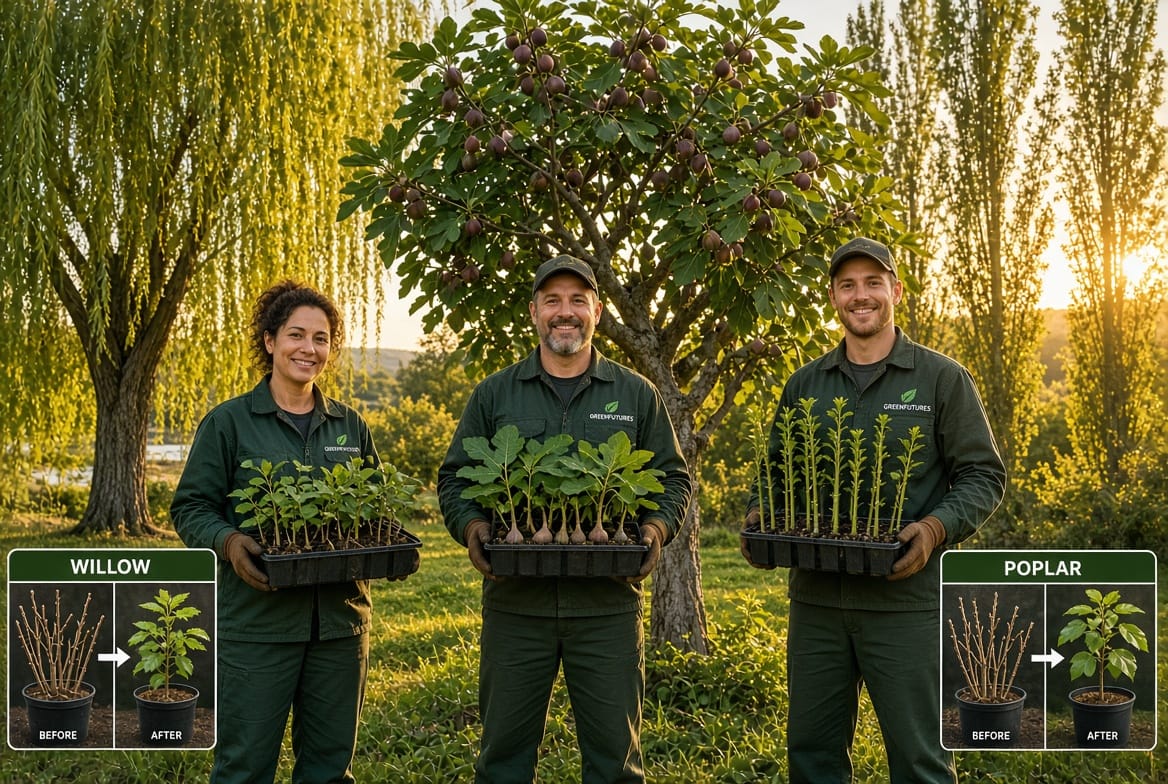
Certain trees respond so readily to cuttings that they have become favorites among both amateurs and professionals. Willows, figs, and poplars stand out for their reliability and speed of rooting.
Willows are legendary for their ability to root even from simple water-placed stems. Their softwood and hardwood cuttings form roots within days under favorable conditions. The resulting trees grow rapidly, provide excellent erosion control along waterways, and offer graceful form in landscape settings.
Figs produce vigorous roots from semi-hardwood cuttings taken in summer. Home growers appreciate the chance to multiply productive fruiting varieties without purchasing expensive nursery plants. Proper humidity and warmth yield high success rates, and the new trees often bear fruit within a few seasons.
Poplars root easily from both softwood and hardwood material. Their fast growth makes them valuable for windbreaks, privacy screens, and reforestation projects. Because many poplars hybridize freely, cuttings guarantee the exact clone desired for timber or ornamental use.
These three groups illustrate the broad potential of the technique. While other species can also be propagated successfully with extra care, willows, figs, and poplars deliver consistent results that build confidence and encourage further experimentation.
Essential Care for Newly Propagated Trees
Once roots have formed and the young trees are potted individually, attentive aftercare determines long-term success. Place the containers in a sheltered location with filtered sunlight for the first few weeks. Water regularly so the soil remains consistently moist but never saturated. A diluted balanced fertilizer applied every two to three weeks supports steady growth without risk of burn.
Monitor for pests and diseases. Young cuttings can be vulnerable to aphids or fungal issues if humidity remains too high after rooting. Good air circulation and prompt removal of any affected leaves keep problems in check. As the trees grow taller, stake them gently if needed to encourage upright form.
In late fall, protect container-grown specimens from freezing temperatures by moving them to an unheated garage or cold frame, or by insulating the pots. The following spring, most trees will be ready for permanent planting. Dig a hole twice as wide as the root ball, backfill with native soil amended lightly with compost, and water deeply. Apply a two-to-three-inch layer of organic mulch, keeping it away from the trunk to prevent rot.
Ongoing care includes annual structural pruning to develop strong branch architecture, deep watering during dry spells, and periodic soil testing to maintain optimal nutrient levels. With this foundation, trees started from cuttings can match or exceed the performance of conventionally grown stock.
Common Challenges and How to Overcome Them
Even with careful technique, occasional difficulties arise. Cuttings that fail to root often suffered from excessive dryness, overly wet medium, or insufficient light. Adjusting humidity and moisture levels usually resolves the issue for the next batch. Fungal growth on stems signals the need for better air movement and sterile tools. If leaves yellow prematurely, check for nutrient deficiencies or temperature extremes.
Patience remains the most valuable tool. Some species simply require longer periods before roots appear. Keeping detailed records of dates, conditions, and outcomes helps refine future attempts and builds expertise over time. Professional guidance can further reduce trial and error, especially when working with less common varieties or large-scale plantings.
Expanding Your Landscape Through Thoughtful Propagation
The ability to grow new trees from cuttings empowers property owners and communities to shape their environments deliberately. A single successful willow cutting can eventually stabilize a streambank. A fig cutting can supply fresh fruit for years. A poplar cutting can form the backbone of a living privacy screen. Each new tree contributes to cleaner air, cooler microclimates, and richer wildlife habitat.
By integrating propagation into regular tree care routines, you transform pruning debris into living assets. The practice reinforces a mindset of renewal rather than replacement, aligning daily actions with long-term ecological health. Over seasons and decades, the cumulative impact becomes visible in fuller canopies, stronger root systems, and landscapes that feel both intentional and enduring.
Transform Cuttings into Thriving Trees – Call for Guidance