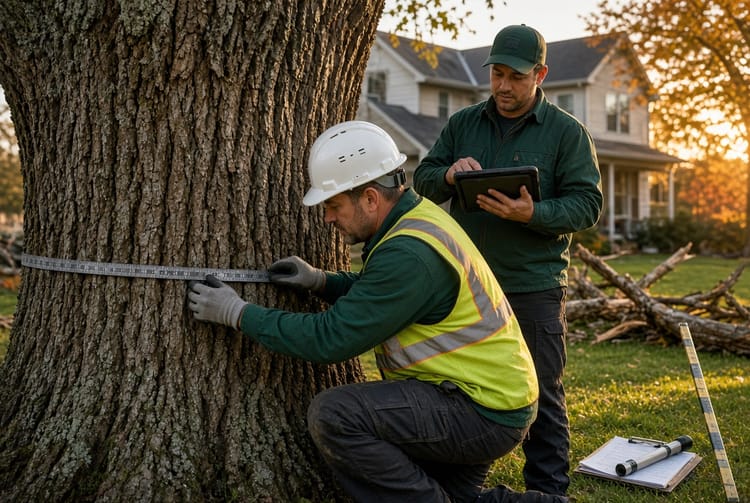
The Tree Pollarding: Ancient Technique for Size Control
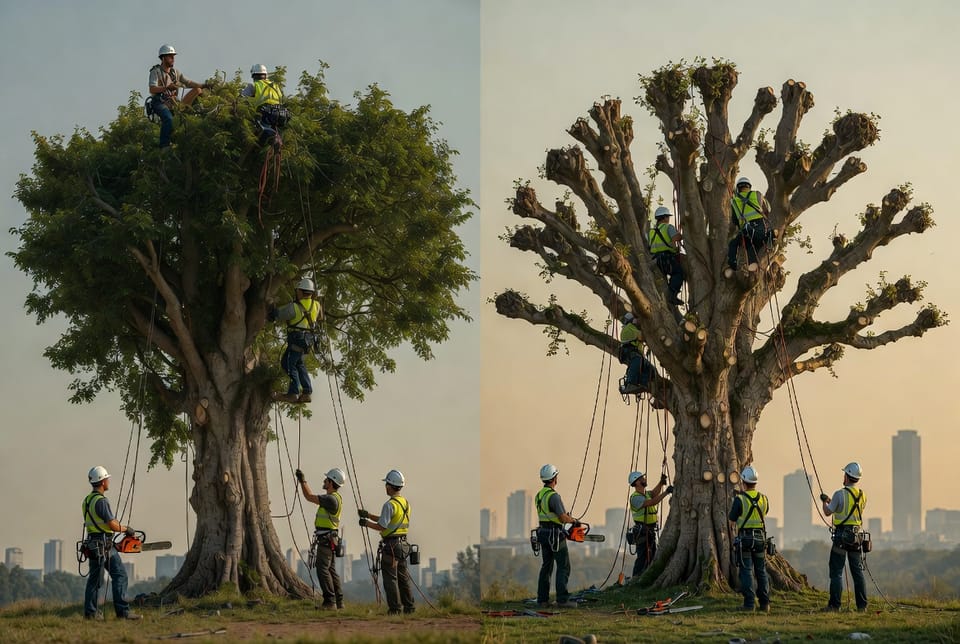
Tree owners and landscape managers frequently face the challenge of keeping large specimens within safe, manageable boundaries without sacrificing health or beauty. Pollarding offers a time-tested solution that has shaped city streets, estates, and rural landscapes for centuries. This specialized pruning method systematically reduces crown size while encouraging a distinctive, resilient growth pattern. When performed correctly by trained professionals, it delivers lasting size control, enhances structural integrity, and creates an unmistakable architectural form that few other techniques can match.
Get Expert Tree Pollarding for Precise Size Control – Call Now!
Understanding the Core of Pollarding
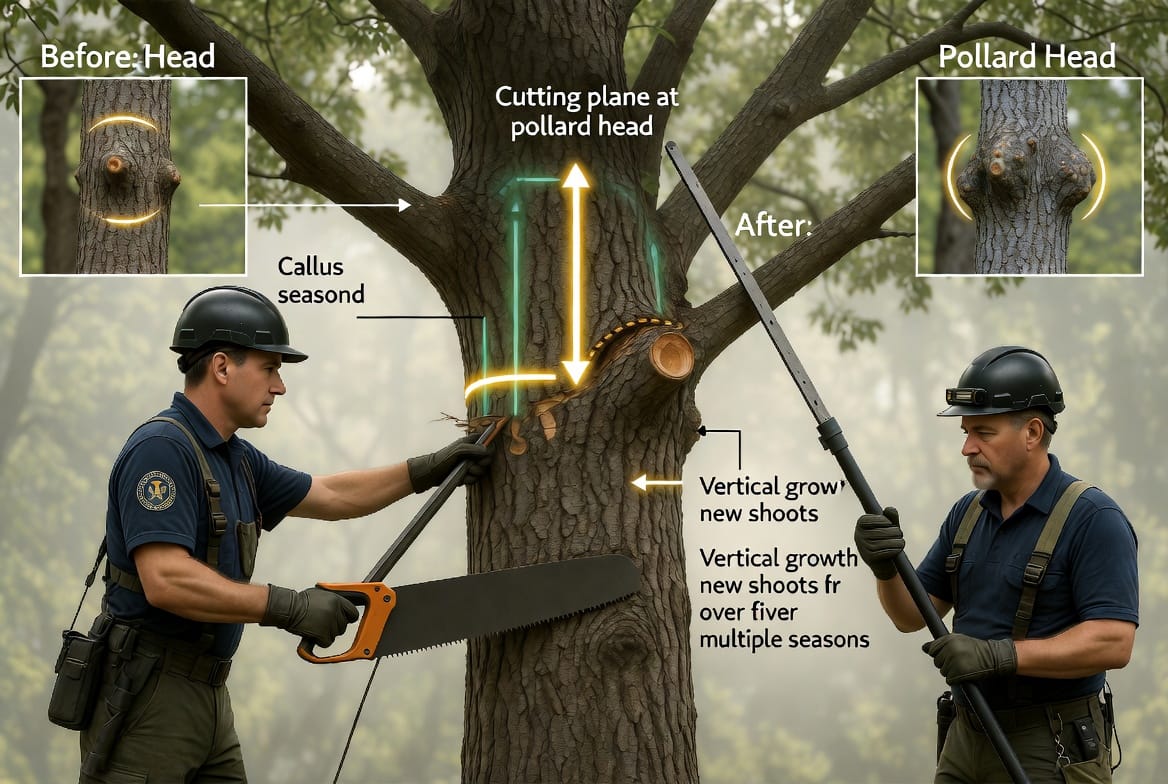
At its essence, pollarding involves cutting the upper branches of a tree back to the same points on the trunk or main scaffold limbs year after year. Over successive seasons these repeated cuts form a swollen, knobby structure known as the pollard head. From this head, vigorous new shoots emerge each growing season. The cycle of growth and controlled removal keeps the overall height and spread of the canopy consistently limited.
Unlike standard crown reduction or topping—which can leave large wounds and invite decay—pollarding concentrates all regrowth at predetermined, well-established points. The tree responds by producing a dense flush of young stems that can be harvested or shortened on a regular schedule. The result is a compact, almost sculptural silhouette that remains stable even in confined urban spaces or beneath overhead utilities.
The practice is ancient. Historical records show its use across Europe for producing durable poles, animal fodder, and firewood while maintaining living trees indefinitely. Modern applications focus more on size control, safety, and aesthetics, yet the biological response remains identical: the tree channels energy into the pollard head rather than unrestricted upward expansion.
Why Pollarding Remains a Valued Technique
Several practical advantages explain the continued relevance of this method:
- Reliable size management – Once the framework is established, annual or biennial cuts prevent the canopy from exceeding predetermined dimensions.
- Unique visual character – The knobby heads and seasonal flush of new growth create an iconic form prized in formal landscapes and historic districts.
- Enhanced structural resilience – Young shoots arising from mature wood are flexible yet strong, reducing the risk of large limb failure in storms.
- Habitat and biodiversity support – Dense regrowth offers nesting sites and foraging opportunities for birds and insects.
- Long-term cost efficiency – After the initial establishment phase, maintenance intervals become predictable and focused.
These benefits appear only when the technique is applied to suitable species and executed with precision. Incorrect timing, improper cut placement, or use on intolerant trees can stress the specimen and invite secondary problems. That is why professional assessment remains essential.
Selecting the Right Trees and Timing
Not every species tolerates the repeated severe pruning that defines pollarding. Success depends on trees that possess strong epicormic bud capacity and rapid wound-compartmentalization ability. Classic candidates include:
- Willows (Salix species) – exceptionally responsive and traditionally pollarded for basket materials and biomass.
- London plane trees (Platanus × acerifolia) – widely used along city avenues for their tolerance of compacted soils and pollution.
- Lindens or lime trees (Tilia species) – valued for dense regrowth and fragrant summer foliage.
Other moderately suitable options include certain poplars, mulberries, and some oaks when cultural conditions are ideal. Species with poor compartmentalization, such as many maples or beeches, generally respond poorly and should be managed with gentler methods.
Timing is equally critical. The preferred window falls during late winter or early spring while the tree remains dormant. Cuts made then minimize sap loss and allow the new flush to harden before the following winter. In warmer climates a carefully timed summer cut may be used to reduce vigor, but only under expert supervision. Removing the current season’s growth too late risks winter dieback of tender shoots.
Establishing and Maintaining a Pollard Head
Creating a new pollard head begins with selecting primary scaffold limbs at the desired final height—typically between eight and fifteen feet above ground, depending on site constraints. Each limb is reduced to a short stub that will become the foundation of the head. Subsequent cycles involve removing all new growth back to this same point, allowing a swollen callus to develop over years.
Once established, maintenance follows a consistent rhythm:
- Inspect the head annually for signs of decay or weak attachments.
- Remove the entire previous season’s shoots cleanly, avoiding flush cuts that damage the collar.
- Monitor overall tree vigor; adjust frequency if growth becomes excessive or sparse.
- Address any competing lower branches that could compromise the formal silhouette.
Throughout the process, the arborist prioritizes tree health. Large wounds are minimized, tools are sterilized between cuts, and the surrounding root zone receives adequate water and mulch. When these standards are observed, a pollarded tree can thrive for decades, even centuries, while remaining safely within its allotted space.
Addressing Common Concerns and Risks
Prospective clients often worry about the severity of the cuts. It is important to distinguish pollarding from harmful topping. Topping removes large limbs indiscriminately, leaving stubs that decay and produce weakly attached sprouts. Pollarding, by contrast, works exclusively with the same established points, allowing the tree to form protective barriers around each cut. The risk of structural failure actually decreases once the system matures.
Other potential issues include:
- Delayed establishment – Newly pollarded trees may require two to three seasons before the characteristic head fully develops.
- Temporary aesthetic change – Immediately after cutting, the tree appears stark; the subsequent flush of growth quickly restores visual interest.
- Species mismatch – Attempting the technique on intolerant trees can lead to dieback or decline.
- Neglect of the cycle – Skipping scheduled cuts allows shoots to become large and heavy, increasing the chance of breakage.
Professional guidance eliminates most of these concerns. A qualified team evaluates soil conditions, existing structure, surrounding infrastructure, and long-term goals before any saw is applied. They also provide a clear maintenance calendar so the owner understands exactly what to expect.
Integrating Pollarding into Modern Landscapes
Contemporary uses extend far beyond historic estates. Urban foresters rely on pollarding to keep street trees clear of power lines and building façades. Parks departments employ it to create formal alleys or to manage specimens in high-traffic zones where falling limbs pose liability. Private homeowners choose the method for courtyard trees, specimen willows beside water features, or plane trees that must remain under strict height restrictions.
The technique pairs well with other sustainable practices. The harvested young stems can be chipped for mulch, used in craft projects, or left in designated habitat piles. Because the root system remains largely undisturbed, soil stability and carbon sequestration continue uninterrupted. In regions facing drought or climate stress, the reduced canopy also lowers overall water demand.
Long-Term Care and Professional Partnership
Successful pollarding is never a one-time event. It is a partnership between the tree, the site, and skilled caretakers. Annual inspections catch early signs of stress, insect activity, or structural change. Soil testing and targeted fertilization keep the tree vigorous enough to produce healthy regrowth without excessive vigor that would require more frequent intervention.
When the time comes to expand or modify an existing pollard framework—perhaps to raise clearance or reshape for new construction—experienced hands make the transition seamless. They understand how to transition a mature head to a new set of points without shocking the tree. They also know when a specimen has reached the end of its useful pollarded life and can recommend sensitive removal or replacement strategies.
Final Perspective on This Specialized Method
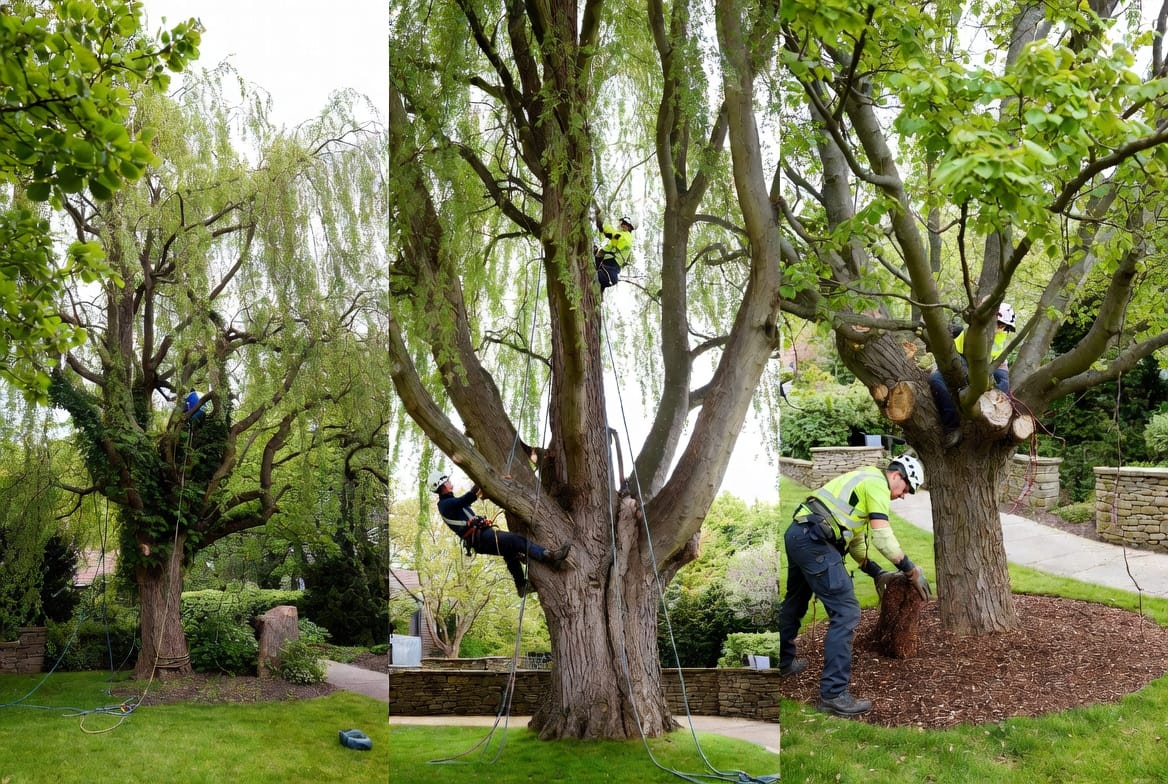
Pollarding stands apart from routine pruning because it deliberately shapes both the biology and the appearance of the tree over many years. It rewards patience, precision, and species knowledge with a living structure that remains compact, safe, and visually compelling. Whether the goal is protecting infrastructure, preserving historic character, or simply keeping a beloved tree within the scale of a small garden, the method offers a proven pathway.
Homeowners and property managers who recognize the value of controlled growth gain more than just a smaller canopy. They inherit a tradition of thoughtful stewardship that has sustained trees across generations. When questions arise about suitability, timing, or long-term planning, the safest course is to consult specialists who perform the work daily.
Call Today for Professional Pollarding & Safe Tree Management