The Tree Frost Crack: Winter Damage and Treatment
Winter brings beauty to our landscapes but also hidden dangers to our trees. Frost cracks represent one of the most common yet often misunderstood forms of seasonal tree injury. As temperatures plummet, the internal moisture within tree trunks can freeze and expand, creating stress that leads to visible structural damage. Understanding these cracks is essential for homeowners who want to protect their valuable landscape investments.
Call Now for Expert Frost Crack Assessment
At our professional tree service, we’ve helped countless property owners navigate winter tree damage. This comprehensive guide explores everything you need to know about frost cracks—from identification to effective treatment strategies. Whether you’re dealing with an existing issue or preparing for future seasons, timely action can make all the difference.
Understanding Frost Cracks in Trees
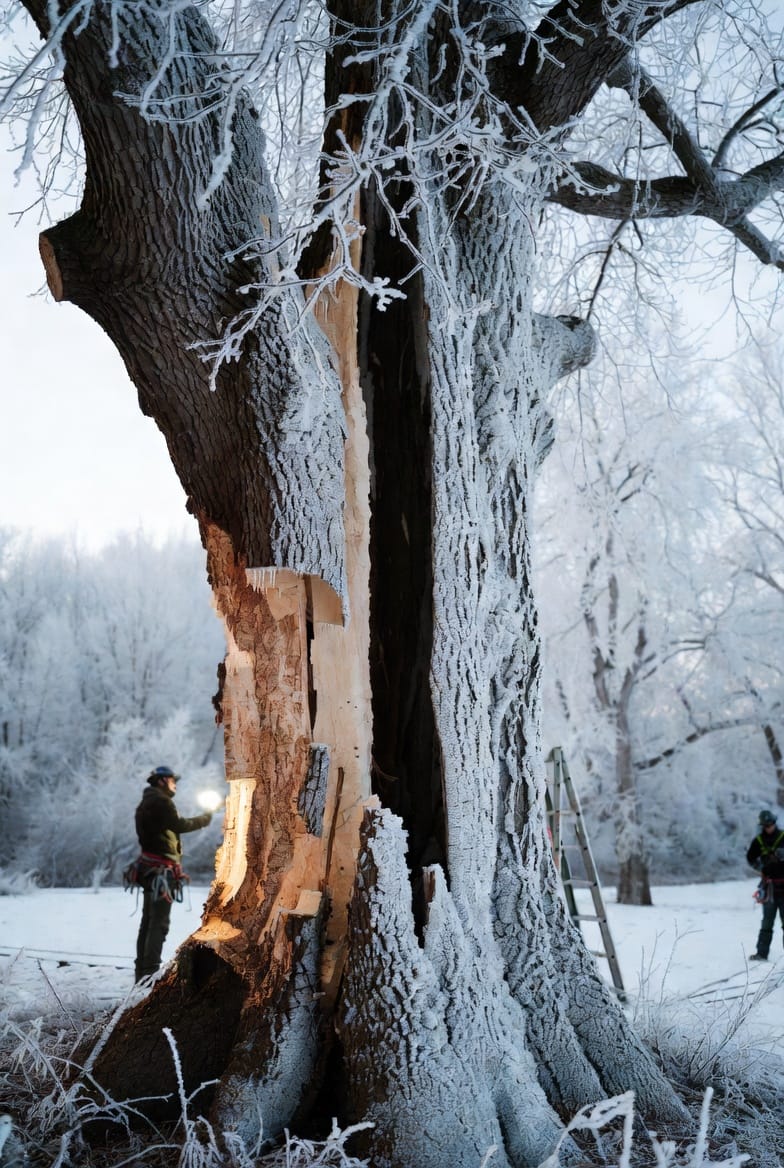
Frost cracks, also known as frost splits, are vertical separations in the bark and underlying wood caused by extreme cold. These cracks typically run lengthwise along the trunk and form when the tree’s outer layers contract rapidly while the inner core remains warmer or freezes at a different rate.
Unlike mechanical damage from storms or equipment, frost cracks develop gradually during prolonged freezing periods. They most frequently appear on the south or southwest side of the tree, where sunlight causes uneven thawing and refreezing cycles throughout the day.
Key characteristics include:
- Long, narrow vertical splits that may span several feet
- Exposed wood or inner bark visible within the crack
- Possible oozing sap or dark staining around the edges
- Formation of callus tissue as the tree attempts natural healing
These injuries are particularly common in thin-barked species such as maples, oaks, lindens, and fruit trees. Mature trees with larger diameters face higher risk due to greater temperature differentials between their sunny and shaded sides.
How Frost Cracks Form: The Science Behind Winter Damage
Rapid temperature fluctuations are the primary culprit. During cold nights, sap and cellular water freeze and expand. As daytime sun warms one side of the trunk, differential expansion creates tremendous internal pressure—sometimes exceeding the bark’s tensile strength.
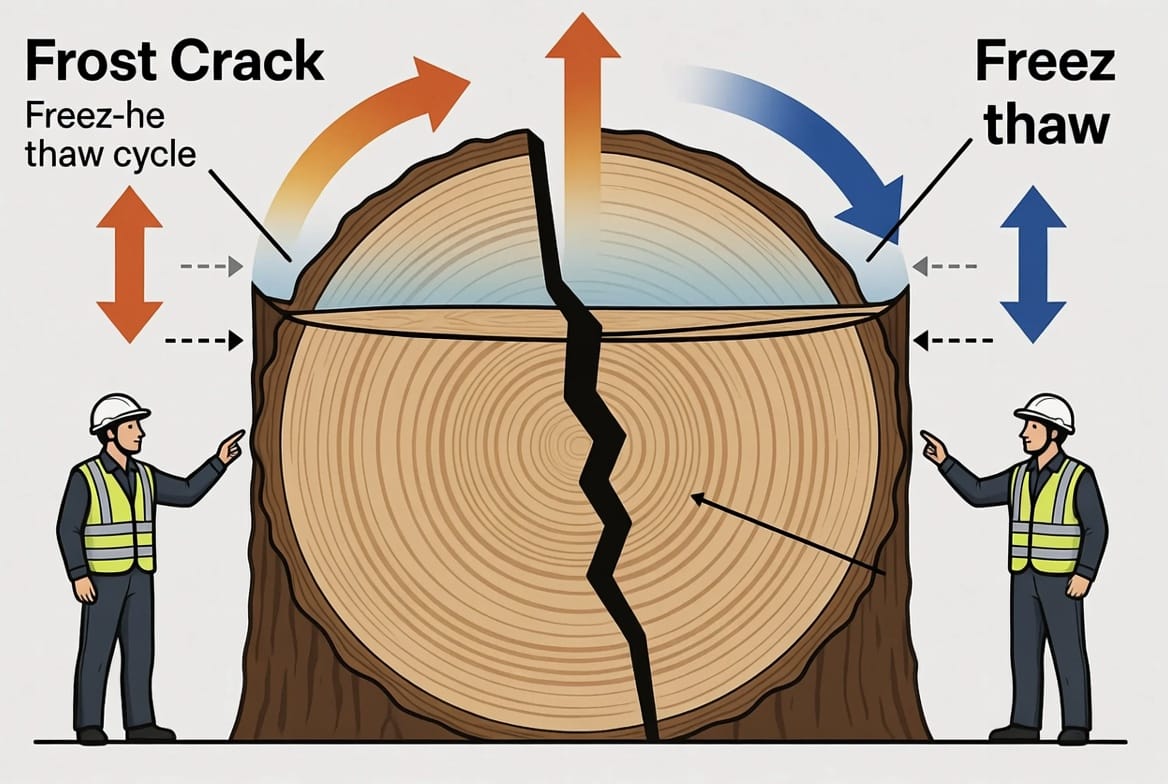
This process repeats over multiple freeze-thaw cycles, weakening the trunk’s integrity. Trees under additional stress—such as those with compacted soil, poor drainage, or recent transplanting—show increased vulnerability.
Recognizing the Signs of Frost Crack Damage
Early detection plays a crucial role in successful management. Look for these warning signs during your winter and early spring inspections:
- Long vertical cracks appearing suddenly after severe cold snaps
- Cracks predominantly located on the south-facing side of the trunk
- Oozing sap or wet discoloration along the split
- Formation of raised callus ridges around crack edges as healing begins
- Secondary issues like insect activity or fungal growth within the opening
- Reduced canopy density or branch dieback in subsequent seasons
If you notice any of these indicators, don’t panic. Many trees demonstrate remarkable resilience and can compartmentalize the damage over time.
Professional Assessment and Diagnosis
While some frost cracks remain superficial, others compromise the tree’s structural stability. Our certified arborists use specialized tools and techniques to evaluate damage depth and extent.
Diagnostic steps include:
- Visual inspection of crack length, width, and location
- Probing to determine penetration into heartwood
- Assessment of overall tree vigor and root health
- Monitoring for progressive worsening over multiple seasons
Remember: Accurate diagnosis prevents unnecessary worry or premature removal. Many trees recover fully with proper monitoring and care.
Treatment Options for Frost Cracked Trees
The good news? Most frost cracks do not require immediate intervention. Trees naturally defend themselves through compartmentalization, sealing off damaged areas to prevent decay spread.
Monitoring and Supportive Care
For minor cracks:
- Avoid painting or sealing the wound (this can trap moisture and promote decay)
- Maintain consistent watering during dry periods
- Apply organic mulch around the base to regulate soil temperature
- Fertilize appropriately in spring to boost recovery
Advanced Interventions
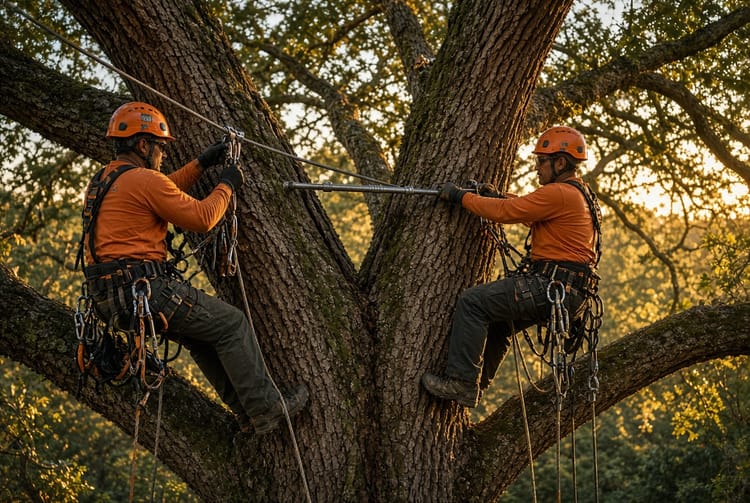
In moderate cases, professional cabling or bracing may provide structural support while healing progresses. Our team carefully installs non-invasive systems that allow natural movement while reducing stress on the damaged area.
Severe cases where cracks extend deep into the trunk or compromise more than 25% of the circumference may eventually require tree removal for safety reasons. We prioritize preservation whenever possible.
When Frost Cracks Become Fatal: Knowing the Difference
While reassuring to know many trees heal successfully, certain situations demand prompt action:
- Cracks that widen significantly year after year
- Evidence of extensive internal decay or hollowing
- Multiple cracks compromising stability
- Safety hazards near structures, power lines, or high-traffic areas
- Declining overall tree health with extensive canopy loss
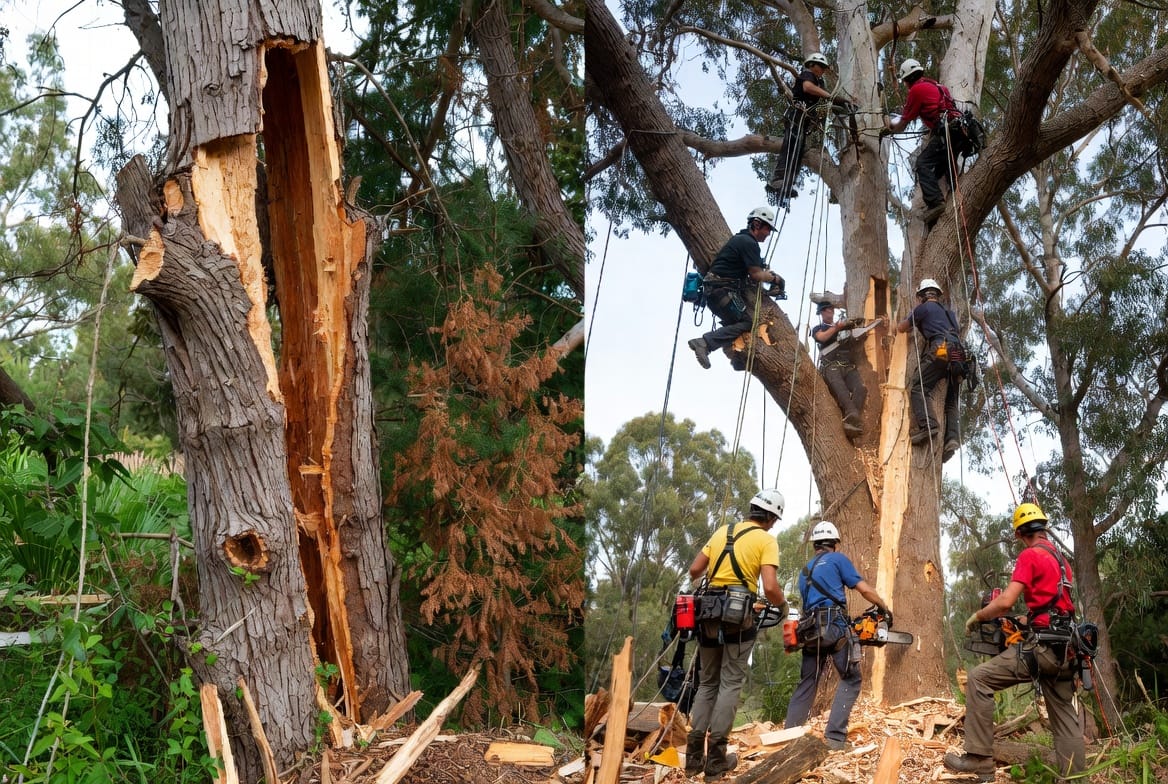
Our experienced crews provide safe, efficient removal when necessary, followed by recommendations for suitable replacement species better adapted to local climate conditions.
Prevention Strategies for Healthy Trees
Protecting your trees from future frost cracks involves proactive care:
- Select appropriate species for your hardiness zone
- Ensure proper planting depth and location with adequate spacing
- Maintain excellent soil health through regular testing and amendment
- Schedule annual professional inspections
- Consider protective trunk wraps on young or thin-barked trees during extreme winters
Consistent maintenance builds resilience against winter extremes and other seasonal stresses.
Long-Term Tree Health Management
Beyond immediate frost crack treatment, comprehensive tree care encompasses:
- Regular pruning to remove dead or weakened branches
- Integrated pest and disease management
- Root zone protection from construction activities
- Monitoring for secondary infections that often follow initial winter injuries
Trees represent significant investments in both monetary and emotional terms. Our team delivers authoritative, science-based solutions tailored to each unique property.
The Importance of Expert Intervention
DIY approaches to tree damage often lead to greater problems. Improper treatments can introduce pathogens or weaken the tree further. Professional arborists bring years of training, proper equipment, and insurance coverage that homeowners simply cannot match.
We’ve successfully treated thousands of winter-damaged trees across various landscapes. Our reassuring approach combines technical expertise with clear communication, ensuring you understand every step of the process.
Conclusion: Protecting Your Trees Through Every Season
Frost cracks can heal naturally or become fatal depending on their severity and the tree’s overall condition. Early identification and appropriate management maximize recovery chances while protecting your property and loved ones.
Don’t leave your valuable trees to chance after winter damage. Our certified team stands ready to evaluate your situation, provide expert recommendations, and deliver reliable tree care solutions you can trust.
Winter damage doesn’t have to mean the end of your beautiful landscape. With proper knowledge and timely professional intervention, your trees can thrive for decades to come.
Get Professional Frost Crack Treatment – Call Now