The Tree Fern Removal: Managing Invasive Fern Species
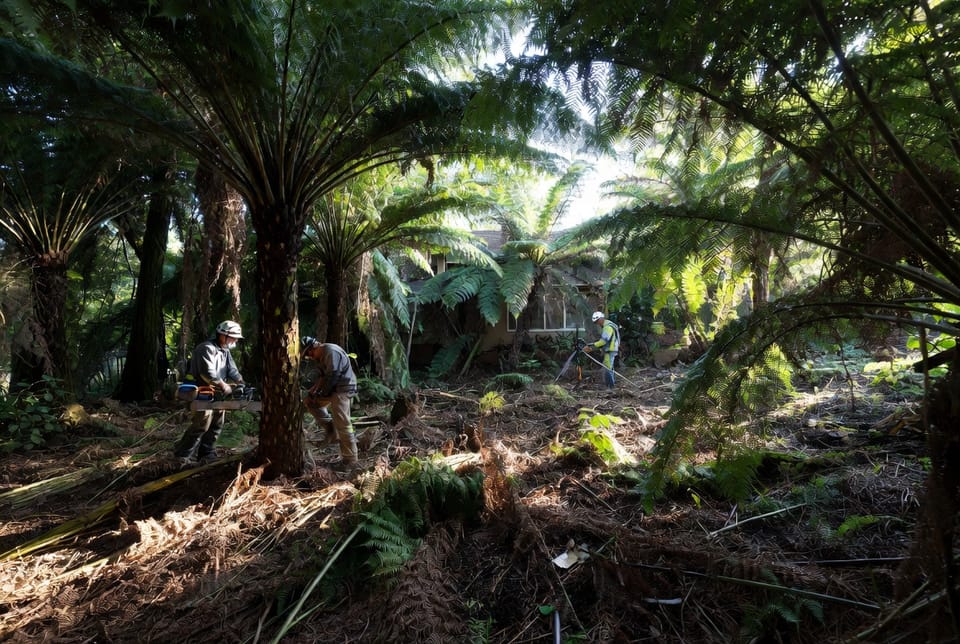
In the world of vegetation management, certain plants present unique challenges that go beyond standard tree care. Tree ferns, while often admired for their prehistoric beauty, can become highly problematic when they spread aggressively in non-native environments. This comprehensive guide explores everything you need to know about tree fern removal and effective strategies for managing these invasive fern species.
Expert Tree Fern Removal – Call Now for Free Consultation
Whether you're a homeowner noticing rapid encroachment on your property or a land manager concerned about ecological balance, understanding the behavior and control of tree ferns is essential for protecting your landscape.
Understanding Tree Ferns and Their Invasive Nature
Tree ferns are ancient plants belonging to the Cyatheales order, known for their tall, trunk-like structures topped with elegant, feathery fronds. Unlike typical flowering trees, these ferns reproduce via spores, allowing them to spread rapidly under favorable conditions.
In many regions, particularly in temperate and subtropical climates, certain species have escaped cultivation and become invasive. Their fast-growing habit allows them to establish quickly, often reaching heights of 10 to 20 feet or more within a few years.
Key characteristics that make them problematic include:
- Rapid spore dispersal carried by wind and water
- Shade tolerance enabling growth in various light conditions
- Resilient root systems that make complete removal difficult
- High moisture requirements thriving in disturbed or damp areas
These traits allow tree ferns to colonize areas quickly, transforming diverse ecosystems into monocultures where little else can survive.
Why Tree Fern Removal Is Essential
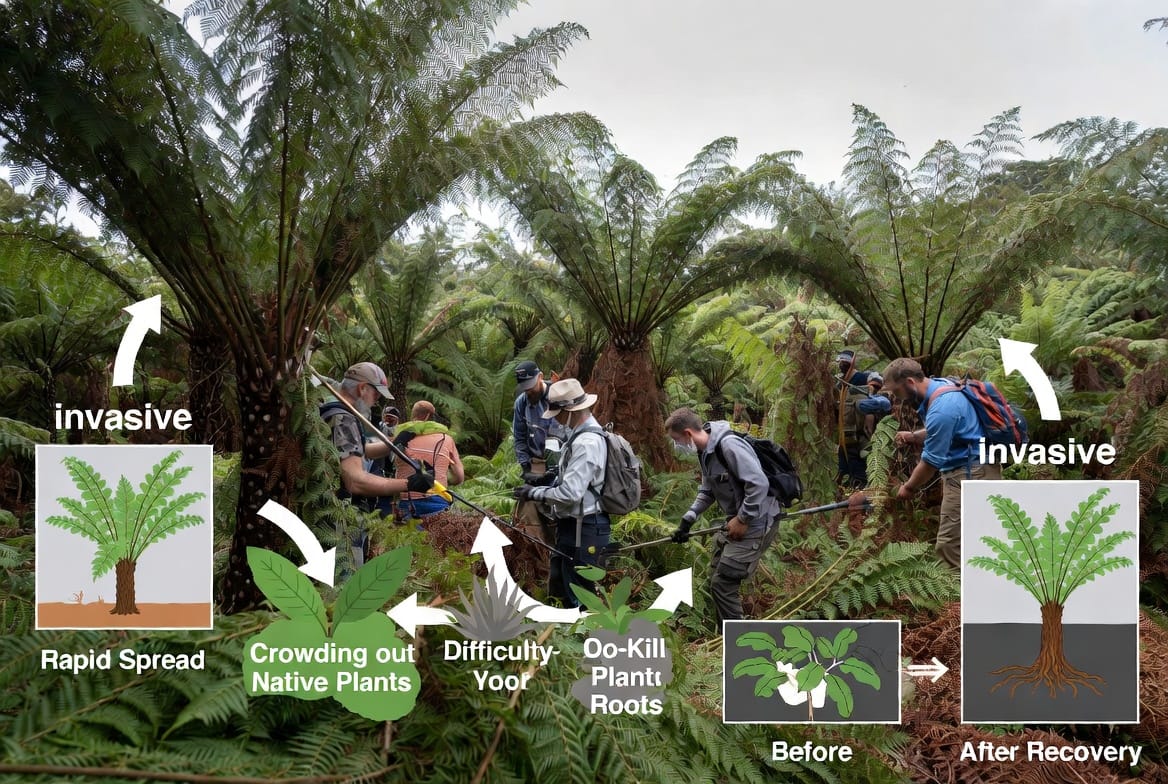
Left unchecked, invasive tree ferns create significant ecological and practical issues. Their dense growth crowds out native vegetation, reducing biodiversity and disrupting local wildlife habitats.
Major risks associated with unchecked tree fern spread:
- Habitat degradation: They form thick stands that prevent native seedlings from establishing
- Pest harboring: The moist environment under large fronds creates ideal conditions for insects, snails, and fungal pathogens
- Structural concerns: Heavy fronds and tall trunks can pose risks during storms, potentially damaging nearby structures or power lines
- Water competition: Their high moisture needs can strain local water resources in drier periods
Property owners often underestimate these issues until the ferns have taken over large areas. Early intervention through professional tree fern removal prevents small problems from becoming major expenses and ecological disasters.
Identifying Signs of Invasive Tree Fern Problems
Recognizing an invasion early makes management much more effective. Look for these warning signs:
- Dense clusters of young ferns appearing around mature specimens
- Native plants showing signs of stress or being completely overshadowed
- Rapid increase in height and trunk diameter within one growing season
- Large quantities of spores visible as brown dust on surrounding surfaces
- Difficulty maintaining other garden plants due to competition
Professional assessment is recommended when multiple signs appear together, as accurate identification ensures the right removal approach.
Safe and Effective Tree Fern Removal Methods
Successful tree fern removal requires careful planning to prevent regrowth from spores or remaining root material. Professional techniques focus on complete elimination while minimizing environmental impact.
Step-by-Step Removal Process
- Assessment and Planning
Experts evaluate the extent of the infestation, identify target species, and develop a site-specific strategy considering nearby plants and structures. - Cutting the Trunk
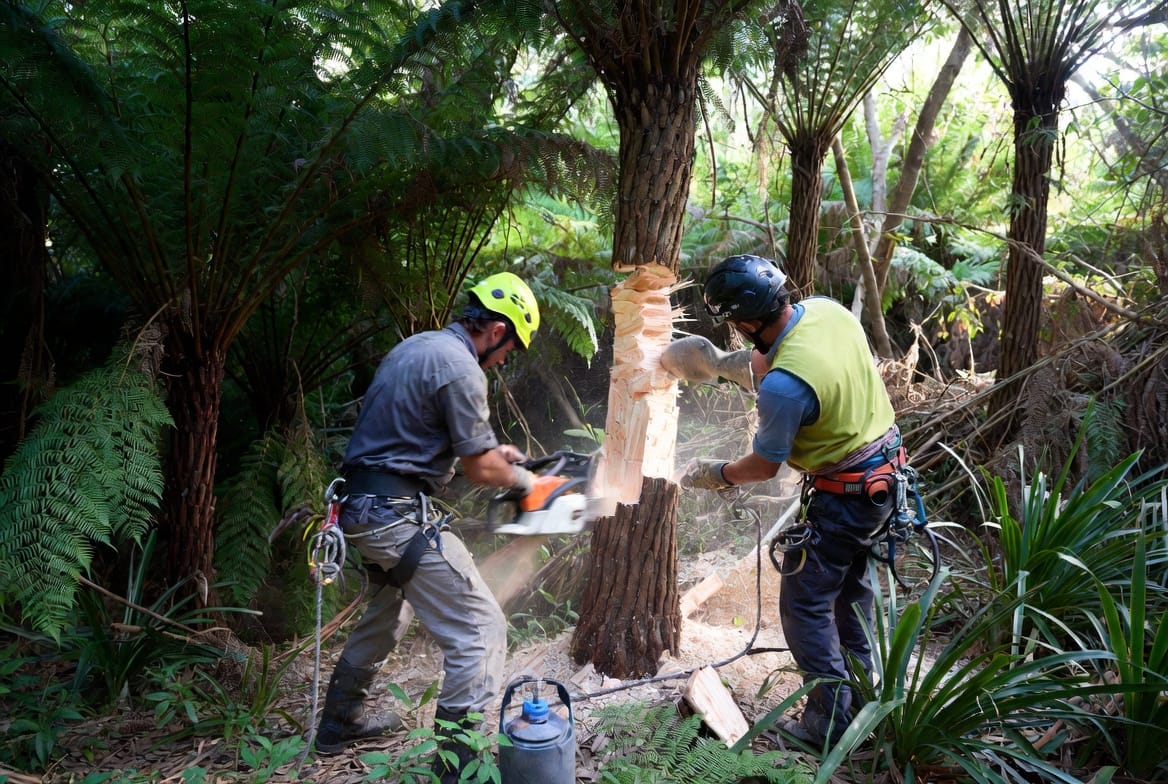
The main trunk is carefully cut at the base using specialized equipment. This requires precision to avoid damaging surrounding vegetation. - Stump Treatment
Herbicide application to the fresh stump is critical. This prevents resprouting from dormant buds and is done using approved, targeted products. - Frond and Debris Management
All fronds and organic material must be collected and properly disposed of to eliminate viable spores. - Root System Extraction
Where feasible, major root masses are removed to reduce the chance of future growth. - Site Restoration
The area is prepared for replanting with appropriate native species to restore ecological balance.
Important safety note: DIY attempts often fail due to incomplete spore control and regrowth. Professional tree fern removal services ensure compliance with local regulations and use industry-best practices.
Challenges in Managing Invasive Fern Species
Tree ferns present unique difficulties compared to woody trees. Their spore-based reproduction means even small fragments left behind can restart the invasion. Environmental conditions like high humidity further complicate control efforts.
Common challenges include:
- Regrowth potential from untreated stumps
- Spore persistence in soil for extended periods
- Difficulty accessing dense infestations in challenging terrain
- Balancing removal with protection of desirable plants
This is why an authoritative, experienced approach is vital for long-term success.
The Benefits of Professional Vegetation Management
Partnering with qualified professionals for tree fern removal offers numerous advantages:
- Expert identification of species and appropriate control methods
- Safe equipment handling reducing risk to people and property
- Comprehensive cleanup and responsible disposal of materials
- Follow-up monitoring to ensure complete eradication
- Restoration guidance for planting suitable replacement species
These services not only solve the immediate problem but provide long-term landscape protection.
Prevention Strategies for Future Control
After successful removal, prevention becomes the priority. Effective strategies include:
- Regular monitoring of properties for new spore germination
- Maintaining healthy native plant communities that naturally resist invasion
- Proper drainage management to reduce overly moist conditions
- Education about responsible plant selection and disposal
Vigilance combined with professional support creates the best defense against recurring issues.
Restoring Balance to Your Landscape
Managing invasive species like tree ferns requires both immediate action and ongoing commitment. The good news is that with the right expertise, properties can be successfully restored to health and beauty.
Professional teams use proven techniques to address these challenges while prioritizing safety and environmental responsibility. The result is not just removal, but true landscape recovery.
Control invasive ferns before they take over. Don't let these aggressive plants compromise your property's value or ecological health.
For expert vegetation management and reliable tree fern removal services. Our experienced team delivers authoritative solutions tailored to your specific situation, ensuring lasting results you can trust.
Protect Your Property from Invasive Ferns – Call Today