The Tree Fall Direction: How Arborists Plan the Drop Zone
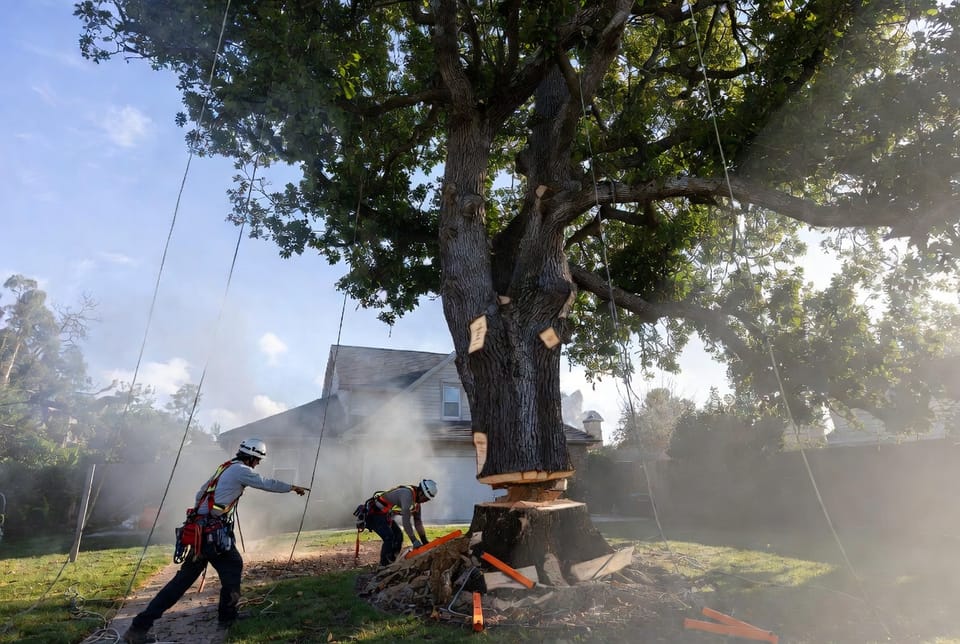
When it comes to tree removal, determining the exact tree fall direction is one of the most critical skills an arborist possesses. This process, often called planning the drop zone, combines science, experience, and meticulous calculation to ensure the tree falls exactly where intended—safely away from homes, power lines, vehicles, and people.
Expert Tree Felling Planning – Call Now for a Free Quote!
Professional arborists treat every felling as a complex engineering challenge. They analyze physics principles, environmental factors, and tree-specific characteristics to achieve predictable, controlled results. In this comprehensive guide, we explore how experts determine tree fall direction, the physics behind successful felling, and the techniques that keep properties and crews protected.
Understanding the Physics of Tree Felling
Trees are not simple objects to push over. They possess significant mass, complex weight distribution, and natural tendencies influenced by growth patterns. The physics of felling revolves primarily around gravity, leverage, center of mass, and momentum.
A standing tree has its center of gravity located roughly at the middle of its trunk and canopy. When arborists make strategic cuts, they shift this center of gravity toward the intended drop zone. The hinge created by the cuts acts as a pivot point, allowing the tree to rotate and fall in a controlled arc.
Key physical principles include:
- Leverage and hinge strength: The uncut wood between the notch and backcut forms a living hinge that guides the fall.
- Weight distribution: Heavier branches or leans create natural pull in certain directions.
- Momentum buildup: Once past the vertical balance point, the tree accelerates due to gravity, making mid-fall corrections impossible.
- Ground impact dynamics: The drop zone must account for the tree’s length plus additional space for branches and potential bounce.
Mastering these elements allows arborists to fell even massive trees in tight urban spaces with remarkable precision.
How Arborists Calculate the Ideal Fall Direction
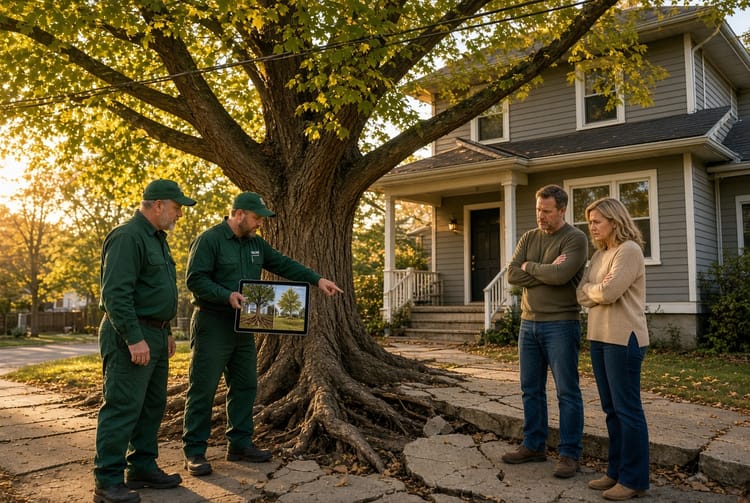
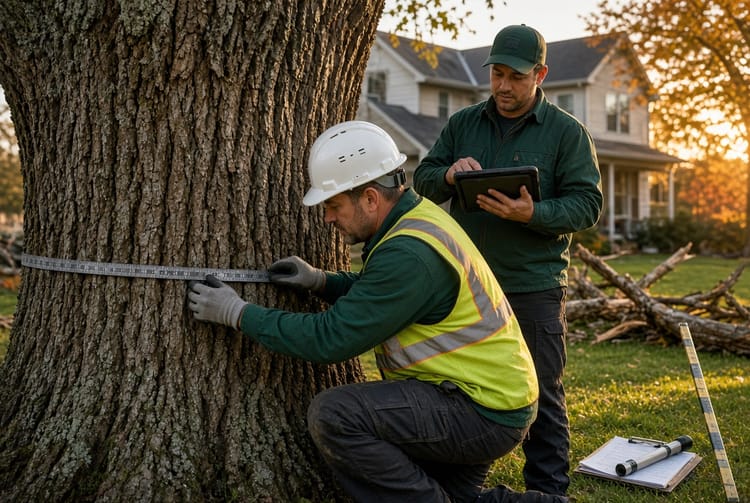
Determining tree fall direction begins long before any chainsaw touches the bark. Certified arborists conduct a thorough assessment from multiple angles, considering several interconnected factors.
Primary factors influencing direction:
- Natural lean: Many trees grow with a slight or pronounced lean due to sunlight seeking or wind patterns. Arborists measure this angle precisely.
- Canopy weight distribution: Asymmetrical branches or denser foliage on one side pull the tree toward that direction.
- Wind conditions: Even light breezes can influence fall path, especially with tall trees. Experts monitor real-time wind speed and direction.
- Surrounding obstacles: Homes, fences, utilities, other trees, and terrain slopes all dictate safe drop zones.
- Escape routes: Multiple clear paths for the crew must remain open throughout the operation.
Arborists often use tools like clinometers for measuring lean and height, along with ropes and rigging systems for additional control. They calculate the tree’s height against available space, ensuring the drop zone provides adequate clearance.
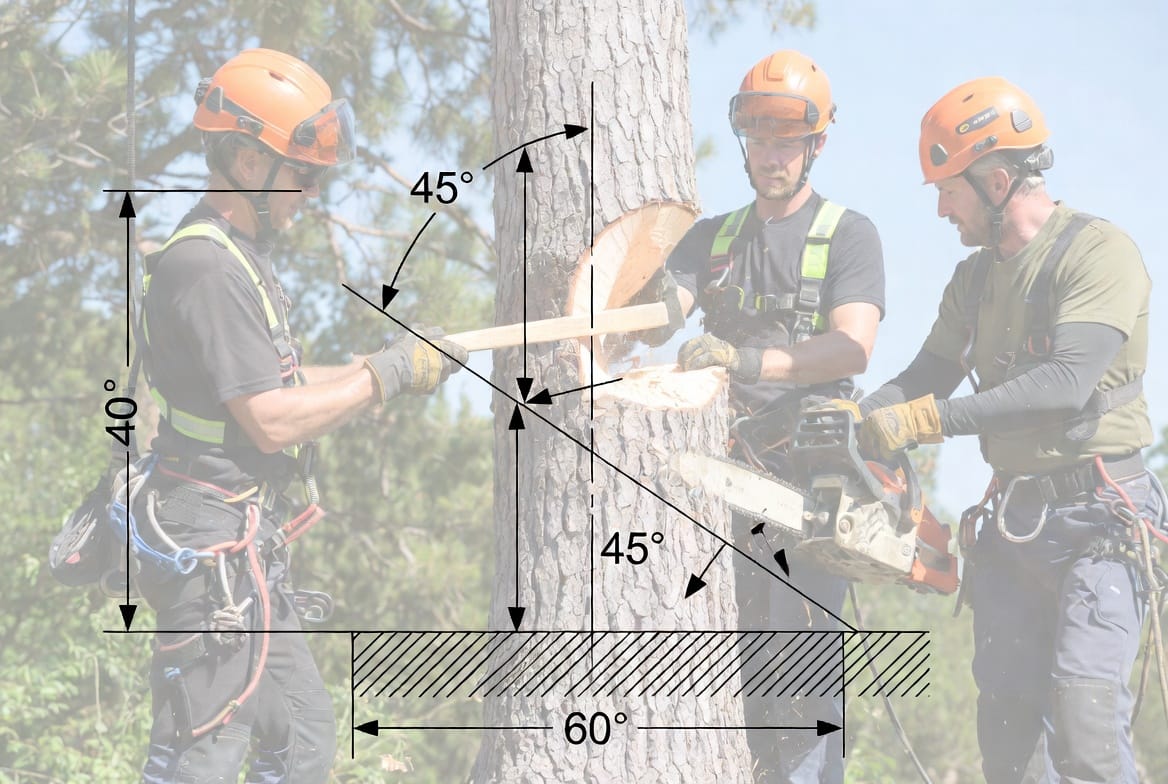
The Critical Role of Notch Cuts, Wedges, and Backcuts
The foundation of controlled felling lies in three precise cuts that work together to guide the tree’s descent:
- The Directional Notch: Cut on the side toward the intended drop zone, typically forming a 45- to 60-degree open wedge. This removes a pie-shaped section, allowing the tree to pivot forward without binding.
- The Backcut: Made from the opposite side, slightly higher than the notch base. This creates the hinge—the critical strip of wood that holds the tree until the final moment.
- Wedges: Inserted into the backcut as needed to counteract lean or push the tree toward the desired direction. Plastic or metal wedges provide mechanical advantage and prevent the saw from binding.
These techniques allow arborists to overcome natural lean and environmental challenges. For trees with strong opposing lean, multiple wedges and even winch systems may be employed for added security.
Safety remains paramount at every step. Crews establish clear communication protocols, maintain exclusion zones, and ensure all team members know their roles and escape paths.
Advanced Techniques for Challenging Situations
Not every tree presents an ideal scenario. Urban environments often require creative solutions:
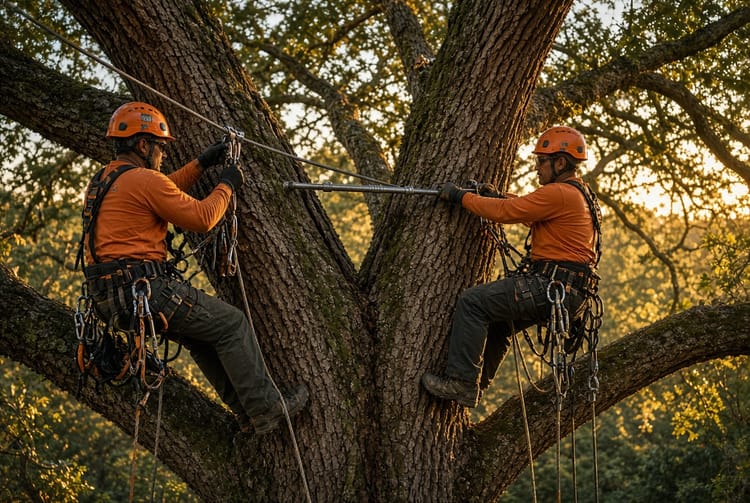
- Sectional dismantling for trees near structures, where the canopy is removed in pieces before felling the trunk.
- Rope and rigging systems to pull or guide the top during descent.
- Guy wires and anchors for stabilizing trees with compromised root systems.
- Wind compensation strategies involving adjusted cut angles and timing.
Experienced teams simulate the fall mentally and physically multiple times before starting. They identify potential failure points and prepare contingency plans.
This methodical approach transforms what could be a dangerous operation into a safe, efficient process that protects both property and lives.
Factors Arborists Evaluate in Detail
Successful tree fall direction planning requires evaluating a comprehensive list of variables:
- Tree species characteristics: Some woods are more brittle or flexible than others.
- Health and structural integrity: Decay, cracks, or weak unions affect hinge strength.
- Soil conditions: Wet or loose soil can shift the stump during felling.
- Seasonal considerations: Frozen ground versus soft summer soil changes dynamics.
- Crew experience level: Complex jobs require seasoned professionals with proven track records.
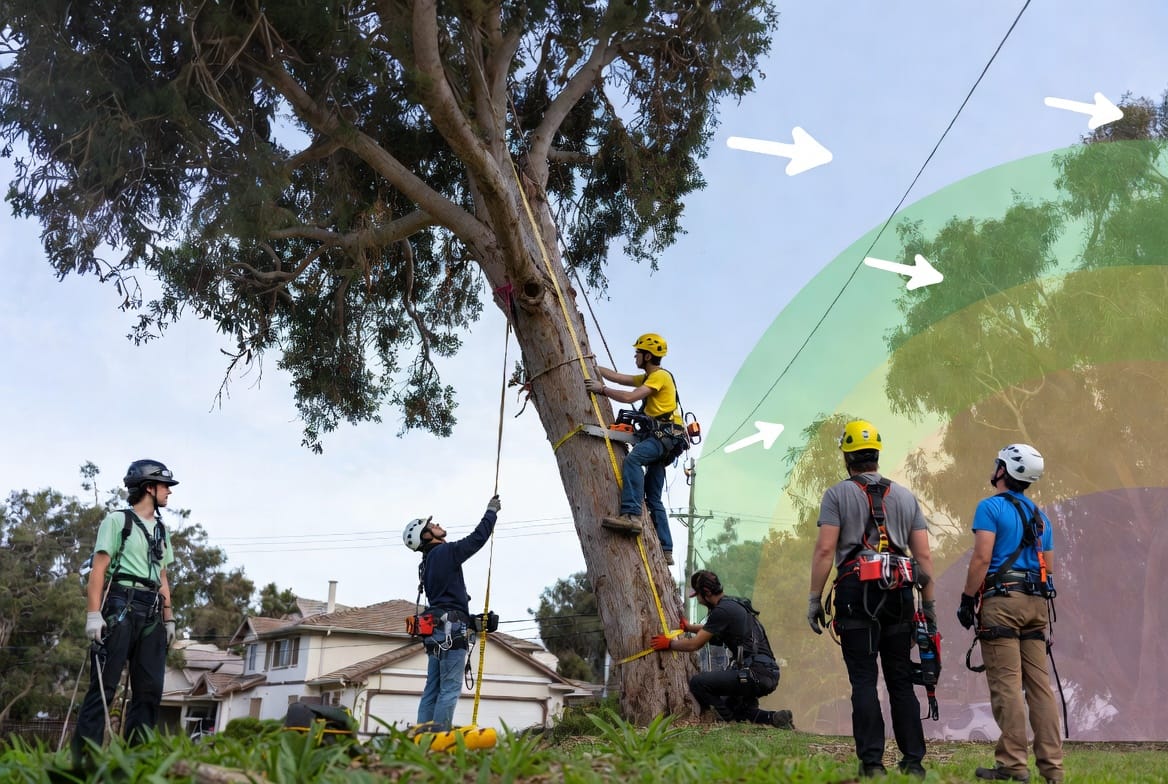
Common Risks and How Professionals Mitigate Them
While tree removal carries inherent risks, qualified arborists dramatically reduce them through planning and expertise.
Potential hazards include:
- Barber chair splits: When the hinge fails prematurely—prevented by proper notch depth and backcut placement.
- Uncontrolled swings: Addressed through strategic wedging and rigging.
- Kickback or binding: Avoided with correct saw techniques and equipment maintenance.
- Property damage: Eliminated by accurate drop zone calculation and buffer space.
Reputable tree service companies invest heavily in ongoing training, insurance, and state-of-the-art equipment. Their goal extends beyond simply removing the tree—they aim to complete the job with zero incidents and minimal disruption to your property.
The Science Behind Every Successful Drop
Professional felling represents applied physics in action. Each cut, measurement, and adjustment serves a specific purpose in controlling the massive forces involved. Arborists essentially act as conductors, orchestrating gravity, leverage, and momentum to achieve the desired outcome.
This scientific foundation, combined with years of hands-on experience, allows experts to handle situations that might seem impossible to the untrained eye. From towering oaks in tight backyards to leaning pines near power lines, the principles remain consistent while techniques adapt to each unique challenge.
Why Choose Certified Professionals for Tree Removal
Attempting DIY tree felling, especially with large specimens, presents unacceptable risks. Without proper training and equipment, even experienced homeowners can quickly find themselves in dangerous situations.
Professional arborists bring:
- Specialized knowledge of tree physiology and mechanics
- Advanced rigging and safety systems
- Comprehensive liability insurance
- Efficient cleanup and disposal services
- Peace of mind for property owners
Investing in expert tree removal services protects your home, family, and neighbors while ensuring compliance with local regulations.
Planning Your Next Tree Removal Project
Understanding how arborists determine tree fall direction helps property owners appreciate the complexity and professionalism involved. When selecting a service provider, look for ISA-certified arborists with strong safety records and transparent processes.
The right team will conduct thorough site evaluations, explain their plan clearly, and execute with precision. They transform potentially stressful situations into smooth, successful operations.
Professional felling is a science. We combine cutting-edge techniques with decades of experience to deliver outstanding results while prioritizing safety and customer satisfaction.
Secure Your Property with Professional Tree Removal – Call Today!