The Tree Cavity Treatment: When to Fill or Leave Hollows
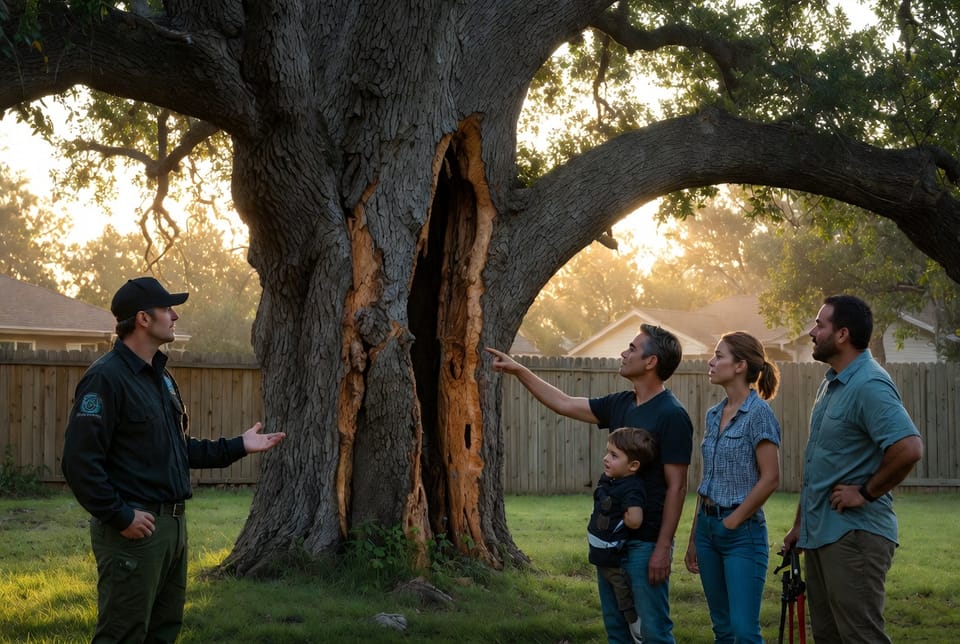
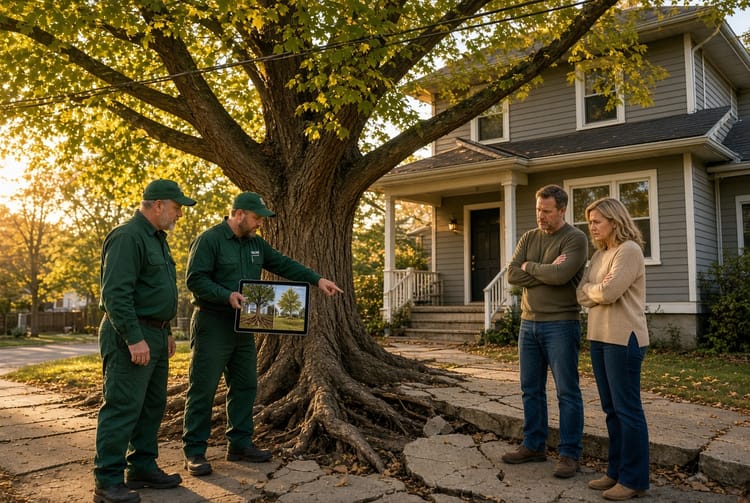
Trees are the silent guardians of our landscapes, providing shade, beauty, and structural support to our homes and communities. Yet, as they age, many develop tree cavities—hollows or openings in the trunk or branches that can raise concerns for homeowners. Is it time to fill them, or should they be left alone? Understanding tree cavity treatment is essential for preserving these valuable assets while ensuring safety.
Protect Your Trees from Hidden Risks – Call Now
In this comprehensive guide, we explore the science behind tree cavities, when they pose genuine risks, and modern, evidence-based approaches to management. Far from a one-size-fits-all solution, proper tree health management relies on careful assessment rather than outdated remedies. By the end, you'll feel empowered to make informed decisions that protect both your property and the environment.
What Causes Tree Cavities?
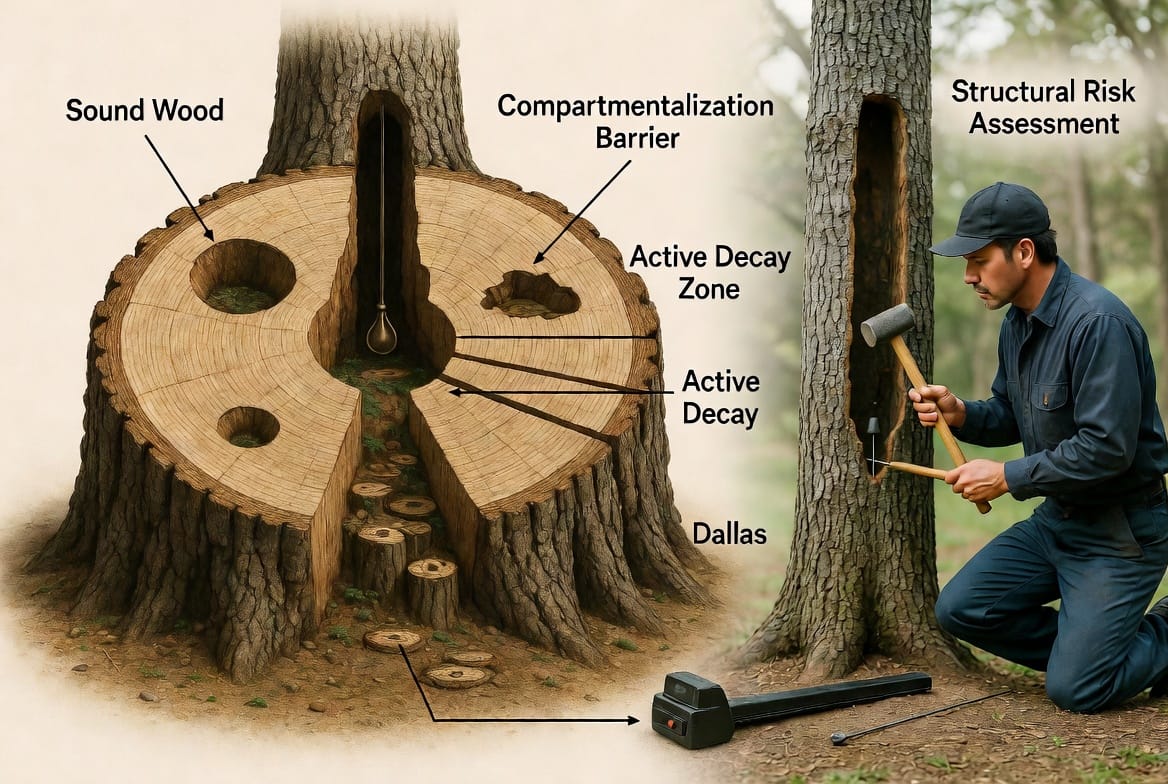
Tree cavities often form as a natural part of a tree's life cycle or in response to injury. Decay fungi, insects, animals, or mechanical damage like storms or improper pruning can initiate the process. Trees don't truly "heal" wounds like animals do; instead, they compartmentalize decay by forming barrier zones of new wood to wall off damaged areas.
Benign cavities are common in mature, otherwise healthy trees. These hollows may develop slowly over decades without compromising the tree's overall vitality. The surrounding wood continues to grow, adding strength year after year. In many cases, these features even benefit local wildlife, offering nesting sites for birds and small mammals.
However, not all cavities are harmless. Rapid expansion or specific conditions can signal deeper issues.
Identifying Serious Tree Cavities vs. Benign Ones
Distinguishing between a stable hollow and one threatening structural integrity requires expertise. Here are key factors certified arborists evaluate:
- Depth and Size: Shallow cavities that haven't penetrated deep into the heartwood are often less concerning. Large cavities reducing the wall thickness to less than 20-30% of the trunk diameter may increase failure risk.
- Location: Cavities near the base or major branch unions are more problematic than those higher up, as they affect load-bearing capacity.
- Signs of Active Decay: Soft, spongy wood, fungal fruiting bodies, or excessive sap flow indicate ongoing issues.
- Surrounding Bark Health: Healthy, intact bark and callus formation around the edges suggest the tree is successfully compartmentalizing.
Bullet-point warning signs that warrant professional attention:
- Visible cracks extending from the cavity
- Leaning or sudden changes in the tree's posture
- Dead branches in the crown disproportionate to the tree's age
- Water pooling inside the hollow after rain
- Insect infestations or animal activity enlarging the opening
If your tree shows these red flags, prompt evaluation can prevent costly damage or safety hazards.
Why Filling Cavities with Concrete Is No Longer Recommended
For generations, the practice of filling tree hollows with concrete, bricks, or mortar was common, modeled after dental fillings. The intention was to provide structural support and prevent further decay. However, modern arboriculture has revealed this approach often causes more harm than good.
Concrete is rigid and inflexible, while trees naturally sway and flex with the wind. This mismatch creates constant abrasion between the filler and living wood, damaging the tree's protective barrier zones and allowing decay organisms to spread into healthy tissue. Over time, this can accelerate rot, weaken the trunk further, and even lead to unexpected failure.
Additional risks include:
- Trapped Moisture: Imperfect seals trap water inside, creating ideal conditions for fungi.
- Interference with Natural Processes: Filling prevents the tree from compartmentalizing effectively.
- Hidden Problems: Fillers mask ongoing decay, delaying necessary interventions.
- Aesthetic and Ecological Drawbacks: They can look unnatural and deter beneficial wildlife.
Today, leading arborists strongly advise against concrete or similar rigid fills. Instead, the focus shifts to monitoring, pruning, and targeted support when truly needed.
Modern Tree Cavity Assessment and Treatment Options
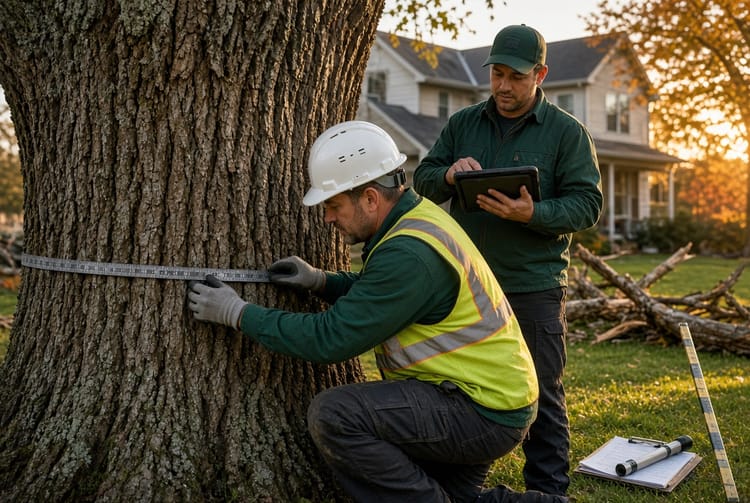
Contemporary tree cavity treatment prioritizes the tree's natural defenses and overall health. A certified arborist typically begins with a thorough tree risk assessment, using tools like resistographs, sonic tomography, or simple probing to map internal decay without excessive damage.
When to Leave Cavities Alone (Most Common Recommendation):
- The tree remains structurally sound with adequate sound wood.
- No immediate safety risks to people or property.
- The cavity is stable and not expanding.
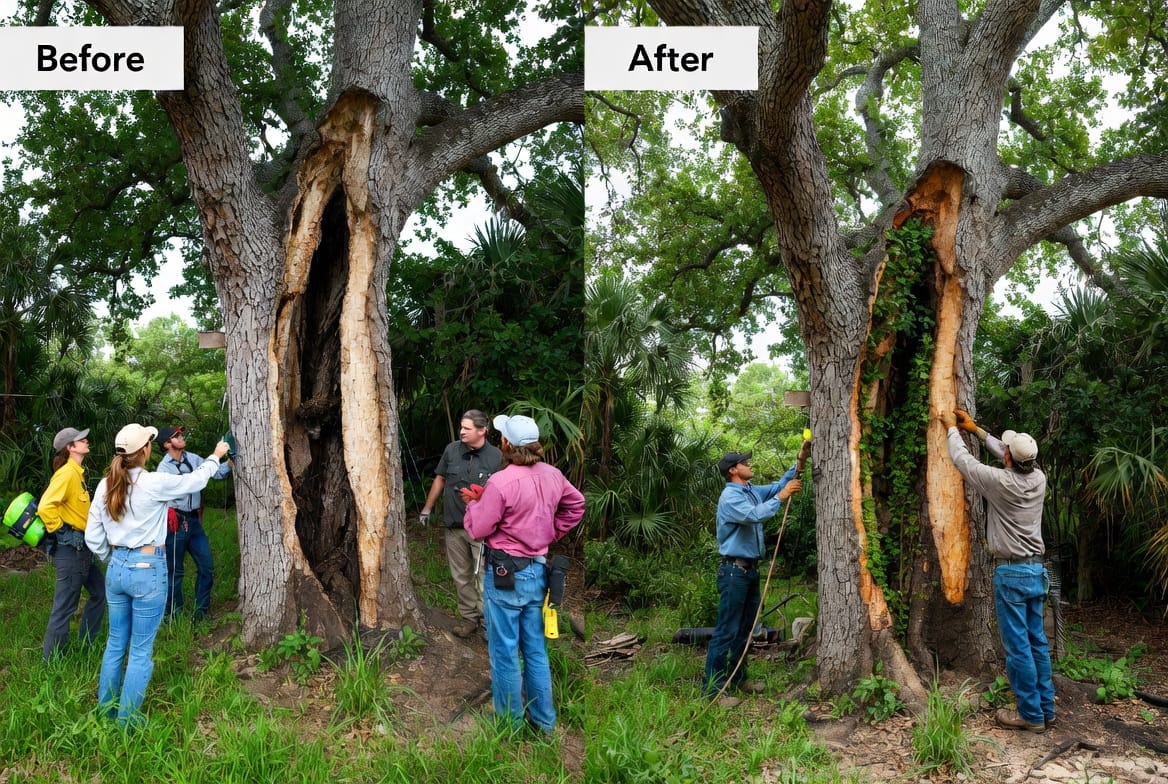
Many hollow trees thrive for decades or even centuries with proper care. Leaving them open allows monitoring and avoids unnecessary intervention.
When Intervention May Be Appropriate:
- For cosmetic reasons or to exclude pests/water in high-traffic areas.
- Using flexible, breathable materials (if any filling is done at all—often avoided).
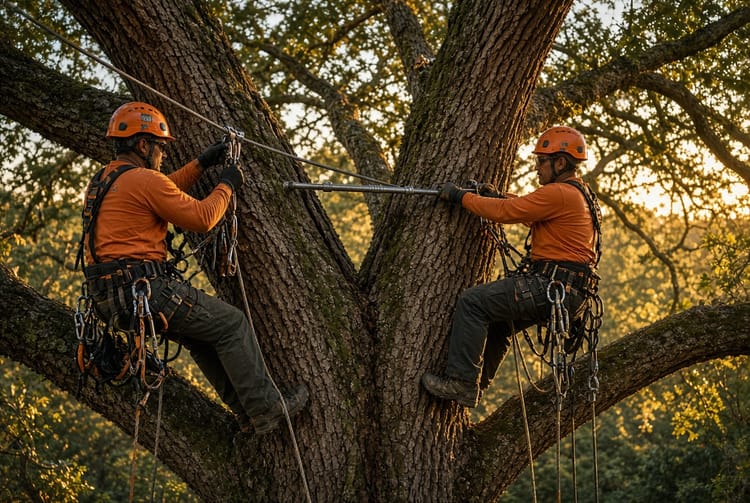
- Installing cables, braces, or guy wires for structural support instead of fills.
- Pruning to reduce weight and wind resistance on affected limbs.
Best Practices for Maintaining Tree Health Around Cavities
Protecting your trees goes beyond addressing existing hollows. Implement these strategies:
- Regular Inspections: Schedule annual checks, especially after storms.
- Proper Pruning: Remove dead or diseased branches without wounding the trunk unnecessarily.
- Soil and Root Care: Ensure good drainage and avoid compaction around the base to support overall vigor.
- Avoid DIY Treatments: Home remedies like drilling drain holes or aggressive cleaning often worsen decay.
- Integrated Pest Management: Address insects and fungi promptly but gently.
In Dallas and surrounding Texas areas, local conditions like clay soils, drought, and high winds make professional guidance particularly valuable for native species such as oaks and mesquites.
Expanding on structural integrity: Arborists calculate load distribution and use advanced metrics to quantify risk. For instance, a tree with a cavity might still have a high safety factor if the remaining wood shell is thick and the crown is balanced. This data-driven approach reassures homeowners while minimizing interventions.
The Role of Professional Arborists in Tree Preservation
No article on tree cavity treatment would be complete without emphasizing expert involvement. Certified arborists bring years of training, specialized equipment, and up-to-date knowledge aligned with standards from the International Society of Arboriculture (ISA).
They can:
- Differentiate cosmetic issues from critical ones.
- Recommend non-invasive monitoring plans.
- Provide options like lightning protection or root zone enhancement when cavities coexist with other stressors.
- Ensure compliance with local regulations, especially for protected or heritage trees.
Homeowners who partner with professionals often save money long-term by avoiding premature removals or failed DIY attempts. Early assessment frequently allows trees to remain as beautiful, functional parts of the landscape.
Common Myths About Tree Cavities Debunked
Myth 1: All hollow trees are dangerous and must be removed.
Reality: Many provide habitat and stand strong for years with monitoring.
Myth 2: Filling always strengthens the tree.
Reality: As detailed earlier, it frequently does the opposite.
Myth 3: You can safely fill small cavities yourself.
Reality: Even minor interventions risk spreading decay—leave it to experts.
Myth 4: Cavities mean the tree is dying.
Reality: Trees often compartmentalize successfully and continue thriving.
By dispelling these misconceptions, we empower better stewardship of our urban forests.
Long-Term Benefits of Proper Cavity Management
Investing in correct tree care yields dividends: enhanced property value, reduced insurance risks from falling limbs, improved biodiversity, and personal satisfaction from nurturing living legacies. A well-maintained mature tree can outlive generations, offering shade during Texas summers and character to your neighborhood.
In regions prone to severe weather, understanding cavities helps prioritize resilience. Balanced trees with managed hollows better withstand winds, contributing to safer communities.
Conclusion: Not All Cavities Need Filling
Tree cavities are a natural phenomenon that doesn't automatically spell doom for your trees. Many can—and should—be left to the tree's own remarkable processes, provided they undergo professional evaluation. Outdated methods like concrete filling have been largely abandoned in favor of smarter, less invasive strategies that respect the tree's biology.
Not all cavities need filling. Prioritize assessment over assumption. If you notice hollows or have concerns about tree health on your Dallas-area property, don't hesitate to seek expert advice. Our certified arborists are ready to help preserve your landscape's most valuable assets with care, expertise, and a commitment to long-term success.
Protecting your trees protects your home, family, and environment. Reach out now—your trees will thank you.
Don’t Risk Tree Failure – Get Expert Advice Now