The Tree Canker Disease: Identifying Sunken, Dead Areas on Bark
Tree canker disease represents one of the most common yet often misunderstood threats to landscape trees. As professional tree care specialists, we frequently encounter homeowners concerned about unusual markings on their trees' bark. Early identification of sunken, dead areas on bark can make the difference between saving a valuable tree and needing complete tree removal.
Get Expert Canker Assessment Today – Call Now!
In this comprehensive guide, we explore everything you need to know about tree cankers — from their causes and symptoms to effective management strategies and when professional intervention becomes essential.
Understanding What Tree Cankers Actually Are
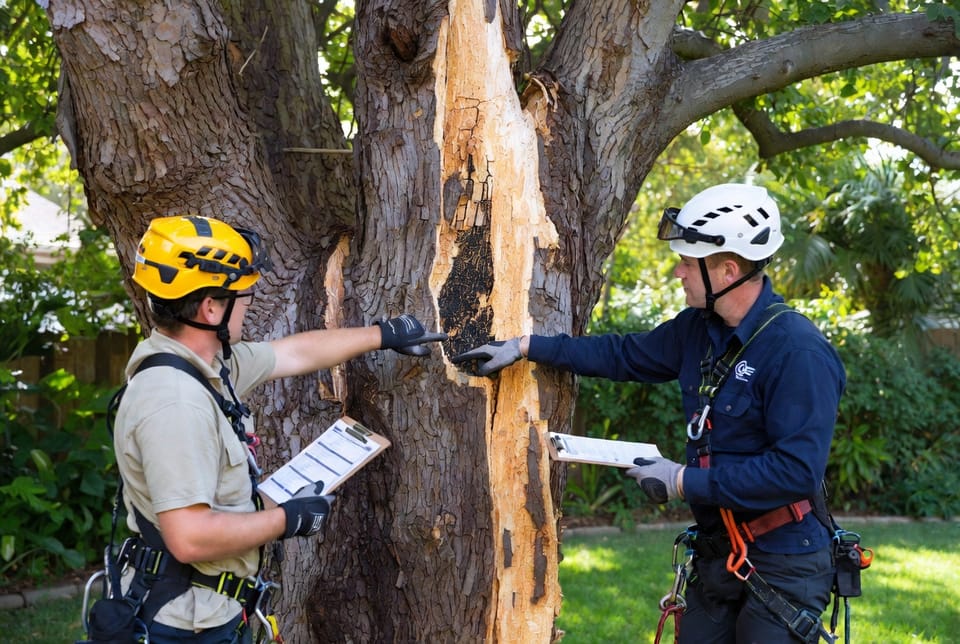
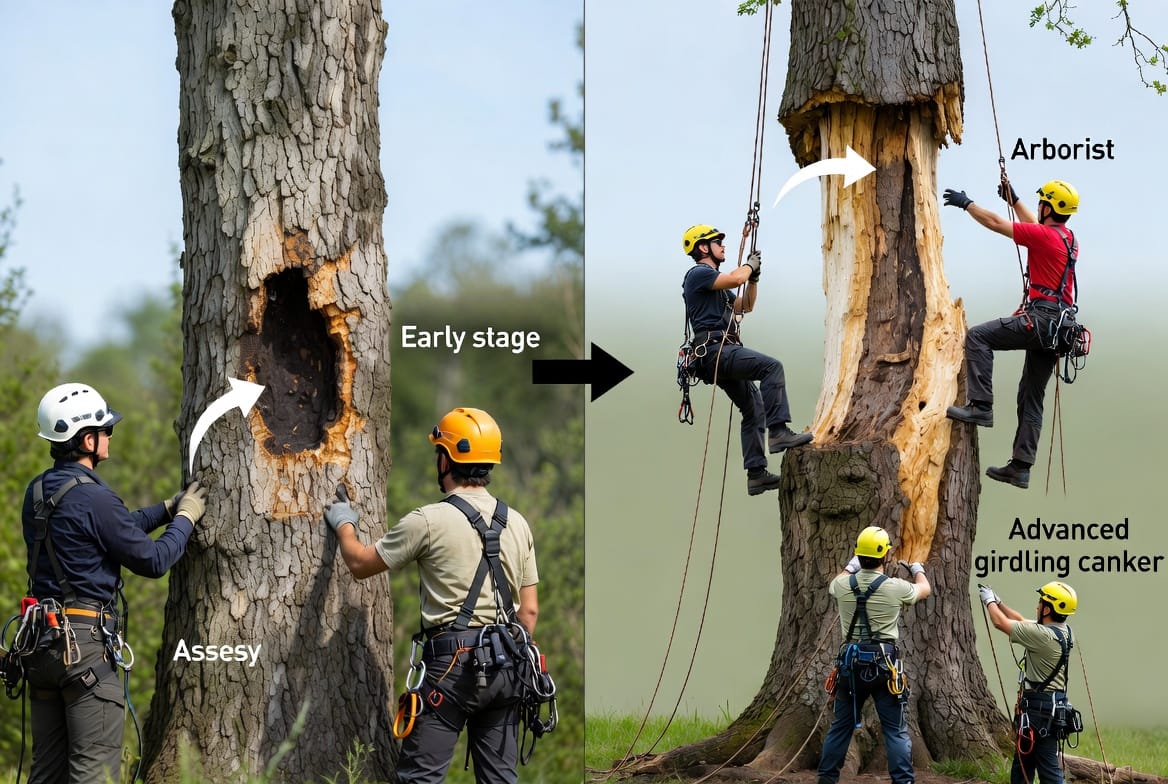
Cankers are localized areas of dead tissue on a tree's bark, branches, or trunk. These sunken, discolored patches disrupt the tree's ability to transport water and nutrients, potentially leading to serious structural weakness over time.
Unlike surface wounds that heal naturally, cankers represent active infections where the tree's living tissue has died. The sunken appearance occurs because the dead bark shrinks and cracks as it dries, creating visible depressions that expand if left untreated.
Key characteristics of cankers include:
- Sunken or swollen areas on the bark
- Discoloration ranging from dark brown to black
- Cracking or splitting of the outer bark
- Possible oozing of sap or sticky fluids
These infections don't happen overnight. They develop gradually, often going unnoticed until visible damage appears.
Primary Causes of Tree Canker Disease
Tree cankers are primarily caused by fungal pathogens or bacterial infections that enter through wounds or natural openings in the bark. Common entry points include:
- Pruning cuts made at the wrong time
- Storm damage or lawnmower injuries
- Insect feeding sites
- Environmental stress cracks
Fungal cankers tend to be more aggressive and widespread, while bacterial cankers often produce more noticeable oozing. Environmental factors play a significant role too. Trees under stress from drought, poor soil conditions, or transplant shock become significantly more vulnerable to infection.
Important note: Healthy, well-maintained trees possess natural defense mechanisms that can often compartmentalize and limit canker spread. This is why proactive tree care remains your best defense.
Recognizing the Warning Signs Early
Successful management of tree canker disease depends entirely on early detection. Look for these critical signs of canker infection:
- Sunken, dead areas on bark that appear darker than surrounding tissue
- Cracking or peeling bark around the affected zone
- Oozing sap or foul-smelling liquid from the canker site
- Branch dieback directly above the canker location
- Wilting leaves or premature leaf drop in specific branches
- Reduced overall tree vigor and growth
When a canker completely encircles a branch or trunk — a condition called girdling — it cuts off all nutrient flow, eventually killing everything above the infection point.
When Professional Assessment Becomes Necessary
Not every small canker requires immediate tree removal. However, certain situations demand prompt professional evaluation:
- Cankers larger than 6 inches in diameter
- Multiple cankers on the main trunk
- Evidence of girdling on major structural branches
- Cankers on trees with existing health issues
- Rapidly expanding sunken areas
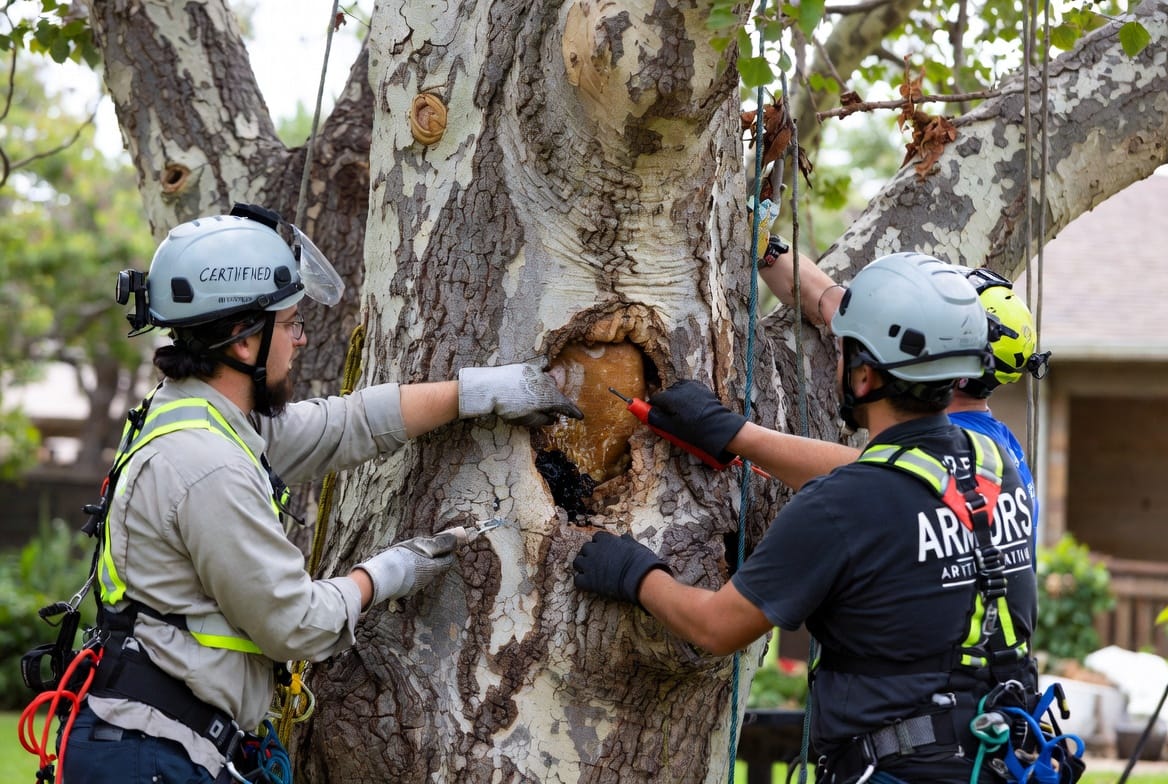
Our experienced team uses specialized tools and techniques to accurately assess canker severity and recommend the most appropriate solution — whether that's targeted treatment or safe, efficient tree removal when necessary.
Treatment Options and Management Strategies
For minor cankers, professional intervention may include:
- Careful pruning of infected branches using proper techniques
- Improving tree health through targeted fertilization and watering
- Application of appropriate fungicides or bactericides when suitable
- Installation of protective barriers around the tree base
Prevention remains more effective than treatment. Regular tree inspections, proper pruning schedules, and maintaining optimal growing conditions significantly reduce canker risk.
The Role of Tree Removal in Severe Cases
When cankers have progressed too far and threaten tree stability or nearby structures, safe tree removal becomes the responsible choice. Removing heavily infected trees prevents disease spread to healthy specimens and eliminates safety hazards from potential branch failure.
Modern tree removal techniques ensure minimal impact on your landscape while prioritizing safety. Our certified professionals handle every aspect — from precise assessment to complete cleanup and stump management.
Signs that indicate removal may be necessary:
- More than 50% of the trunk circumference affected
- Structural instability due to advanced girdling
- Cankers combined with root problems or other diseases
- High-risk location near buildings or power lines
Protecting Your Landscape Investment
Trees represent significant investments in both property value and environmental benefits. Early intervention for tree canker disease protects that investment and maintains your landscape's beauty and safety.
Regular professional inspections catch problems like sunken, dead areas on bark before they become critical. Our team provides comprehensive tree health assessments tailored to your specific environment and tree species.
Common Questions About Tree Cankers
Can cankers heal themselves?
Small cankers on vigorous trees sometimes become inactive, but active infections rarely resolve without intervention.
Are some trees more susceptible?
Yes. Certain species show higher vulnerability to specific canker pathogens. Local knowledge of common threats helps develop targeted protection strategies.
How fast do cankers spread?
Progression rates vary widely depending on tree health, pathogen type, and environmental conditions. Some advance slowly over years while others move rapidly.
Taking Action for Tree Health
Cankers can kill trees slowly. Don't wait until visible decline becomes severe. Professional disease assessment provides clarity and peace of mind.
Our certified arborists deliver expert evaluation of tree canker disease and recommend customized solutions — from treatment to professional tree removal when appropriate.
Early action saves trees and protects your valuable landscape.
Need Tree Removal? Get Professional Help Now