The Tree Branch Collar: Proper Pruning Cut Location for Healing
Proper tree pruning is one of the most important practices for maintaining the health, beauty, and longevity of your landscape trees. At the heart of effective pruning lies a small but critical feature: the branch collar. Understanding and respecting this natural structure can mean the difference between a thriving tree and one vulnerable to decay, disease, and premature decline.
Protect Your Trees with Expert Pruning – Call Now!
In this comprehensive guide, we explore everything homeowners and property managers need to know about the branch collar, why precise cut placement matters, common pruning mistakes to avoid, and best practices for promoting rapid healing. Whether you're managing a single backyard oak or caring for multiple mature trees, mastering this technique supports stronger, more resilient trees for years to come.
What Is the Branch Collar and Why Does It Matter?
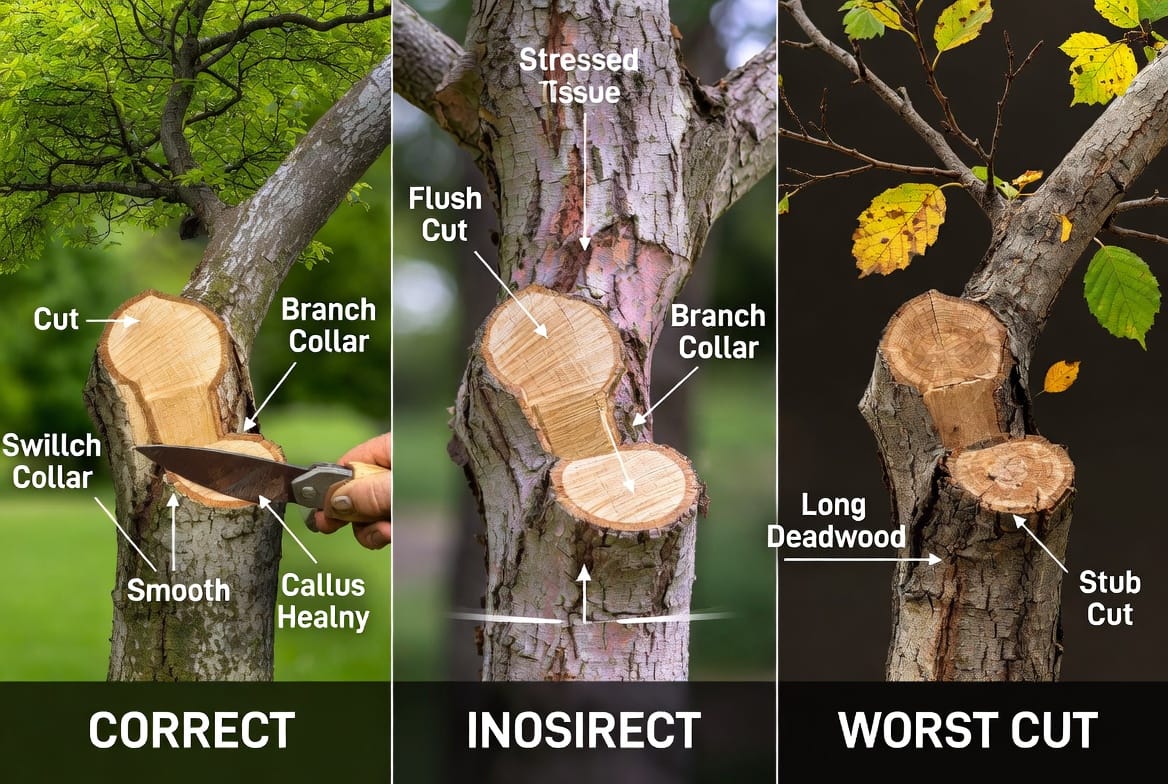
The branch collar is the slightly swollen, ring-like area of tissue where a branch attaches to the main trunk or a larger limb. It contains specialized cells that help the tree compartmentalize wounds and initiate healing after a branch is removed.
This natural protective zone produces callus tissue that grows over the pruning wound, sealing it against pathogens. Cuts made in the right location allow this process to happen efficiently.
Preserving the branch collar:
- Promotes the fastest possible wound closure
- Minimizes the risk of internal decay
- Maintains the tree’s structural integrity
- Reduces entry points for insects and fungi
When you cut too close or too far from this area, the tree struggles to heal, potentially leading to larger dead zones inside the wood.
Bold fact: Research from arboriculture experts consistently shows that proper collar-preserving cuts can reduce decay spread by up to 90% compared to flush cuts.
Identifying the Branch Collar in Your Trees
Spotting the branch collar takes practice but becomes second nature with observation. Look for these visual cues:
- A subtle swelling or ridge at the base of the branch
- A slight change in bark texture or color
- The “branch bark ridge” — a raised line of bark running up from the crotch into the trunk
In many deciduous trees like oaks, maples, and elms common in Texas landscapes, the collar appears as a distinct bulge. On conifers, it may be less pronounced but follows the same protective principle.
Pro tip: Stand at different angles and examine the junction closely during dormant seasons when leaves are absent. Healthy collars show no cracks or discoloration.
The Proper Pruning Cut: Step-by-Step Technique
Successful pruning follows a deliberate process that prioritizes tree health over aesthetics alone. Here’s how certified arborists approach it:
- Assess the branch — Determine if removal is necessary for safety, structure, or disease control.
- Locate the branch collar — Identify the swollen base without damaging it.
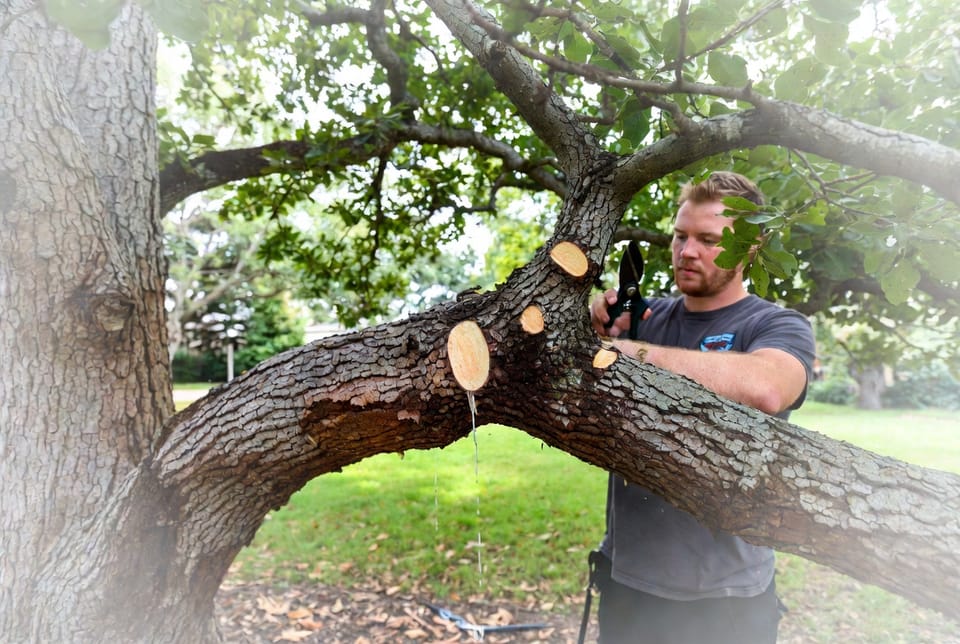
- Make the cut — Position your saw or shears just outside the collar, angling away from the trunk to create a clean wound.
- Avoid stubs — Never leave a protruding stub that dies back and invites decay.
- Do not cut into the collar — Preserving this tissue is essential for natural sealing.
This technique ensures the tree can quickly form protective barriers and redirect energy to new growth.
Common Pruning Mistakes and Their Consequences
Even well-intentioned homeowners often make errors that compromise tree vitality. Here are the most frequent issues:
- Flush cuts: Removing the branch flush with the trunk destroys the collar and creates a large wound that heals slowly.
- Stub cuts: Leaving several inches of branch creates dead wood that becomes an entry point for pests and rot.
- Tearing or ripping branches: Using improper tools or techniques damages bark and underlying tissues.
- Over-pruning: Removing too much foliage at once stresses the tree and reduces its energy reserves.
- Applying wound sealants: Modern arboriculture advises against sealants, as they can trap moisture and promote decay.
These mistakes can lead to cankers, fungal infections, weakened structure, and in severe cases, hazardous tree failure. By understanding the branch collar’s role, you protect your investment and the safety of your property.
Benefits of Proper Branch Collar Pruning
Trees pruned correctly exhibit numerous advantages:
- Faster healing — Wounds close within one to two growing seasons instead of remaining open for years.
- Improved structure — Selective removal strengthens the tree’s framework against wind and storms.
- Disease resistance — Smaller, well-sealed wounds limit pathogen spread.
- Enhanced appearance — Natural form is preserved while removing hazards.
- Increased longevity — Healthy pruning extends a tree’s lifespan significantly.
In Dallas-area climates with hot summers and occasional severe weather, proper pruning becomes especially valuable for maintaining resilient urban forests.
When Is the Best Time to Prune?
Timing influences healing success. For most deciduous trees, late winter or early spring (before bud break) is ideal. This dormant period minimizes stress and allows wounds to begin sealing as growth resumes.
Avoid pruning during active growth periods for most species unless addressing immediate hazards. Certain trees, like oaks in Texas, have specific restrictions due to wilt disease risks — typically avoiding April through June.
Always consider the individual species and local conditions. A certified arborist can provide tailored recommendations.
Essential Tools for Proper Pruning
Quality tools make precise cuts easier and reduce damage:
- Sharp bypass pruners for small branches
- Loppers for medium limbs
- Pruning saws with curved blades for larger branches
- Pole pruners for high limbs
- Disinfectant for tools between cuts
Keep blades clean and sharp to ensure clean cuts that heal more readily.
Safety First: Professional Pruning Recommendations
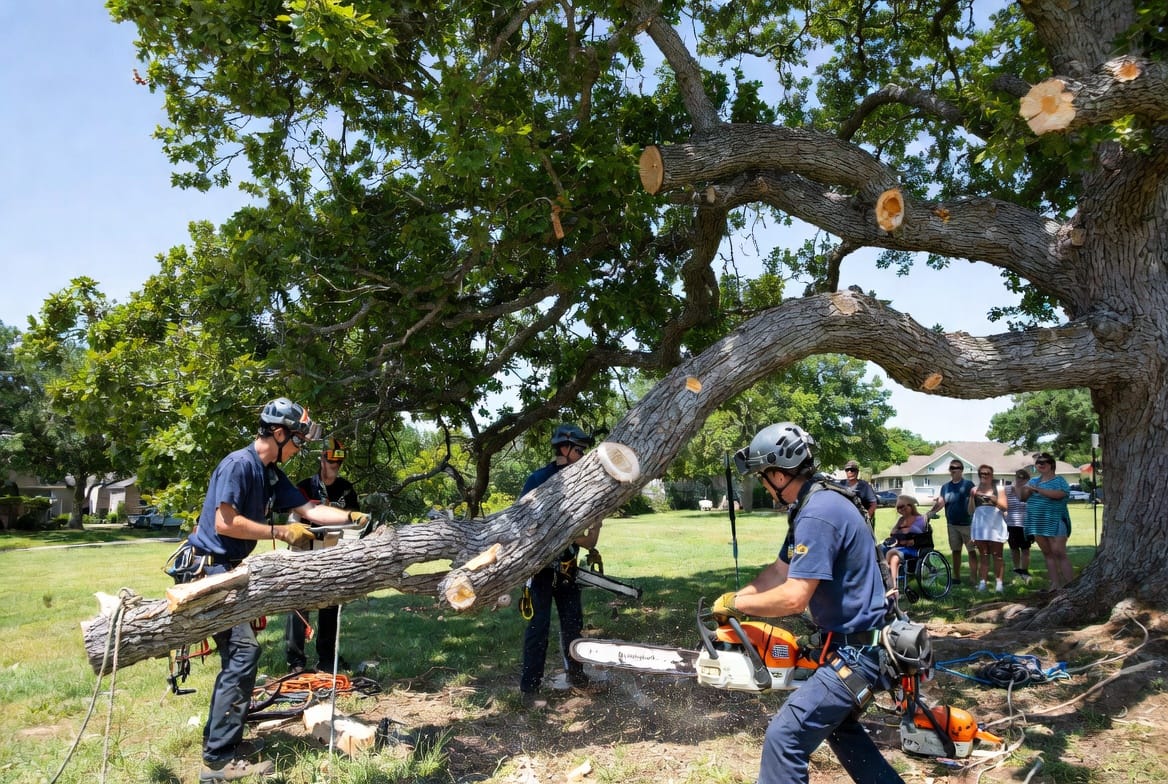
Large limb removal or work at height involves significant risk. Improper cuts on mature trees can lead to structural failure years later.
For complex pruning involving the branch collar on sizable trees, professional arborists bring expertise, proper equipment, and insurance protection. They understand species-specific needs and can identify hidden issues like internal decay.
Supporting Healthy Healing After Pruning
Post-pruning care complements correct cut placement:
- Water deeply during dry periods to support recovery
- Mulch around the base (keeping it away from the trunk)
- Monitor for signs of stress or infection
- Avoid fertilizing immediately after heavy pruning
With proper technique and follow-up care, your trees recover vigorously.
Understanding Tree Biology Behind the Branch Collar
Trees have remarkable defense mechanisms. The branch collar contains compartmentalization zones that wall off damaged areas. Cutting properly respects these natural barriers, allowing the tree to allocate resources efficiently toward growth rather than fighting infection.
This biological process, known as CODIT (Compartmentalization of Decay in Trees), explains why precise collar cuts yield superior results.
Common Tree Species in Texas and Pruning Considerations
Dallas-Fort Worth area trees like live oaks, post oaks, cedar elms, and pecans each respond best to collar-aware pruning.
For example, oaks benefit from careful timing to avoid disease vectors, while elms require attention to Dutch elm disease prevention through clean tools and proper cuts.
Long-Term Landscape Benefits
Investing time in learning correct pruning techniques or partnering with professionals pays dividends through:
- Reduced storm damage risk
- Lower maintenance costs over time
- Enhanced property values
- Beautiful, balanced canopies
- Support for local wildlife and ecosystems
Prune Correctly for Tree Health
Mastering the branch collar pruning technique empowers you to make informed decisions about your landscape. By cutting just outside this vital area, leaving no stubs, and avoiding damage to the collar itself, you give your trees the best chance to heal quickly and thrive.
For expert guidance, complex pruning projects, or complete tree care services, trust certified professionals who prioritize proper technique and tree health.
Ensure your trees receive the expert pruning they deserve. Prune correctly — your landscape will thank you for years to come.
Professional Tree Care & Pruning – Call Today