The Tree Branch Collar: Proper Pruning Cut Location for Healing
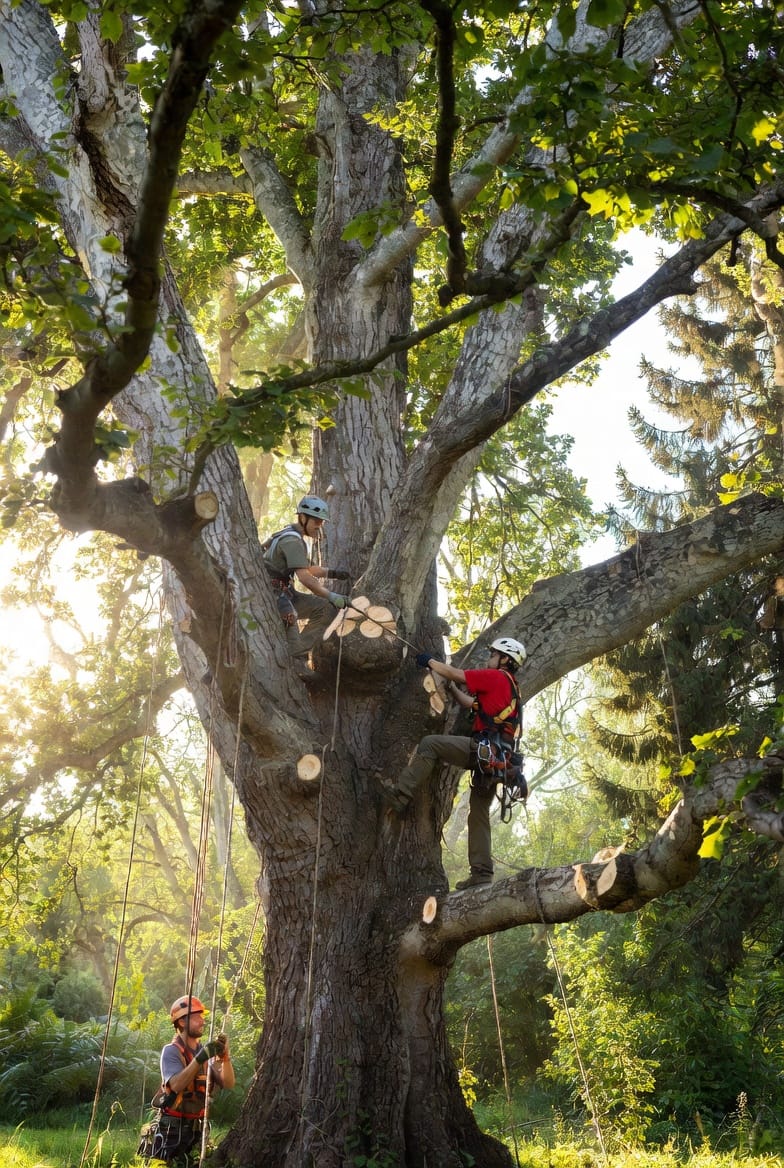
Proper tree pruning is one of the most impactful ways to maintain the health, safety, and beauty of your landscape. Yet, many homeowners and even some landscapers overlook a critical detail: the branch collar. Understanding and preserving this natural structure during pruning can mean the difference between a thriving tree and one vulnerable to decay, disease, and structural failure.
Prune Correctly – Call Our Arborists Now!
In this comprehensive guide, we explore the branch collar in depth — what it is, why it’s essential for healing, common mistakes to avoid, and the correct techniques every tree owner should know. When done right, pruning supports your trees for generations to come.
Understanding the Branch Collar
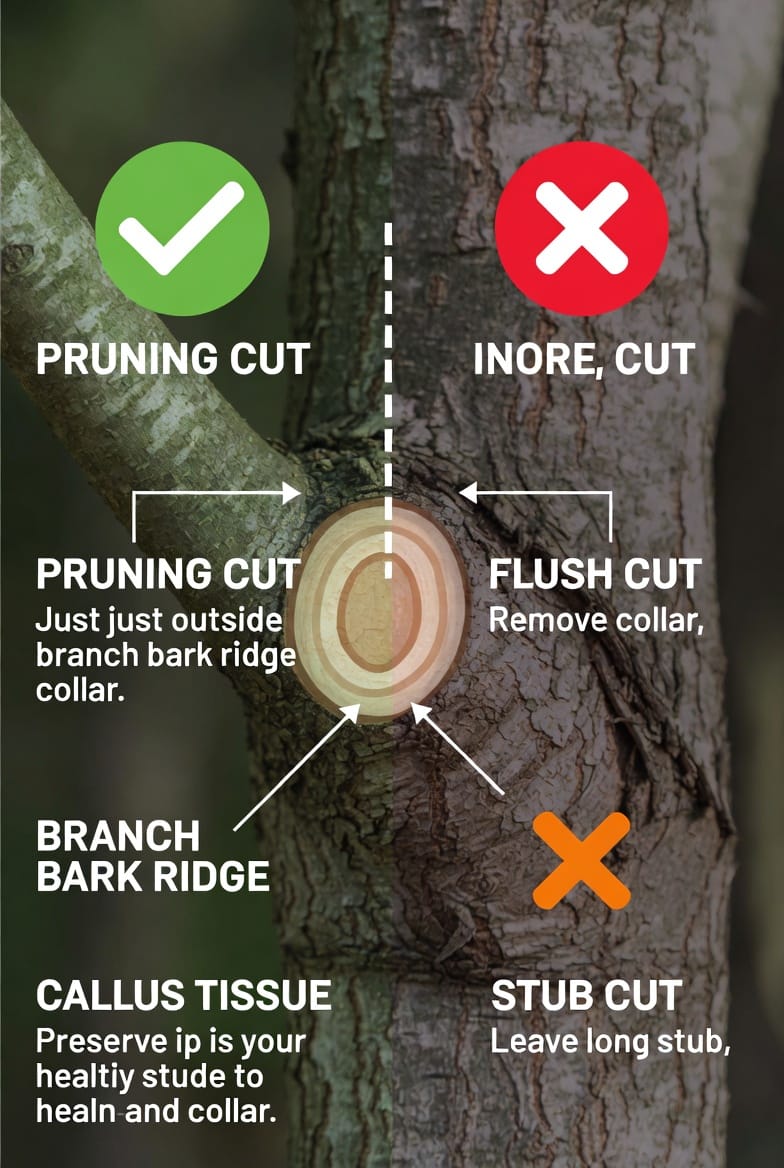
The branch collar is the swollen, wrinkled area of tissue at the base of a branch where it attaches to the trunk or a larger limb. This natural bulge contains specialized cells that help the tree compartmentalize wounds and initiate healing after a branch is removed.
Think of the branch collar as the tree’s built-in defense and repair mechanism. It’s not just a bump — it’s a vital zone packed with protective chemicals and growth tissues that seal off the pruning wound naturally over time.
Proper identification requires close inspection. Look for the slightly raised, often ridged area right at the union of branch and trunk. The collar may appear more prominent on some species than others, but it’s present on nearly all woody trees.
Preserving this area during cuts allows the tree to form a callus efficiently, reducing the risk of internal decay that can spread into the heartwood.
Why Preserving the Branch Collar Matters
Cutting just outside the branch collar promotes the fastest possible healing. The tree can quickly wall off the wound, preventing pathogens from entering the main stem.
Key benefits include:
- Reduced decay risk: Flush cuts or stubs expose larger areas of vulnerable wood.
- Faster wound closure: Natural sealing occurs within months rather than years.
- Stronger tree structure: Maintains the tree’s natural defense systems.
- Improved overall health: Less stress means better resistance to pests and diseases.
- Enhanced safety: Healthy trees are less likely to drop limbs unexpectedly.
Research in arboriculture consistently shows that improper cuts can lead to hollow trunks, fungal infections, and premature decline. By respecting the branch collar, you’re giving your trees the best chance to thrive.
Reassuring note: When performed correctly, pruning at the branch collar is a safe, beneficial practice that supports your investment in mature landscape trees.
Common Pruning Mistakes to Avoid
Even well-intentioned pruning can cause harm if the branch collar is ignored. Here are the most frequent errors:
- Flush cuts: Cutting directly against the trunk removes the collar entirely, creating a large wound that heals slowly and invites decay.
- Leaving stubs: Cutting too far from the collar leaves dead wood that decays and becomes an entry point for insects and disease.
- Using dull tools: These tear bark and damage surrounding tissues.
- Applying wound sealants: Modern arboriculture advises against them, as they can trap moisture and hinder natural healing.
- Topping or heading cuts: These ignore the collar and create weak, bushy regrowth.
Such mistakes can compromise tree stability and lead to costly removals down the line. Avoiding these pitfalls protects both your trees and your property.
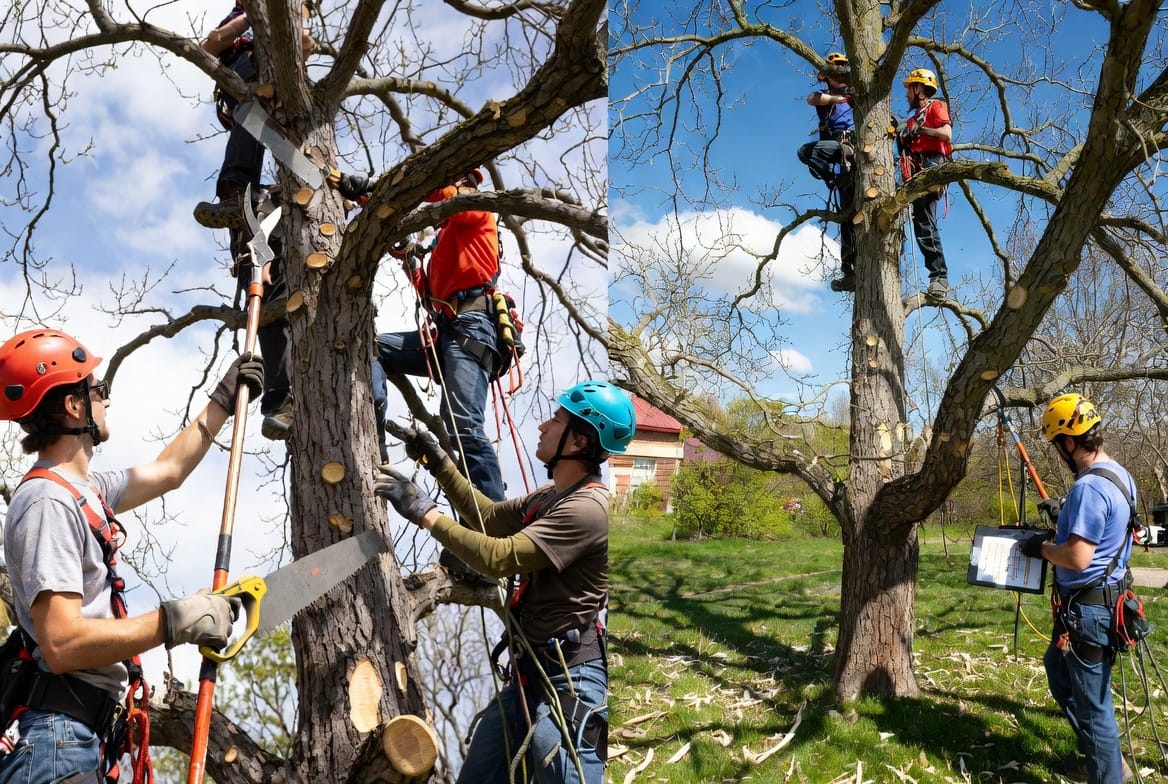
Step-by-Step Guide to Proper Pruning
Follow these authoritative steps for successful branch removal:
- Assess the tree: Identify dead, diseased, or crossing branches. Plan cuts that maintain natural shape.
- Locate the branch collar: Find the swollen area at the branch base.
- Make the cut: Position your saw or pruners just outside the collar, angling away from the trunk to avoid damaging it.
- Support the branch: For larger limbs, use the three-cut method to prevent bark tearing.
- Clean tools: Disinfect between cuts to avoid spreading disease.
- Avoid sealants: Let the tree heal naturally.
- Monitor progress: Check the wound site in following seasons.
This technique ensures minimal stress and maximum recovery.
Tools and Safety for Effective Pruning
Using the right equipment is essential. Sharp bypass pruners, loppers, and pruning saws create clean cuts that respect the branch collar. For larger jobs, pole pruners or professional chainsaws may be needed.
Safety first:
- Wear protective gear including gloves, eye protection, and sturdy boots.
- Work with a partner for larger trees.
- Never prune near power lines — call professionals immediately.
Proper tools and techniques not only protect the tree but also ensure your safety during the process.
Benefits of Correct Pruning for Long-Term Tree Health
Trees pruned correctly at the branch collar exhibit:
- Vigorous growth and better canopy density.
- Increased resistance to environmental stressors like storms and drought.
- Higher aesthetic value, enhancing curb appeal and property worth.
- Extended lifespan, sometimes by decades.
Seasonal timing matters too. Prune during dormancy for most deciduous trees to minimize stress, though some species benefit from summer pruning.
When to Call a Certified Arborist
While basic pruning can be DIY for small branches, larger trees or complex situations demand expertise. Certified arborists understand species-specific needs, structural integrity, and advanced techniques that preserve the branch collar perfectly.
At Tradewinds Universal, our ISA-certified team specializes in precision pruning that promotes healing and prevents future issues. Don’t risk your valuable trees with guesswork.
Prune correctly for tree health. For professional, reliable tree care services including expert pruning that respects the branch collar.
Our experienced crew delivers safe, effective solutions tailored to your landscape in the Chattogram area and beyond. Schedule your consultation and give your trees the care they deserve.
Expert Tree Pruning for Fast Healing – Call Today