The Tree Black Knot Disease: Managing Galls on Branches
Black knot disease represents one of the most visible and concerning fungal infections affecting ornamental and fruit trees across many regions. Homeowners and property managers often notice strange dark swellings on branches that seem to appear overnight, raising alarms about tree stability and overall landscape health. At our professional tree service, we specialize in early detection and effective management of black knot to protect your valuable trees and prevent further spread.
Stop Black Knot Now – Call Tree Removal Experts!
This comprehensive guide explains everything you need to know about black knot disease, from identification to proven management strategies. With prompt action and expert care, you can safeguard your trees and maintain a beautiful, thriving property.
Understanding Black Knot Disease
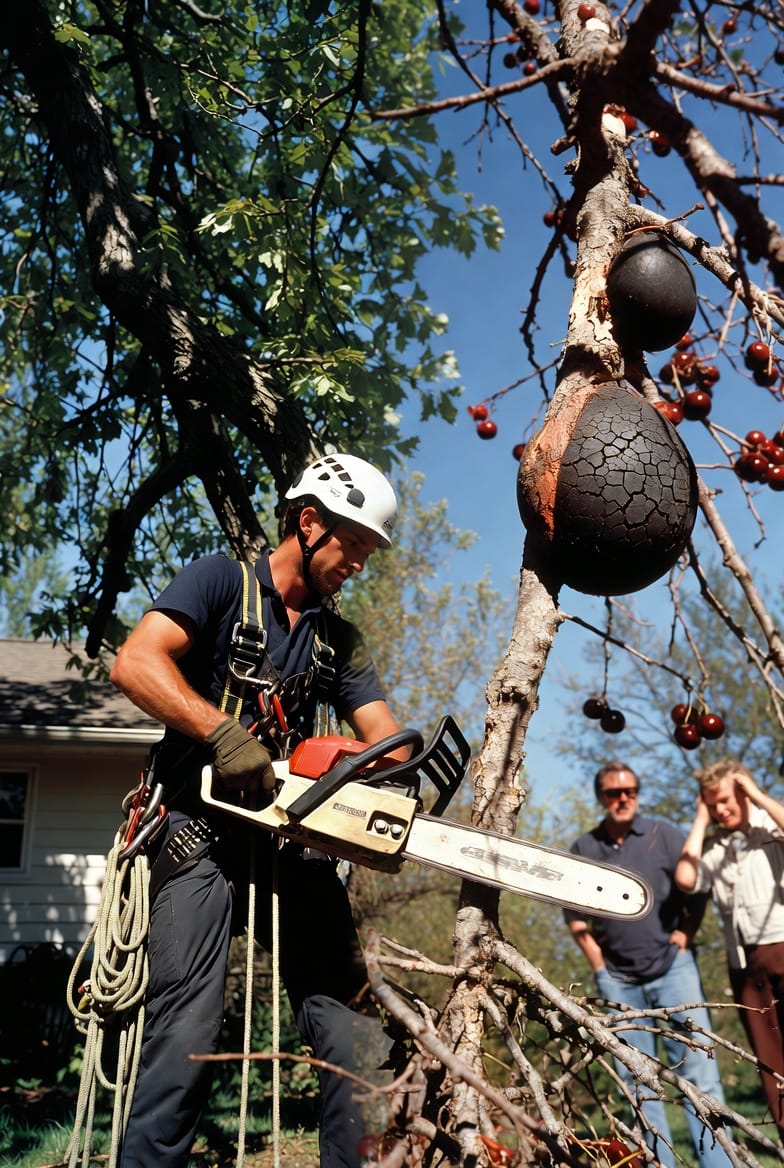
Black knot is a fungal disease caused by Apiosporina morbosa that primarily targets trees in the Prunus genus, including cherries, plums, apricots, and other stone fruit varieties. The fungus triggers abnormal growths known as galls — distinctive black, swollen, and rough-textured formations that encircle or protrude from branches and twigs.
These galls start small and greenish in their early stages but rapidly mature into hard, coal-black, corky masses that can grow several inches in length. In severe cases, they cause significant branch dieback, reduced fruit production, and increased vulnerability to secondary pests or storm damage.
The disease is particularly troublesome because it can persist and spread silently for years if left unchecked. However, with professional intervention, most trees recover well and continue providing beauty and shade for decades.
Key risks of untreated black knot:
- Progressive weakening of structural branches
- Increased likelihood of branch breakage during high winds
- Spread to neighboring healthy trees
- Reduced aesthetic appeal and property value
- Potential decline in fruit yield for orchard or edible landscape trees
Recognizing the Signs and Symptoms Early
Early identification is crucial for successful management. Look for these common indicators during routine inspections:
- Black, swollen galls on branches and twigs, often appearing in late winter or early spring
- Rough, bark-like texture on the galls that may crack over time
- Dieback of branch tips beyond the infected areas
- Reduced leaf production or smaller-than-normal leaves on affected limbs
- General tree stress, including wilting or premature leaf drop
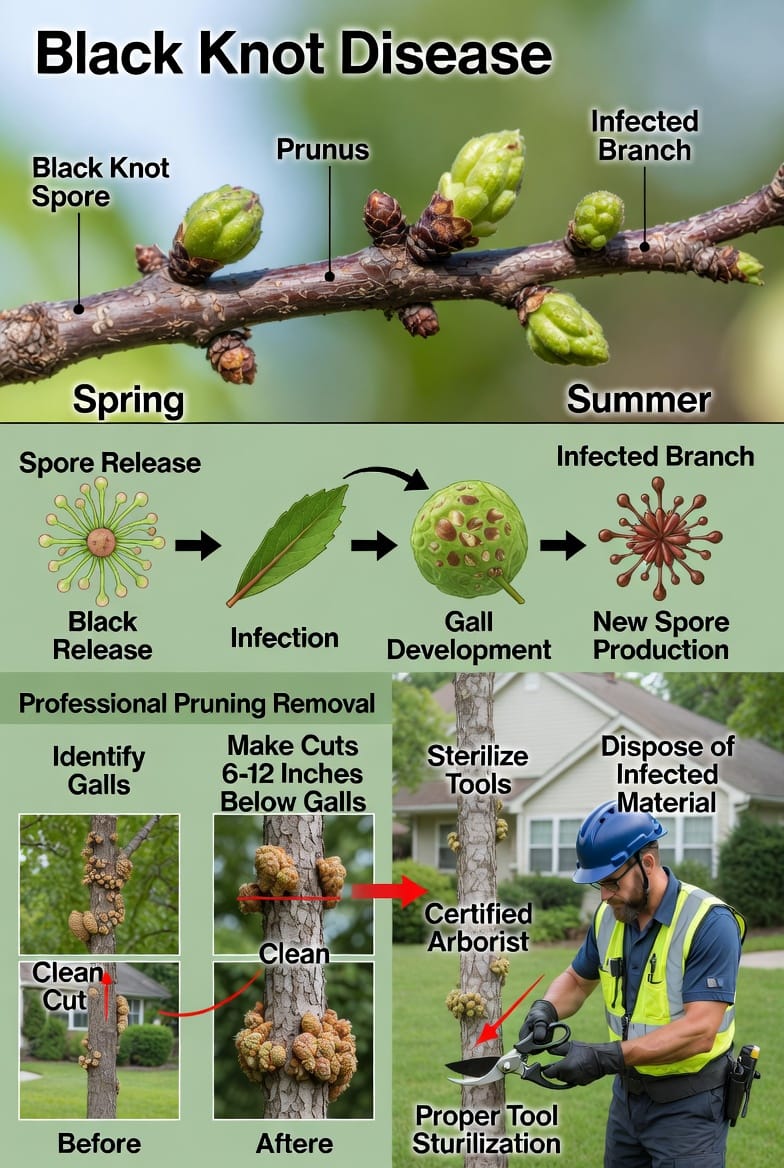
Being vigilant during dormant seasons allows for easier spotting of these dark formations against bare branches. If you observe any suspicious growths, contact a certified arborist promptly for accurate diagnosis.
How Black Knot Disease Spreads
The fungus responsible for black knot overwinters within the existing galls. In spring, as temperatures rise and moisture appears, it releases spores that wind and rain carry to new susceptible tissues on the same tree or nearby hosts.
Infection typically occurs on young, green shoots and twigs during wet spring weather. Once established, the fungus grows beneath the bark, stimulating the tree to produce the characteristic woody galls. These galls continue expanding for multiple seasons, producing more spores each year and perpetuating the cycle.
Factors that increase spread risk include:
- High humidity and prolonged wet periods
- Dense planting without adequate spacing or air circulation
- Presence of wild Prunus species nearby acting as reservoirs
- Lack of sanitation practices after pruning
Understanding this lifecycle empowers homeowners to break the cycle through targeted actions.
The Disease Lifecycle and Effective Pruning Strategies
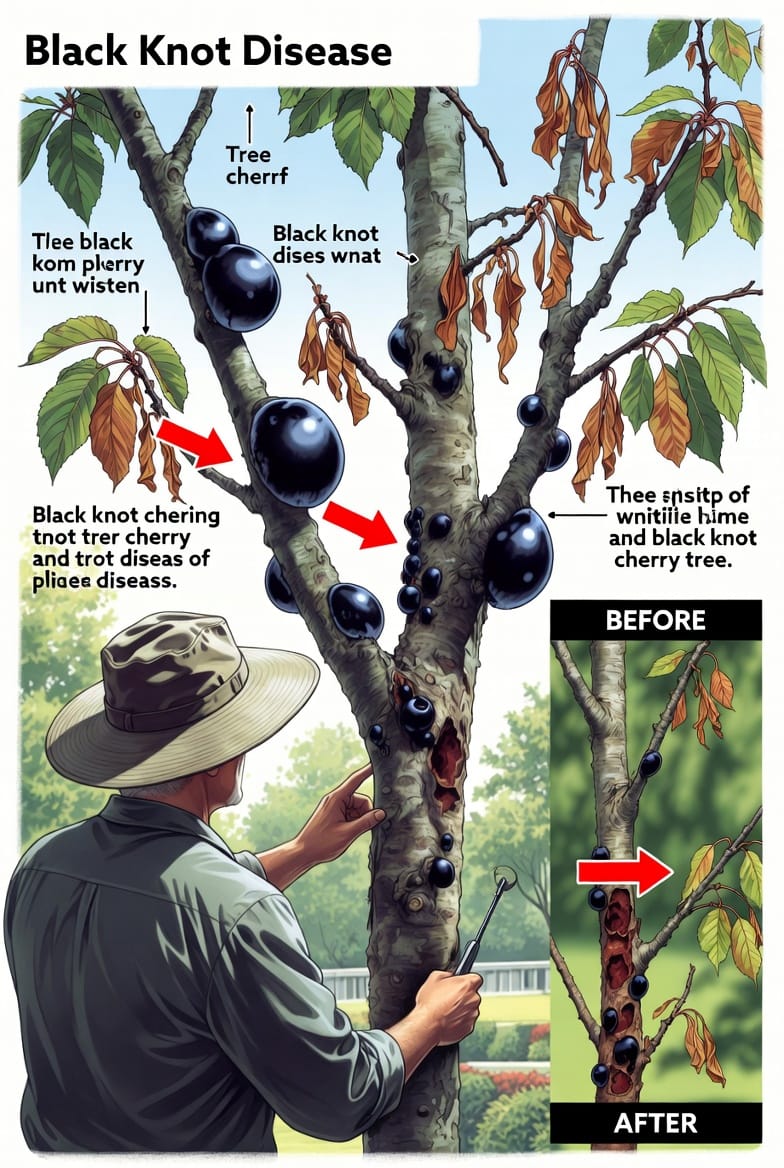
Managing black knot centers on strategic pruning — the most reliable cultural control method. Remove infected branches at least 6-12 inches below the visible gall to ensure complete elimination of fungal tissue. Always make clean cuts just above a healthy bud or branch collar, using sharp, sanitized tools to avoid further stress or contamination.
Best practices for pruning:
- Perform removals during late winter or very early spring while trees are dormant and spores are less active
- Dispose of all pruned material properly — never compost infected branches
- Sterilize pruning tools between cuts with a 10% bleach solution or alcohol
- Monitor trees annually and remove any new galls immediately
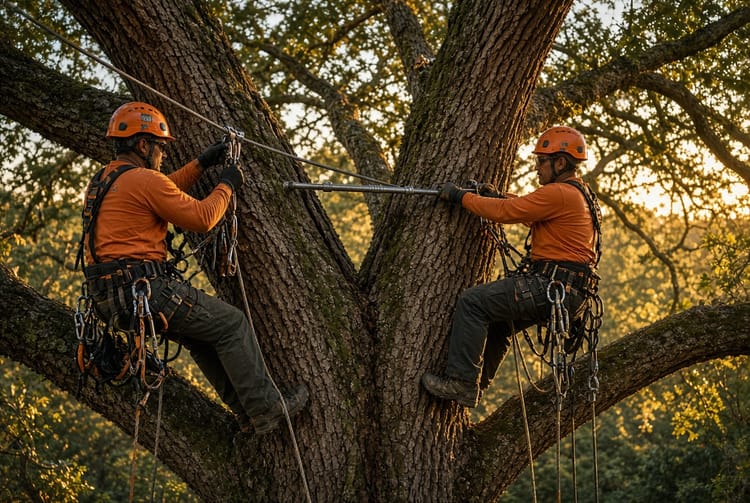
For larger or high-value trees, professional arborists use specialized equipment and techniques to access upper canopy areas safely without damaging surrounding property.
Comprehensive Management Approaches
Beyond pruning, integrated management combines several strategies for long-term success:
- Cultural controls: Improve air circulation through selective thinning and maintain overall tree vigor with proper watering and mulching
- Resistant varieties: When replanting, choose cultivars with better natural resistance to black knot
- Chemical options: In severe cases, fungicide applications during critical spring growth periods can help protect new shoots, though they work best alongside physical removal
- Sanitation: Regular landscape cleanup removes potential infection sources
Our tree care specialists develop customized plans based on your specific tree species, site conditions, and infestation level. This personalized approach ensures efficient, effective results while minimizing impact on beneficial organisms.
Prevention: Protecting Your Trees Year-Round
Prevention remains far easier than cure. Implement these proactive measures:
- Schedule annual professional tree inspections
- Maintain adequate spacing between Prunus species
- Promote strong tree health through balanced fertilization and deep root watering
- Avoid overhead irrigation that keeps foliage wet for extended periods
- Remove wild or abandoned host trees in the vicinity when possible
Consistent vigilance combined with expert guidance significantly reduces the likelihood of major outbreaks.
When to Call Professional Tree Services
While small infections might be manageable with DIY pruning on accessible branches, larger trees or widespread cases require professional expertise. Certified arborists possess the training, equipment, and insurance needed to handle complex removals safely.
Signs it’s time to call experts:
- Galls located high in the canopy or on major structural limbs
- Multiple trees showing symptoms
- Visible structural weakness or safety concerns
- Uncertainty about proper identification or pruning technique
Our team provides thorough disease assessment, precise pruning, and ongoing monitoring to restore and protect your landscape.
Long-Term Benefits of Timely Black Knot Management
Addressing black knot promptly not only halts disease progression but also enhances overall tree resilience. Healthy trees better withstand environmental stresses, pests, and diseases while delivering maximum environmental and aesthetic value.
Property owners who invest in professional tree care often see improved curb appeal, safer landscapes, and greater peace of mind knowing their valuable assets receive expert attention.
Conclusion: Take Action to Save Your Trees
Black knot can be effectively managed with early detection and proper pruning techniques. By removing infected branches 6-12 inches below visible galls and implementing sound cultural practices, you can protect your cherry, plum, and other susceptible trees from further damage.
Don’t let black knot compromise your landscape. Our experienced team stands ready to evaluate your trees, provide tailored solutions, and help maintain a healthy, beautiful property for years to come.
Professional Black Knot Tree Removal – Call Today