The Tree Bark Beetle Infestation: Signs, Treatment, and Removal
Bark beetles rank among the most destructive forest and landscape pests in many regions. These tiny insects operate largely out of sight, boring deep into living trees and disrupting the flow of water and nutrients until the host collapses. Homeowners and property managers often notice the damage only after the tree has already begun irreversible decline. Understanding how these insects behave, recognizing the earliest warning signs, and knowing when tree removal or protective treatment becomes necessary can protect both individual specimens and surrounding stands.
Get Expert Bark Beetle Assessment & Tree Removal Today
Understanding Bark Beetle Behavior
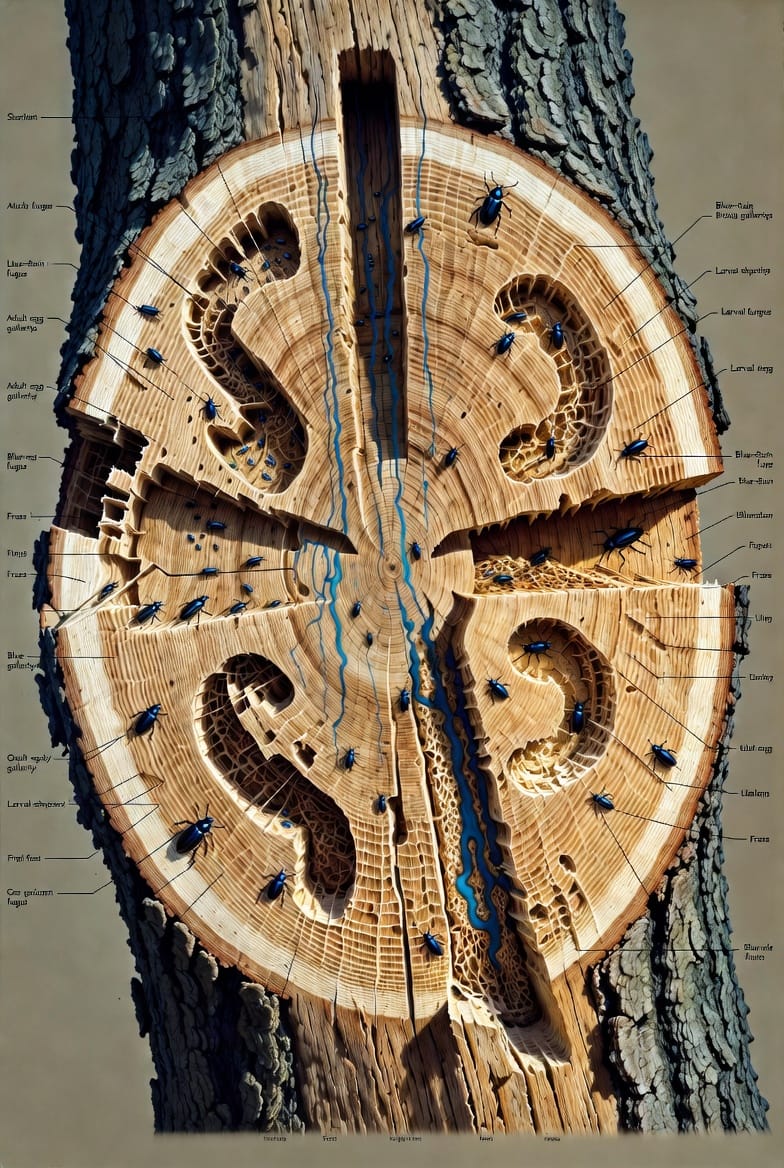
Bark beetles belong to a group of insects that specialize in exploiting trees under stress. Adults emerge from previously infested material and seek suitable hosts. Once a female locates a vulnerable tree, she bores through the outer bark and begins constructing an egg gallery in the nutrient-rich phloem layer just beneath. She deposits eggs along the sides of this gallery. When the larvae hatch, they feed outward, creating winding tunnels that girdle the tree from the inside.
The insects do not simply chew wood for food; they introduce symbiotic fungi that further colonize the conductive tissues. These fungi clog the tree’s vascular system, accelerating decline. A single pair of beetles can start a process that ultimately starves the canopy of water and sugars. Because the entire life cycle occurs under the bark, the damage remains hidden until external symptoms appear. Populations can expand rapidly when environmental conditions—drought, overcrowding, or recent storm damage—weaken large numbers of trees at once.
Healthy trees possess natural defenses, primarily the ability to produce resin that can pitch out invading beetles. When a tree is already compromised, that resin response weakens, allowing more beetles to succeed. Once a threshold number of beetles colonize a trunk, the tree’s fate is often sealed. This internal attack strategy explains why bark beetle infestations can kill trees far more quickly than many surface-feeding pests.
Recognizing the Warning Signs of Infestation
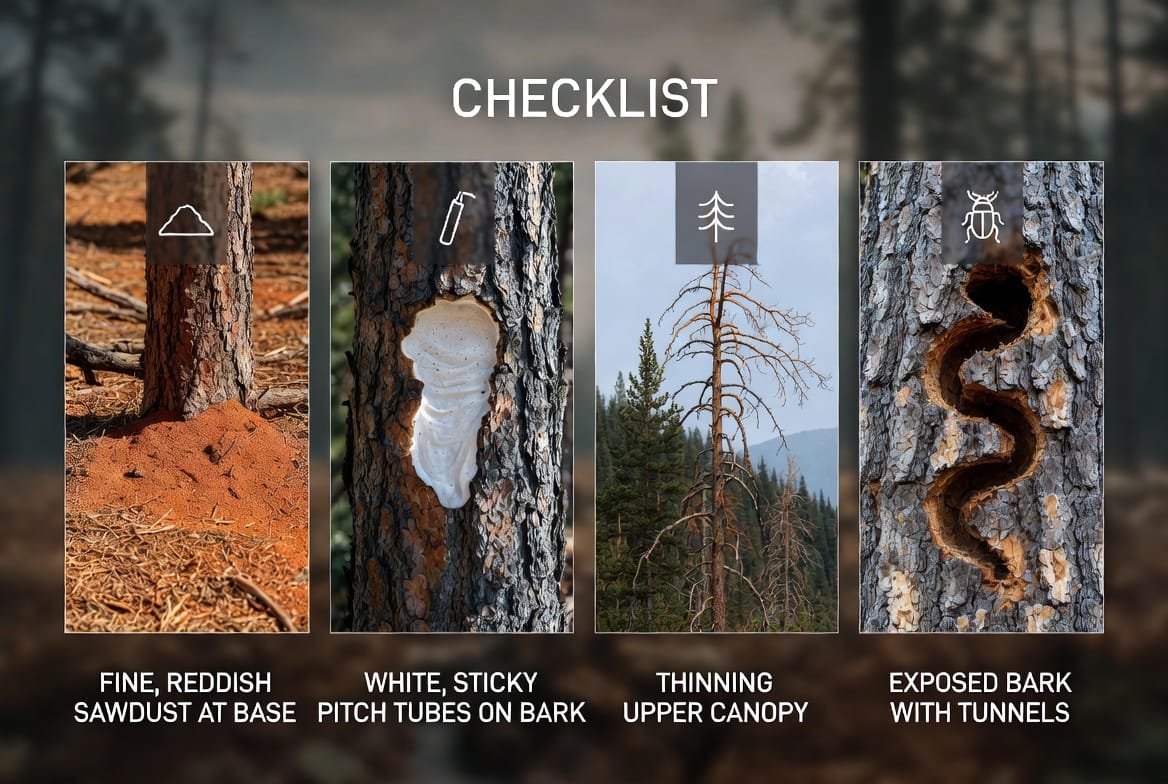
Early detection remains the single most effective defense. Several reliable indicators appear on the exterior of the tree long before the canopy fully dies.
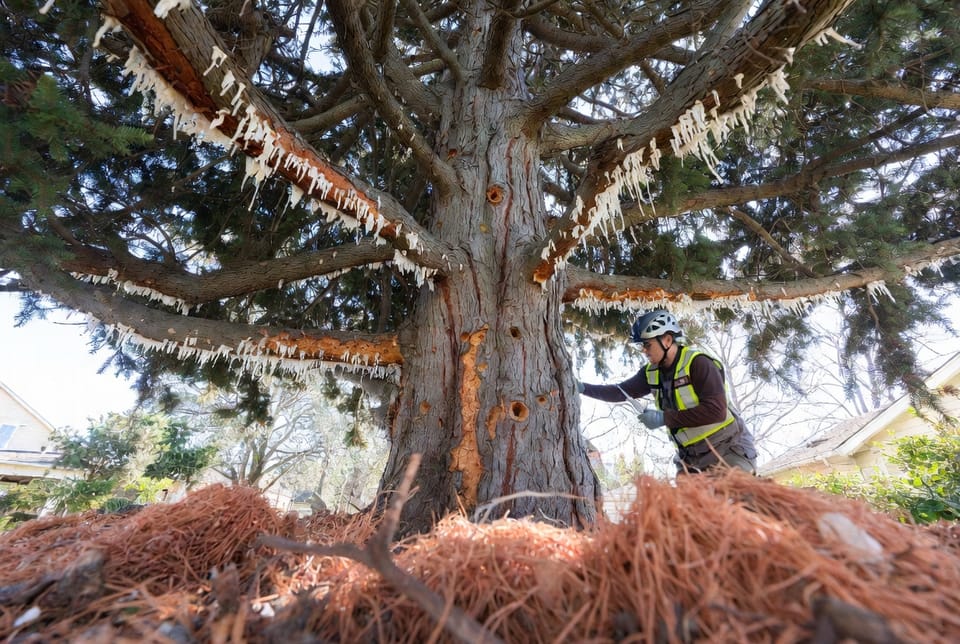
- Fine sawdust, often called frass, collects in bark crevices or forms small piles at the base of the trunk. This material consists of wood particles and insect waste pushed out of the entry holes.
- White or cream-colored pitch tubes form where the tree attempts to expel invading beetles with resin. These popcorn-like masses may be sticky when fresh and harden over time.
- Progressive canopy dieback begins in the upper crown and moves downward. Needles or leaves fade from green to dull yellow or red-brown while remaining attached for weeks.
- When bark is carefully peeled back by a trained professional, distinctive S-shaped galleries or winding larval tunnels become visible in the phloem. These patterns are unique signatures of bark beetle activity.
Other secondary clues include increased woodpecker activity as birds seek the larvae, small circular exit holes left by emerging adults, and a general thinning of foliage that cannot be explained by drought alone. Any combination of these signs warrants immediate professional evaluation. Waiting for complete browning of the crown usually means the tree has already passed the point of recovery.
The Devastating Impact on Trees
Once galleries and fungi interrupt the flow of sap, the tree begins a rapid decline. The canopy loses the ability to photosynthesize effectively. Roots, starved of energy, can no longer support the structure. In conifers, the classic “red-top” appearance often develops within a single growing season. Hardwoods may show slower but equally fatal crown thinning. Structural weakness follows; heavy limbs become brittle, and the entire trunk may fail under wind load.
Beyond the loss of a single specimen, infested trees serve as breeding sites that generate new generations of beetles ready to attack neighboring trees. In residential settings this can create a cascade effect across an entire street or property. Property values, shade, privacy screening, and storm protection all diminish when multiple trees are compromised. The emotional cost of losing mature landscape trees that took decades to grow is often underestimated until the damage becomes irreversible.
Effective Treatment Options
Successful management depends on the stage of infestation and the overall health of the tree.
For trees that still show strong vigor and only limited beetle activity, preventive insecticide applications can protect the trunk. These materials form a barrier that kills adult beetles as they attempt to bore in. Timing is critical; applications must occur before peak flight periods and must cover the entire trunk surface thoroughly. Only licensed professionals should apply these products, ensuring proper rates, coverage, and environmental safeguards.
Once a tree is heavily colonized and galleries have already girdled significant portions of the circumference, chemical treatment rarely succeeds. At that point the priority shifts to sanitation. Removal of infested trees eliminates the brood before new adults emerge and disperse. Prompt cutting, followed by proper disposal—chipping, burning where permitted, or removal from the site—breaks the reproductive cycle. Leaving cut material on the ground for extended periods simply creates new sources of beetles.
In some cases selective pruning of heavily attacked limbs can buy time, but this approach is limited. The majority of productive galleries occur on the main stem. Soil moisture management, mulching, and careful watering during drought stress the tree less and improve its natural resin defense, yet these cultural practices alone cannot reverse an active infestation.
When Removal Becomes Necessary
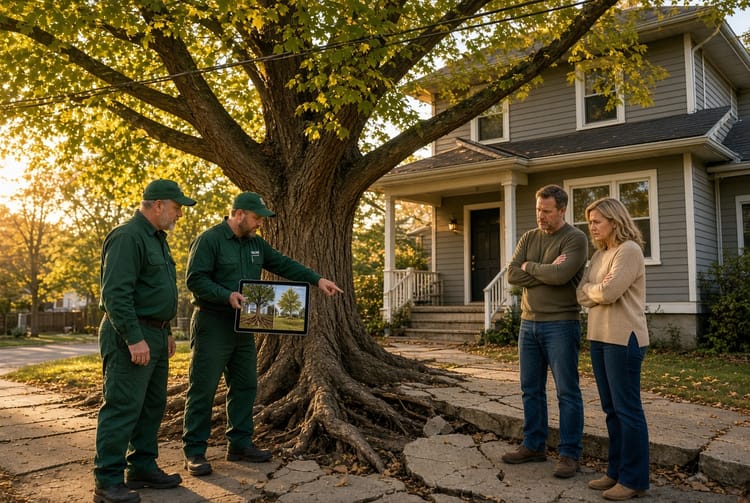
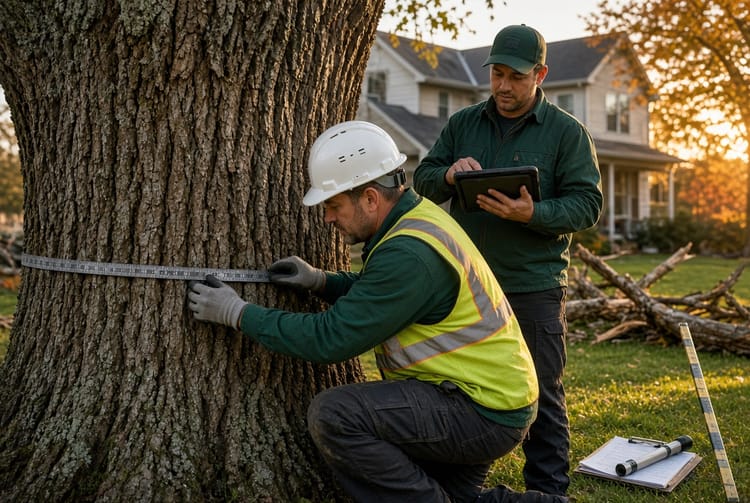
Professional arborists evaluate several factors before recommending tree removal: the density of pitch tubes, the extent of canopy discoloration, the presence of exit holes indicating adult emergence, and the overall structural integrity of the tree. Trees that pose an immediate hazard to structures, power lines, or high-traffic areas receive priority. Even when a tree is not yet hazardous, allowing it to remain standing while beetles complete their life cycle risks neighboring specimens.
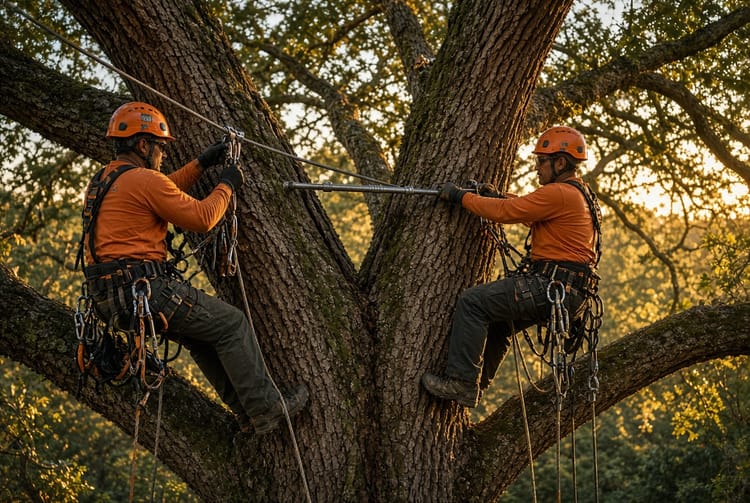
Removal should always be performed by trained crews using appropriate rigging and safety protocols. Improper felling can damage surrounding landscape features or create new injuries that invite secondary pests. After the tree is down, the stump is typically ground below grade to eliminate residual breeding material and prepare the site for future planting if desired.
Preventing Future Infestations
Long-term protection focuses on reducing tree stress and monitoring regularly. Maintain proper spacing to improve air circulation and reduce competition for water. Avoid construction damage to root zones. During prolonged dry periods, deep watering that reaches the root zone helps trees maintain resin pressure. Regular visual inspections—especially in late spring and mid-summer when beetle flight peaks—catch problems early.
When new trees are planted, select species and cultivars known for greater resistance in the local climate. Diversifying the landscape so that no single species dominates also limits the potential for widespread losses. Homeowners associations and municipalities increasingly adopt coordinated monitoring programs that track regional beetle activity and issue timely alerts.
Professional Assessment and Action
Bark beetle management is not a do-it-yourself project once symptoms appear. Accurate identification of the beetle species, assessment of tree vitality, and selection of the correct treatment or removal strategy require specialized knowledge and equipment. Certified arborists combine visual inspection with tools such as resistographs or sonic tomography when needed to evaluate internal decay. They also understand local regulations governing disposal of infested material and the safe use of restricted insecticides.
Delaying action almost always increases both the biological and financial cost. A single infested tree left standing can generate enough emerging adults to attack dozens of nearby trees within one season. Conversely, timely intervention—whether protective spraying of high-value specimens or prompt sanitation removal—protects the broader landscape investment.
Property owners who notice any combination of sawdust, pitch tubes, unexplained canopy dieback, or suspect S-shaped galleries should schedule an evaluation without delay. Early professional involvement frequently converts a potential landscape-wide problem into a manageable single-tree issue.
Protect Your Landscape – Call for Fast Tree Removal