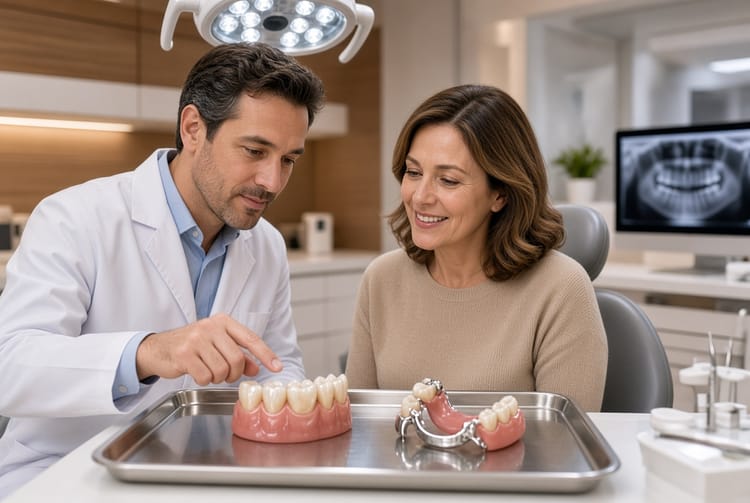
The Tooth Wear Assessment: Diagnosing Bruxism and Erosion
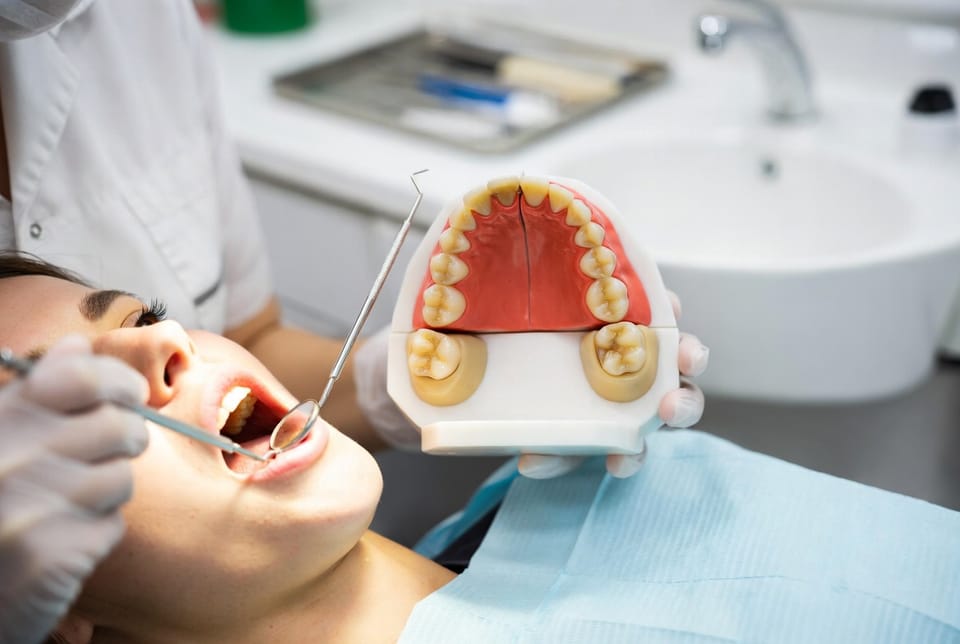
Tooth wear is a common yet often overlooked dental concern that can significantly impact your oral health, comfort, and smile aesthetics over time. In this comprehensive guide, we explore the critical process of tooth wear assessment, focusing on two primary culprits: bruxism (teeth grinding) and acid erosion. Dentists use precise diagnostic techniques to identify these issues early, preventing further damage and restoring function.
Protect Your Smile from Bruxism & Acid Wear – Call Today
Whether you're experiencing subtle sensitivity or more noticeable changes in your bite, understanding these conditions empowers you to take proactive steps. With proper diagnosis and treatment, most patients achieve excellent outcomes and enjoy renewed confidence in their smiles.
This article delves into the signs, diagnostic methods, and effective treatments, providing you with authoritative insights to guide your dental care decisions.
What Is Tooth Wear and Why Does It Matter?
Tooth wear occurs when the protective enamel layer gradually diminishes due to mechanical or chemical factors. Unlike cavities, which result from decay, tooth wear stems from physical forces or acidic exposure. Early detection through a professional tooth wear assessment is essential because enamel does not regenerate.
Key risks of untreated tooth wear include:
- Increased tooth sensitivity to hot, cold, or sweet foods
- Compromised bite alignment and jaw strain
- Aesthetic changes such as shortened or discolored teeth
- Higher susceptibility to fractures or further erosion
Dentists employ detailed clinical examinations, patient history reviews, and sometimes advanced imaging to pinpoint the exact cause. This reassuring approach ensures tailored solutions that address root issues rather than symptoms alone.
Understanding Bruxism: The Impact of Teeth Grinding
Bruxism involves involuntary clenching or grinding of teeth, often during sleep but sometimes while awake due to stress. Many patients are unaware they grind until a dentist identifies characteristic patterns during a routine visit.
Dentists identify bruxism through a combination of visual inspection, patient-reported symptoms, and occlusal analysis. They look for specific wear patterns that differ markedly from other forms of damage.
Common Signs of Bruxism
During a tooth wear assessment, professionals note these hallmark indicators:
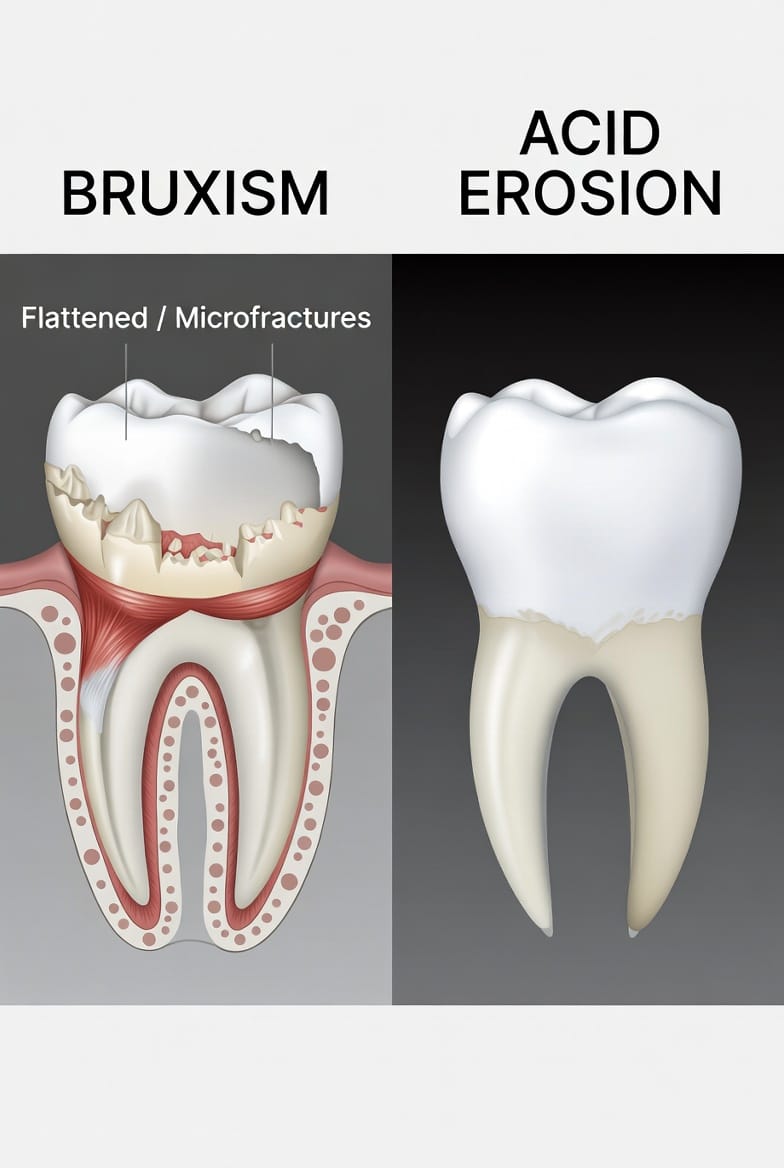
- Flattened cusps: The pointed tips of teeth become level and smooth from repeated grinding forces.
- Microfractures: Tiny cracks in enamel visible under magnification.
- Jaw pain and TMJ discomfort: Tenderness in the temporomandibular joint, often accompanied by headaches or earaches.
- Hypertrophied masseter muscles: Enlarged chewing muscles from chronic clenching.
- Chipped or fractured restorations: Existing fillings or crowns showing unusual wear.
These signs help differentiate bruxism from other issues, allowing for precise intervention.
Acid Erosion: Chemical Wear from Dietary and Lifestyle Factors
Acid erosion results from frequent exposure to acidic substances that soften and dissolve enamel. Common sources include citrus fruits, sodas, sports drinks, reflux, or certain medications.
Diagnosis involves assessing the distinctive smooth, scooped-out appearance of affected surfaces, which contrasts with the mechanical damage of bruxism.
Recognizing Signs of Acid Erosion
Dentists identify erosion by examining:
- Smooth, cupped surfaces: Especially on biting edges and inner tooth surfaces.
- Preserved anatomy initially: Unlike grinding, erosion often leaves a polished, glassy look without jagged edges.
- Increased translucency: Thinned enamel makes teeth appear more see-through.
- Sensitivity and yellowing: As dentin becomes exposed.
Bold warning: Frequent acid exposure accelerates wear, making professional evaluation vital for long-term protection.
Differentiating Bruxism from Acid Erosion: A Professional Approach
Accurate diagnosis requires comparing wear patterns side-by-side. Bruxism typically shows flat, even wear across occlusal surfaces with possible muscle involvement. Erosion presents as generalized thinning with cupped lesions, often more pronounced on non-biting surfaces.
Dentists may use:
- Articulating paper to map bite contacts
- Digital scanning for precise 3D models
- Patient questionnaires about sleep habits, diet, and stress levels
This thorough tooth wear assessment ensures the correct condition is targeted, leading to more effective outcomes.
Treatment Strategies for Bruxism
Once diagnosed, bruxism management focuses on protection and stress reduction. Treatments are highly successful when patients follow professional guidance.
Common approaches include:
- Custom night guards: Fabricated from durable materials to cushion grinding forces and prevent further flattening of cusps.
- Stress management techniques: Recommendations for relaxation exercises or behavioral therapy.
- Botox for severe cases: Strategic injections to relax overactive jaw muscles.
- Restorative dentistry: Crowns or bonding to rebuild worn tooth structure.
With consistent use of protective appliances, patients often report significant reduction in jaw pain and halted progression of wear.
Effective Management of Acid Erosion
Treatment for acid erosion emphasizes protection from further acid attacks and rebuilding lost tooth structure.
Key interventions:
- Dietary counseling: Guidance on reducing acidic intake and timing consumption with meals.
- Fluoride applications: Professional varnishes or high-concentration home products to strengthen remaining enamel.
- Bonding and veneers: Conservative restorations that restore shape and protect vulnerable areas.
- Addressing underlying causes: Referral for reflux management when medical factors contribute.
Reassuring fact: Early intervention can halt erosion effectively, preserving natural teeth for years to come.
The Role of Preventive Care in Tooth Wear Management
Prevention forms the cornerstone of long-term success. Regular dental visits allow for ongoing tooth wear assessments that catch changes early.
Preventive tips include:
- Wearing a night guard as prescribed
- Using a soft-bristled toothbrush and non-abrasive toothpaste
- Rinsing with water after acidic foods instead of brushing immediately
- Staying hydrated and chewing sugar-free gum to neutralize acids
- Managing stress through healthy lifestyle choices
These habits, combined with professional oversight, minimize risks and support optimal oral health.
When to Schedule Your Tooth Wear Evaluation
If you notice any signs of wear—such as sensitivity, visible changes, or discomfort—don't wait. Early diagnosis of bruxism or acid erosion can prevent extensive restorative work later.
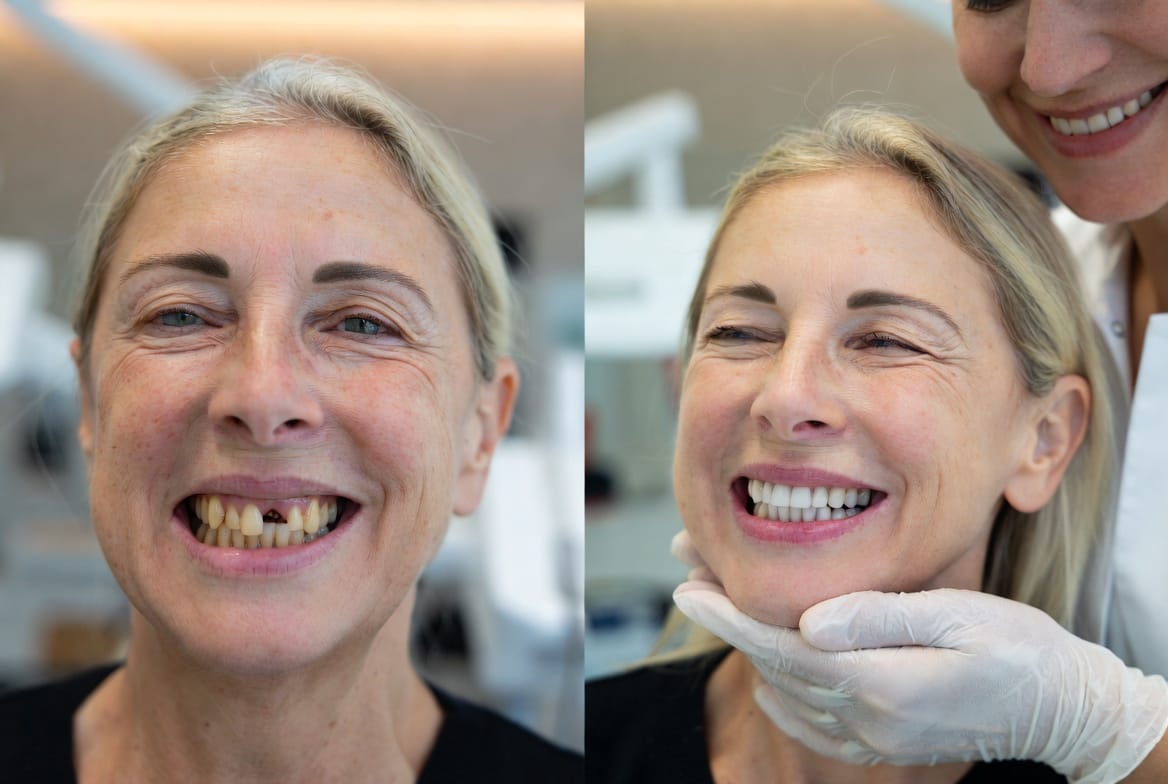
Our experienced team specializes in comprehensive evaluations using the latest techniques. We provide clear explanations and personalized treatment plans designed for your unique needs.
Take Action Today for a Healthier Smile
Identifying the cause of tooth wear is the first step toward lasting dental wellness.
Don't let undetected bruxism or erosion compromise your quality of life. With proactive assessment and treatment, you can protect your teeth and enjoy the confident smile you deserve.
Get Expert Tooth Wear Diagnosis – Call Today