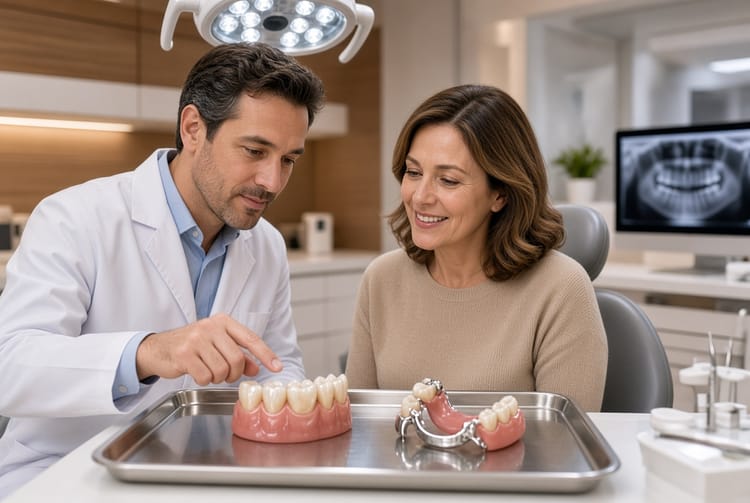
The Dental Implant Aftercare: Ensuring Long-Term Success
A dental implant is one of the most reliable and life-changing solutions modern dentistry offers for replacing missing teeth. When the implant is placed correctly and the surrounding bone integrates with the titanium post—a process known as osseointegration—the result can look, feel, and function like a natural tooth for decades. However, the surgical placement itself is only the beginning. The true measure of success depends on what happens afterward. Dental implant aftercare is not optional; it is the critical factor that determines whether your investment lasts a lifetime or encounters preventable complications.
Ensure Long-Term Implant Success – Call Now
This guide explains exactly what to do after implant placement, covering oral hygiene, dietary adjustments, follow-up care, and the daily habits that protect your implant. Follow these recommendations consistently and you give your implant the best possible chance of remaining stable, comfortable, and aesthetically pleasing for many years.
Immediate Care in the First 24–72 Hours
The hours and days right after surgery set the tone for healing. Your dentist or oral surgeon will give you specific written instructions, and those instructions should be followed precisely.
Expect some swelling, mild discomfort, and minor bleeding. These are normal responses as the body begins the healing process. Apply a cold compress to the outside of the face in 15-minute intervals during the first day to control swelling. Keep your head elevated when resting. Avoid vigorous rinsing, spitting, or using a straw, because suction can dislodge the blood clot that forms at the surgical site.
Take prescribed or recommended pain medication as directed. Most patients find that over-the-counter options are sufficient after the first day, but never exceed the recommended dose. If you notice increasing pain, persistent bleeding, or a fever, contact your dental team immediately. Early intervention prevents small issues from becoming larger ones.
Oral Hygiene: The Cornerstone of Implant Longevity
Once the initial healing phase begins, oral hygiene becomes the most important daily habit you can practice. Implants do not decay like natural teeth, but the surrounding gum tissue and bone remain vulnerable to bacterial plaque. If plaque is allowed to accumulate, it can lead to peri-implant mucositis (inflammation of the gums around the implant) and, if untreated, peri-implantitis (a more serious infection that can destroy supporting bone).
Begin gentle cleaning as soon as your clinician advises—usually 24 hours after surgery. Use a soft-bristled toothbrush or a specialized implant brush. Angle the bristles at 45 degrees toward the gum line and use small circular motions. Pay particular attention to the area where the implant crown meets the gum.
- Floss daily with implant-specific floss or a water flosser set on a low-to-medium setting.
- Consider an antimicrobial rinse if recommended by your dentist.
- Clean every surface of the implant crown and the adjacent natural teeth.
- Avoid abrasive toothpastes that can scratch the implant surface.
Consistency matters more than intensity. Two thorough cleanings per day, plus an extra session after meals when possible, keep bacterial levels low and support healthy tissue around the implant.
Dietary Guidelines After Implant Placement
What you eat in the weeks following surgery directly affects healing and the stability of the implant. For the first few days, stay with a soft-food diet. Yogurt, scrambled eggs, mashed vegetables, smoothies (without a straw), and lukewarm soups are excellent choices. These foods require minimal chewing and reduce pressure on the surgical site.
Gradually reintroduce firmer foods as comfort allows, usually after the first week. Even then, avoid extremely hard, sticky, or crunchy items—ice, hard candy, nuts, caramel, and tough meats—until your dentist confirms that osseointegration is progressing well.
Stay well hydrated, but skip very hot beverages and alcohol during the initial healing period. Both can increase swelling or interfere with clot formation. If you smoke, this is the ideal time to stop. Tobacco use is one of the strongest predictors of implant complications because it restricts blood flow and slows healing.
Long-term, a balanced diet rich in protein, vitamin C, calcium, and vitamin D supports bone health and gum integrity. Think of nutrition as another layer of protection for your implant.
The Importance of Scheduled Follow-Up Visits
Professional monitoring is essential. Your dentist will schedule a series of follow-up appointments to check healing, remove sutures if necessary, and evaluate how well the implant is integrating with the bone.
Typical timing includes a visit within the first week, another at two to four weeks, and additional checks before the final crown is attached. Once the restoration is in place, most patients move to a maintenance schedule of professional cleanings every three to six months.
During these visits the dental team will:
- Examine the gum tissue around the implant for signs of inflammation.
- Take radiographs when needed to confirm bone levels.
- Perform specialized cleaning that reaches areas a home toothbrush cannot.
- Adjust the bite if the implant crown is taking excessive force.
Never skip these appointments. Early detection of even minor issues allows simple corrections instead of more involved treatment later.
Long-Term Habits That Protect Your Investment
After the implant is fully restored, the focus shifts from healing to preservation. The same principles of excellent oral hygiene and regular professional care continue indefinitely.
Be mindful of habits that place extra stress on the implant. Nighttime grinding or clenching (bruxism) can loosen the implant or damage the crown. If you grind your teeth, a custom night guard is often recommended. Avoid using your teeth as tools to open packages or bite fingernails.
If you participate in contact sports, wear a protective mouthguard. Implants are strong, but they are not indestructible.
Systemic health also plays a role. Conditions such as uncontrolled diabetes or certain autoimmune disorders can affect healing and long-term stability. Work with both your dentist and physician to keep these conditions well managed.
Recognizing Warning Signs Early
Even with excellent care, it is wise to know what to watch for. Contact your dental office promptly if you notice:
- Persistent swelling or redness around the implant.
- Bleeding that does not stop with gentle pressure.
- A feeling that the implant or crown is loose.
- Pain that increases rather than decreases after the first few days.
- A bad taste or odor that suggests infection.
Most of these signs can be addressed successfully when they are caught early. Waiting often turns a manageable situation into a more complex one.
Building a Partnership With Your Dental Team
Successful dental implant aftercare is a partnership. You handle the daily routines at home; your dental professionals provide the expertise, specialized tools, and ongoing assessment. Ask questions at every visit. Make sure you understand how to clean around your specific type of implant and restoration. Request demonstrations if anything feels unclear.
Many practices offer customized aftercare kits that include the exact brushes, floss, and rinses best suited to your implant. Using the right tools makes home care easier and more effective.
Conclusion: Your Implant Can Last a Lifetime
When patients follow a structured aftercare plan—meticulous oral hygiene, thoughtful diet, consistent follow-up appointments, and healthy lifestyle choices—dental implants routinely last 20 years or longer, and many last a lifetime. The technology is proven. The surgical techniques are refined. The variable that most often determines the outcome is the care you provide after the procedure.
Ensure your implant lasts. Proper aftercare is straightforward, and the rewards—comfortable chewing, a confident smile, and peace of mind—are well worth the effort.
If you have questions about your specific aftercare plan or would like to schedule a follow-up visit. Our team is ready to help you protect your investment and enjoy the full benefits of your new smile for years to come.
Make Your Dental Implant Last – Call Today