The Tasmanian Oak Flooring: Australian Hardwood with Versatility
Tasmanian oak flooring stands as a premier choice for homeowners and designers seeking an Australian hardwood that blends natural beauty with exceptional performance. This remarkable timber delivers light, inviting tones and a refined presence that elevates contemporary living spaces while offering the durability needed for everyday family life. When you select Tasmanian oak, you gain a flooring solution rooted in Australia’s rich forestry heritage, engineered for versatility across open-plan homes, stylish apartments, and commercial interiors alike.
Choose Versatile Tasmanian Oak Flooring – Call Now!
In today’s design landscape, where clean lines and natural materials dominate, Tasmanian oak flooring provides the perfect foundation. Its subtle character supports minimalist aesthetics without overpowering furniture or décor. Homeowners appreciate how this Australian hardwood creates an immediate sense of warmth and spaciousness, making rooms feel larger and more connected to the outdoors. Whether you are renovating a heritage property or building a new modern residence, the inherent qualities of this timber ensure lasting satisfaction and value.
Understanding the True Nature of Tasmanian Oak
Many people are surprised to learn that Tasmanian oak is not a single tree species. It is a carefully selected mix derived from three eucalyptus varieties native to Tasmania’s cool temperate forests. This unique combination produces boards that share consistent visual and structural traits while offering slight natural variations that add depth and interest. The result is a flooring product that feels authentic and organic yet remains reliable for large-scale installations.
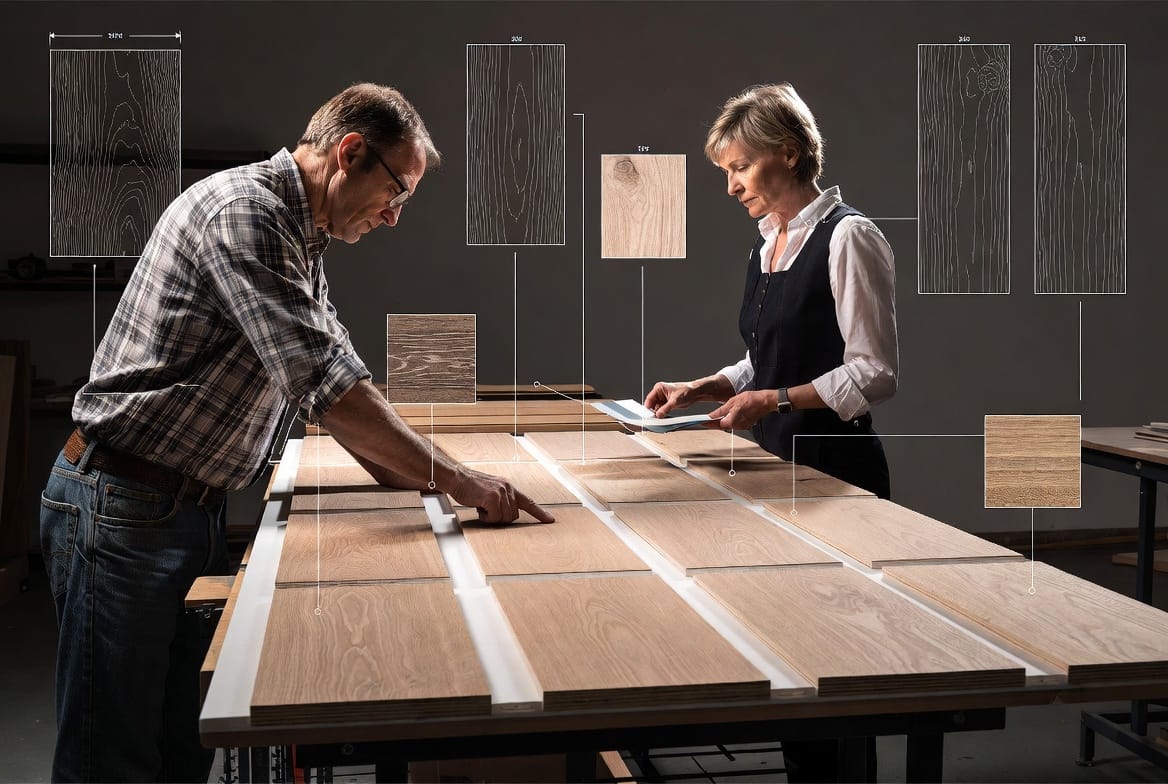
The light color range of Tasmanian oak flooring typically spans pale straw through soft golden honey hues. These tones reflect light beautifully, brightening interiors and reducing the need for heavy artificial lighting during the day. Paired with a subtle, fine grain pattern, the surface never appears busy or distracting. Instead, it offers a calm, sophisticated backdrop that complements both Scandinavian-inspired furniture and more robust Australian bush settings.
Durability remains a core strength. With a Janka hardness rating between 1180 and 1400, Tasmanian oak resists dents and wear far better than many softer imported alternatives. This hardness range positions it as an ideal choice for high-traffic areas such as hallways, living rooms, and kitchens. Families with children or pets find peace of mind knowing the floor can withstand daily activity while retaining its elegant appearance for decades.
Key Characteristics That Define Superior Performance
Several defining features make Tasmanian oak flooring stand out among Australian hardwoods:
- Janka hardness of 1180–1400 delivers reliable resistance to impact and abrasion.
- Light color with subtle grain creates an airy, modern atmosphere that enhances natural light.
- Origin from three eucalyptus species ensures balanced strength, stability, and visual harmony.
- Excellent dimensional stability reduces movement in response to seasonal humidity changes common in Australian climates.
- Smooth machining qualities allow for precise milling into tongue-and-groove or engineered formats.
- Compatibility with a wide range of surface finishes, from ultra-matte to soft satin sheens.
These attributes combine to produce a floor that looks refined on day one and continues to perform under real-world conditions. The moderate hardness level strikes an ideal balance—hard enough for longevity yet workable enough for custom installations and on-site adjustments.
Why Tasmanian Oak Excels in Modern Interiors
Contemporary design prioritizes openness, natural materials, and understated elegance. Tasmanian oak flooring aligns perfectly with these principles. Its pale, luminous tones expand visual space, making apartments feel more generous and larger homes feel cohesive from room to room. Designers frequently specify this Australian hardwood because it pairs effortlessly with white walls, black metal accents, concrete elements, and soft textiles.
In open-plan living areas, the continuous flow of Tasmanian oak boards creates a seamless foundation that unifies kitchen, dining, and lounge zones. The subtle grain pattern adds quiet texture without competing with artwork or statement furniture. Underfloor heating systems also work exceptionally well with this timber, providing comfortable warmth during cooler months while the light surface keeps spaces feeling fresh in summer.
Homeowners seeking biophilic design elements appreciate how Tasmanian oak brings the essence of Australian forests indoors. The timber’s natural origin story and gentle visual character foster a calming environment that supports wellbeing. Whether finished with a clear oil or a protective hard-wax coating, the floor maintains its authentic look while gaining enhanced resistance to spills and scratches.
Practical Advantages for Everyday Living
Beyond aesthetics, Tasmanian oak flooring offers practical benefits that reassure both installers and occupants. Its moderate density allows for efficient cutting and fitting, reducing installation time compared with denser tropical hardwoods. Once laid, the floor accepts refinishing multiple times over its lifespan, restoring the surface whenever wear becomes noticeable. This renewability represents excellent long-term value.
Maintenance remains straightforward. Regular sweeping or vacuuming removes grit that could otherwise dull the finish. Occasional damp mopping with a pH-neutral cleaner keeps the surface looking fresh. Because the timber originates from sustainably managed Australian forests, many suppliers provide chain-of-custody documentation that supports environmentally conscious purchasing decisions.
In multi-level homes or apartments, the relatively stable nature of Tasmanian oak minimizes the risk of excessive expansion or contraction. Proper acclimatization before installation further ensures a trouble-free result. Professional installers routinely recommend this Australian hardwood for projects where clients desire a light, versatile look without sacrificing performance.
Comparing Options and Making an Informed Choice
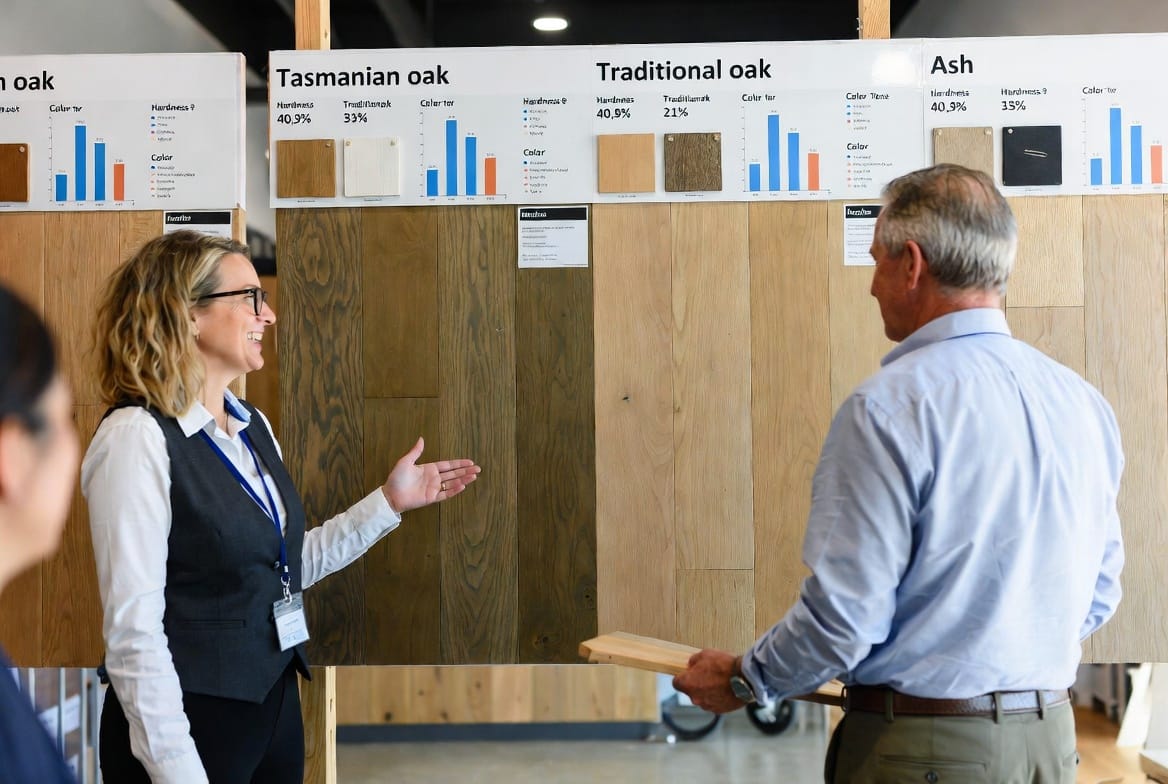
When evaluating flooring materials, hardness and color often guide the final decision. Tasmanian oak occupies a sweet spot that many imported European oaks and ashes cannot match in the Australian context. Its hardness range of 1180–1400 provides greater resilience than traditional European oak in many grades, while the consistently lighter color palette offers brighter interiors than the typically warmer or more variable tones of ash.
The subtle grain of Tasmanian oak also tends to appear more uniform across large areas than the bold figuring sometimes found in other species. This consistency simplifies design coordination and reduces the visual disruption that stronger grain patterns can introduce in expansive open spaces.
Installation and Long-Term Care Considerations
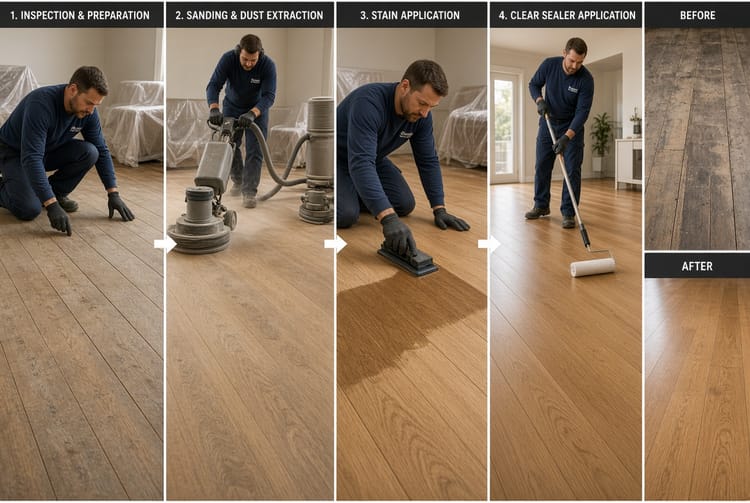
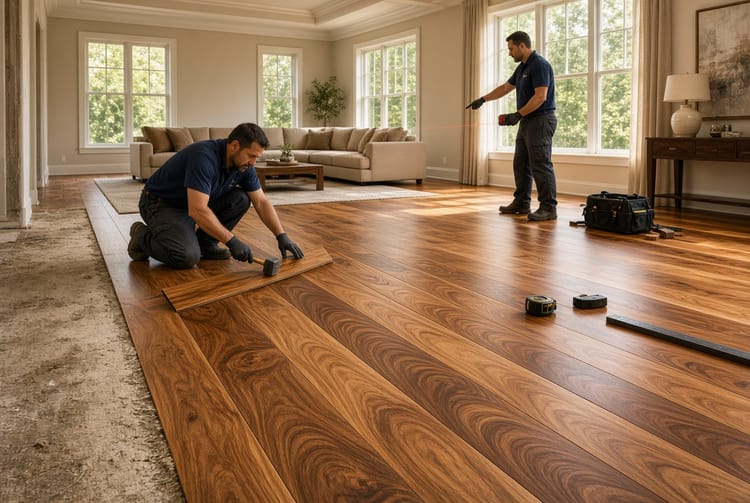
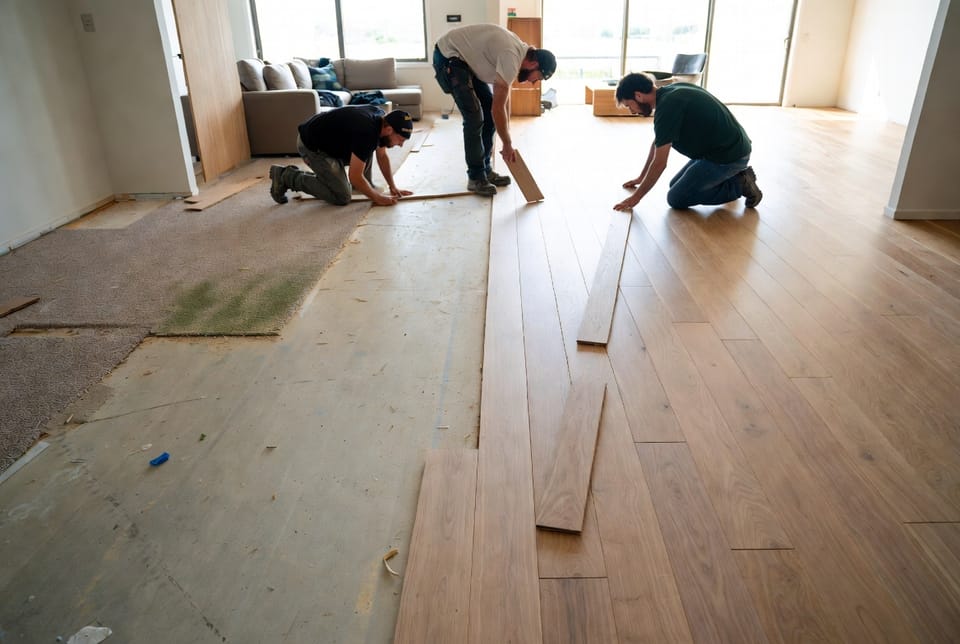
Successful installation begins with proper site preparation. Subfloors must be level, dry, and clean. Tasmanian oak boards should acclimatize in the installation environment for several days. Professional teams use proven techniques—whether floating engineered systems or solid timber fixed with adhesives or secret nailing—to achieve tight, stable joints.
Once installed, a high-quality finish protects the surface while enhancing the natural light color. Many modern coatings offer excellent UV resistance, helping the timber maintain its pale appearance rather than darkening excessively over time. Periodic professional maintenance, including light sanding and recoating every decade or so, keeps the floor looking new.
For households concerned about sustainability, choosing Tasmanian oak flooring from certified Australian sources supports responsible forest management practices. The timber’s local origin also reduces transport-related environmental impact compared with many imported alternatives.
Creating Timeless Spaces with Confidence
From coastal apartments to inland family homes, Tasmanian oak flooring adapts gracefully. Its combination of light color with subtle grain, reliable Janka hardness between 1180 and 1400, and origin from three eucalyptus species delivers both immediate visual appeal and decades of dependable service. Designers value the freedom it provides to experiment with furnishings and wall colors, knowing the floor will remain a calming constant.
Homeowners gain more than attractive surfaces; they invest in an Australian hardwood that enhances daily living while standing up to the realities of active households. The timber’s versatility extends to staircases, feature walls, and even outdoor-adjacent transitional spaces when appropriately specified and finished.
As interior trends continue to favor natural, light-filled environments, Tasmanian oak remains a forward-looking yet timeless selection. Its understated elegance never dates, and its performance characteristics continue to satisfy rigorous modern expectations.
Choose versatile Tasmanian oak for your next project and experience the difference that true Australian craftsmanship and natural quality can make. For personalized guidance on this exceptional Our specialists are ready to help you select the perfect flooring solution tailored to your space, lifestyle, and design vision.
Transform Your Home with Tasmanian Oak – Call Today!