The Tamper-Resistant Outlet: Child Safety Required by Code for New Homes

In today's homes, electrical safety stands as a cornerstone of family protection. As parents and homeowners, we prioritize keeping our loved ones safe from hidden hazards. One of the most significant advancements in residential electrical standards is the tamper-resistant outlet (also known as a TR receptacle).
Protect Your Kids with Code-Required TR Outlets – Call Now!
These innovative devices have become mandatory in new construction, offering a reliable barrier against one of the most common childhood electrical risks. This comprehensive guide explores everything you need to know about tamper-resistant receptacles, their life-saving design, code requirements, and why upgrading your home's outlets provides lasting peace of mind.
Understanding the Hidden Dangers of Standard Electrical Outlets
Every home contains dozens of electrical receptacles that power our daily lives. Yet, for young children, these seemingly ordinary fixtures pose a serious threat. Curious toddlers and preschoolers naturally explore their environment, and outlets at child height become tempting targets for small fingers, keys, paperclips, or hairpins.
Statistics highlight the urgency: Each year, approximately 2,400 children suffer severe shocks and burns from inserting objects into outlets, with thousands more treated in emergency rooms. Tragically, six to twelve fatalities occur annually from these preventable incidents. Young boys under age six represent the highest-risk group, often during moments of unsupervised play.
Traditional plastic outlet plugs or covers offer only temporary protection. Children can remove them quickly — often in seconds — leaving outlets exposed once again. These solutions require constant vigilance and replacement, making them unreliable for busy households.
What Are Tamper-Resistant Receptacles?
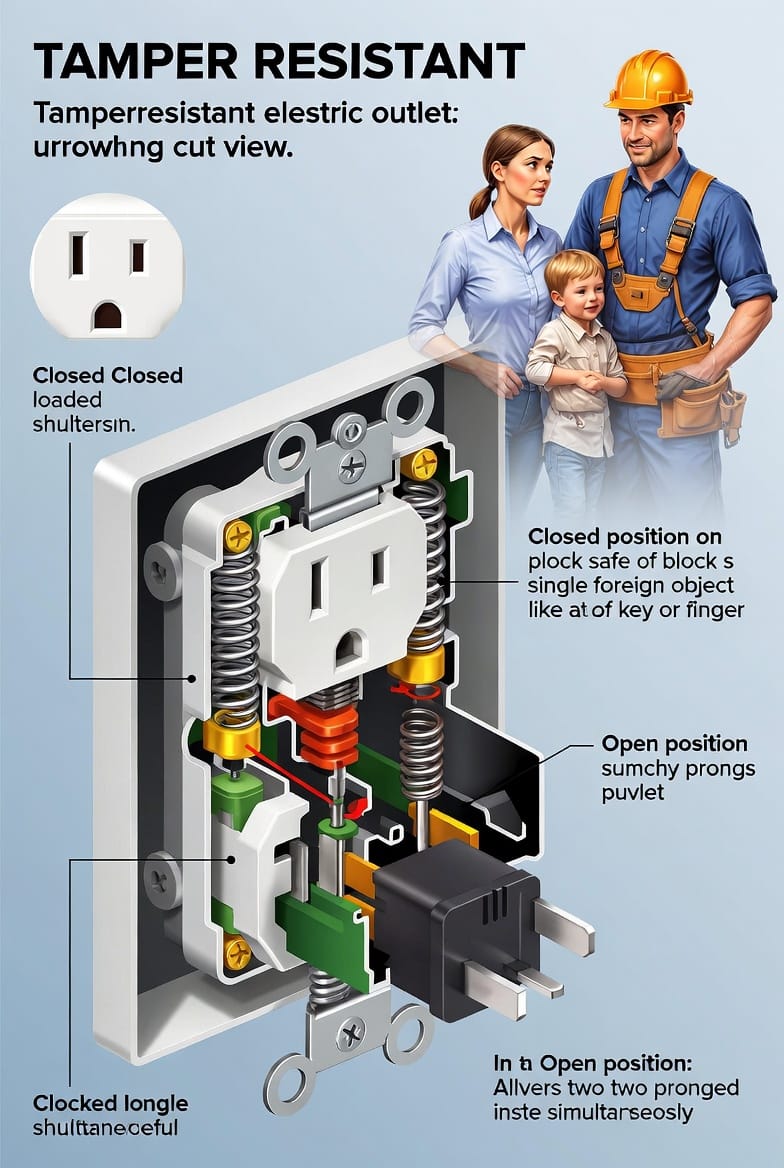
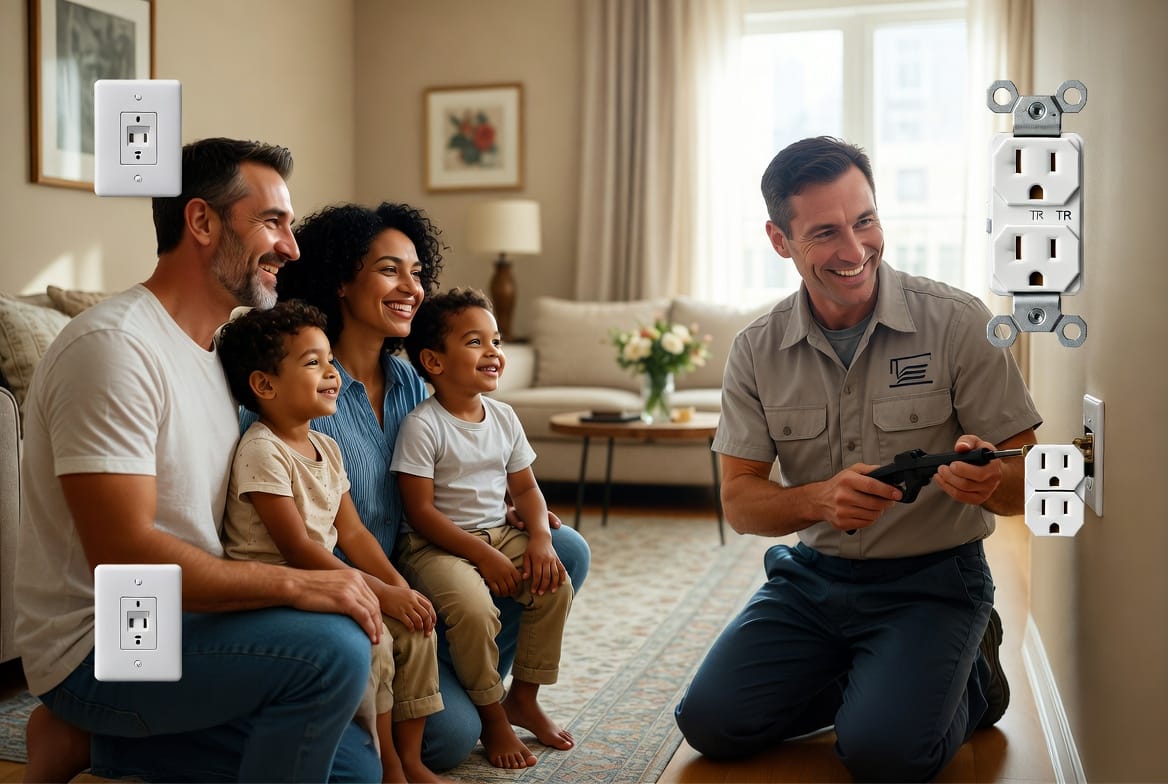
Tamper-resistant receptacles feature built-in safety mechanisms that set them apart from standard outlets. Inside each TR outlet, spring-loaded shutters cover the contact slots. These shutters remain firmly closed unless equal pressure is applied to both slots at the same time — precisely as a standard plug does.
A single object, such as a child's finger or a thin toy, cannot force both shutters open. This design prevents electrical contact, eliminating the risk of shock or burn.
TR outlets look nearly identical to conventional ones from the outside, often marked with a subtle "TR" imprint. They function seamlessly for everyday use while providing permanent, passive protection. Unlike removable covers, the safety feature is always active and cannot be defeated easily.
This technology originated in high-risk settings like pediatric hospitals in the 1980s. Its proven effectiveness led to broader adoption, culminating in national code requirements for homes.
Why Tamper-Resistant Outlets Outperform Traditional Solutions
Many homeowners rely on plastic plugs, but evidence shows their limitations. Studies demonstrate that nearly all toddlers can remove common outlet caps within seconds. These temporary fixes create a false sense of security and add household clutter.
Tamper-resistant outlets deliver superior benefits:
- Permanent protection — No need to monitor or replace covers.
- Child-focused design — Shutters block foreign objects while allowing normal plug use.
- Code compliance — Meets or exceeds modern safety standards.
- Aesthetic integration — Blends perfectly with any decor.
- Cost-effective long-term — Minimal added expense during installation or upgrades.
Families with or without young children benefit equally. Homes change occupants frequently, and visiting grandchildren or neighborhood kids may encounter the same risks. TR outlets create universally safer environments.
National Electrical Code Requirements for TR Outlets
The National Electrical Code (NEC) has mandated tamper-resistant receptacles in new homes since the 2008 edition. This requirement covers virtually all 15- and 20-amp, 125- and 250-volt non-locking receptacles in dwelling units.
Key locations where TR outlets are required include:
- All wall spaces in living areas, bedrooms, and hallways.
- Kitchens and countertop spaces.
- Bathrooms and laundry areas.
- Garages, attached and detached.
- Outdoors and accessory buildings.
- Common areas in multifamily dwellings.
Exceptions are limited, such as receptacles higher than 5½ feet above the floor or those dedicated to fixed appliances. Subsequent code updates (2011, 2014, 2017, 2020) have expanded coverage, reflecting ongoing commitment to electrical safety.
In new construction or major renovations, licensed electricians install TR receptacles as standard practice. For existing homes, professional upgrades ensure compliance and enhanced protection, especially in older properties with standard outlets.
Real-World Impact and Safety Statistics
The adoption of TR receptacles has contributed to measurable reductions in electrical injuries. By providing a reliable physical barrier, these outlets address the root cause of many incidents rather than relying on supervision alone.
Additional protective layers complement TR outlets effectively:
- Regular inspection of wiring and GFCI protection in wet areas.
- Child safety education tailored to developmental stages.
- Smoke detectors and AFCI breakers for comprehensive fire prevention.
- Professional electrical assessments during home maintenance.
Homeowners who upgrade report greater peace of mind, knowing their electrical system actively safeguards young explorers.
Benefits Beyond Child Safety
While protecting children remains the primary goal, tamper-resistant outlets offer broader advantages. They reduce accidental damage from improper insertions, potentially extending the life of your electrical system. In rental properties or homes with frequent guests, they minimize liability concerns.
Many insurance providers recognize upgraded safety features, which may contribute to favorable risk assessments. Modern TR receptacles maintain full functionality for high-power devices while delivering superior durability.
How to Upgrade Your Home to Tamper-Resistant Outlets
Upgrading existing outlets is a straightforward process best handled by qualified professionals. A licensed electrician can assess your panel, wiring, and overall system during installation to ensure compatibility and safety.
The process typically involves:
- Removing old receptacles.
- Installing listed TR replacements.
- Verifying proper grounding and circuit protection.
- Testing all connections thoroughly.
Costs remain reasonable, especially when performed alongside other electrical work. The investment delivers years of reliable protection far outweighing the minimal expense.
Warning: Attempting DIY electrical work without proper expertise can introduce new hazards. Always prioritize licensed professionals for outlet replacements to maintain code compliance and system integrity.
Choosing the Right TR Outlets for Your Home
Look for UL-listed tamper-resistant receptacles from reputable manufacturers. Options include standard white or decorator styles to match your interiors, USB-integrated models for modern convenience, and weather-resistant versions for outdoor use.
When planning upgrades, consider whole-home protection. Focus first on high-traffic child areas like playrooms, living spaces, and bedrooms. Comprehensive installation ensures every accessible outlet meets safety standards.
Integrating TR Outlets into Broader Home Safety Plans
Tamper-resistant outlets form one vital piece of a complete electrical safety strategy. Combine them with:
- GFCI protection in kitchens, bathrooms, and outdoors.
- AFCI breakers to prevent arc faults.
- Regular professional inspections.
- Proper cord management and surge protection.
- Family discussions about electrical dangers appropriate for children's ages.
These measures create layered defense that significantly reduces risks across the board.
The Evolution of Electrical Safety Standards
The journey toward mandatory TR receptacles reflects the industry's dedication to evolving with real-world data. From hospital use to universal residential requirements, this progression underscores a commitment to preventing avoidable tragedies.
As building codes continue advancing, staying informed empowers homeowners to make proactive decisions. Newer homes benefit from these standards automatically, while older properties gain tremendous value through targeted upgrades.
Peace of Mind for Growing Families
Raising children involves countless daily decisions. Ensuring your home's electrical system incorporates the latest safety technology ranks among the most impactful. Tamper-resistant outlets deliver reassurance that lasts through every stage of family life — from crawling infants to visiting grandchildren.
By meeting or exceeding code requirements, these outlets demonstrate a thoughtful approach to homeownership. They allow families to focus on creating memories rather than worrying about hidden dangers.
Ready to upgrade to safer, code-compliant electrical protection? Don't wait for an accident to highlight the risks. Contact our expert team today for professional TR outlet installation and comprehensive electrical safety assessments.
Get Professional TR Outlet Installation – Call Now!