The Springtail Swarm: Managing These Moisture-Loving Jumping Insects
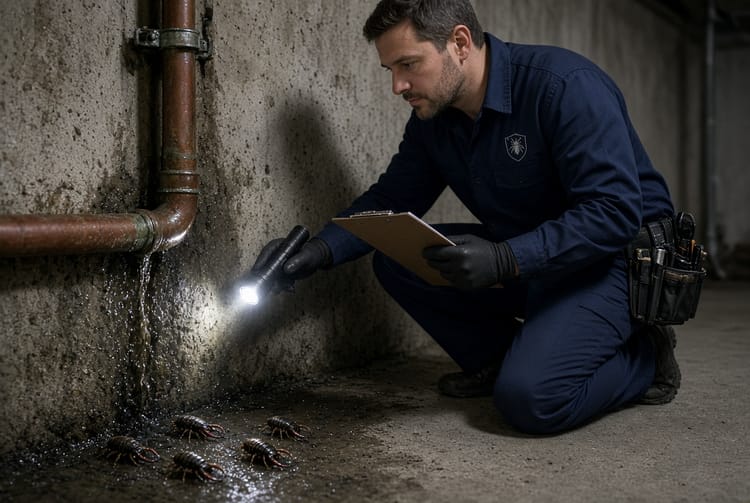
Springtails may be tiny, but when they appear in large numbers inside your home, they create a noticeable nuisance that signals a deeper issue. These moisture-loving jumping insects thrive in damp environments and can suddenly swarm across basement floors, window sills, or bathroom tiles. At first glance, their constant hopping may seem alarming, yet the good news is that springtails are completely harmless to people, pets, and structures. They do not bite, sting, or spread disease.
Dry Out to Drive Out Springtails – Call Now!
The real problem lies in what their presence reveals: excess moisture. By addressing the root cause through targeted moisture reduction and exclusion, you can eliminate springtails quickly and prevent them from returning. This comprehensive guide walks you through their behavior, why they invade homes, and proven, effective strategies that deliver lasting results.
Understanding Springtail Behavior
Springtails belong to a group of primitive, wingless arthropods that have adapted perfectly to wet conditions. Measuring just 1–2 millimeters long, they appear white, gray, or brownish and move with a distinctive “springing” action. When disturbed, a tail-like structure called a furcula snaps against the ground, launching them several inches into the air.
They thrive in damp soil, leaf litter, and decaying organic matter outdoors. High humidity and consistent moisture allow rapid reproduction—females can lay dozens of eggs that hatch within days under ideal conditions. Because they absorb oxygen directly through their soft exoskeleton, they cannot survive in dry air for long. This biological dependence on moisture makes them excellent indicators of hidden water problems inside your property.
In spring and after heavy rains, populations explode outdoors. When conditions shift, they seek shelter indoors. Their small size lets them squeeze through the tiniest cracks, and once inside they congregate in high-humidity zones. Homeowners often first notice them on windowsills or near potted plants because these areas retain residual dampness.
Why Springtails Enter Homes
Excess interior moisture is the single greatest invitation for a springtail swarm. Common entry triggers include:
- Leaking pipes or foundation cracks that allow groundwater seepage
- Poorly ventilated basements and crawl spaces where humidity climbs above 60 %
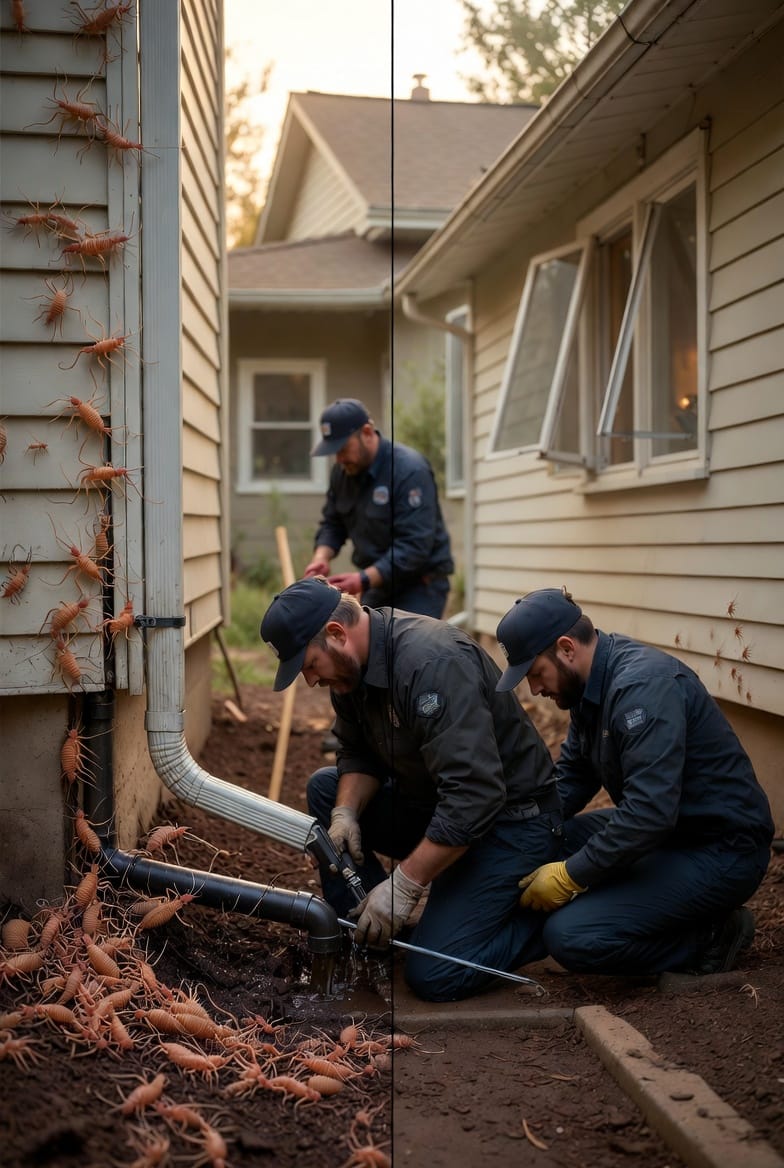
- Clogged gutters and downspouts directing rainwater against the foundation
- Over-mulched flower beds placed too close to the house exterior
- Condensation on cold water lines or uninsulated ducts
Once inside, springtails do not travel far from the moisture source. They stay near the damp area, feeding on mold, fungi, and microscopic organic debris. Their presence is therefore a helpful early warning that conditions are right for more serious issues such as mold growth or wood decay.
The Hidden Risks of Ignoring a Springtail Infestation
While springtails themselves pose no direct health threat, ignoring them allows the underlying moisture problem to worsen. Prolonged dampness can lead to structural damage, musty odors, and respiratory irritation for sensitive individuals. A persistent swarm also creates an uncomfortable living environment and may deter guests or lower property value during inspections.
The reassuring reality is that springtails are among the easiest pests to manage once moisture is brought under control. Unlike termites or rodents, they do not cause permanent harm and will disappear naturally when humidity drops and entry points are sealed.

Effective Moisture Reduction Strategies That Work
The most reliable way to drive out springtails is to dry out the environment. Lowering indoor relative humidity below 50 % makes the space inhospitable within days. Here is a proven step-by-step approach:
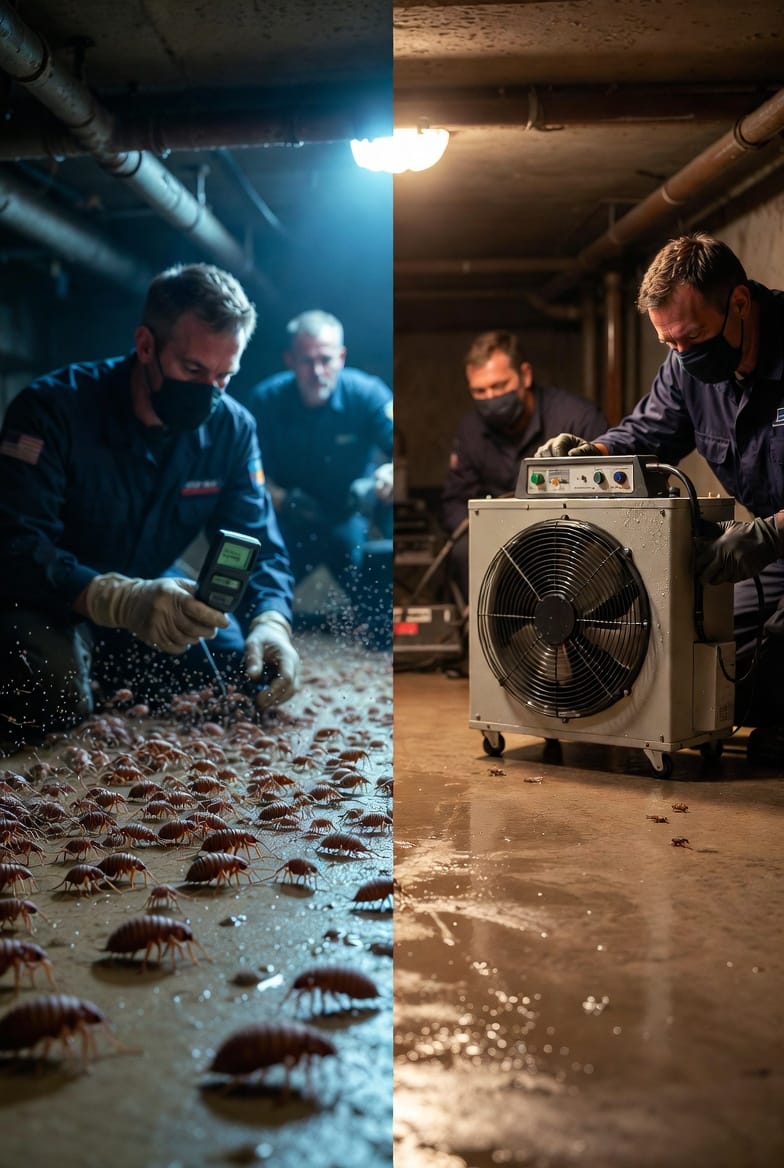
- Install and run commercial-grade dehumidifiers in basements, crawl spaces, and any area showing condensation. Aim for consistent operation until moisture readings stabilize.
- Repair all leaks immediately—even small drips from pipes or roof lines can sustain large populations.
- Improve ventilation by adding exhaust fans in bathrooms and kitchens and ensuring attic and foundation vents remain clear.
- Address exterior grading and drainage so water flows away from the foundation rather than pooling against it.
- Use moisture-absorbing materials such as silica gel packets or calcium chloride buckets in closets and storage areas as temporary support.
Homeowners who follow these steps consistently report seeing springtail numbers drop dramatically within one to two weeks. The key is persistence: moisture control is not a one-time fix but a new maintenance habit that protects your entire home.
Smart Exclusion Techniques to Block Future Entry
Once the interior is drier, focus on physical exclusion to prevent re-infestation:
- Seal cracks and gaps around windows, doors, utility penetrations, and foundation joints with high-quality caulk or expanding foam.
- Install door sweeps and weather-stripping on all exterior doors.
- Trim vegetation and reduce mulch depth to no more than two inches within 12 inches of the foundation.
- Clean and maintain gutters and downspouts quarterly to keep water moving away from the house.
- Consider professional waterproofing membranes or French drains for properties with chronic seepage.
These measures create a double barrier—dry conditions inside plus no easy access from outside.
When to Call Professional Moisture Control Experts
While many homeowners achieve excellent results with DIY efforts, certain situations call for expert intervention. If springtails return after initial drying, if visible mold is present, or if structural dampness affects large areas, a licensed pest control and moisture management team can deliver faster, more complete results.
Professionals use advanced tools such as thermal imaging cameras to locate hidden moisture pockets, industrial dehumidifiers, and long-term exclusion products that homeowners rarely have access to. They also provide follow-up monitoring to confirm the problem stays solved.
Long-Term Benefits of a Dry, Springtail-Free Home
Investing in proper moisture control does far more than eliminate jumping insects. It protects indoor air quality, prevents costly repairs from mold and rot, and creates a healthier living space for your family. Many clients notice fresher air, reduced allergy symptoms, and greater peace of mind after treatment.
Springtails are simply nature’s way of highlighting an imbalance. By listening to that signal and acting decisively, you turn a seasonal nuisance into an opportunity to safeguard your property for years to come.
Monitoring Progress and Preventing Recurrence
After implementing moisture reduction and exclusion, continue to monitor humidity levels with a reliable digital hygrometer. Check weekly for the first month, then monthly thereafter. Keep records of any new sightings and address them immediately. Simple habits such as wiping down condensation on windows and avoiding overwatering indoor plants go a long way toward maintaining a springtail-free environment.
Your Next Steps Toward a Pest-Free Home
Springtails thrive where moisture lingers, but they cannot survive in a properly dried and sealed environment. By combining moisture reduction, exclusion, and professional guidance when needed, you regain control of your space quickly and confidently.
Dry out to drive out springtails. For expert moisture control and complete springtail management tailored to your home. Our trained technicians are ready to inspect, diagnose, and resolve your moisture issues with proven, long-lasting solutions.
Don’t let a springtail swarm disrupt your comfort another day. Take action now and enjoy a drier, healthier home all year round.
Stop the Springtail Swarm with Expert Moisture Control – Call Now