The Spider Beetle: Tiny Pest That Mimics Spiders in Pantries
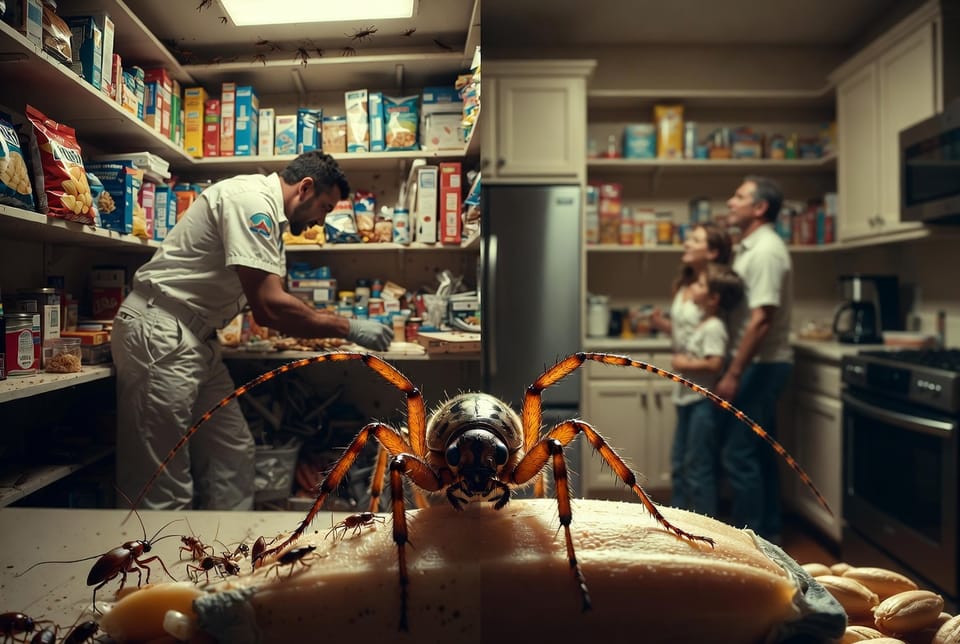
In the quiet corners of your kitchen pantry, an uninvited guest may be lurking – one that looks remarkably like a tiny spider but is actually a persistent pantry pest. The spider beetle often confuses homeowners, leading to unnecessary worry about arachnids when the real issue is a stored-product beetle infestation. These small invaders can contaminate your dried goods, grains, and spices, turning a well-stocked pantry into a source of frustration.
Get Rid of Pantry Pests Fast – Call Now!
At professional pest control services, we understand how alarming it can be to spot these creatures. The good news? With the right knowledge and prompt action, you can eliminate spider beetles effectively and safeguard your home. This comprehensive guide will help you identify, understand, and resolve spider beetle problems with confidence.
Understanding the Spider Beetle: Nature's Master of Disguise
Spider beetles belong to the family Ptinidae and are not spiders at all – they are beetles. Their name comes from their uncanny resemblance to small spiders, thanks to long legs, a rounded body, and the way they scuttle across surfaces. Common species include the American spider beetle (Mezium americanum), whitemarked spider beetle (Ptinus fur), and smooth varieties. Adults typically measure just 1.5 to 5 millimeters in length, making them easy to overlook until populations grow.
These hardy pests thrive in dry stored food sources. They don't fly, but their ability to survive extreme conditions, including freezing temperatures and long periods without food, makes them formidable pantry invaders. They often hitchhike into homes via infested packages from stores or warehouses.
Key behaviors include:
- Nocturnal activity: Most active at night, hiding in cracks during the day.
- Scavenging diet: Feeding on grains, cereals, spices, dried fruits, pet food, and even dead insects or debris.
- Dormancy: Entering a resting state when food is scarce, only to reemerge when conditions improve.
This resilience allows small infestations to persist undetected for months, potentially leading to widespread contamination of your food supplies.
Identifying Spider Beetles: Spot the Difference
Accurate identification prevents confusion with actual spiders or other pantry pests like flour beetles or weevils.
Look for these distinguishing features:
- Body shape: Globular, hunch-backed abdomen with a hidden head when viewed from above.
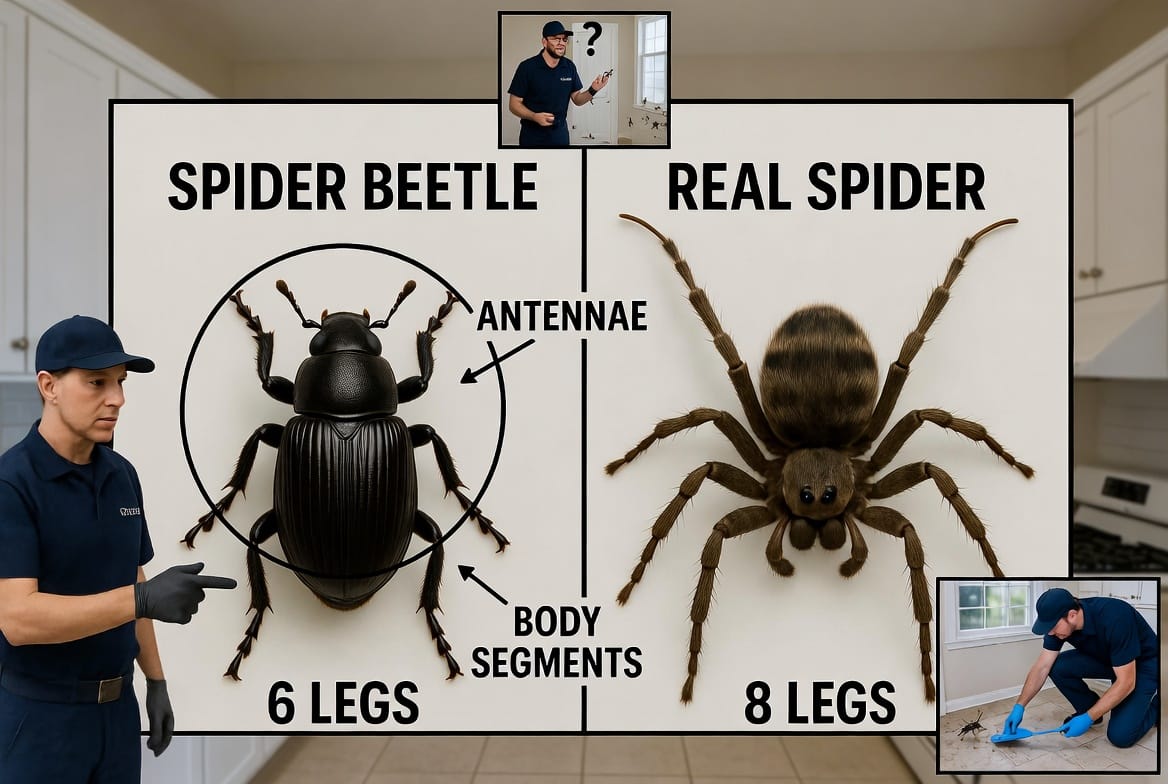
- Legs and antennae: Six long, spindly legs and prominent antennae (unlike spiders, which have eight legs and no antennae).
- Coloration: Reddish-brown to black, often with pale yellow or cream-colored hairs.
- Movement: They tend to play dead (feign death) when disturbed, curling their legs tightly.
Pro Tip: If you see what looks like a tiny spider but it has six legs and antennae, it's likely a spider beetle. True spiders have eight legs and two body segments.

Vulnerable Items and Associated Risks
Spider beetles target a wide range of household staples, making pantries prime targets.
Common infested products include:
- Flour, cereal, and grains
- Spices and dried herbs
- Dried fruits and nuts
- Pet food and birdseed
- Pasta, rice, and beans
- Even paper, fabric, or debris in some cases
Beyond contamination, these pests pose risks to food safety and home comfort. Larvae (C-shaped, creamy grubs) develop inside packages, leaving behind frass (insect waste) and shed skins that can trigger allergies or render food unusable. While they don't bite humans or spread diseases directly, their presence signals potential issues with storage practices or hidden moisture problems.
In families with young children or sensitive individuals, discovering pantry pests can cause significant stress. Early intervention restores peace of mind and protects your investment in groceries.
Life Cycle and Why Infestations Spread Quickly
Understanding the spider beetle life cycle empowers better prevention. Females lay eggs directly on or near food sources. Larvae feed and grow, pupate, and emerge as adults ready to continue the cycle. Under favorable pantry conditions, this can take about 3-4 months, allowing multiple generations in a single year.
They are particularly drawn to moldy or aged food, spilled crumbs, or unsealed packages. Once established, they can migrate to nearby areas like basements or attics, especially if bird nests, rodent droppings, or other organic debris are present.
Effective Elimination Strategies: Step-by-Step Guide
Eliminating spider beetles centers on source removal and thorough cleaning rather than just spraying. Here's a reassuring, proven approach:
- Inspect and Discard: Empty all pantry shelves. Throw away any infested or suspect packages – do not try to salvage them, as eggs or larvae may be hidden.
- Deep Clean: Vacuum cracks, crevices, and shelves thoroughly. Wash surfaces with hot soapy water. Pay special attention to corners and under appliances.
- Seal and Protect: Transfer remaining food into airtight glass or plastic containers. This starves potential survivors.
- Monitor: Use sticky traps to detect any remaining activity.
For severe or recurring issues, professional pest control provides targeted treatments, including safe residual applications and follow-up monitoring to ensure complete elimination.
Bold Action Steps for Homeowners:
- Regular rotation of pantry stock (first-in, first-out).
- Check incoming groceries before storing.
- Maintain dryness – fix any leaks that could encourage mold.
- Declutter storage areas to reduce hiding spots.
Prevention: Building Long-Term Pantry Defense
Prevention is the most effective defense against spider beetles and similar pantry pests. Adopt these habits for a pest-free home:
- Store all dry goods in sealed containers immediately.
- Keep pantries clean and organized.
- Inspect pet food and bulk purchases carefully.
- Consider professional inspections during seasonal changes, especially in humid climates like Texas.
These simple steps not only deter spider beetles but also improve overall kitchen hygiene and food freshness.
When to Call the Professionals
While DIY efforts work for minor issues, persistent sightings or large infestations benefit from expert help. Professionals use integrated pest management techniques that are safe for families and pets while addressing root causes.
Don't let confusion between beetles and spiders delay action. A quick call can resolve the problem efficiently.
Don't confuse beetles with spiders. Our team serves Dallas and surrounding areas with reliable, thorough service to protect your home and family.
Spider Beetle Problem? Expert Help Is One Call Away