The Biscuit Beetle: Pest of Flour, Biscuits, and Pet Food
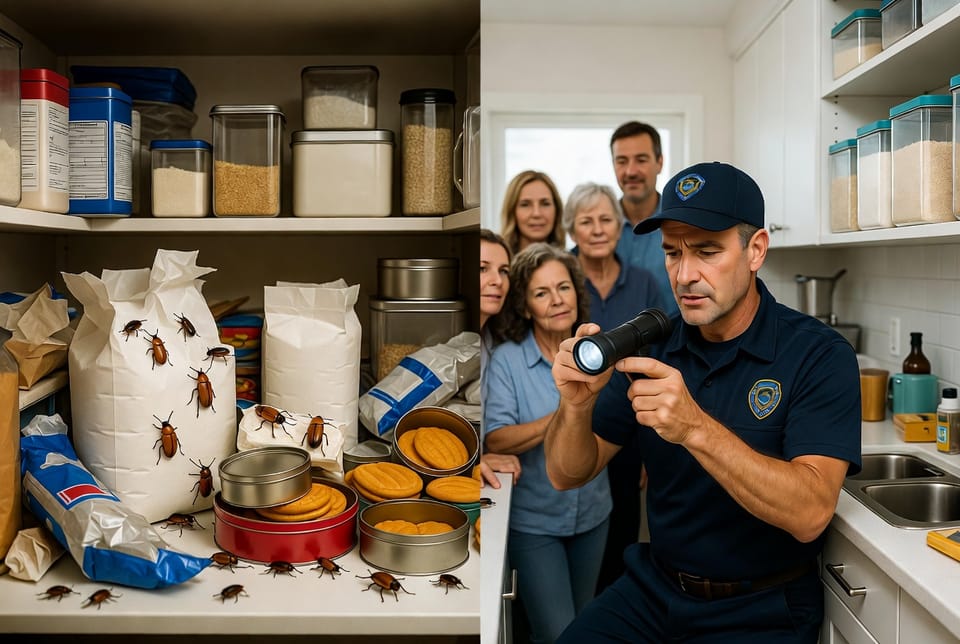
Pantry pests like the biscuit beetle can quietly compromise your household staples, turning well-stocked shelves into sources of frustration. At first glance, these tiny invaders might seem insignificant, but their impact on food safety and home comfort is substantial. In this comprehensive guide, we explore everything you need to know about the biscuit beetle, from its sneaky habits to proven elimination strategies that restore your pantry to a pristine state.
Call Now for Fast Biscuit Beetle Elimination
Whether you're a homeowner noticing mysterious holes in packaging or simply seeking proactive knowledge, understanding this pest empowers you to protect what matters most—your family's health and food security.
Understanding the Biscuit Beetle and Its Pantry Invasion
The biscuit beetle (Stegobium paniceum), also known as the bread beetle, is a common stored-product pest that thrives in warm, undisturbed environments. These beetles are particularly drawn to starchy and dried goods, making them a frequent unwelcome guest in kitchens across regions.
Key characteristics that define their behavior include:
- Infestation targets: They primarily target flour, biscuits, cereal, dried fruits, and pet food.
- Reproduction cycle: Females lay eggs directly on or near food sources, allowing larvae to feed and develop rapidly in hidden crevices.
- Resilience: They can survive on minimal moisture and remain dormant until conditions are favorable.
Unlike more aggressive outdoor pests, biscuit beetles specialize in indoor pantry settings. Their presence often indicates overlooked storage issues rather than poor hygiene, offering reassurance that this problem is highly manageable with the right approach.
Bold risk note: Left unchecked, a small infestation can multiply quickly, leading to widespread contamination and potential food waste.
Identifying the Biscuit Beetle: What to Look For
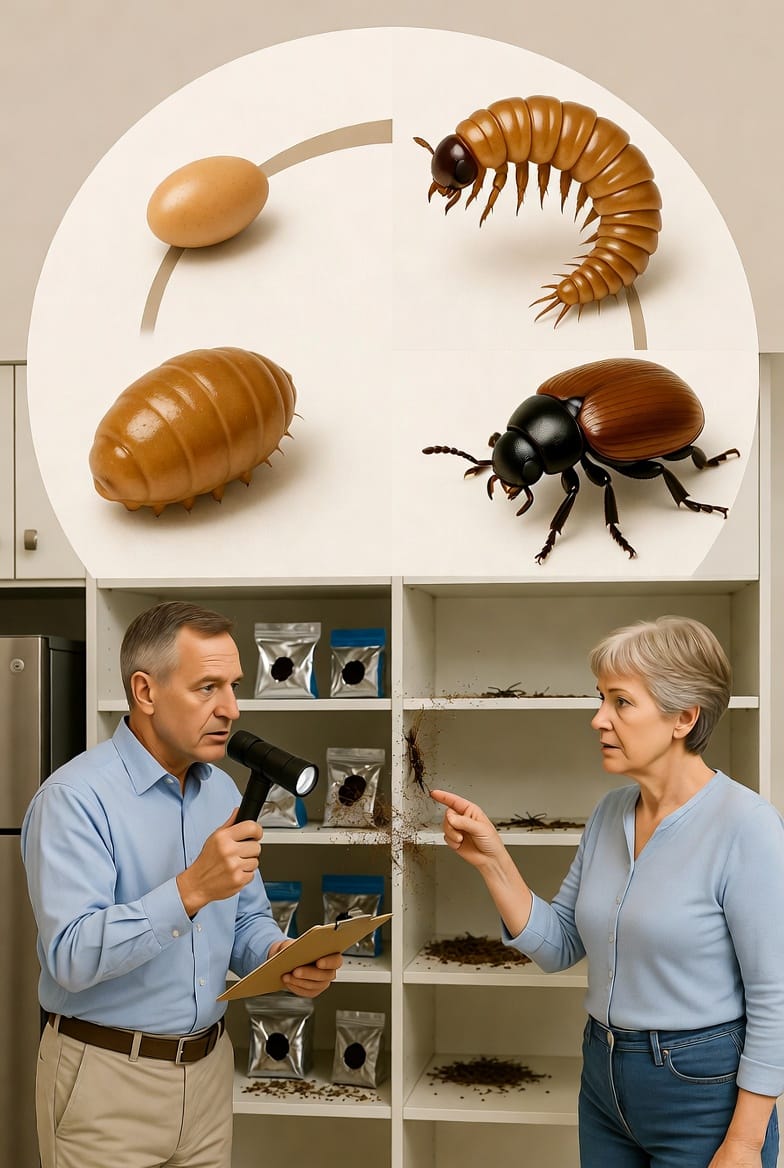
Accurate identification is the first step toward effective control. Adult biscuit beetles are small—typically 2 to 3 millimeters long—with a distinctive hump-backed appearance. Their bodies are reddish-brown to dark brown, and they possess fine hairs that give them a slightly fuzzy texture under close inspection.
Visual and Behavioral Clues
- Adults: Cylindrical shape with a rounded thorax; they are strong fliers and often attracted to light.
- Larvae: Creamy-white, grub-like with brown heads; they create silky webs and bore into packaging.
- Signs of activity:
- Tiny round exit holes in cardboard, paper, or plastic packaging.
- Fine powdery residue (frass) resembling sawdust near infested items.
- Unusual clumping or webbing in flour and cereals.
Pro tip: Use a magnifying glass or phone camera zoom during routine pantry checks. Early detection prevents escalation and minimizes disruption to your daily routine.
Homeowners often mistake them for similar pantry pests like weevils or drugstore beetles. The biscuit beetle's hump-backed profile and preference for baked goods set it apart.
How Biscuit Beetles Impact Your Home and Health
These pests do more than nibble on snacks. They contaminate food with their waste and cast skins, potentially introducing allergens or microbes. While not known for spreading major diseases, their presence undermines confidence in your kitchen staples.
Particularly vulnerable items include:
- Bulk flour and baking mixes
- Biscuits, crackers, and cookies
- Breakfast cereals and grains
- Dried fruits and nuts
- Pet food and birdseed
Families with pets or young children face heightened concerns, as contaminated pet food can affect animal health. The good news? Professional intervention combined with simple habits delivers swift, lasting results.

Effective Elimination Strategies for Biscuit Beetles
Eliminating biscuit beetles requires a thorough, multi-step process focused on source removal and prevention.
Step 1: Inspection and Disposal
- Empty your entire pantry and inspect every item.
- Discard infested products immediately in sealed outdoor trash. Do not compost.
- Check rarely used items like holiday baking supplies or bulk purchases.
Step 2: Deep Cleaning
- Vacuum all shelves, cracks, and crevices thoroughly.
- Wash surfaces with hot soapy water or a food-safe cleaner.
- Allow complete drying before restocking.
Step 3: Targeted Treatment and Monitoring
- Use pheromone traps to capture remaining adults.
- Seal cracks around baseboards and shelving.
- Store susceptible foods in airtight glass or plastic containers.
These DIY steps work well for minor issues, but for complete peace of mind, especially with recurring problems, professional pest control ensures hidden populations are fully addressed without harsh chemicals near food areas.
Prevention Tips: Keeping Biscuit Beetles Away for Good
Prevention is the cornerstone of long-term pantry protection. Adopt these authoritative practices:
- Rotate stock using the first-in, first-out method.
- Maintain cool, dry storage conditions.
- Regularly declutter and organize shelves.
- Inspect incoming groceries before storage.
- Consider professional preventive treatments during seasonal changes.
Reassuring fact: With consistent habits, most households enjoy completely pest-free pantries year-round.
When to Call Professional Pest Control Experts
While many infestations resolve with diligent cleaning, certain situations warrant expert assistance:
- Repeated sightings despite cleaning efforts.
- Infestations spreading to multiple rooms or appliances.
- Large quantities of contaminated food.
Trained technicians use integrated pest management (IPM) techniques—safe, targeted, and effective. They identify entry points, apply appropriate treatments, and provide follow-up monitoring.
Don't let biscuit beetles disrupt your home. Prompt action protects your investment in groceries and maintains a healthy living environment.
Restoring Confidence in Your Kitchen
Understanding and addressing the biscuit beetle transforms a potential headache into an opportunity for better home management. By recognizing their behavior, identifying signs early, and implementing proven elimination and prevention strategies, you safeguard your flour, biscuits, pet food, and other staples.
The key is acting decisively with reliable methods that prioritize safety and effectiveness.
Biscuit beetles hide in your pantry. Our experienced team delivers fast, discreet service tailored to your needs, ensuring your home remains comfortable and pest-free.
Take control of your pantry—your family deserves nothing less.
Protect Your Pantry – Call for Expert Pest Control