The Yellow Mealworm: Pest of Flour, Grain, and Pet Food
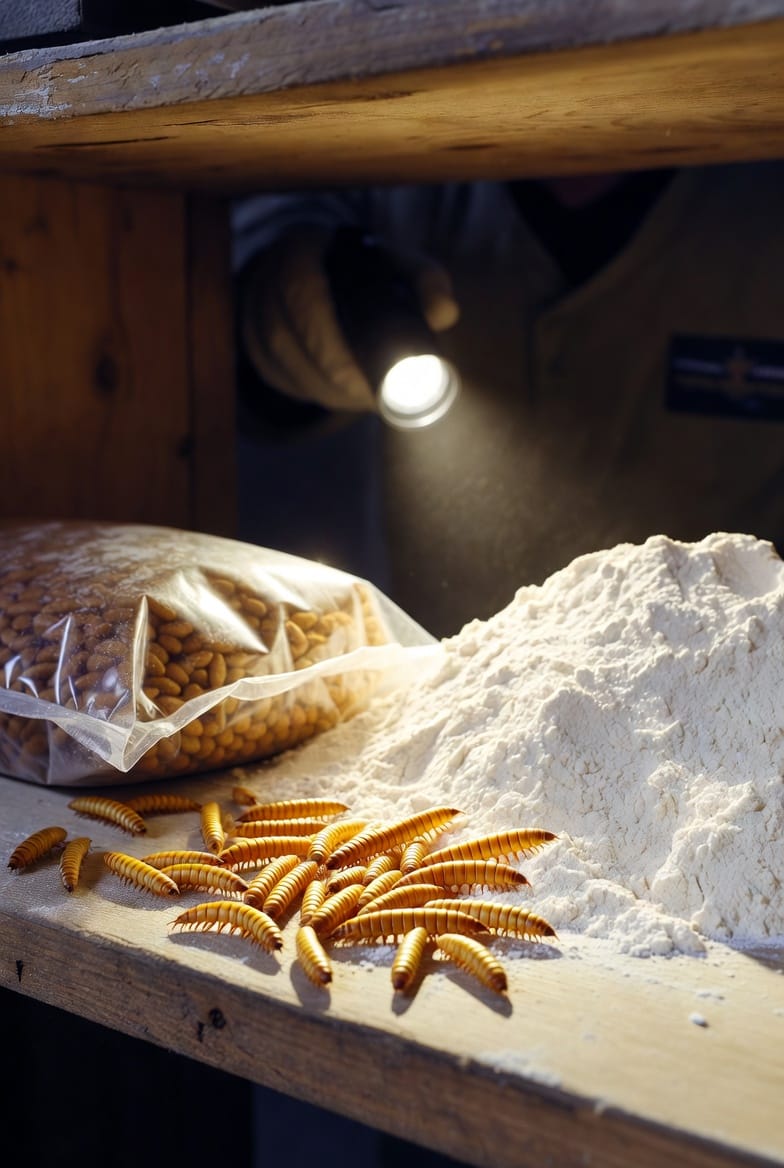
The yellow mealworm is one of the most persistent and underestimated pantry pests that quietly invades homes, kitchens, and pet food storage areas. These larvae of the darkling beetle thrive in dry goods, turning carefully stored flour, grain, and pet food into contaminated sources of frustration. Understanding their behavior, accurate identification, and effective control methods is essential for protecting your household and the animals that depend on clean nutrition. This comprehensive guide delivers clear, actionable insights so you can address an infestation with confidence and restore order to your pantry.
Protect Your Pantry from Mealworms – Call Today!
Understanding the Yellow Mealworm as a Pantry Pest
The yellow mealworm (Tenebrio molitor) is the larval stage of a common darkling beetle. Unlike many outdoor insects, this species has adapted exceptionally well to indoor environments where dry, starchy materials are abundant. Homeowners frequently discover them in kitchen cabinets, garage storage bins, or pet food containers long after the initial contamination has begun.
These pests do not require moisture-rich conditions to survive. Instead, they flourish in the very products designed for long-term storage. Flour bags, cereal boxes, bird seed, dog and cat kibble, and dried grains all provide ideal nutrition and shelter. Once established, a small population can expand rapidly, creating widespread contamination that forces the disposal of significant amounts of food.
The presence of yellow mealworms signals more than a minor inconvenience. It represents a breakdown in the protective barrier between your stored goods and the outside environment. Professional pantry pest control addresses both the visible larvae and the hidden conditions that allowed them to thrive.
Behavior and Feeding Habits of Yellow Mealworm Larvae
Yellow mealworm larvae are voracious feeders that specialize in grain-based products. They tunnel through flour, chew into sealed bags of pet food, and consume the protein-rich components of dried goods. Their feeding activity produces fine powdery frass and silk-like webbing that further contaminates surrounding items.
These larvae prefer dark, undisturbed spaces. They actively avoid light and will burrow deep into product bags or cracks in packaging. When temperatures remain moderate and food remains available, they continue feeding for months. In cooler conditions, their development slows, but they do not die off completely. This resilience allows populations to persist through seasonal changes and reappear when conditions improve.
Adult beetles that emerge from the pupal stage are also capable of feeding on the same materials, though the larvae cause the majority of visible damage. Both stages can spread throughout a kitchen or storage area by crawling or by being transported in contaminated packaging brought into the home.
Recognizing this behavior early prevents the need for large-scale disposal of food supplies. Regular inspection of pet food bags and flour containers remains one of the most effective early-detection strategies.
Accurate Identification of Yellow Mealworms
Correct identification prevents misdiagnosis and unnecessary treatments. Yellow mealworms appear as elongated, worm-like larvae with a hard, yellowish to light-brown segmented body. Fully grown larvae typically measure between three-quarters of an inch and one inch in length. Their bodies are cylindrical and slightly flattened, with short legs near the head and a distinctive segmented appearance.
The head is darker than the rest of the body and equipped with strong chewing mouthparts. When disturbed, the larvae curl into a tight C-shape. They move slowly but deliberately, often remaining motionless until they sense safety.
Confusion sometimes arises with other pantry insects such as Indian meal moth larvae or drugstore beetle larvae. Yellow mealworms lack the distinctive webbing of moth larvae and possess a more rigid exoskeleton than softer-bodied competitors. Observing the color, size, and body structure under good lighting usually confirms the identification.
Adult beetles are dark brown to black, oval-shaped, and approximately half an inch long. Finding both larvae and adults in the same location strongly indicates an established infestation that requires thorough intervention.
The Complete Life Cycle of the Yellow Mealworm
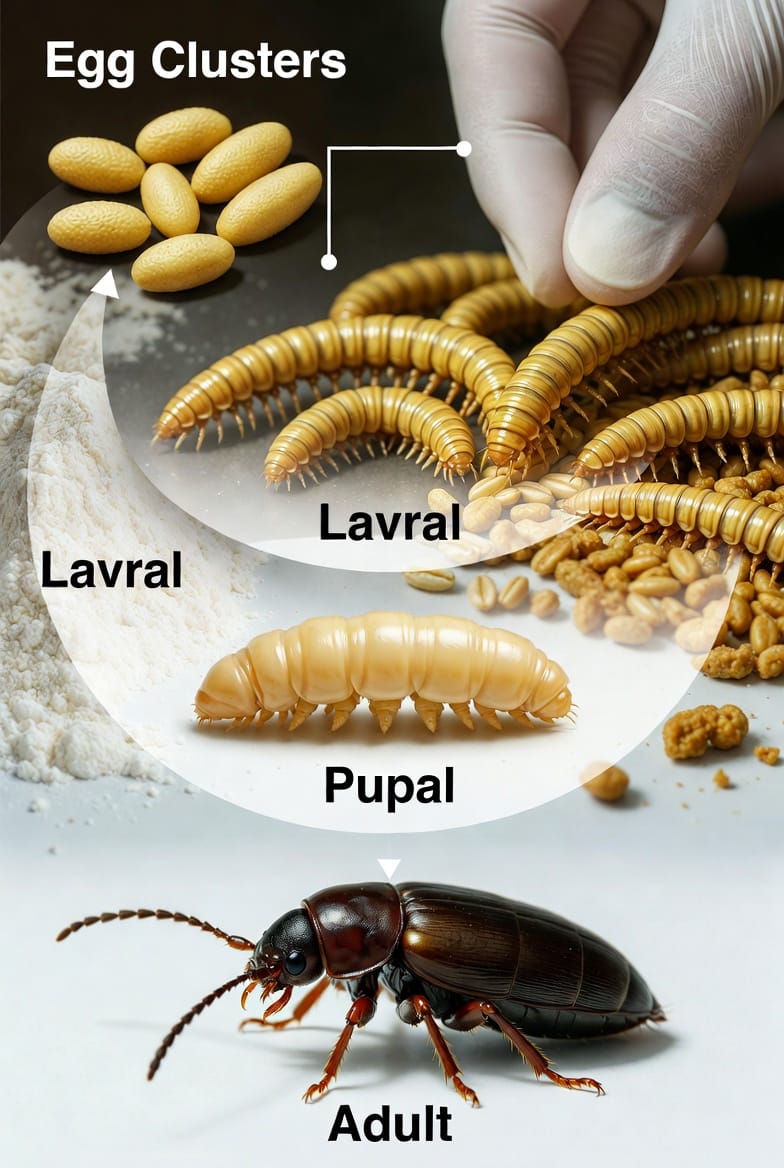
Understanding the life cycle reveals why simple surface cleaning rarely eliminates the problem. The cycle consists of four distinct stages: egg, larva, pupa, and adult.
Female beetles deposit clusters of tiny, sticky eggs in cracks, folds of packaging, or directly onto food surfaces. Eggs hatch within one to two weeks under favorable conditions. The emerging larvae immediately begin feeding and grow through multiple molts. This larval stage can last several months depending on temperature and food quality.
When ready to pupate, larvae seek a protected location and transform into a soft, cream-colored pupa. After one to three weeks, the adult beetle emerges. Adults live for several months and continue the reproductive cycle. A single female can produce hundreds of eggs, allowing populations to expand quickly once established.
Because the entire cycle can occur inside a sealed bag of pet food or a forgotten container of flour, infestations often go unnoticed until larvae are discovered crawling on shelves or walls.
Risks Associated with Yellow Mealworm Infestations
The primary risk is contamination of food supplies. Larvae and their waste products render flour, cereal, and pet food unfit for consumption. Feeding contaminated pet food can lead to digestive upset in animals, while human consumption of heavily infested products poses hygiene concerns.
Secondary risks include the spread of infestation to previously clean storage areas. Larvae can crawl considerable distances in search of new food sources, carrying contamination with them. In severe cases, the structural integrity of packaging is compromised, allowing further pest entry.
Moisture generated by dense populations can also encourage mold growth in adjacent dry goods. Although yellow mealworms themselves do not transmit human diseases in typical household settings, the overall degradation of food quality and the psychological stress of discovering pests in pet supplies create significant household disruption.
Prompt action minimizes these risks and protects both family members and pets.
Vulnerable Items That Attract Yellow Mealworms
Certain products are particularly susceptible. Flour of all types, including whole wheat and all-purpose varieties, provides ideal nutrition. Dry cereals, oatmeal, cornmeal, and pasta also support rapid larval growth. Pet foods — especially those containing grains, seeds, or protein meals — rank among the most common sources of introduction into the home.
Bird seed, dried beans, spices, and packaged baking mixes complete the list of high-risk items. Even products stored in original packaging can become infested if the packaging is damaged or if eggs were present at the time of purchase.
Recognizing the Signs of an Active Infestation
Early detection relies on careful observation. Look for live yellowish larvae crawling on shelves, walls, or the exterior of food packages. Fine powdery residue or small holes in packaging indicate internal feeding. Adult beetles may appear near windows or light sources as they attempt to disperse.
Unusual odors in storage areas or the presence of shed larval skins also signal activity. Pet owners should inspect food bags for webbing or clumped material before each use. Regular examination of less-frequently used items, such as emergency grain stores or seasonal baking supplies, prevents hidden populations from expanding unnoticed.
Effective Control Through Discarding and Thorough Cleaning
The foundation of successful yellow mealworm control is the complete removal of infested materials. Any product showing signs of larvae, webbing, or unusual residue must be sealed in heavy plastic bags and discarded outside the home. Do not attempt to salvage partially contaminated goods, as eggs and small larvae are easily overlooked.
After discarding, empty all cabinets and shelves in the affected area. Vacuum thoroughly, paying special attention to corners, cracks, and the undersides of shelves. Dispose of the vacuum bag or empty the canister contents outdoors immediately. Wipe all surfaces with a mild detergent solution, then dry completely. Moisture left behind can attract other pests or support residual populations.
Inspect adjacent rooms and storage locations, including garages and utility areas where pet food may be kept in bulk. Seal any remaining clean products in airtight containers made of glass, metal, or heavy plastic with tight-fitting lids. Paper or thin plastic packaging offers little protection against determined larvae.
Preventive measures include rotating stock so older items are used first, purchasing smaller quantities of susceptible products, and maintaining lower humidity levels in storage spaces whenever possible. These steps significantly reduce the likelihood of re-infestation.
When Professional Pantry Pest Control Becomes Essential
While discarding and cleaning resolve many minor cases, established infestations often require professional intervention. Hidden eggs and larvae in wall voids, under appliances, or inside structural gaps can restart the cycle after surface treatments appear successful. Trained technicians possess the tools and knowledge to locate these residual populations and apply targeted, low-impact treatments that protect both people and pets.
Professional service also includes a thorough assessment of contributing factors such as entry points, storage practices, and environmental conditions. This comprehensive approach delivers lasting results rather than temporary relief.
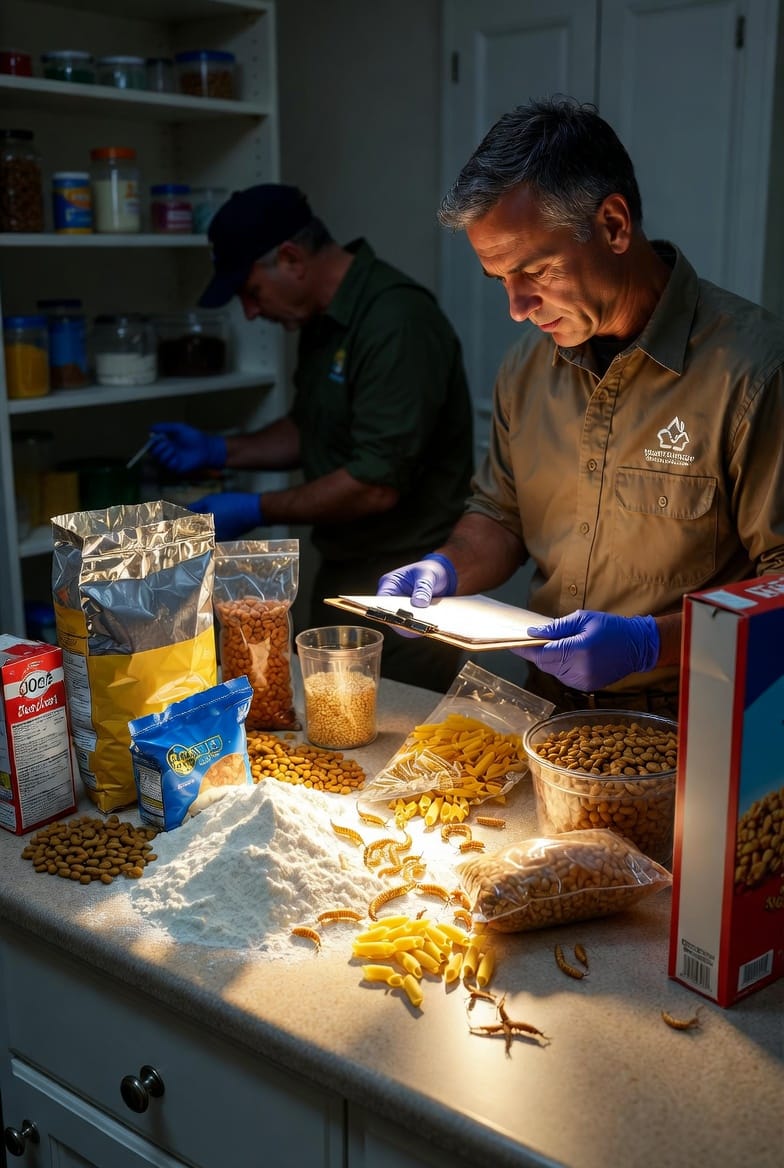
Mealworms hide in pet food. Experienced technicians understand the unique challenges posed by yellow mealworms and deliver solutions designed to restore safety and peace of mind to your household.
Long-Term Prevention Strategies for a Mealworm-Free Home
Sustained protection depends on consistent habits. Store all dry goods and pet food in sealed containers immediately after purchase. Clean up spills promptly and avoid leaving open bags on shelves. Periodically empty and inspect storage areas even when no signs of pests are visible.
Monitor temperature and humidity, as cooler, drier conditions slow larval development. When bringing new products into the home, examine packaging carefully for damage or signs of prior infestation. These simple practices create an environment that is far less hospitable to yellow mealworms and other pantry pests.
Conclusion: Taking Confident Action Against Yellow Mealworms
The yellow mealworm represents a manageable challenge when approached with accurate knowledge and decisive steps. By recognizing their feeding behavior, correctly identifying the larvae, understanding the life cycle, and implementing thorough discard-and-clean protocols, homeowners can eliminate active infestations and prevent future problems. Vulnerable items such as flour, cereal, pet food, and dried goods require special attention, yet consistent storage discipline and professional support when needed keep pantries secure.
Your pets deserve clean nutrition, and your kitchen deserves freedom from contamination. Address the issue promptly, follow the practical measures outlined here, and enlist expert help at the first sign of persistent activity. With the right combination of awareness and action, the yellow mealworm need never become a lasting presence in your home.
Eliminate Flour & Grain Pests Fast – Call Now!