The Snow Mold: Spring Fungus After Winter Snow Cover
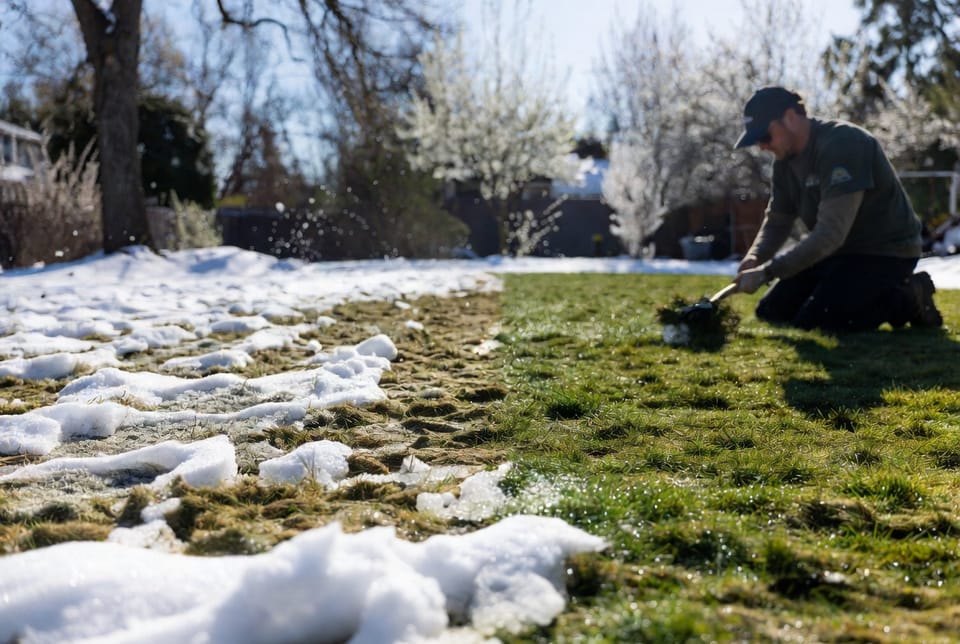
As the last traces of winter snow finally disappear, many homeowners step outside expecting a vibrant green lawn only to discover mysterious circular patches of matted, discolored grass. Snow mold is one of the most common post-winter lawn issues across North America, yet it often catches even experienced gardeners by surprise.
Recover Your Lawn from Snow Mold – Call Now!
This cold-weather fungus thrives beneath insulating snow cover and can leave lasting damage if left untreated. The reassuring news? Snow mold is highly manageable with prompt, targeted action. Whether you’re dealing with small spots or widespread patches, professional spring lawn treatment can help your grass recover fully and return stronger than before.
In this comprehensive guide, we’ll walk you through everything you need to know about snow mold — from identification and types to proven treatment and prevention strategies that protect your investment year after year.
What Is Snow Mold and Why Does It Appear in Spring?
Snow mold is a fungal disease that activates under specific winter conditions. It does not require freezing temperatures to grow; instead, it flourishes in the cool, moist environment created when snow blankets unfrozen or lightly frozen soil.
The fungus survives the coldest months by using the snow as a protective layer that traps heat and moisture close to the grass blades. When the snow melts in early spring, the damage becomes visible almost overnight. Homeowners often mistake these patches for winter kill, drought stress, or even pet urine, but the distinctive circular pattern and matted texture point directly to snow mold.
Left unaddressed, repeated outbreaks can thin your turf, invite secondary weeds or pests, and weaken the entire lawn’s resilience. Fortunately, early intervention leads to excellent recovery rates for most cool-season and transitional grasses.
Two Main Types of Snow Mold You Need to Recognize
Understanding the two primary forms helps you respond effectively:
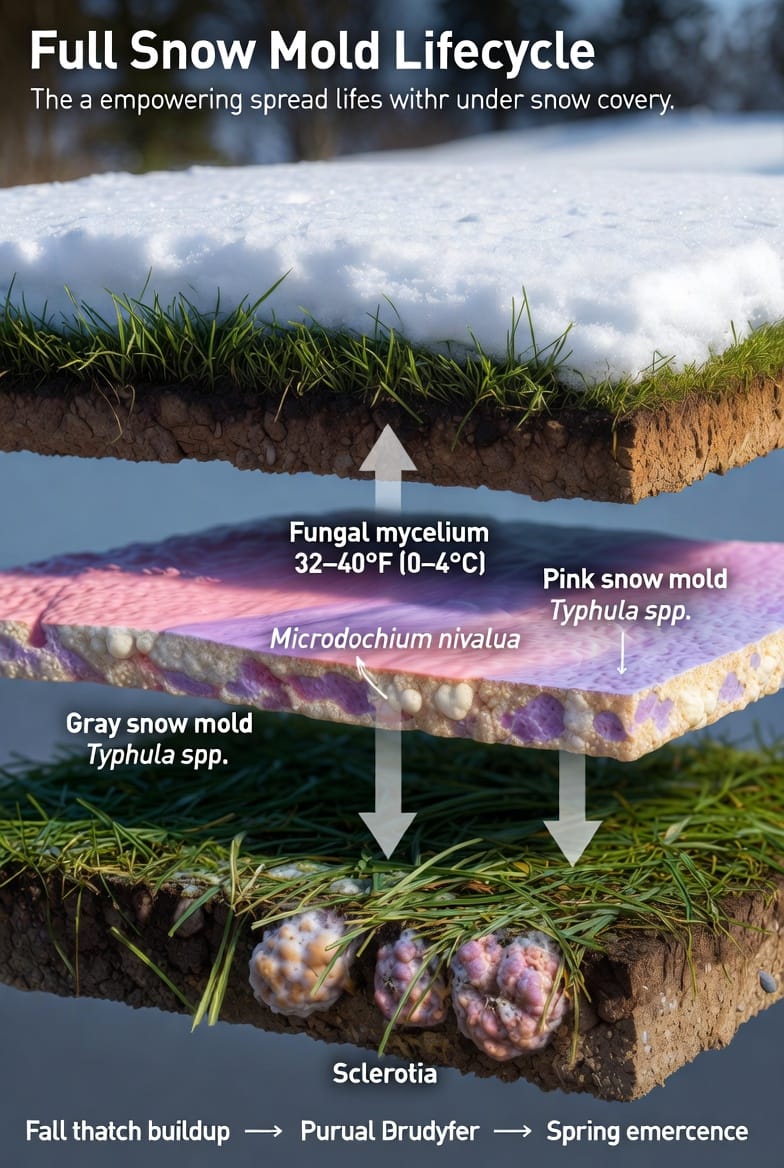
- Pink snow mold (caused by Microdochium nivale) typically appears as circular patches ranging from 6 inches to several feet across. When the grass is wet, you’ll notice a distinctive pink or salmon-colored mycelium — a fuzzy growth that gives the disease its name. As conditions dry, the affected blades turn tan or straw-colored and lie flat against the soil.
- Gray snow mold (also known as Typhula blight, caused by Typhula incarnata or Typhula ishikariensis) produces grayish-white mycelium and small, hard resting structures called sclerotia that resemble tiny dark seeds. Patches often look more bleached or water-soaked initially and may contain these sclerotia embedded in the thatch.
Both types create the same hallmark symptom: circular patches of matted grass. The key difference lies in color and texture when the lawn is still damp. Identifying the type allows for more precise treatment timing and product selection.
Recognizing Symptoms Before They Spread
The most obvious sign is the sudden appearance of circular patches of matted grass once snow recedes. Blades appear stuck together, often with a web-like fungal growth visible in the morning dew.
Patches may start small (6–12 inches) but can expand to 3 feet or more if conditions were ideal. In severe cases, the center of the patch may look completely dead while the outer ring still shows faint pink or gray coloring.
Other post-winter lawn issues that often accompany snow mold include:
- Excessive thatch buildup trapping moisture
- Compacted soil reducing oxygen flow to roots
- Early weed invasion in weakened areas
- Slow green-up compared to neighboring healthy turf
If you notice these symptoms in March or April, act quickly. The grass is not necessarily dead — most of the crown and roots remain alive and ready to regenerate with proper care.
Conditions That Favor Snow Mold Development
Prolonged snow cover is the biggest culprit. When snow stays on the ground for 60 days or longer while soil temperatures hover between 32°F and 40°F, snow mold fungi thrive.
Additional risk factors include:
- Dense thatch layers that hold moisture
- Poor drainage or low-lying areas that stay wet
- Heavy nitrogen applications in late fall that produce lush, tender growth
- Lack of air circulation under heavy leaf cover or in shaded spots
- Overcrowded or compacted turf from foot traffic or equipment
These conditions explain why snow mold appears more frequently in northern climates and on lawns that received heavy fall fertilization or minimal leaf removal.
Immediate Treatment Steps for Affected Lawns
The goal of treatment is simple: remove the matted debris, improve airflow, and stimulate new growth.
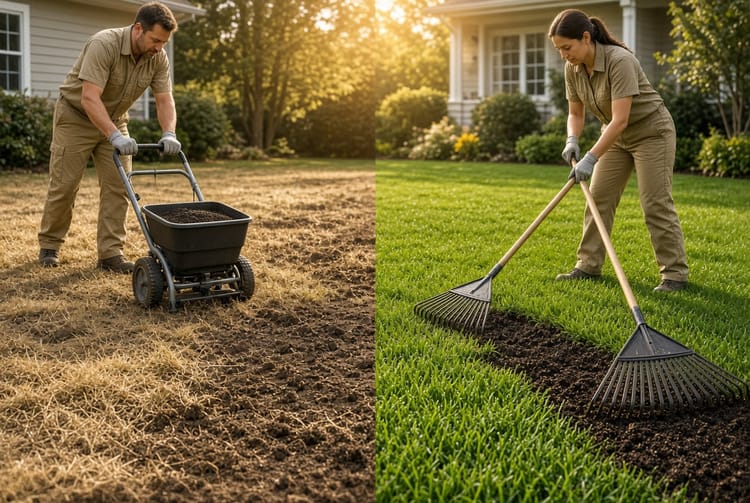
Begin by gently raking the affected patches to lift and break up the matted grass. This single step dramatically speeds recovery by exposing crowns to sunlight and oxygen. Avoid aggressive raking that could damage healthy crowns.
Next, apply a labeled fungicide specifically formulated for snow mold if the outbreak is severe or recurring. Timing matters — early spring application while soil is still cool provides the best results.
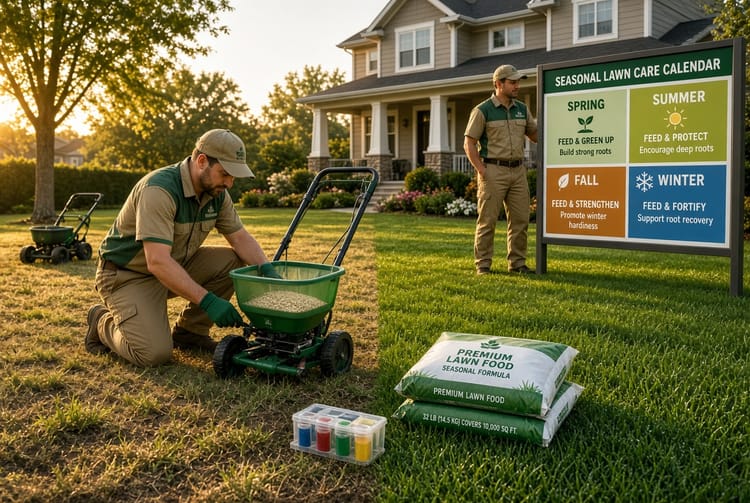
Follow up with light fertilization using a balanced, slow-release product to encourage tillering and root development. Overseed bare spots with a high-quality grass blend matched to your region and sun exposure.
Most lawns show noticeable improvement within 3–4 weeks when these steps are followed correctly. In stubborn cases, professional-grade treatments penetrate deeper and deliver faster, more uniform results.
Prevention Strategies That Actually Work
Prevention is far more effective than cure. Focus on cultural practices in late fall to break the cycle before snow arrives.
Key prevention steps include:
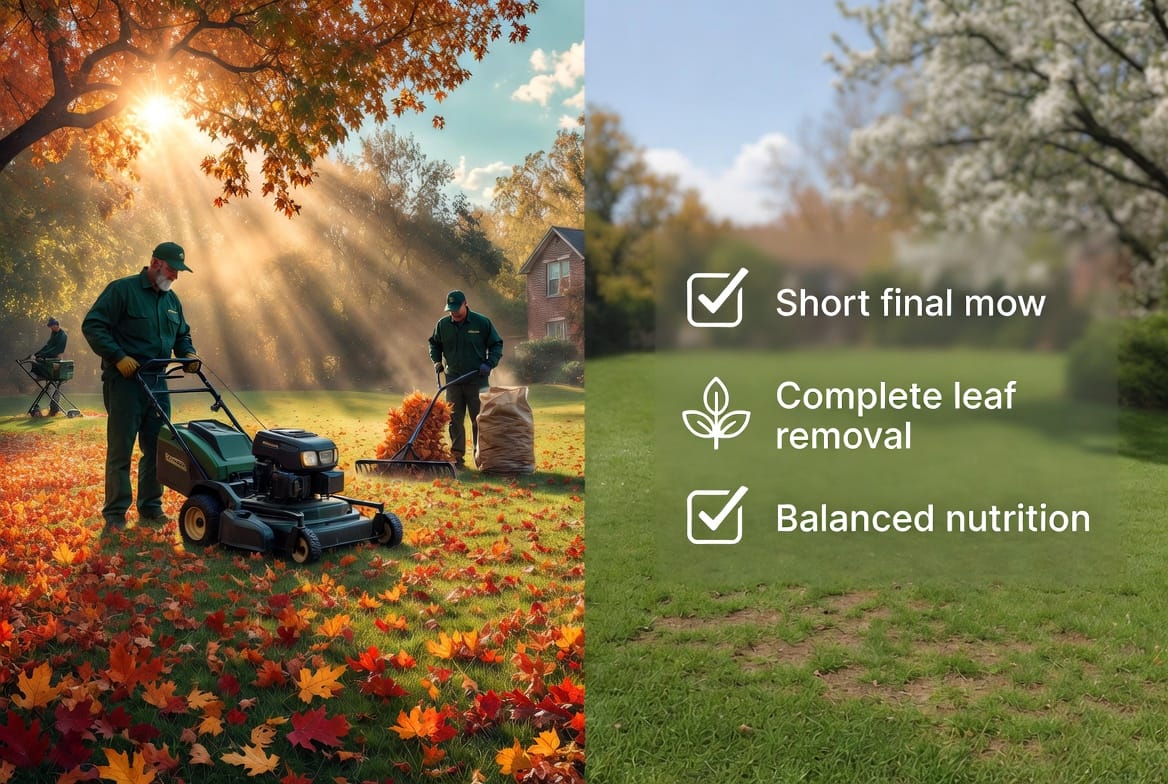
- Final fall mowing short: Cut your lawn to 2–2.5 inches for the very last mowing of the season. Shorter grass reduces the canopy that traps snow and moisture.
- Thorough leaf removal: Rake or blow away every leaf and debris. Even a thin layer can create the perfect environment for fungal growth.
- Avoid heavy nitrogen late in fall: Stop high-nitrogen feeding after mid-September so grass hardens off properly before winter.
- Improve drainage and aeration: Core aerate in fall to relieve compaction and allow better oxygen exchange.
- Choose disease-resistant varieties: When overseeding or renovating, select cultivars known for better snow mold tolerance.
Implementing these practices consistently reduces snow mold risk by up to 80% in most regions.
Full Recovery and Long-Term Spring Lawn Care
Once snow mold is under control, shift focus to comprehensive spring lawn recovery. This includes dethatching if needed, topdressing with compost to improve soil biology, and establishing a consistent mowing, watering, and feeding schedule.
A professional spring lawn treatment program ensures all these elements work together. Experts can identify hidden issues such as soil pH imbalance or nutrient deficiencies that slow recovery.
With the right care, even severely affected lawns can return to thick, lush condition by early summer. The key is acting early and avoiding the temptation to over-fertilize or over-water while the grass is still vulnerable.
Why Homeowners Trust Professionals for Snow Mold Recovery
DIY approaches work for mild cases, but widespread or recurring snow mold benefits from professional diagnosis, calibrated equipment, and access to commercial-grade products that homeowners cannot purchase.
A licensed lawn care team arrives with the knowledge to select the correct fungicide timing, application rate, and follow-up plan tailored to your specific grass type, soil, and microclimate. They also provide ongoing monitoring throughout the season so small problems never become large ones.
Recover from winter fungus and enjoy a lawn you’re proud to show off.
Our team is ready to assess your lawn, create a customized recovery plan, and help you prevent snow mold issues for years to come.
Don’t let one season of snow mold define your lawn’s health. With expert spring care and proven prevention strategies, your grass can emerge stronger, greener, and more resilient than ever.
Restore Your Spring Lawn Fast – Call for Expert Help!