The Brown Patch Fungus: Summer Disease Management for Cool-Season Grasses
Summer brings warm days and lush green lawns, but for cool-season grasses it can also usher in one of the most frustrating challenges homeowners face: brown patch fungus. This common summer disease can quickly turn a vibrant yard into a patchwork of unsightly brown spots if left unchecked. The good news? With the right knowledge and proactive management, you can protect your lawn and keep it healthy through the hottest months.
Get Expert Brown Patch Treatment Today – Call Now
At its core, brown patch fungus is a manageable issue when you understand its triggers and take timely action. This comprehensive guide walks you through everything you need to know—from spotting the early warning signs to implementing proven prevention and treatment strategies. Whether you’re a seasoned gardener or new to lawn care, these expert-backed insights will empower you to maintain a beautiful, resilient lawn all season long.
Understanding Brown Patch Fungus and Its Impact on Cool-Season Grasses
Brown patch fungus, caused by the soil-borne pathogen Rhizoctonia solani, thrives during warm, humid conditions typical of summer. It primarily targets cool-season grasses such as tall fescue, Kentucky bluegrass, and perennial ryegrass—the very varieties many homeowners rely on for their northern and transitional zone lawns.
Unlike other turf diseases that may appear randomly, brown patch develops rapidly once conditions align. Patches can expand from a few inches to several feet in diameter within days, creating noticeable damage that disrupts the uniform appearance of your lawn. Left untreated, the fungus can weaken root systems and make grass more susceptible to secondary stresses like drought or insect pressure.
The reassuring reality is that brown patch is not inevitable. By focusing on summer disease management tailored to cool-season grasses, you can stop outbreaks before they start and restore affected areas quickly. Professional lawn care teams see this issue frequently and know that early intervention combined with smart cultural practices delivers the best results.
Recognizing the Symptoms of Brown Patch Fungus
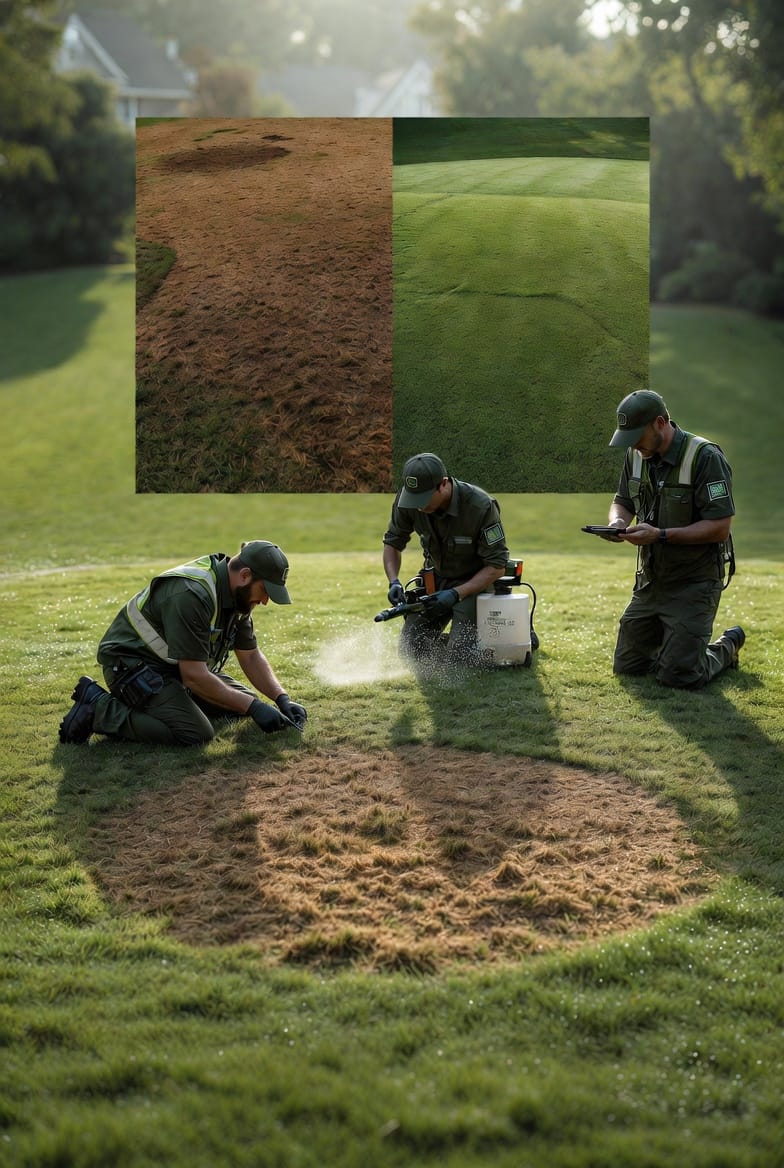
Early detection is your strongest defense. Look for circular brown patches ranging from 1 to 5 feet across, often appearing overnight after periods of high humidity. The affected grass blades turn tan to dark brown and feel mushy or sunken when walked upon.
A classic diagnostic feature is the smoke-ring border—a thin, dark ring of mycelium visible at the edge of the patch, especially in the early morning when dew is present. This “smoke ring” is a key identifier that distinguishes brown patch fungus from drought stress or grub damage.
In severe cases, patches may merge into larger irregular dead zones. However, the grass crowns and roots usually remain alive, meaning recovery is possible with proper care. If you notice these symptoms, act quickly—delaying treatment allows the fungus to spread further through your lawn.
Environmental Conditions That Favor Brown Patch Development
Heat and humidity are the primary drivers of brown patch fungus. Nighttime temperatures above 70°F combined with daytime highs in the mid-80s to 90s create ideal conditions. High relative humidity above 85% and prolonged leaf wetness (more than 10 hours) allow the pathogen to infect grass blades rapidly.
Excess nitrogen is another major risk factor. Over-fertilizing in summer stimulates lush, succulent growth that the fungus attacks more easily. Poor air circulation in shaded or densely planted areas, compacted soil, and excessive thatch also trap moisture and encourage disease.
Understanding these triggers is the foundation of effective summer disease management. When you monitor weather patterns and adjust your lawn care routine accordingly, you dramatically reduce the likelihood of outbreaks.
The Disease Cycle of Brown Patch Fungus
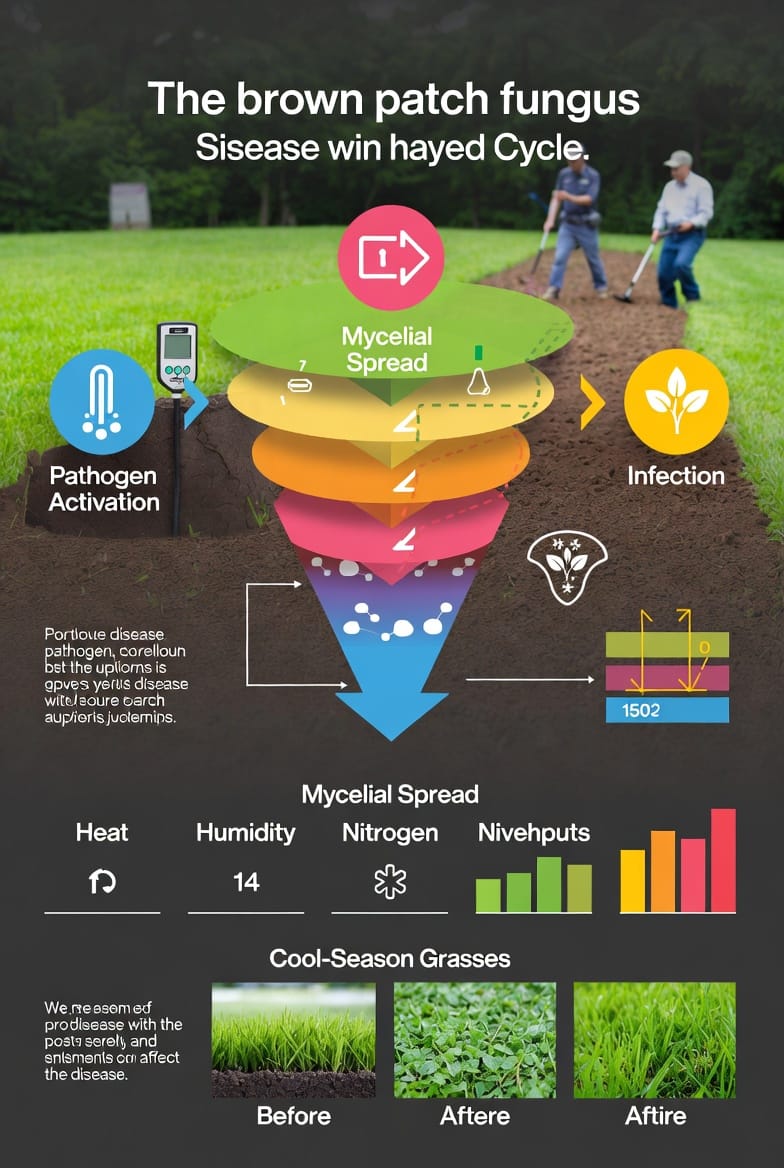
The fungus survives year-round in soil and thatch as resting structures. When favorable warm, humid conditions arrive, it becomes active and grows rapidly outward in a circular pattern. Mycelium threads penetrate grass blades, killing tissue and creating the characteristic patches.
Spreading occurs through water splash, mowing equipment, and foot traffic. Once established, the cycle repeats as long as conditions remain ideal. Breaking this cycle requires interrupting the environmental factors the pathogen needs to thrive.
Why Cool-Season Grasses Are Especially Vulnerable in Summer
Cool-season grasses grow best in spring and fall when temperatures are moderate. Summer heat stresses these varieties, slowing their natural recovery and making them prime targets for brown patch fungus. Their metabolic processes slow, reducing the plant’s ability to fight infection.
Homeowners in regions with hot, humid summers often see recurring issues unless they adapt their maintenance schedule. The key is shifting from growth-focused care to stress-reduction strategies during peak disease season.
Proactive Cultural Practices: Your First Line of Defense
Prevention through smart cultural practices is the most effective and sustainable approach to summer disease management. Implement these strategies consistently for long-term lawn health:
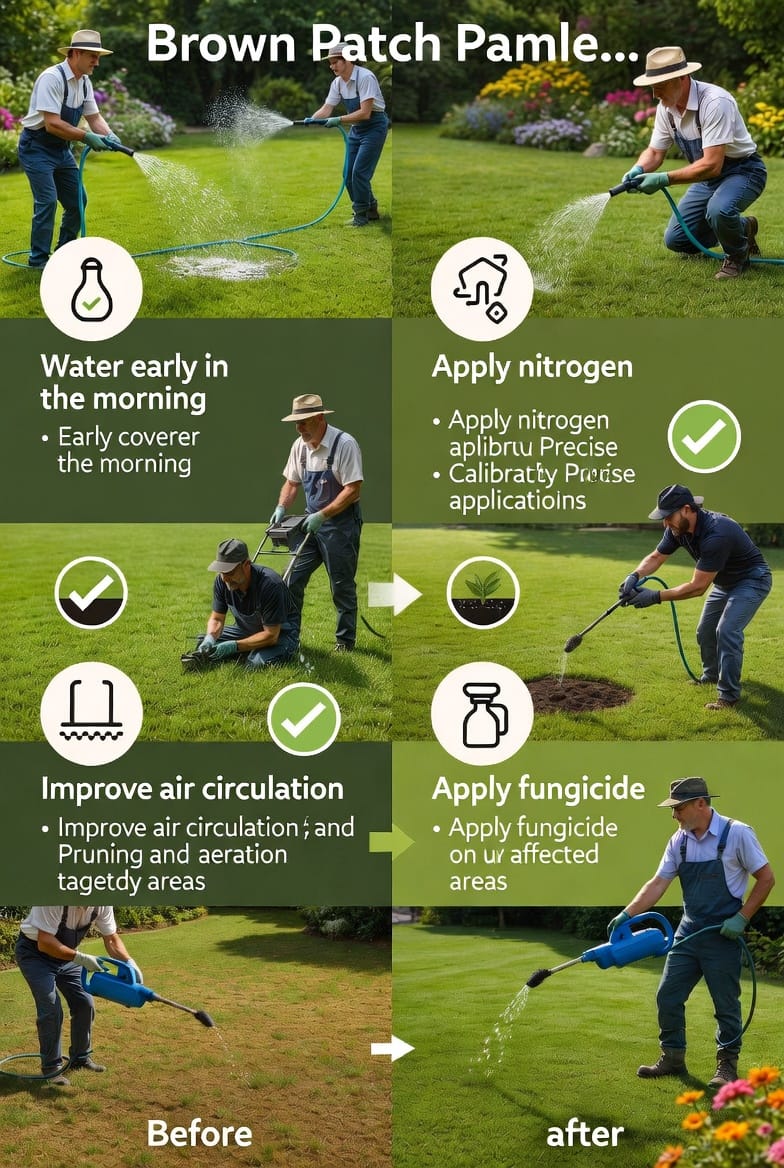
- Water in the morning only: Early watering allows foliage to dry quickly, reducing leaf wetness periods that fuel fungal growth. Deep, infrequent irrigation encourages strong roots without excess surface moisture.
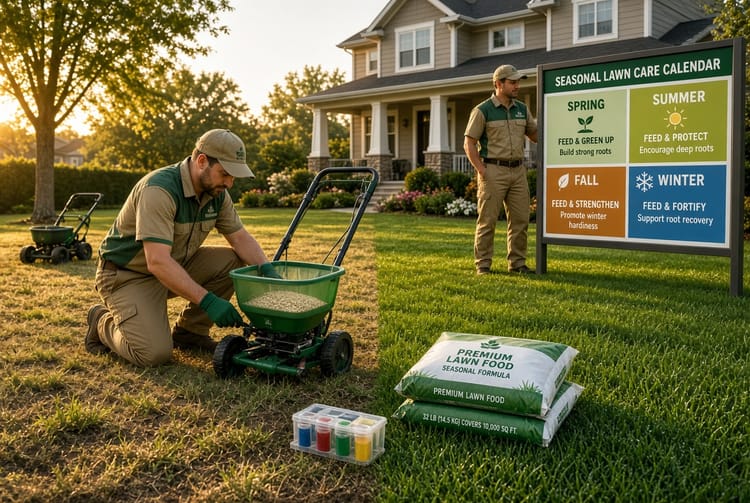
- Balance nitrogen levels carefully: Avoid heavy nitrogen applications during summer; use slow-release formulas sparingly to prevent lush, disease-prone growth.
- Improve air circulation: Prune overhanging branches, thin dense plantings, and aerate compacted soil to reduce humidity pockets around the turf.
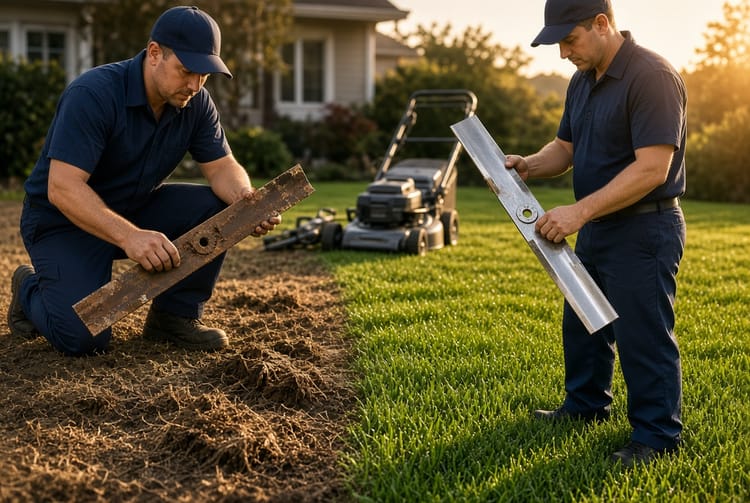
- Maintain proper mowing height and frequency: Keep grass at the recommended height for your variety (usually 2.5–3.5 inches for tall fescue) and mow with sharp blades to minimize stress.
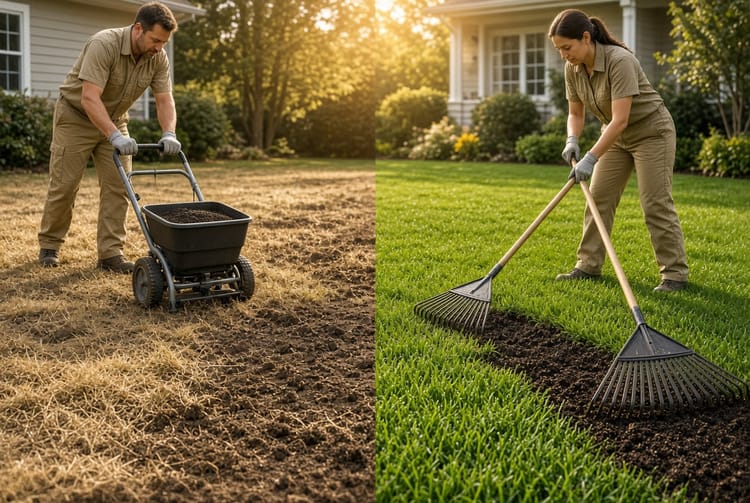
- Manage thatch and improve drainage: Regular dethatching and core aeration prevent moisture-trapping layers and promote healthier soil structure.
- Choose disease-resistant varieties: When overseeding or renovating, select cultivars bred for better tolerance to brown patch fungus.
These practices not only control disease but also build a stronger, more resilient lawn that looks greener and requires less intervention over time.
When and How to Use Fungicides Effectively
When cultural practices alone are not enough or when an outbreak is already underway, fungicides become a valuable tool. Apply them preventively before symptoms appear during high-risk periods or curatively at the first sign of patches.
Choose products labeled for brown patch fungus and follow label instructions precisely. Rotating active ingredients helps prevent resistance. Professional applicators ensure even coverage and proper timing, maximizing effectiveness while minimizing environmental impact.
Remember, fungicides work best as part of an integrated approach—not as a standalone fix. Combining them with the cultural practices above delivers faster, longer-lasting results.
Integrated Disease Management: Putting It All Together
The most successful summer disease management programs combine monitoring, cultural adjustments, and targeted treatments. Regular lawn scouting helps catch issues early. Keep records of weather patterns and your maintenance schedule to spot trends.
Many homeowners find that partnering with a professional lawn care service simplifies this process. Experts bring specialized equipment, current product knowledge, and experience managing local conditions to deliver consistent, worry-free results.
Monitoring, Recovery, and Long-Term Lawn Health
After treatment, focus on recovery by continuing proper watering and avoiding further stress. New growth will gradually fill in the patches as roots strengthen. Consistent year-round care prevents future outbreaks and keeps your lawn looking its best.
Investing in brown patch fungus prevention today protects your landscape investment and saves time and money later. A healthy lawn also improves curb appeal, supports local ecosystems, and provides a beautiful outdoor space for your family to enjoy.
Stop Brown Patch Before It Spreads
Don’t let brown patch fungus compromise your cool-season grass this summer. With the strategies outlined here, you have everything you need to maintain a lush, disease-free lawn.
Our professional team is ready to assess your lawn, provide expert recommendations, and implement a customized management plan that delivers results you can see. Schedule your service today and enjoy peace of mind knowing your lawn is protected by the best summer disease management practices available.
Protect Your Cool-Season Grass This Summer – Call Now