The Smart Switch Installation: Converting Your Home to Automation
Upgrading your lighting system with a smart switch ranks among the most popular and practical steps homeowners take when converting a traditional house into a modern automated space. This single change delivers immediate convenience, measurable energy savings, and a foundation for broader home automation. Unlike bulky smart bulbs that require individual replacement, a smart switch works with your existing fixtures and wiring, giving you centralized control over entire circuits.
Upgrade to Smart Switches Today – Call Now!
In the following guide you will discover exactly what a smart switch does, the main technology types available, and the critical installation considerations that ensure safe, reliable performance. The tone remains reassuring and authoritative because the process, when handled correctly, is straightforward and highly rewarding.
What a Smart Switch Actually Does
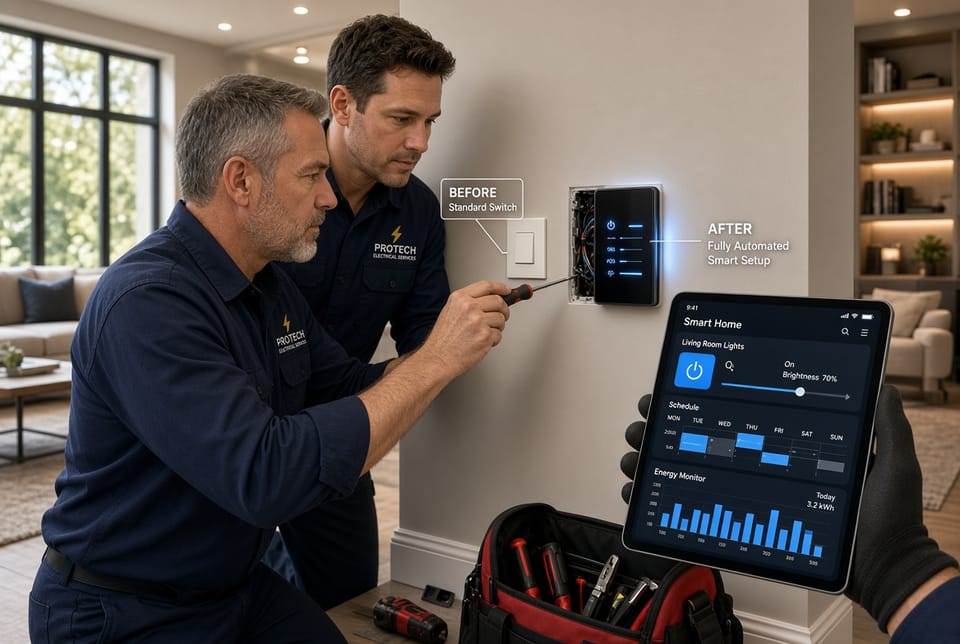
A smart switch replaces a conventional wall switch and adds digital intelligence to your lighting. Three core capabilities define its value:
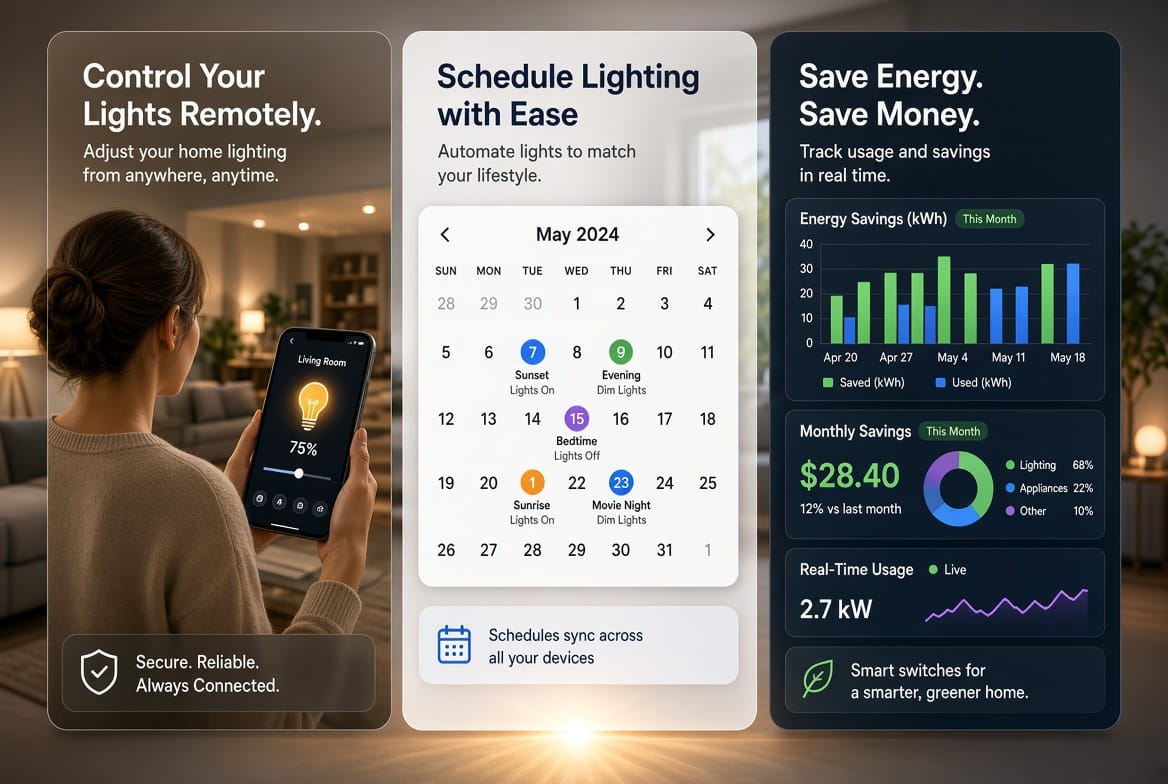
- Remote control – Turn lights on or off from anywhere using a smartphone, tablet, or voice assistant.
- Scheduling – Program lights to follow daily or weekly routines so rooms illuminate at sunset or switch off at bedtime without any manual action.
- Energy monitoring – Track real-time and historical power consumption for each circuit, helping you identify wasteful patterns and reduce utility costs.
These functions operate together. For example, a schedule can automatically dim hallway lights at 10 p.m., while the energy-monitoring feature records the exact kilowatt-hours saved. Remote access lets you verify the status if you leave home and forget whether the porch light is still on. The result is a lighting system that anticipates needs rather than reacting to them.
Because the switch itself stays in the wall, every connected fixture—ceiling lights, wall sconces, outdoor floods—becomes smart without replacing a single bulb. This approach is especially attractive in homes with multiple fixtures on one circuit or with hard-to-reach recessed lighting.
Why Smart Switch Installation Has Become a Leading Upgrade
Homeowners increasingly choose smart switch installation for three practical reasons. First, it requires no new wiring in most cases; the device simply replaces the existing switch using the same line, load, and neutral wires. Second, it integrates cleanly with popular ecosystems such as Amazon Alexa, Google Assistant, and Apple HomeKit, creating a unified control experience. Third, the return on investment appears quickly through lower electricity bills and the elimination of wasted energy from lights left on accidentally.
Real-world scenarios illustrate the appeal. A busy parent can schedule bathroom lights to turn on softly at 6:30 a.m. so children never fumble in the dark. A frequent traveler can check and adjust outdoor lighting from an airport lounge. An environmentally conscious household can review weekly energy reports and adjust schedules to cut consumption by 15–20 percent. These everyday benefits explain why smart switch upgrades consistently rank near the top of home-automation projects.
Types of Smart Switches: Matching Technology to Your Needs
Not every smart switch communicates the same way. Three primary wireless protocols dominate the market, each with distinct strengths.
Wi-Fi Smart Switches
Wi-Fi models connect directly to your home router. Setup is usually the simplest: download the manufacturer’s app, join the switch to your 2.4 GHz network, and begin controlling lights within minutes. Because no extra hub is required, the initial cost stays lower. The trade-off appears when many devices share the same network; heavy traffic can occasionally introduce slight lag. Still, for households with solid Wi-Fi coverage and fewer than a dozen smart devices, Wi-Fi switches deliver excellent performance and broad compatibility.
Zigbee Smart Switches
Zigbee switches form a mesh network. Each device strengthens the signal for its neighbors, creating a robust web that covers larger homes more reliably than Wi-Fi alone. A dedicated hub is typically required, yet once established the system consumes far less bandwidth and battery power (for battery-powered accessories). Zigbee is ideal for multi-story residences or properties with thick walls that challenge Wi-Fi signals. Many major platforms support Zigbee, ensuring future expansion remains straightforward.
Z-Wave Smart Switches
Z-Wave operates on a different radio frequency that experiences almost no interference from Wi-Fi or Bluetooth. Like Zigbee, it creates a self-healing mesh network and requires a hub. Z-Wave devices are renowned for exceptional range and reliability, making them the preferred choice for whole-house automation projects that may eventually include locks, thermostats, and sensors. Interoperability across brands is strong within the Z-Wave Alliance, giving homeowners confidence that new products will work with existing ones.
Choosing the right type depends on existing infrastructure, desired expansion, and budget. A professional assessment during the planning stage ensures the selected protocol aligns with long-term goals.
Installation Considerations for a Successful Upgrade
Proper smart switch installation protects both the homeowner and the electrical system. Several factors require careful attention.
Electrical Compatibility and Neutral Wires
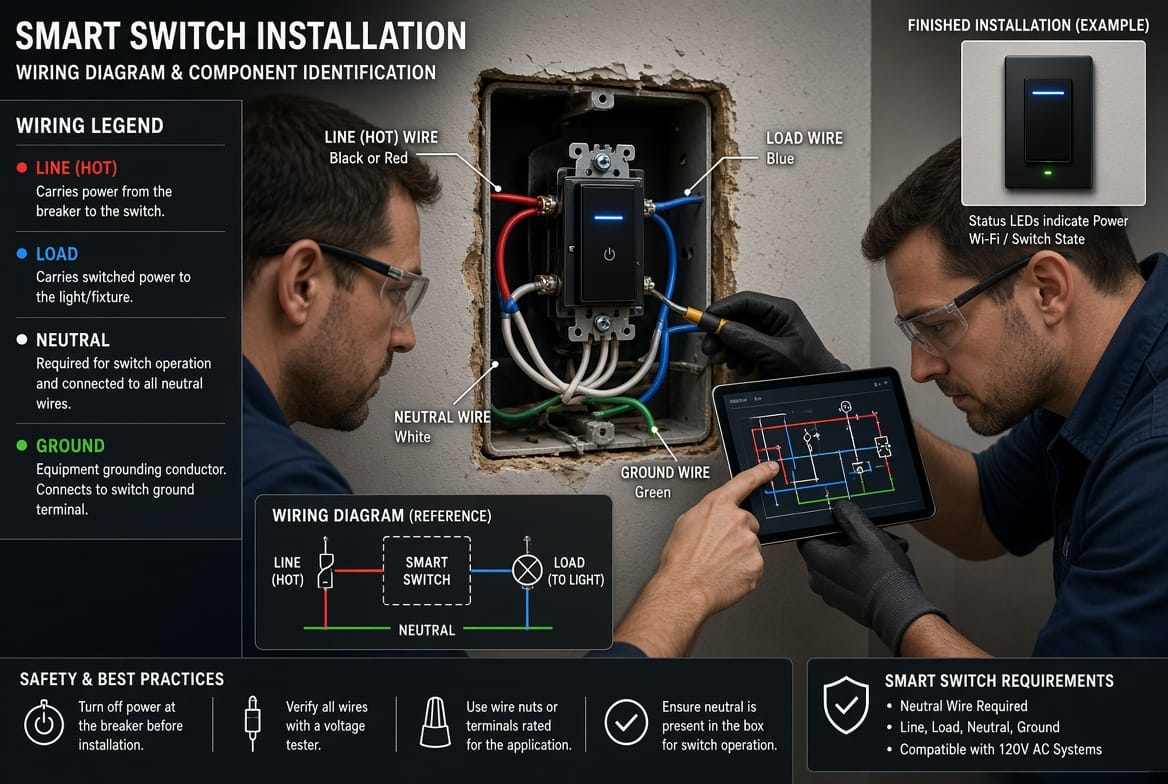
Most modern smart switches need a neutral wire to power their internal electronics. Older homes sometimes lack this wire in the switch box. A qualified electrician can verify presence with a simple test and, if necessary, pull a neutral from the nearest junction box. Attempting installation without a neutral on a switch that requires one will prevent the device from functioning and may create safety hazards.
Load Capacity and Circuit Limits
Every switch is rated for a maximum wattage or amperage. Exceeding that rating risks overheating. LED lighting draws far less power than older incandescent bulbs, so capacity is rarely an issue today; nevertheless, calculating the total load on the circuit remains essential. Multi-way setups (three-way or four-way switches controlling the same lights from different locations) demand matching companion switches or special configuration to maintain synchronized control.
Network Strength and Placement
Wi-Fi models need strong signal strength at the switch location. Zigbee and Z-Wave benefit from strategic placement of additional mesh devices. Mapping coverage before installation avoids dead zones that could interrupt remote commands or schedules.
Safety Protocols and Code Compliance
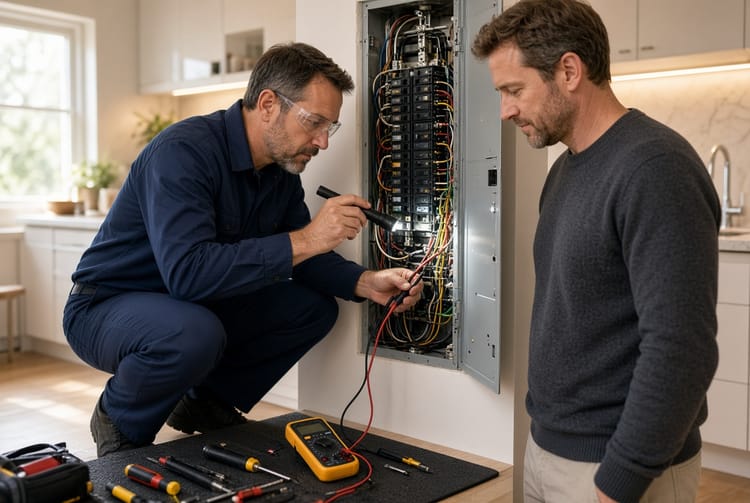
Electricity demands respect. Power must be shut off at the breaker, wires tested with a non-contact voltage tester, and connections secured according to local electrical codes. Grounding must remain intact. These steps eliminate shock risk and fire hazards. Because mistakes can damage equipment or create dangerous conditions, professional installation is the safest path for the majority of homeowners.
Aesthetic and Functional Integration
Modern smart switches come in various styles—paddle, rocker, or even touch-sensitive—to match existing décor. Dimmer-compatible versions allow smooth brightness adjustment, while some models include built-in motion sensors or humidity detection for bathrooms. Selecting the right form factor ensures the upgrade looks intentional rather than temporary.
When these considerations are addressed systematically, the installation process typically takes less than an hour per switch and produces immediate, reliable results.
Expanding Beyond Single Switches
Once the first smart switch is operational, most homeowners discover additional opportunities. Grouping switches into scenes—such as “Movie Night” that dims living-room lights and turns on pathway lighting—creates cinematic ambiance with one command. Integrating outdoor switches with weather-responsive schedules keeps walkways safe without manual intervention. Energy-monitoring data can feed into broader home dashboards, revealing patterns that inspire further efficiency improvements.
Voice control adds another layer of convenience. Saying “Turn on the kitchen lights” while carrying groceries frees both hands. Geofencing features can automatically activate porch lights when your phone approaches the driveway. These expansions feel natural because the foundational smart switch already handles the heavy lifting of reliable switching and power tracking.
Addressing Common Concerns with Confidence
Some homeowners worry about complexity or reliability. In practice, well-chosen devices and professional installation remove those barriers. Cloud-based apps continue to function even if the local internet briefly drops, thanks to onboard memory that stores schedules. Firmware updates arrive automatically, improving security and features over time. Privacy-conscious users can select models that process most commands locally rather than sending data to external servers.
Cost is another frequent question. While a smart switch costs more than a basic mechanical one, the combination of energy savings, extended bulb life (from reduced on-time), and increased home value typically recovers the investment within a few years. Many utility companies even offer rebates for energy-monitoring devices, further improving the financial picture.
Practical Steps to Begin Your Conversion
- Inventory the switches you use most frequently—entryways, kitchens, bedrooms, and outdoor areas usually deliver the greatest daily benefit.
- Decide on a primary protocol based on existing smart devices or preferred ecosystem.
- Schedule a professional evaluation to confirm wiring compatibility and load calculations.
- Select switches that match both technical requirements and aesthetic preferences.
- Enjoy the first remote command and schedule creation—the moment the home begins responding to your lifestyle rather than demanding constant attention.
Each completed installation builds confidence and momentum. What starts as a single kitchen switch often evolves into whole-home automation that feels intuitive and indispensable.
The Long-Term Value of Intelligent Lighting Control
Converting to smart switches is more than a technological novelty; it is a practical enhancement to daily living. Lights that anticipate schedules reduce friction. Energy data that highlights waste empowers better decisions. Remote access that provides peace of mind while traveling removes lingering doubt. Over months and years these small advantages accumulate into a noticeably more comfortable, efficient, and secure home.
Because the underlying technology continues to mature—faster processors, improved mesh reliability, tighter integration with solar systems and battery storage—the investment made today remains relevant tomorrow. Homeowners who begin with a few strategically placed switches position themselves to adopt future innovations without starting over.
Upgrade to smart switches for convenience. Professional installation guarantees correct wiring, optimal placement, and seamless app configuration so you can enjoy every feature from day one.
Get Professional Smart Switch Setup – Call Now