The Sewage Cleanup Health Risks: Bacteria, Viruses, and Parasites
Sewage backups and floods create far more than unpleasant odors and property damage. They introduce serious biological hazards that can threaten your health long after the water recedes. When raw sewage enters your home, it carries a dangerous mix of bacteria, viruses, and parasites capable of causing severe illness.
Protect Your Family from Sewage Health Risks – Call Today
Professional sewage cleanup is not optional — it is essential for safe restoration. Attempting DIY methods often spreads contaminants further and leaves hidden dangers behind. In this comprehensive guide, we explore the specific pathogens involved, how they spread, the health risks they pose, and why certified biohazard remediation protects you and your loved ones.
Understanding the Hidden Dangers in Sewage
Sewage is a complex soup of human waste, household chemicals, and environmental contaminants. When a pipe bursts, a sewer line clogs, or flooding occurs, this mixture invades living spaces. The real threat lies in the microscopic organisms thriving within it.
Key biological hazards include:
- Pathogenic bacteria that multiply rapidly in moist environments
- Viruses that survive on surfaces for days or weeks
- Parasites with resilient cysts that resist casual cleaning
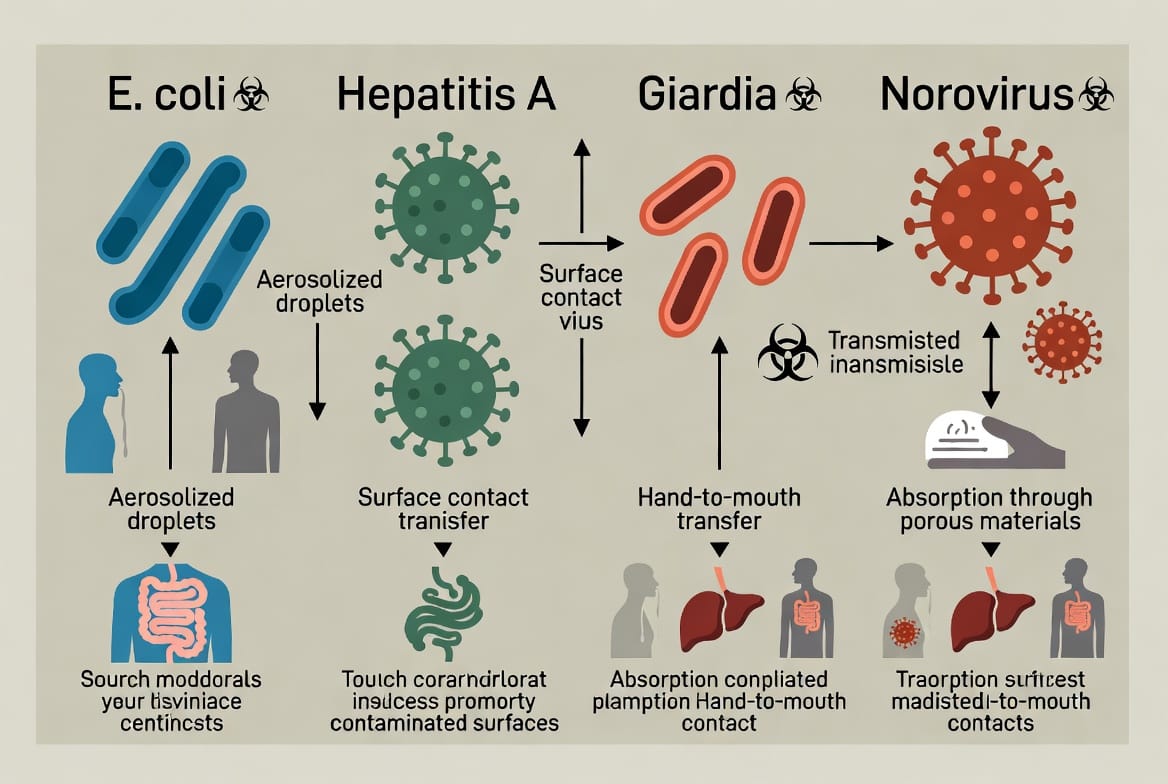
These organisms do not disappear when the visible water is removed. They linger in porous materials, behind walls, under flooring, and in HVAC systems, continuing to pose risks through aerosolized particles, direct contact, and accidental ingestion.
Common Pathogens Found in Sewage
Several dangerous microorganisms are routinely present in sewage backups. Understanding them helps explain why thorough professional remediation matters.
E. coli and Other Harmful Bacteria
Escherichia coli (E. coli) is one of the most common bacteria in sewage. While some strains are harmless, pathogenic varieties can cause severe gastrointestinal distress, urinary tract infections, and in extreme cases, life-threatening complications like hemolytic uremic syndrome.
Other bacteria frequently encountered include Salmonella, Shigella, and Campylobacter. These organisms thrive in the nutrient-rich environment of sewage and can lead to:
- Intense abdominal cramps
- Bloody diarrhea
- High fever and dehydration
- Long-term digestive issues
Bacteria spread easily through contaminated hands, clothing, or cleaning tools. Even small amounts transferred to food preparation surfaces create ongoing exposure risks.
Hepatitis A Virus
Hepatitis A is a highly contagious virus commonly transmitted through sewage-contaminated water or surfaces. It targets the liver and can cause:
- Jaundice (yellowing of skin and eyes)
- Extreme fatigue
- Nausea and vomiting
- Liver inflammation that may require medical intervention
Unlike some viruses, Hepatitis A survives well outside the body. It can remain infectious on dry surfaces for weeks, making complete disinfection critical. Professional teams use hospital-grade disinfectants proven effective against non-enveloped viruses like Hepatitis A.
Giardia and Parasitic Infections
Giardia lamblia is a resilient parasite that forms protective cysts in sewage. These cysts survive standard household cleaning and can cause giardiasis — an intestinal infection leading to:
- Profuse watery diarrhea
- Foul-smelling stools
- Bloating and gas
- Malnutrition from poor nutrient absorption
Children, elderly individuals, and those with weakened immune systems face higher risks of prolonged illness. Parasites like Cryptosporidium present similar challenges due to their chlorine-resistant nature.
Norovirus — The Stomach Bug Powerhouse
Norovirus is notorious for causing rapid-onset gastroenteritis. Often called the "winter vomiting bug," it spreads with alarming efficiency in sewage scenarios. Symptoms include:
- Violent vomiting
- Diarrhea
- Stomach cramps
- Low-grade fever
A single vomit particle can contain millions of viral units. Norovirus spreads via aerosolized droplets when contaminated water is disturbed, making proper containment during cleanup vital.
How Sewage Pathogens Spread in Your Home
Contamination occurs through multiple routes, many of which homeowners underestimate:
- Direct Contact: Touching affected surfaces then touching your face, mouth, or food.
- Aerosolization: Disturbing sewage water creates fine mists carrying bacteria and viruses into the air and onto surfaces throughout the home.
- Ingestion: Accidental transfer through contaminated hands or improperly cleaned items.
- Cross-Contamination: Tracking contaminants from the affected area to clean zones via shoes, clothing, or equipment.
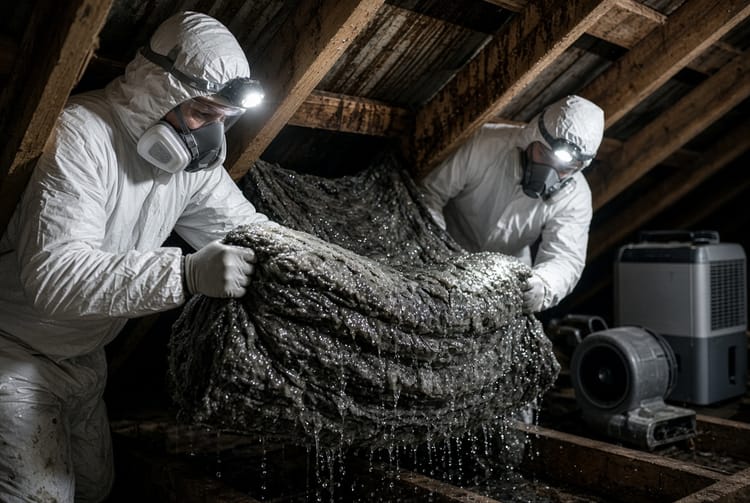
- Hidden Reservoirs: Pathogens lingering in drywall, insulation, carpeting, and subflooring.
Without proper personal protective equipment (PPE) and containment protocols, cleanup activities dramatically increase exposure. Simple mops and household cleaners rarely eliminate these threats completely.
Health Risks Beyond Immediate Illness
Exposure to sewage contaminants can lead to both acute and chronic health effects. Immediate symptoms might appear within hours or days, but some consequences develop more slowly:
- Respiratory Issues: Inhaled particles can trigger asthma exacerbations or infections.
- Skin Infections: Open cuts or abrasions exposed to bacteria may develop cellulitis or abscesses.
- Long-term Digestive Problems: Repeated or severe infections can disrupt gut microbiome balance.
- Secondary Complications: Dehydration from gastrointestinal illness can strain the heart and kidneys, particularly in vulnerable populations.
Children playing on seemingly cleaned floors, pets tracking residues, and family members with compromised immune systems face elevated dangers. Pregnant individuals and seniors require extra caution.
Why DIY Sewage Cleanup Is Extremely Risky
Many homeowners initially consider handling small backups themselves to save money. However, the hidden biological hazards make this approach dangerous and often more expensive in the long run.
Common DIY mistakes include:
- Using inadequate PPE that fails to protect against aerosols and splashes
- Incomplete removal of porous materials that harbor pathogens
- Insufficient disinfection that leaves viable organisms behind
- Spreading contaminants to unaffected areas of the home
- Failure to address hidden moisture leading to mold growth compounding the problem
Professional biohazard remediation teams follow strict protocols developed for safe handling of infectious materials. They possess specialized training, equipment, and experience that ensures complete pathogen elimination.
Professional Sewage Cleanup: Essential Safety Measures
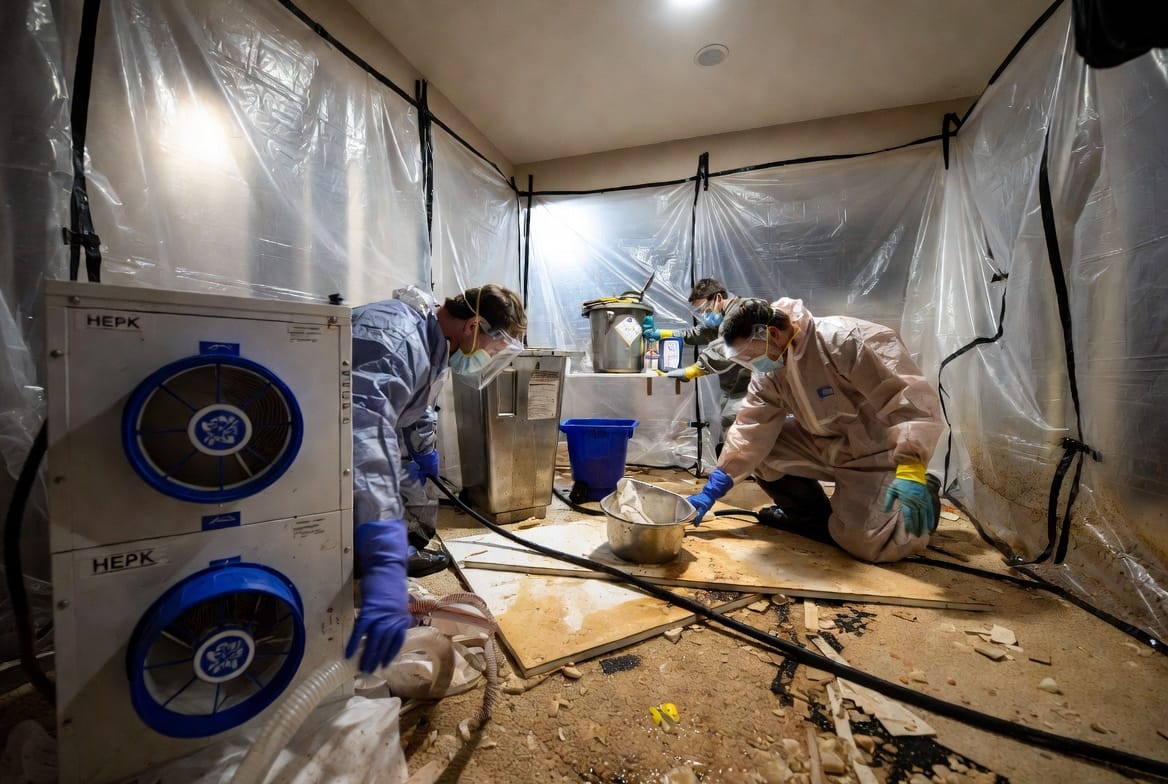
Certified remediation experts employ comprehensive strategies to protect health and restore your property safely.
Critical Components of Professional Remediation
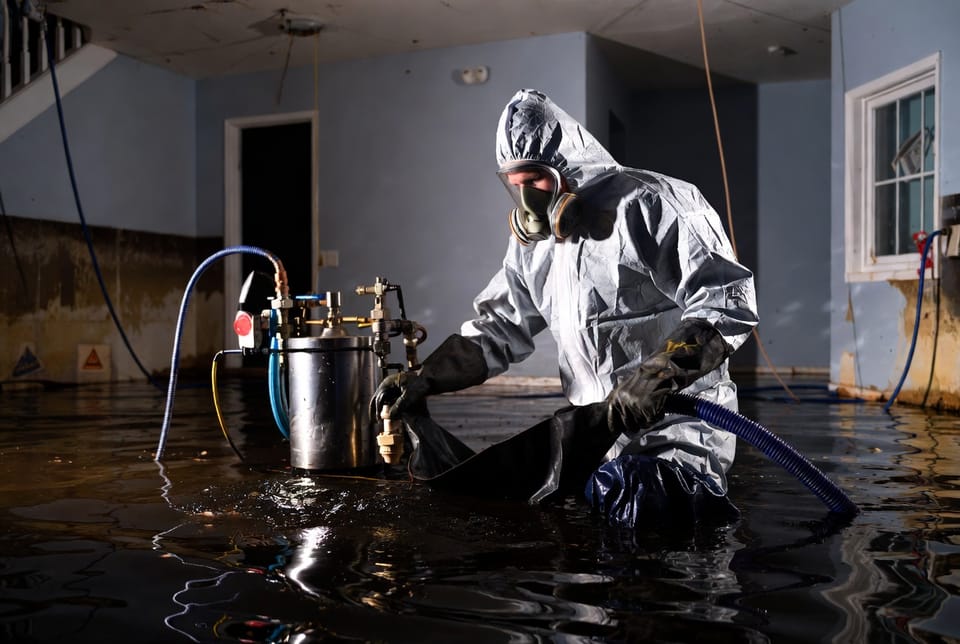
- Full Personal Protective Equipment: Hazmat suits, respirators with appropriate filters, waterproof boots, and multiple glove layers.
- Containment and Negative Air Pressure: Preventing cross-contamination by isolating the affected area.
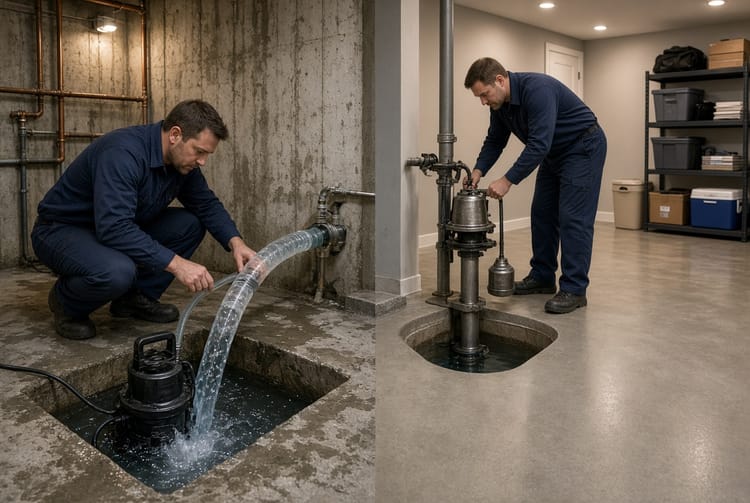
- Advanced Water Extraction: Powerful equipment removes bulk sewage quickly.
- HEPA Air Scrubbers: Filter microscopic particles and aerosols from the air.
- Hospital-Grade Disinfectants: EPA-approved solutions proven effective against the full spectrum of sewage pathogens.
- Structural Drying and Dehumidification: Eliminating hidden moisture that allows surviving organisms to persist.
- Proper Disposal: Safe removal and disposal of irreparably contaminated porous materials according to regulations.
These steps, executed systematically, minimize health risks and provide peace of mind that your home is truly safe.
Long-Term Prevention and Home Protection
After successful remediation, taking preventive steps reduces future risks:
- Schedule regular plumbing inspections and maintenance
- Install backflow prevention devices
- Elevate critical utilities in flood-prone areas
- Consider sewage ejection systems for below-grade bathrooms
- Maintain proper landscaping to direct water away from your foundation
Prompt action when backups occur limits both property damage and health exposure. Delaying professional intervention allows pathogens more time to spread and materials more time to absorb contaminants.
Restoring Safety and Peace of Mind
Dealing with sewage contamination is stressful, but understanding the biological hazards empowers you to make the right decisions. The presence of E. coli, Hepatitis A, Giardia, Norovirus, and other pathogens demands respect and professional expertise.
Do not risk your family’s health with incomplete cleaning attempts. Sewage is not a DIY cleanup. Certified technicians have the knowledge, equipment, and protocols to handle these situations safely and effectively.
Our experienced team provides rapid response, thorough remediation, and complete documentation for insurance claims. We prioritize your safety and work discreetly to restore your home to a healthy condition.
We’re available 24/7 to help protect what matters most — your family’s health and your home.
Don’t Risk DIY – Call for Professional Sewage Cleanup