The Security System Remote Monitoring: Difference Between Professional and Self-Monitoring
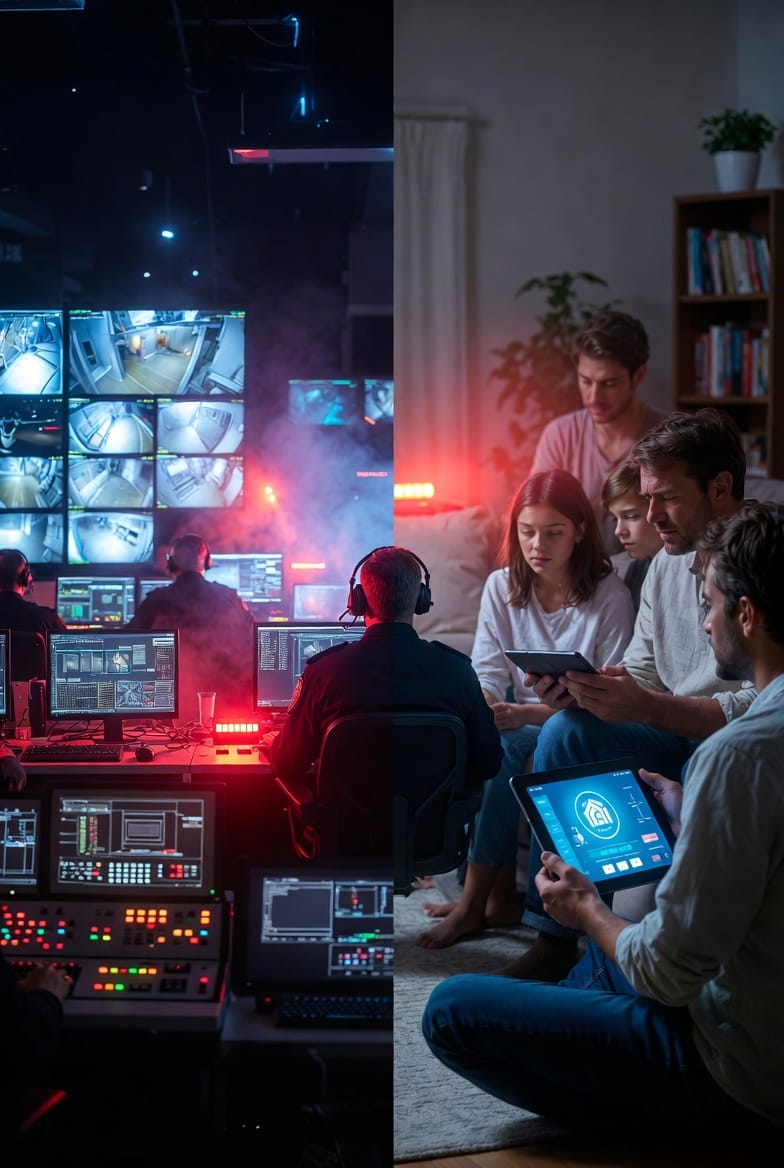
In today's world, home security is no longer a luxury—it's an essential safeguard for your peace of mind. With advanced security system remote monitoring options available, homeowners face an important choice: professional monitoring or self-monitoring. Understanding the difference between professional and self-monitoring can help you select the system that truly fits your lifestyle and protects what matters most.
Choose the Right Security Monitoring – Call Now!
This comprehensive guide breaks down both approaches with clear explanations, real-world scenarios, and practical recommendations so you can make an informed decision. Whether you're frequently away from home, have a busy family schedule, or prefer hands-on control, the right monitoring solution ensures reliable protection when it counts.
Understanding Professional Security Monitoring
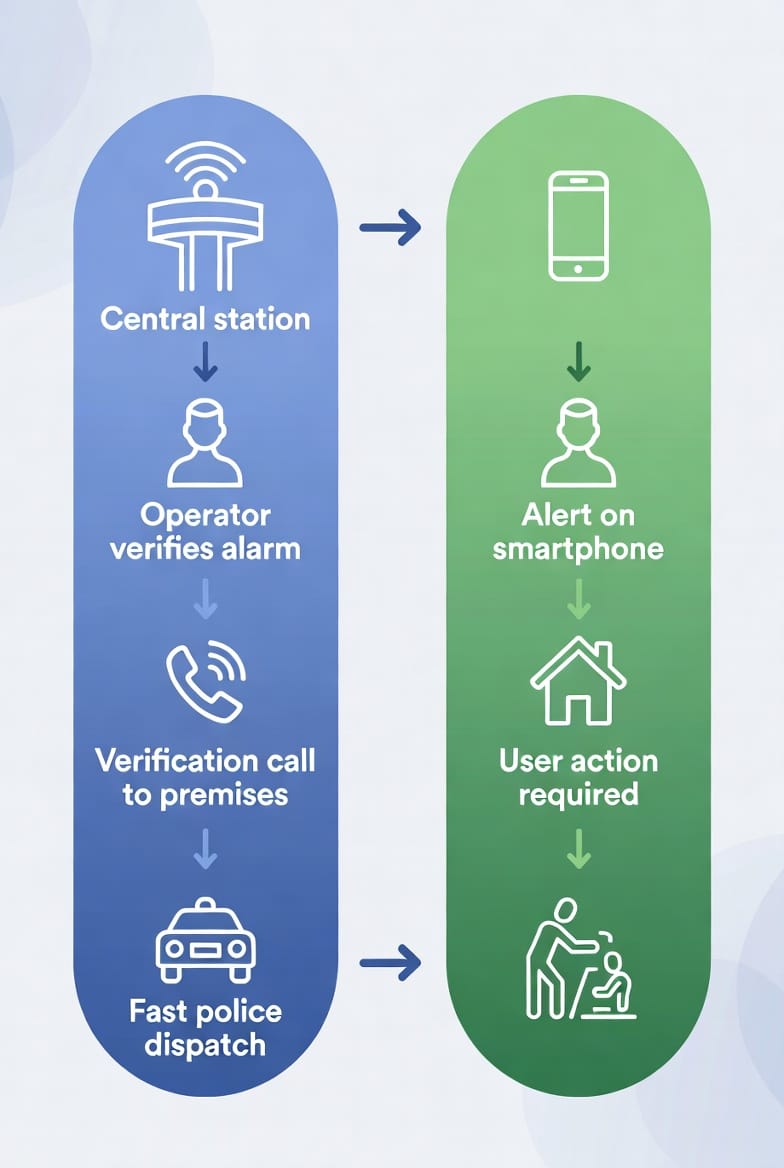
Professional monitoring connects your home security system to a dedicated central monitoring station staffed 24/7 by trained professionals. When an alarm triggers—whether from a door sensor, motion detector, or smoke alarm—the signal travels instantly to the station.
These experts verify the threat, then take immediate action. They follow your customized emergency protocol: contacting you first if safe, then dispatching police, fire, or medical services as needed. This human oversight makes professional monitoring incredibly reliable during emergencies.
How Professional Monitoring Works Step by Step
- Alarm activation: Sensors detect an issue and send a signal.
- Central station response: Trained operators review camera feeds or contact you for verification within seconds.
- Emergency dispatch: If confirmed or no response received, authorities are dispatched quickly.
- Follow-up: Detailed incident reports are provided for your records or insurance claims.
This system shines when you're unavailable—sleeping, traveling, or simply unable to respond promptly. Monthly costs typically range from $20 to $50, depending on features and contract terms, but the value comes from true 24/7 protection.
What Is Self-Monitoring and How Does It Work?
Self-monitoring relies on smart technology and mobile apps. Your security system sends real-time alerts directly to your smartphone, tablet, or computer when something triggers the sensors. You decide the next steps—checking live camera feeds, contacting neighbors, or calling authorities yourself.
This option is generally free beyond the equipment and any cloud storage fees. Many modern systems offer push notifications, video verification, and two-way audio communication straight from your device.
Benefits and Limitations of Self-Monitoring
While empowering, self-monitoring places full responsibility on you:
- Pros:
- Immediate personal awareness and control
- No monthly fees for basic monitoring
- Customizable notifications and automation
- Easy integration with smart home devices
- Cons:
- Requires constant phone access and quick response
- Delayed action if you're unavailable or asleep
- Higher chance of false alarms going unaddressed
- No automatic emergency dispatch
For tech-savvy homeowners who are usually near their phones, self-monitoring offers flexibility and cost savings. However, it may not provide the same level of reassurance for those with demanding schedules or frequent travel.
Key Differences: Professional vs Self-Monitoring
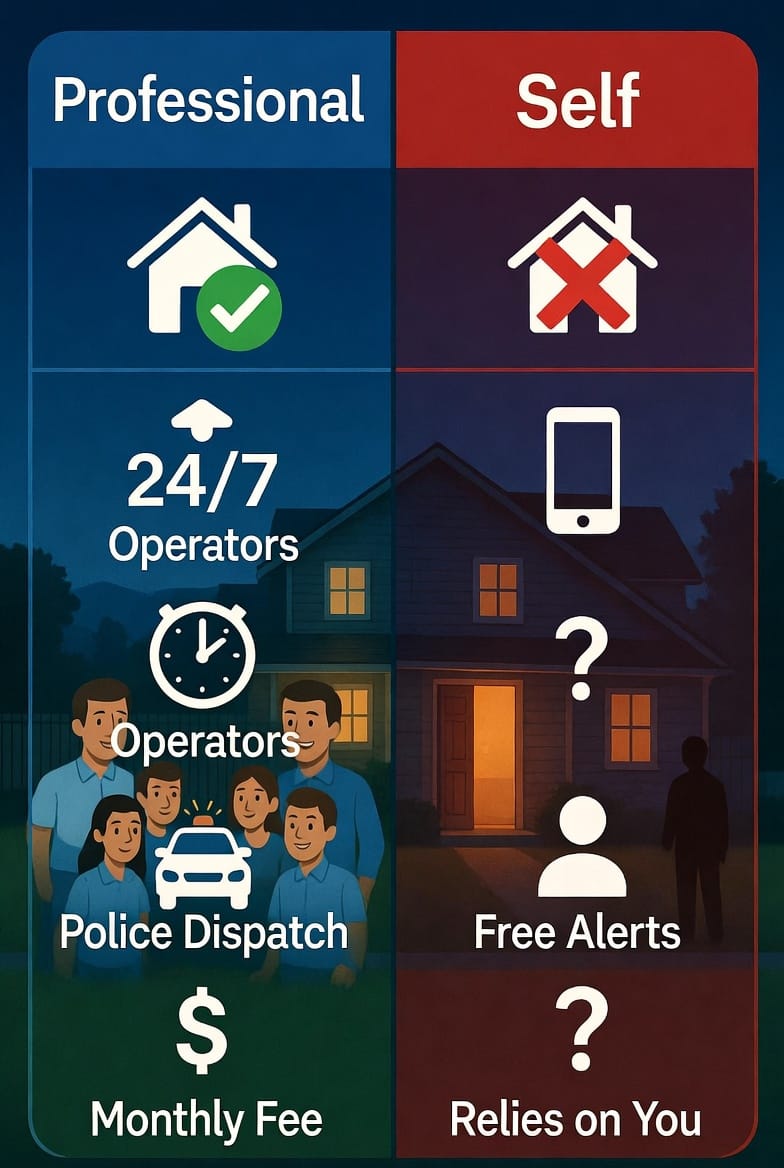
The difference between professional and self-monitoring becomes clear when examining response reliability, costs, and coverage:
Professional Monitoring Advantages:
- 24/7 expert oversight – Trained staff handle situations even when you're unavailable.
- Faster emergency response – Direct links to police, fire, and medical services reduce critical delays.
- Verification to minimize false alarms – Operators confirm threats before dispatching help.
- Peace of mind for families – Especially valuable for elderly relatives, parents with young children, or remote workers.
Self-Monitoring Advantages:
- Zero monthly monitoring fees – More budget-friendly long-term.
- Full user control – You manage every alert personally.
- Quick customization – Adjust settings instantly through the app.
- Modern tech features – Live video, two-way talk, and smart automations.
Potential Risks to Consider:
- With self-monitoring, a serious incident at 3 AM while you're on vacation could go unnoticed until too late.
- Professional monitoring adds a safety net but involves a recurring investment.
A reliable security system balances technology with human support where needed. Many homeowners combine both—using self-monitoring for daily awareness and professional backup for critical coverage.
Choosing the Right Option Based on Your Lifestyle
Your daily routine should guide your decision. Here's how different lifestyles typically benefit:
- Frequent travelers or shift workers: Professional monitoring is highly recommended. When you're across town or across the country, central station experts ensure rapid response.
- Stay-at-home parents or remote workers: Self-monitoring may suffice during daytime hours, but adding professional backup provides extra security at night.
- Tech enthusiasts: Self-monitoring aligns perfectly with smart home ecosystems, but consider professional add-ons for maximum protection.
- Seniors or families with medical needs: Professional monitoring with medical alert integration offers life-saving reliability.
- Budget-conscious homeowners: Start with self-monitoring and upgrade to professional if circumstances change.
Many security providers offer hybrid solutions, allowing seamless switching or layered protection tailored to your needs.
Additional Features That Enhance Either Monitoring Type
Modern security system remote monitoring includes powerful extras regardless of your choice:
- Live video surveillance for real-time verification
- Smart sensor integration (doors, windows, motion, glass break)
- Environmental monitoring (smoke, carbon monoxide, water leaks)
- Mobile app controls with geofencing and automation
- Battery backup ensuring operation during power outages
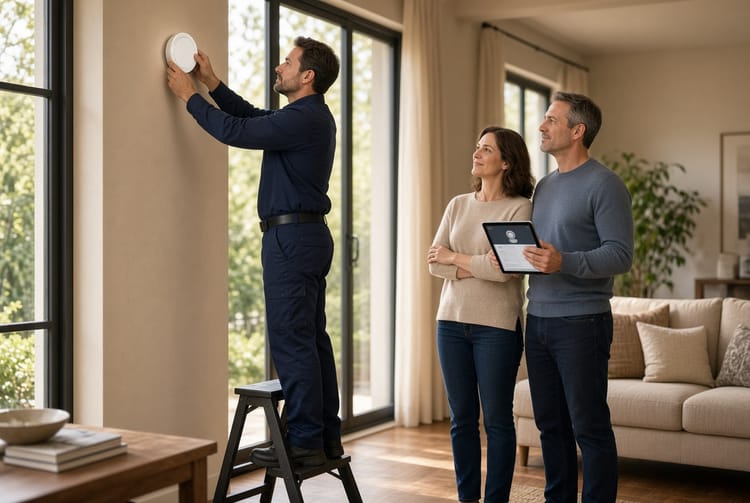
- Professional installation for optimal sensor placement
These features amplify effectiveness in both professional and self-monitoring setups.
Common Concerns and How Monitoring Addresses Them
Homeowners often worry about false alarms, response times, and system reliability. Professional monitoring addresses these through expert verification and established protocols with local authorities. Self-monitoring empowers you with immediate data but requires proactive management.
Bold truth: No monitoring is perfect, but having any system dramatically reduces risks compared to none. Professional options excel in unattended scenarios, while self-monitoring shines with active user involvement.
Regular system testing and maintenance keep everything functioning optimally. Reputable providers offer support to help troubleshoot issues quickly.
Making Your Final Decision
Weighing the difference between professional and self-monitoring ultimately comes down to your personal circumstances, risk tolerance, and budget. Professional monitoring delivers unmatched reliability and expert intervention for comprehensive protection. Self-monitoring offers freedom and cost savings with the convenience of direct control.
Many families find the best solution is professional monitoring for core security needs, supplemented by self-monitoring tools for everyday convenience. Whatever path you choose, investing in a quality system protects your loved ones, property, and valuables.
Ready to explore your options? Our security experts can assess your home and recommend the ideal monitoring solution tailored to your lifestyle. Don't leave your family's safety to chance.
Choose the monitoring approach you truly need. Your peace of mind is worth it.
Professional vs Self Monitoring? Get Expert Advice – Call Now