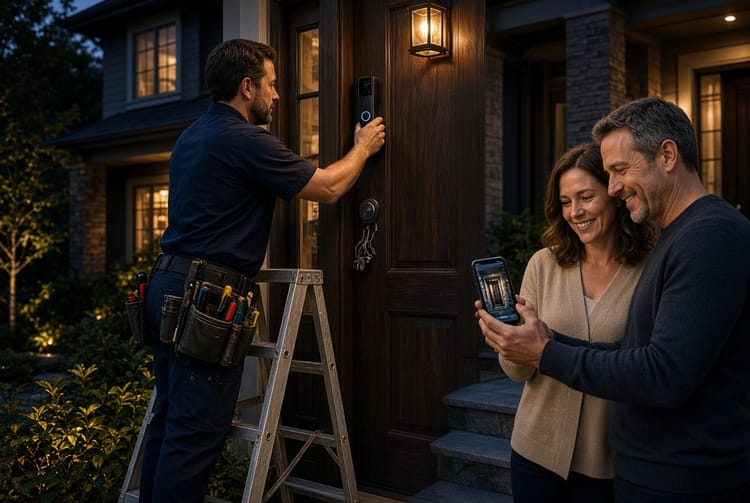
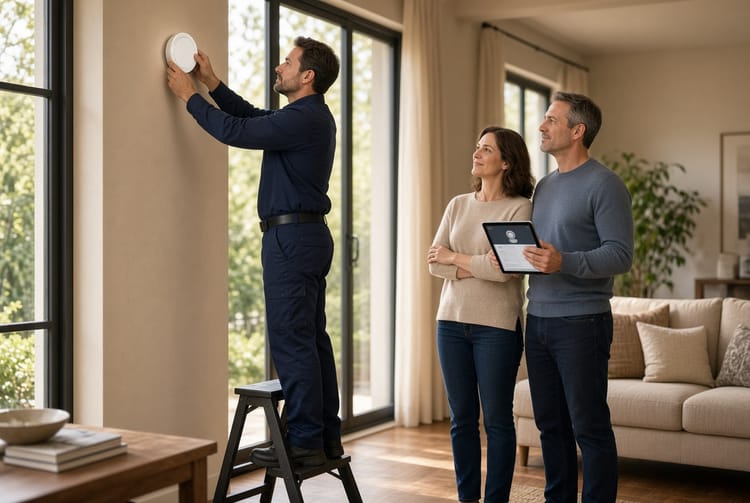
The Security System Permits: Understanding Local Requirements and Avoiding Fines

In today’s world, a reliable home security system stands as one of the smartest investments you can make for your family’s safety and peace of mind. Yet many homeowners install advanced monitored alarm systems only to discover later that local governments impose specific administrative requirements they must meet. These security system permits are more than paperwork—they form the critical link between your investment and full legal protection.
Avoid Costly Fines – Secure Your Alarm Permit with Expert Help Today
Understanding and securing the right alarm permit ensures your system operates smoothly, emergency responders arrive promptly when needed, and you avoid unexpected fines for false alarms. Across the country, municipalities have implemented these rules to reduce unnecessary calls to police and fire departments while prioritizing genuine emergencies. When you comply from day one, you gain confidence that your security setup delivers maximum value without added stress or financial risk.
This comprehensive guide walks you through every aspect of local requirements for security system permits. You will learn exactly why cities enforce them, how the application process works, the potential penalties of skipping steps, and practical strategies to stay fully compliant year after year. Whether you are installing a new system or reviewing an existing one, the information here empowers you to protect your home the right way—legally and effectively.
The Purpose Behind Security System Permits
Security system permits exist primarily to create a structured relationship between homeowners, security providers, and local authorities. When your monitored alarm system triggers, it automatically notifies a central monitoring station, which then contacts emergency services. Without an official permit on file, responders may treat the call differently or even delay action until verification occurs.
Cities and counties experience thousands of false alarms each year, often caused by user error, weather, or equipment issues. These incidents tie up valuable public resources and can slow response times for real emergencies. By requiring alarm permits, local governments maintain accurate contact information for every protected property, verify proper installation standards, and encourage responsible use of security technology.
The reassuring truth is that obtaining a permit is straightforward and brings tangible benefits. Compliant homeowners typically receive priority dispatch, reduced or waived false-alarm fees, and stronger legal standing if an incident ever reaches court. In short, compliance transforms your security system from a simple device into a fully supported community asset that works seamlessly with first responders.
How Local Governments Establish Administrative Requirements
Every jurisdiction sets its own administrative requirements for home security systems, but common elements appear nationwide. Most cities mandate a permit for any monitored alarm system connected to police, fire, or medical dispatch. The application usually collects your property address, installer details, emergency contacts, and system specifications. Some areas require a one-time registration fee while others charge a modest annual renewal to keep records current.
Key terms you will encounter include “permit application,” “false alarm ordinance,” and “registered alarm user.” These phrases appear in official notices and help you recognize the process. Many localities accept online submissions, making the entire procedure quick and convenient from your smartphone or computer. Professional security companies often assist with filing, further simplifying the experience for busy families.
Importantly, these rules are not designed to burden homeowners. Instead, they ensure accountability and promote best practices that ultimately reduce risks for everyone in the community. When you meet these local requirements, you position yourself as a responsible citizen who values both personal safety and public safety resources.
The Real Cost of Non-Compliance: Fines and Risks
Skipping the alarm permit process carries measurable financial and practical consequences. Without proper registration, your first false alarm can trigger immediate penalties that escalate quickly with repeat incidents. Municipalities routinely impose higher fines on unpermitted systems precisely because they lack verified contact information and installation details.
Beyond direct fines, non-compliance can lead to temporary suspension of police response. In extreme cases, repeated violations may result in the need to appear before a local board or even face restrictions on future system use. These outcomes disrupt the very protection you paid to receive.
The good news? Compliance eliminates these risks entirely. By investing a small amount of time and a reasonable fee upfront, you safeguard against hundreds or even thousands of dollars in potential penalties. Homeowners who stay proactive report greater confidence and fewer headaches when dealing with their security systems long-term.

Step-by-Step Guide to Obtaining and Maintaining Your Permit
Securing your security system permit follows a logical, repeatable process that reputable installers know by heart. Begin by researching your specific city or county rules through the local police department website or alarm ordinance page. Next, complete the official application—either online or via printed form—providing accurate details about your property and monitoring service.
After installation, schedule a final verification with your security provider and submit any required certificates. Pay the applicable fee, which typically covers processing and record-keeping. Once approved, you will receive an official permit number or decal to display if requested.
Maintenance matters just as much as initial filing. Mark your calendar for any renewal dates, usually annual or every two years, and update your emergency contacts immediately if they change. Should you upgrade or move your system, notify authorities promptly to keep records current.
Following these steps guarantees your alarm permit remains active and effective. The process not only satisfies legal obligations but also reinforces a culture of safety and preparedness within your household.
Best Practices to Prevent False Alarms and Strengthen Compliance
Reducing false alarms ranks among the most effective ways to maintain long-term compliance and keep costs low. Start with thorough user training for every household member, including children and guests, so everyone understands proper arming and disarming procedures.
Regular professional maintenance visits catch sensor drift or battery issues before they trigger unwanted alerts. Choose high-quality equipment from trusted manufacturers and opt for professional installation rather than DIY solutions. Simple habits such as securing pets in designated areas during armed periods and testing door and window contacts quarterly also make a significant difference.
Bullet-point best practices include:
- Train everyone on correct system use and emergency protocols.
- Schedule annual service checks with your security provider.
- Update contact information immediately after any life changes.
- Test your system monthly to verify all components function properly.
- Review local ordinances whenever you receive a system upgrade.
By embracing these habits, you minimize disruptions and demonstrate responsible ownership that authorities appreciate. Your proactive approach translates directly into fewer fines, faster response times, and greater overall security.
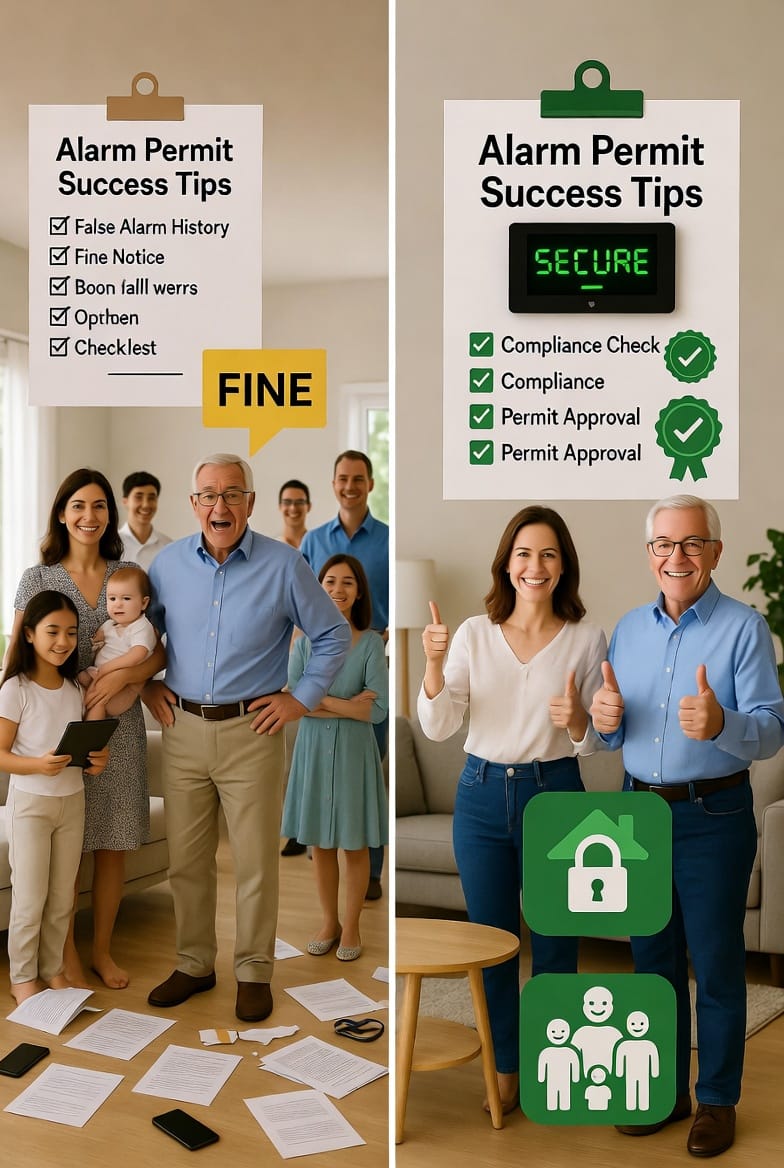
How Professional Security Providers Simplify the Entire Process
Experienced security companies do far more than install cameras and sensors. They guide you through every administrative requirement, often handling permit applications on your behalf and ensuring all documentation reaches the correct office. Their teams stay current on evolving local rules and can alert you to upcoming renewals or ordinance changes.
Partnering with professionals removes guesswork and saves valuable time. You receive expert advice tailored to your neighborhood, plus ongoing support that keeps your system operating at peak performance. This collaborative relationship delivers not only technical excellence but also complete regulatory peace of mind.
Staying Compliant Delivers Lasting Peace of Mind
Security system permits represent a small but essential step that unlocks the full potential of your home protection investment. By understanding local requirements, completing the proper paperwork, and following proven prevention strategies, you eliminate the threat of costly fines and ensure emergency services respond exactly as intended.
Compliance is not a burden—it is a smart, responsible choice that protects your family, your finances, and your community. Take action today, review your current system status, and confirm that every administrative detail is in perfect order. When you stay ahead of the requirements, you enjoy the true freedom that comes with knowing your home is secure, legal, and fully supported.
If you need assistance navigating alarm permit applications, renewals, or any aspect of local compliance, our team stands ready to help.
Stay compliant. Avoid fines. Protect what matters most.
Ensure Fast Emergency Response – Complete Your Alarm Permit with Our Team