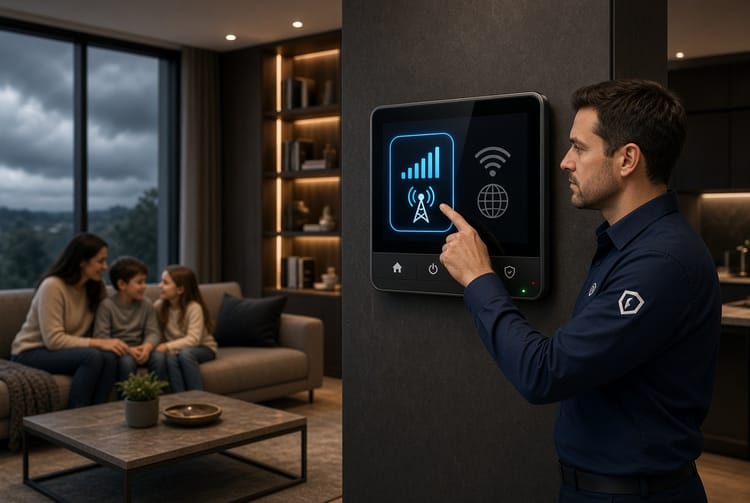
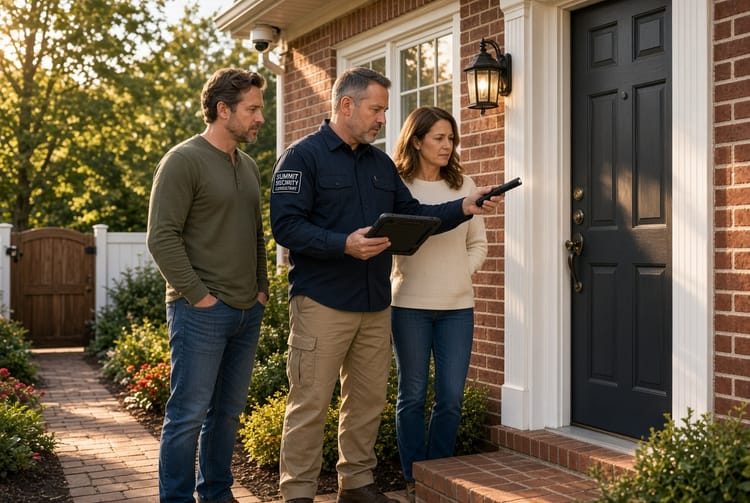
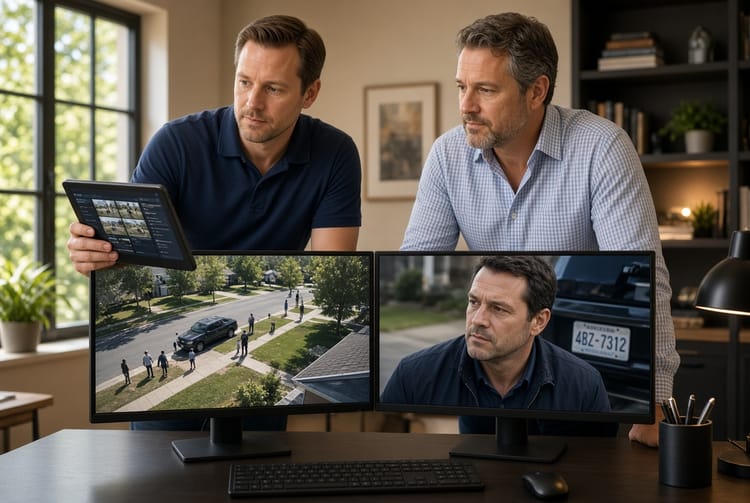
The Security System Live Monitoring vs. Self-Monitoring: Pros and Cons
In today's world, home security is more than just locking your doors—it's about creating a reliable safety net that protects your family, belongings, and peace of mind around the clock. With advancements in smart technology, homeowners now face a key decision: opt for professional live monitoring or go with self-monitoring systems. Both approaches have their place, but understanding the pros and cons of each can help you choose the best fit for your lifestyle.
Protect Your Family with Expert Live Monitoring – Call Today
At its core, professional monitoring connects your system to a central station where trained experts respond to alerts, while self-monitoring relies on smartphone notifications that put the responsibility squarely on you. This article dives deep into the differences, weighing costs, response effectiveness, convenience, and more to empower you with the knowledge needed for an informed decision.
Understanding Professional Live Monitoring
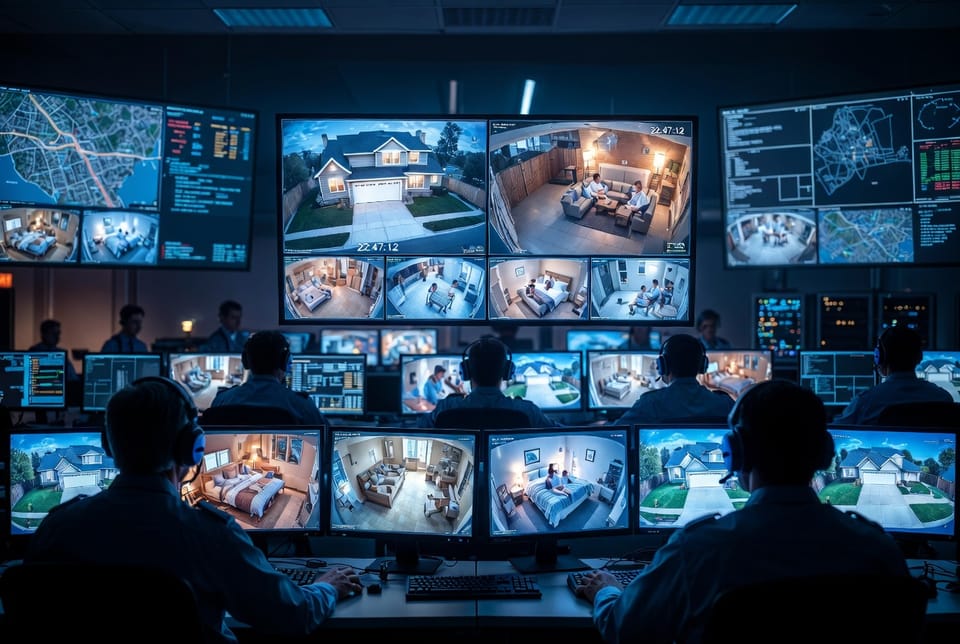
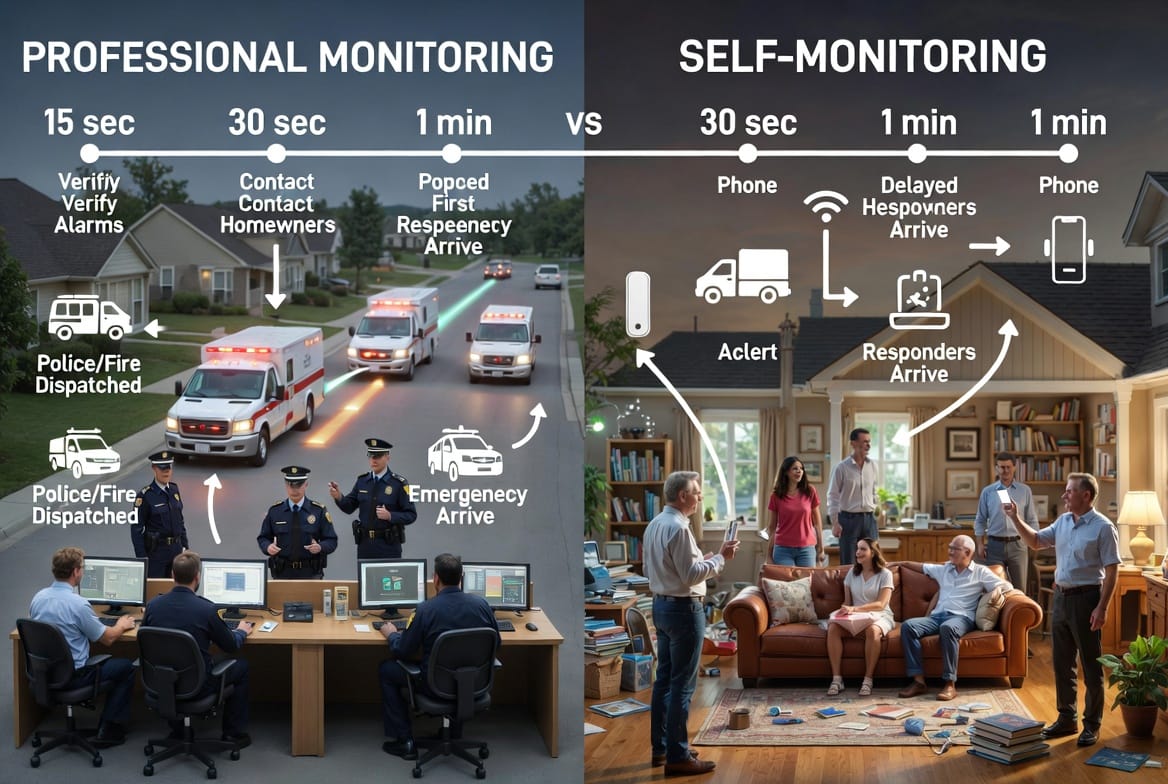
Professional live monitoring, often called central station monitoring, involves a dedicated team at a secure facility overseeing your home security system 24 hours a day, 7 days a week. When an alarm triggers—whether from a door sensor, motion detector, or smoke alarm—the signal goes directly to the monitoring center.
Trained operators first attempt to verify the alert by contacting you. If there's no response or confirmation of an emergency, they swiftly dispatch authorities. This model shines when you're unavailable, such as during sleep, work, travel, or family outings.
Key Benefits of Professional Monitoring
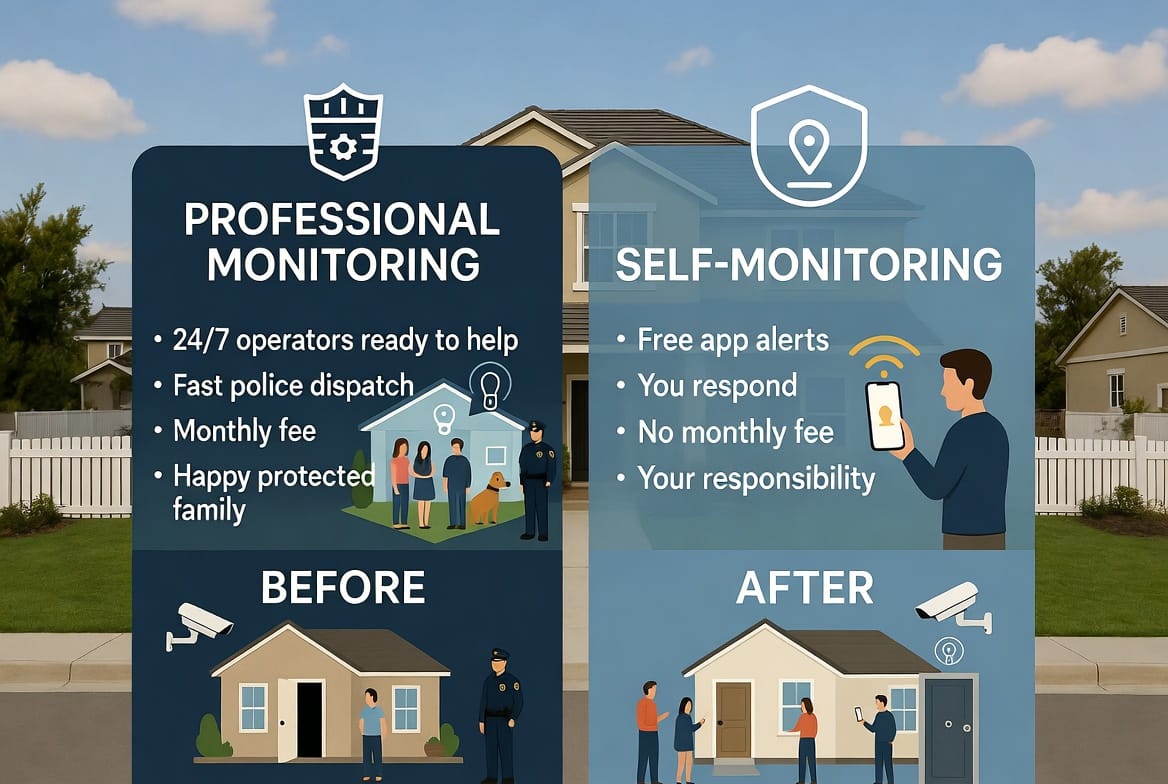
- 24/7 Expert Oversight: Unlike self-monitoring, professionals handle verification and escalation, reducing false alarms that could waste emergency resources or lead to fines.
- Rapid Response Times: Industry averages show response in under 30-45 seconds in many cases, potentially saving critical minutes in a break-in, fire, or medical emergency.
- Peace of Mind for Busy Lifestyles: Perfect for families with children, frequent travelers, elderly residents, or remote workers who can't always check their phones instantly.
- Additional Services: Many plans include medical alerts, home automation integration, and potential insurance discounts for lowered premiums due to verified protection.
- Backup Power and Redundancy: Central stations maintain robust backups, ensuring your system stays connected even during outages.
Bold risks like delayed police arrival or missed notifications are minimized, offering reassurance that help is on the way.
The Self-Monitoring Approach
Self-monitoring empowers you to receive real-time alerts directly via a mobile app. Sensors trigger notifications to your smartphone, and it's up to you to assess the situation and contact authorities if needed. This option typically comes with little to no monthly fee beyond equipment costs.
It's popular among tech-savvy homeowners who prefer full control and want to avoid ongoing subscriptions.
Advantages of Self-Monitoring
- Cost Savings: No recurring monitoring fees mean more money stays in your pocket—ideal for budget-conscious households.
- Complete Control: Customize alerts, review footage instantly, and manage everything from your device without intermediaries.
- Flexibility and Portability: Easy to set up, relocate, or scale without contracts. Great for renters or those testing the waters.
- No False Alarm Penalties: You handle verification, avoiding potential local fines for unnecessary dispatches.
- Instant Awareness: Push notifications keep you informed wherever you are, fostering a proactive security mindset.
However, this approach demands your constant availability and quick decision-making.
Direct Comparison: Pros and Cons Head-to-Head
Choosing between the two isn't always black and white. Here's a balanced breakdown:
Response Reliability and Speed
Professional monitoring excels here. Experts verify and act immediately, even if you're unreachable. In contrast, self-monitoring depends on your phone being charged, signal strength, and your ability to respond promptly—potentially leaving gaps in protection during vacations or deep sleep.
Cost Considerations
Self-monitoring wins on affordability with minimal or zero monthly costs. Professional plans typically range from $20–$60+ per month, depending on features, but many homeowners view this as a worthwhile investment for comprehensive coverage.
Convenience and Lifestyle Fit
- Families and seniors often prefer professional options for hands-off protection.
- Tech enthusiasts or single professionals may thrive with self-monitoring's control.
- Hybrid systems allow both, offering alerts plus optional professional backup.
Potential Drawbacks
Self-monitoring risks include missed alerts during busy times, no automatic dispatch, and added personal stress in crises. Professional monitoring involves fees and possible contracts, though many modern providers offer flexible terms.
Security Effectiveness
Professionally monitored systems often deter crime more effectively due to visible monitoring stickers and proven rapid response. Self-monitored setups rely heavily on your vigilance and may not integrate as seamlessly with emergency services.
Lifestyle Recommendations: Which Is Right for You?
Your daily routine should guide the choice. Consider these scenarios:
- Frequent Travelers or Shift Workers: Professional monitoring provides essential backup, ensuring protection when you're across town or out of state.
- Budget-Focused Homeowners: Start with self-monitoring and upgrade later if needed. Many systems allow easy transitions.
- Families with Children or Elderly Members: Prioritize live monitoring for medical alerts and around-the-clock peace of mind.
- Tech-Savvy Individuals: Self-monitoring apps deliver satisfying control, especially when paired with video verification features.
- High-Value Properties or High-Crime Areas: Professional services minimize risks through expert intervention.
Reassuring note: Many reputable providers now offer hybrid models, letting you test self-monitoring before committing to full professional coverage. Assess your risk tolerance, household size, and travel frequency honestly.
Additional Factors to Weigh
Integration with Smart Home Devices: Both options work with cameras, locks, and lights, but professional services often include advanced automation and video confirmation to reduce false alarms.
Installation and Support: Professional systems may come with expert setup, while DIY self-monitored kits emphasize ease for handy homeowners.
Legal and Local Considerations: Check your area's false alarm policies and ensure chosen monitoring complies with emergency dispatch protocols.
Long-Term Value: While self-monitoring saves upfront, professional monitoring can lower insurance premiums and provide documented response records valuable for claims.
Making the Smart Choice for Your Home
Ultimately, the best home security system aligns with your unique needs. Professional live monitoring delivers unmatched reliability and expert support, ideal when you need help most. Self-monitoring offers freedom and savings for those who stay actively engaged.
Choose the level of protection that matches your lifestyle—whether it's the vigilant eyes of a central station or the convenience of app-based alerts. Don't leave your home's safety to chance. Evaluate your priorities, explore available systems, and select what brings you true peace of mind.
Ready to enhance your home's security? Our experts can discuss monitoring options tailored to your Dallas-area property and help you find the perfect balance of protection and affordability.
Find the Best Monitoring Solution for Your Lifestyle – Call Today