The Secondary Damage Window: Why Prompt Action Prevents Mold and Rot
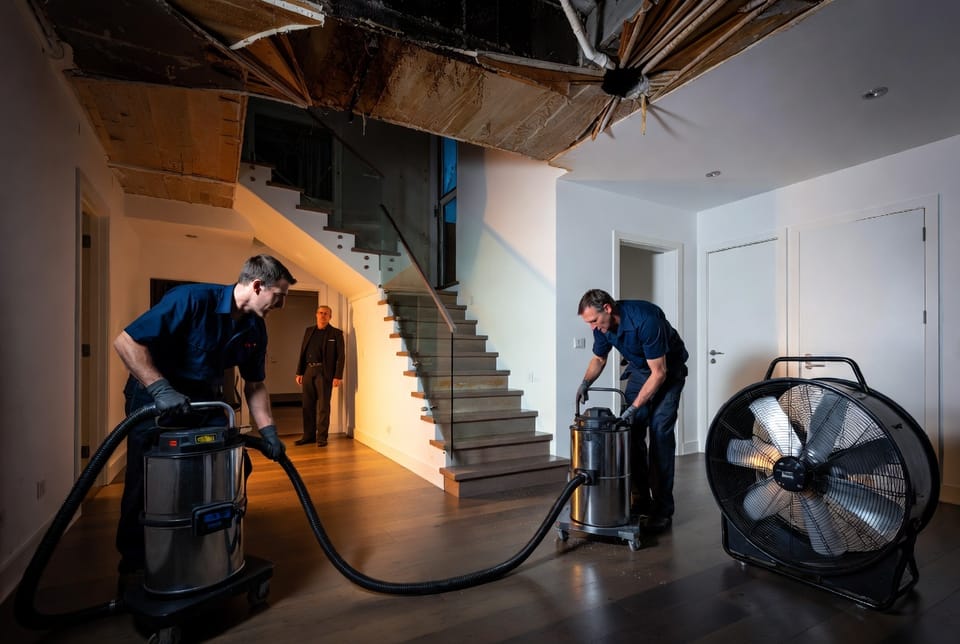
Water damage rarely ends with the initial flood. The real threat often begins after the water stops flowing. This critical period — known as the secondary damage window — is where small problems rapidly escalate into expensive structural issues, health hazards, and long-term property damage.
Stop Mold Before It Starts – Call Now!
At our restoration company, we’ve seen time and again how prompt professional intervention within the first 24 to 72 hours dramatically reduces both the scope of damage and the final restoration cost. Understanding this timeline empowers homeowners to act decisively when water emergencies strike.
Understanding the Secondary Damage Timeline
Water intrusion sets off a biological and chemical chain reaction that accelerates with every passing hour. Here’s what actually happens inside your walls and floors:
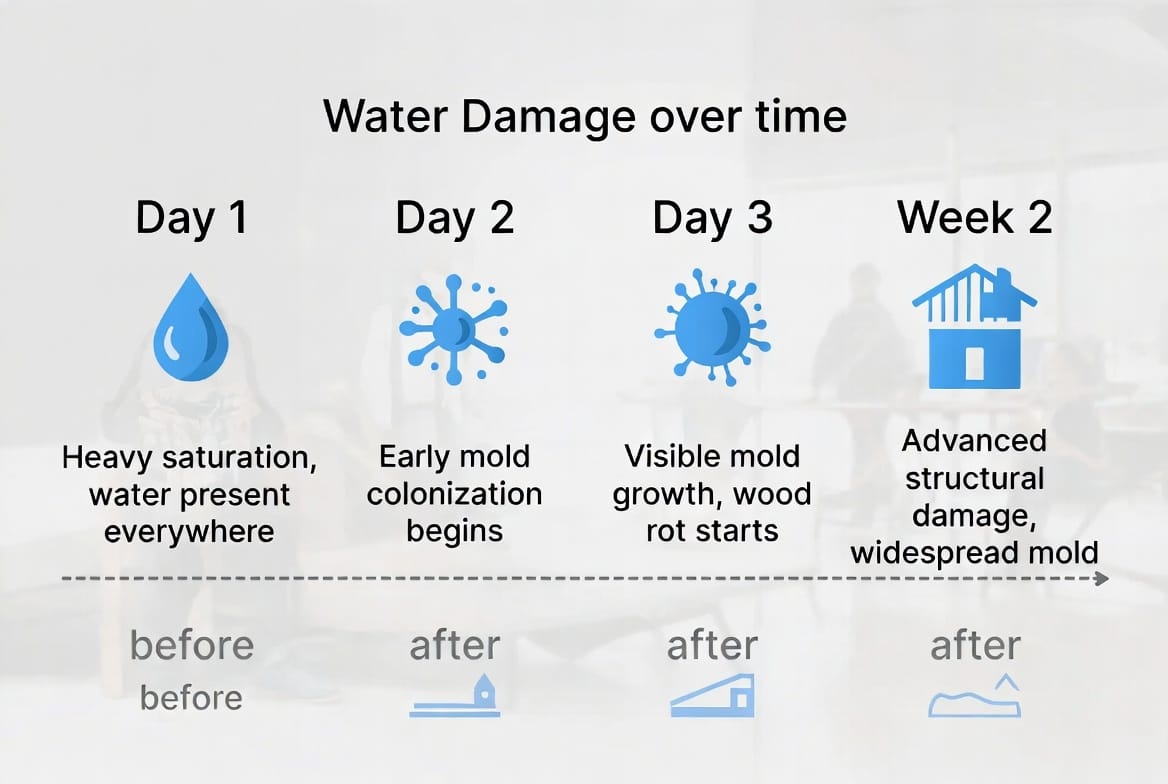
- 0-24 Hours: Water saturates materials. Porous surfaces like drywall, carpet, and wood absorb moisture quickly.
- 24-48 Hours: Mold spores, always present in the air, begin colonizing wet organic materials. Growth becomes active and measurable.
- 48-72 Hours: Wood begins to experience cellular breakdown. Rot starts weakening structural components.
- Beyond 72 Hours: Mold becomes visible, bacterial growth increases, and structural integrity declines rapidly.
This isn’t fearmongering — it’s science. Professional rapid response teams focus on breaking this timeline before irreversible damage occurs.
Why Mold Growth Happens So Fast
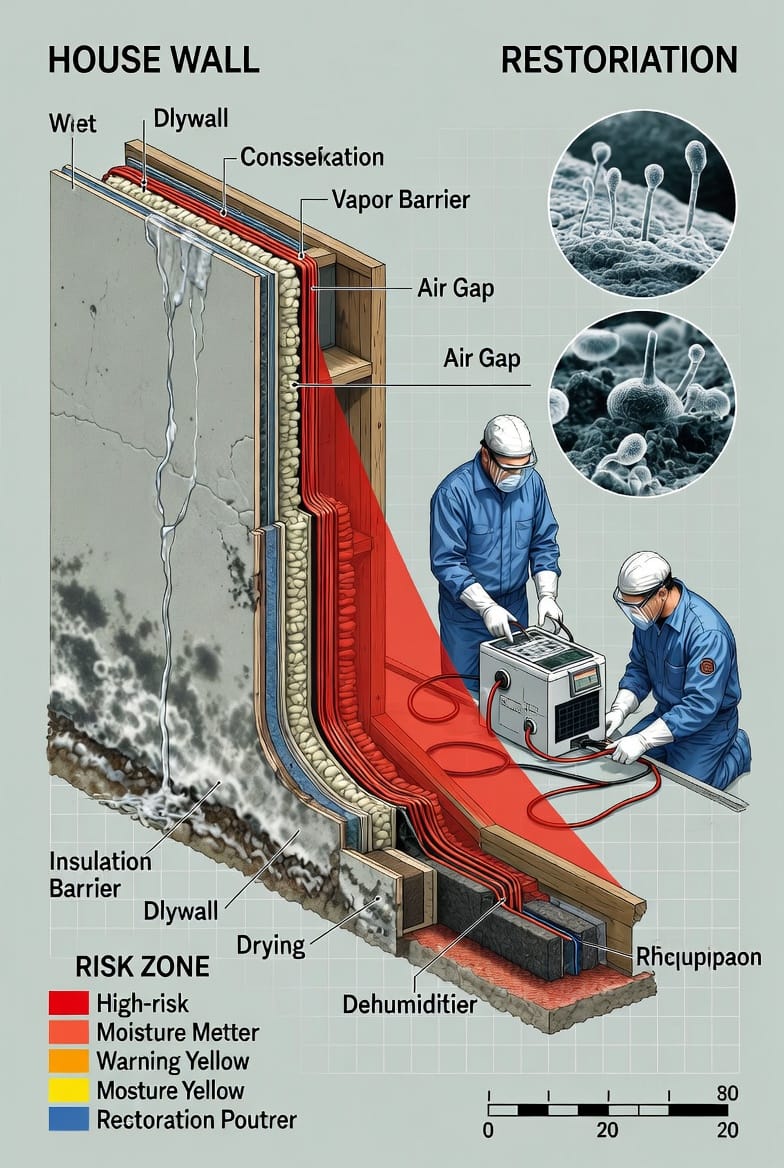
Mold needs three things to thrive: moisture, organic material, and warm temperatures. Most homes provide the perfect environment once water intrusion occurs.
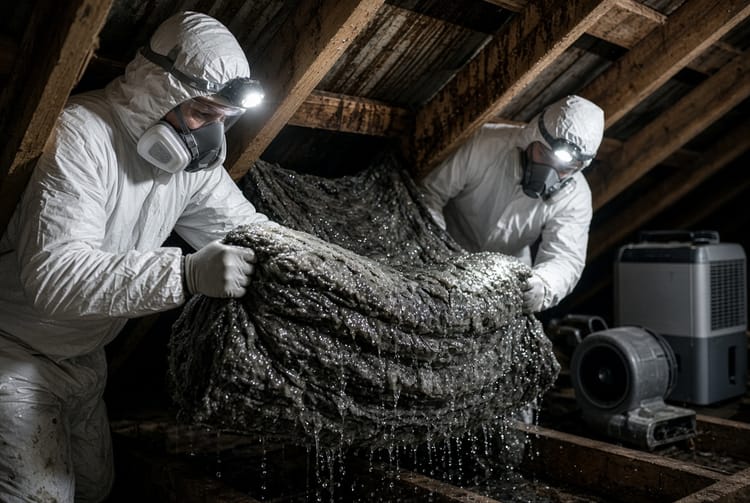
Within 24-48 hours, microscopic mold colonies establish themselves in hidden areas — behind baseboards, inside wall cavities, and under flooring. These early colonies release enzymes that break down materials, making later removal more difficult.
Health risks compound quickly. Exposure to growing mold can trigger respiratory issues, allergic reactions, and asthma flare-ups, particularly dangerous for children, elderly family members, and those with compromised immune systems.
The Wood Rot Process: From Saturation to Structural Weakness
Wood rot begins at the cellular level around the 72-hour mark. Water softens lignin — the natural "glue" that gives wood strength. As fungi colonize, they consume the wood fibers, creating soft, spongy areas that compromise load-bearing elements.
Common consequences include:
- Floor joists losing structural strength
- Wall studs developing hidden decay
- Subflooring delaminating and buckling
- Baseboards and trim requiring complete replacement
Early professional drying prevents these outcomes by removing moisture before biological activity takes hold.
How Professional Rapid Extraction Changes Everything
Modern water restoration uses advanced technology and proven protocols to interrupt the damage cycle:
Immediate Water Extraction
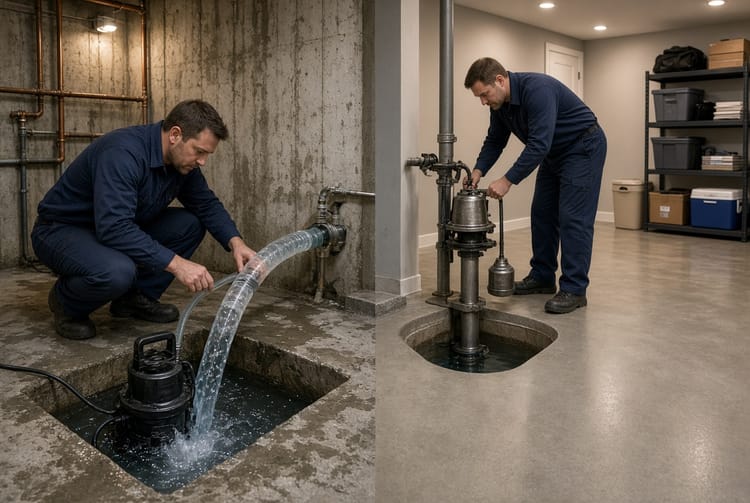
High-powered truck-mounted and portable extractors remove standing water and pull moisture from deep within materials. This step alone removes up to 90% of excess water in the first few hours.
Scientific Moisture Mapping
Technicians use thermal imaging cameras and moisture meters to create comprehensive maps of affected areas, identifying hidden saturation that would otherwise go unnoticed.
Targeted Drying Systems
Industrial air movers, dehumidifiers, and specialized drying equipment create precise drying conditions. Wall and floor cavities receive injected air drying when necessary.
Antimicrobial Treatment
When appropriate, EPA-approved antimicrobials are applied to inhibit mold growth during the drying process.
This comprehensive approach typically restores properties to pre-loss condition when started within the critical 48-hour window.
Real-World Impact of Delayed Response
We’ve responded to many situations where homeowners attempted DIY drying or waited several days before calling professionals. The differences are striking:
- 24-hour response: Usually limited to affected materials only, lower cost, faster return to normal.
- 72+ hour delay: Often requires removal of drywall, insulation, and flooring. Mold remediation adds significant expense and time.
- One week delay: Structural repairs, possible foundation issues, and extensive mold remediation become necessary.
The financial difference can easily reach tens of thousands of dollars, not including the stress of living in a damaged home longer than necessary.
Common Water Damage Scenarios That Require Urgency
Burst pipes in winter months create sudden, widespread saturation.
Roof leaks during storms often go undetected until water has traveled through multiple structural layers.
Appliance failures (washing machines, water heaters, dishwashers) typically affect lower levels first.
Flooding from heavy rains introduces contaminated water that accelerates bacterial growth.
In every scenario, the secondary damage window remains the same. Speed matters more than the water source.
Why DIY Approaches Fall Short
While waiting for professional help, certain steps help limit damage:
- Remove standing water with towels or a wet/dry vacuum
- Move furniture away from wet areas
- Improve ventilation by opening windows (weather permitting)
However, these measures cannot reach hidden moisture inside walls, under cabinets, or within subflooring. Professional equipment and expertise are essential for complete drying.
The Peace of Mind That Comes with Professional Response
When you call a trusted restoration partner, you’re not just addressing visible water — you’re protecting your family’s health, your property’s value, and your long-term financial security.
Our certified technicians arrive with:
- 24/7 emergency availability
- State-of-the-art drying equipment
- IICRC-certified expertise
- Direct insurance billing assistance
- Thorough documentation for claims
We handle everything from initial assessment through complete restoration, minimizing disruption to your daily life.
Protecting Your Property: Prevention and Preparation
While you can’t prevent every water emergency, preparation helps:
- Know the location of your main water shutoff valve
- Schedule regular plumbing inspections
- Consider water leak detection systems
- Maintain proper roof and gutter systems
- Elevate valuable items in flood-prone areas
Most importantly, save our emergency number in your phone. When seconds count, fast access to professionals makes all the difference.
Taking Action Within the Critical Window
The secondary damage window closes quickly, but acting fast keeps your restoration straightforward, affordable, and effective.
Don’t wait to see if the problem "dries on its own." Every hour of delay increases the likelihood of mold growth, wood rot, and costly complications.
Every hour counts. Our 24/7 rapid response team stands ready to protect your property and your family’s wellbeing.
Our experienced professionals will assess the situation, begin extraction, and implement drying protocols that stop secondary damage before it starts.
Your prompt action today prevents major headaches tomorrow. We’re here to help restore your peace of mind — quickly, thoroughly, and professionally.
Protect Your Home from Secondary Damage – Call Today