The School Classroom Cleanout: Disposing of Old Furniture and Supplies
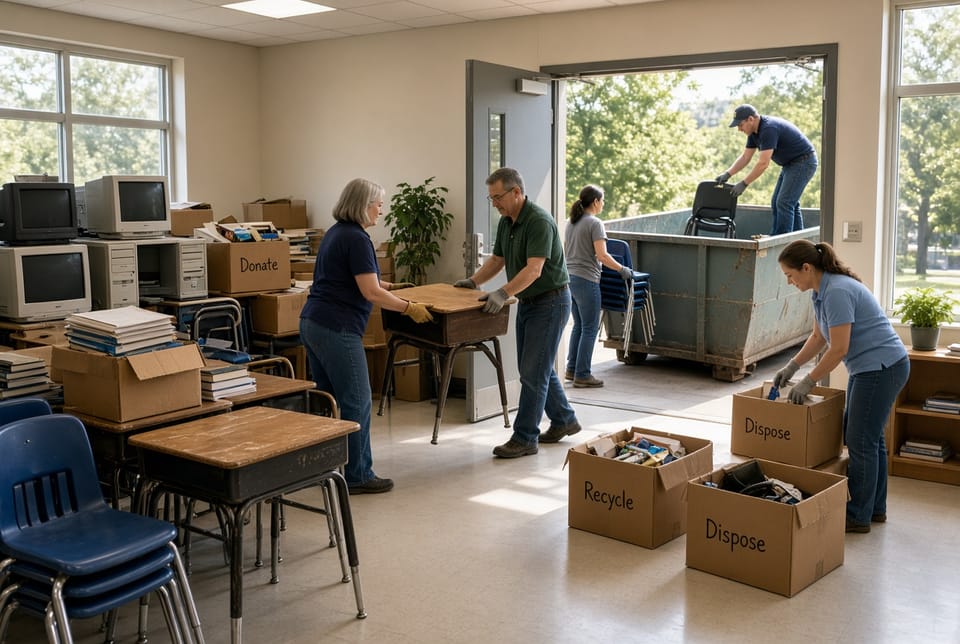
Every year, schools face the same essential challenge: preparing classrooms for a fresh start. Whether it’s the end of the academic year, a major renovation, or simply the need to replace worn-out resources, classroom cleanouts demand careful planning and reliable disposal solutions. Old desks that have seen decades of use, stacks of broken chairs, outdated computers, leftover art supplies, and miscellaneous materials can quickly overwhelm limited storage space and create safety hazards.
Call Now for Fast, Reliable Classroom Cleanout Dumpsters
This is where professional dumpster rental services become indispensable. Schools across the country rely on strategically placed roll-off dumpsters to manage the volume of materials generated during these intensive cleanouts. Far from being a simple “throw everything away” process, effective classroom cleanouts balance responsible disposal, recycling, donation, and strict compliance with environmental and safety regulations.
In the following guide, we explore exactly how schools use dumpsters for classroom cleanouts, the specific categories of items involved, best practices for sorting, and the critical considerations that keep the process efficient, cost-effective, and environmentally sound.
Why Schools Need Structured Classroom Cleanouts
Classrooms accumulate materials faster than most people realize. Over the course of a single school year, teachers and students generate worn furniture, obsolete technology, expired supplies, and damaged equipment. Left unaddressed, these items create:
- Fire and trip hazards
- Reduced usable floor space
- Potential health risks from dust, mold, or chemical residues
- Compliance issues during safety inspections
A well-executed school classroom cleanout restores order, improves the learning environment, and demonstrates institutional responsibility. Dumpster rental provides the scalable capacity needed to handle everything from a single classroom refresh to a full-building overhaul.
How Schools Use Dumpsters for Classroom Cleanouts
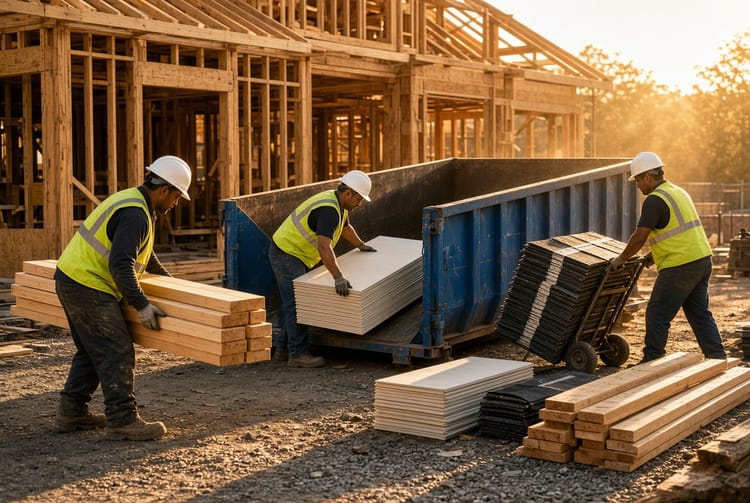
Professional dumpster rental for educational facilities typically involves 10-yard, 20-yard, or 30-yard roll-off containers placed in accessible locations such as parking lots, loading docks, or temporary drop zones near classroom wings. Schools coordinate delivery dates with academic calendars—most commonly during summer break, winter recess, or spring cleaning periods—so that the work does not disrupt instruction.
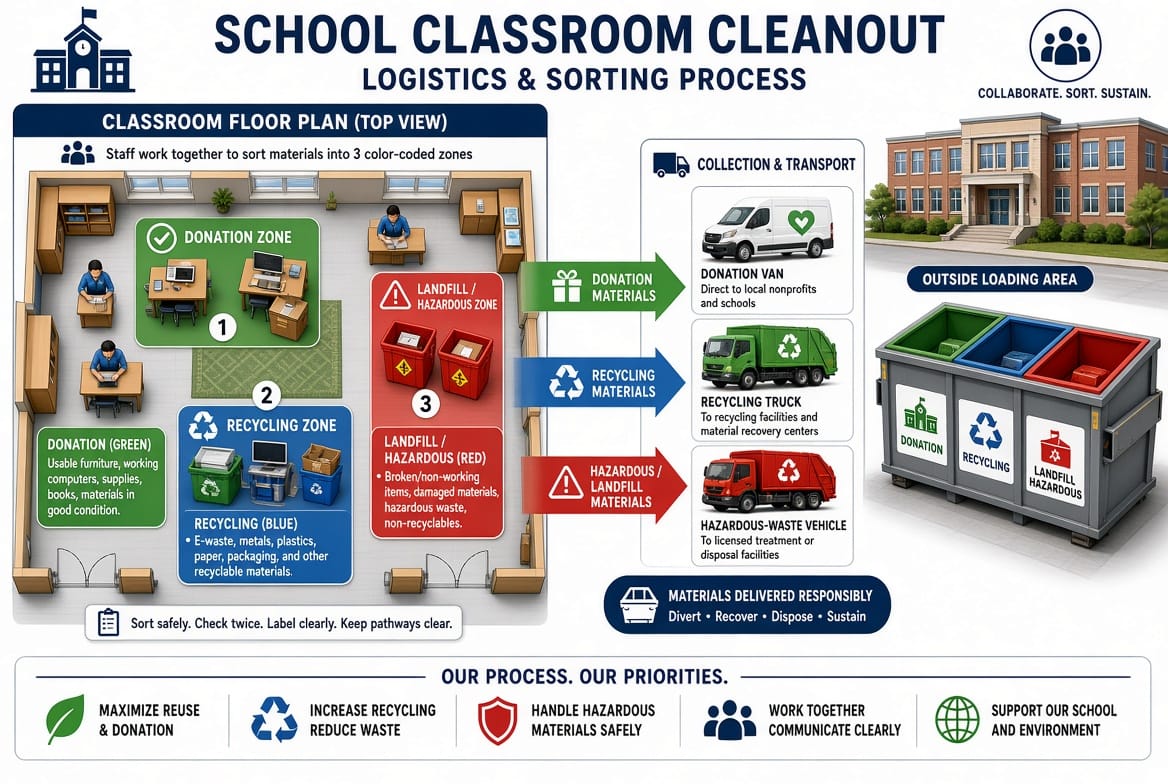
The process usually follows these practical steps:
- Inventory assessment of each classroom
- Sorting materials into clear categories
- Loading heavy furniture and bulk items first
- Coordinating with recycling and donation partners
- Final inspection and dumpster haul-away
By centralizing disposal in a single dumpster, schools avoid multiple trips to landfills or transfer stations, reduce labor costs, and maintain a safer worksite.
Key Categories of Materials in a Classroom Cleanout
Understanding what ends up in the dumpster—and what should not—is essential for both cost control and regulatory compliance.
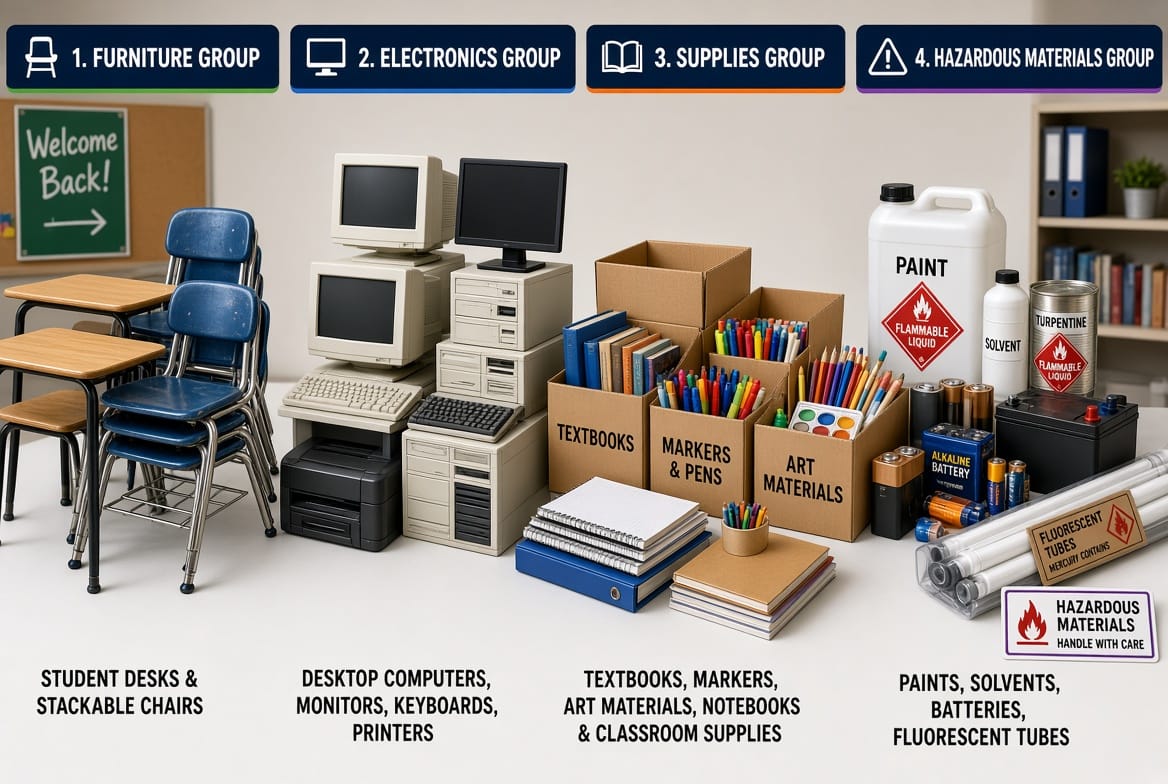
1. Old Furniture
Desks, chairs, bookshelves, teacher workstations, and storage cabinets form the bulk of many cleanouts. Solid-wood or metal pieces that remain structurally sound are often redirected to donation programs. Damaged or outdated items go into the dumpster after any reusable hardware is removed.
2. Electronics and Computers
Outdated desktop computers, monitors, printers, projectors, and interactive whiteboards require special handling. Many states classify these as electronic waste (e-waste) and prohibit simple landfill disposal. Schools partner with certified recyclers who recover valuable metals and properly manage hazardous components such as lead, mercury, and lithium batteries.
3. Classroom Supplies
Paper, art materials, science kits, physical-education equipment, and general consumables accumulate rapidly. Usable items are frequently donated to other schools, community centers, or teacher-resource organizations. Damaged or expired supplies are placed in the dumpster.
4. Hazardous Materials
Certain items demand extra caution:
- Old paints, solvents, and cleaning chemicals
- Fluorescent light bulbs containing mercury
- Batteries of all types
- Laboratory chemicals from science classrooms
- Asbestos-containing materials in older buildings (handled only by licensed professionals)
These materials must never be mixed into a standard construction or debris dumpster. Separate collection protocols and specialized containers are required.
Best Practices for Recycling Electronics
Electronics represent both an environmental responsibility and a potential liability. Schools should:
- Partner only with R2- or e-Stewards-certified recyclers
- Wipe all data-bearing devices according to district privacy policies
- Document chain-of-custody for accountability
- Separate CRT monitors and flat-screen displays when required by local rules
Many dumpster rental providers can coordinate dual-stream services—one container for general debris and a separate, locked container or scheduled pickup for e-waste—simplifying logistics for busy facilities teams.
Donating Usable Items
Before anything reaches the dumpster, schools maximize value through donation. Common recipients include:
- Neighboring schools or districts with tighter budgets
- Nonprofit organizations that refurbish furniture for community use
- International education charities
- Local libraries and after-school programs
A short internal memo or staff meeting can identify surplus items early, allowing donation partners time to schedule pickups and reducing the overall volume (and cost) of the dumpster load.
Proper Disposal of Hazardous Materials
Hazardous materials present the highest risk if mishandled. Schools must:
- Identify and inventory all regulated substances in advance
- Use only licensed hazardous-waste transporters
- Maintain detailed manifests for regulatory audits
- Never place these items in standard roll-off dumpsters
Facilities managers often schedule a dedicated hazardous-waste collection day separate from the main cleanout, ensuring complete compliance and protecting both staff and the environment.
Planning Logistics and Timeline
Successful cleanouts begin months ahead. Recommended timeline:
- 8–12 weeks prior: Inventory and categorize materials
- 4–6 weeks prior: Secure dumpster permits if required and book rental dates
- 2–3 weeks prior: Arrange donation and recycling partners
- Cleanout week: Stage materials, load dumpsters systematically, and complete final walkthroughs
Clear communication with teachers, custodial staff, and administrators prevents last-minute surprises and keeps the project on schedule.
Cost Considerations and Budget Efficiency
Dumpster rental costs depend on container size, rental duration, weight limits, and local disposal fees. Schools can control expenses by:
- Choosing the right container size to avoid multiple hauls
- Maximizing donation and recycling streams to reduce landfill tonnage
- Scheduling during off-peak periods when available
- Bundling multiple classroom or building cleanouts into a single rental period
Transparent communication with the dumpster provider about expected materials helps prevent overweight charges or contamination fees.
Safety and Compliance Throughout the Process
Safety remains non-negotiable. Key measures include:
- Proper lifting techniques and equipment for heavy furniture
- Personal protective equipment for staff handling debris
- Clear pathways around dumpsters to prevent accidents
- Adherence to all local, state, and federal waste regulations
Professional dumpster companies experienced with educational clients understand these requirements and can advise on best practices.
Environmental Responsibility and Sustainability Goals
Many school districts have formal sustainability targets. Classroom cleanouts offer a visible opportunity to demonstrate progress by:
- Diverting as much material as possible from landfills
- Supporting circular-economy initiatives through donation and recycling
- Educating students about responsible waste management when appropriate
Documenting diversion rates provides valuable data for annual sustainability reports.
Common Challenges and How to Overcome Them
Even well-planned cleanouts encounter obstacles. Typical issues and solutions:
- Unexpected volume of materials → Have a contingency plan for an additional dumpster
- Limited loading access → Coordinate early with facilities for temporary parking or driveway use
- Staff availability during summer → Recruit parent volunteers or temporary help under proper supervision
- Last-minute hazardous finds → Keep a separate holding area and contact specialized services immediately
Anticipating these scenarios keeps the project moving smoothly.
The Role of Professional Dumpster Rental Partners
Choosing the right service provider makes a measurable difference. Ideal partners offer:
- Flexible delivery and pickup schedules aligned with school calendars
- Knowledge of local recycling and disposal regulations
- Clean, well-maintained containers that project a professional image
- Responsive customer support for mid-project adjustments
A reliable dumpster rental company becomes an extension of the school’s facilities team rather than a simple vendor.
Preparing for the Next Academic Year
Once the dumpsters are hauled away and classrooms stand empty, the real benefit appears. Teachers return to clean, organized spaces ready for new furniture, updated technology, and fresh supplies. Students benefit from safer, more inspiring learning environments. Administrators gain peace of mind knowing the process was handled responsibly.
Efficient school cleanouts for the end of the year set the foundation for continued educational excellence.
For professional dumpster rental support tailored to educational facilities. Our experienced team understands the unique needs of schools and delivers reliable, compliant solutions that keep your cleanout on time and on budget.
Call Now to Clear Out Old Furniture & Supplies Effortlessly