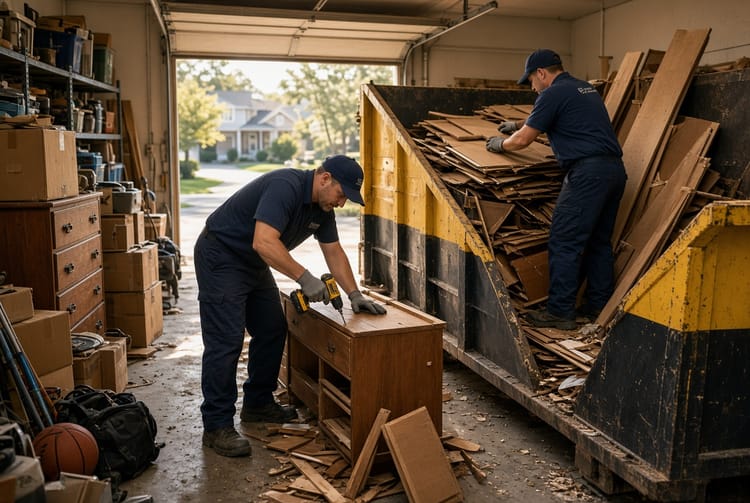
The School Art Supply Cleanup: Disposing of Old Paint, Chemicals, and Materials
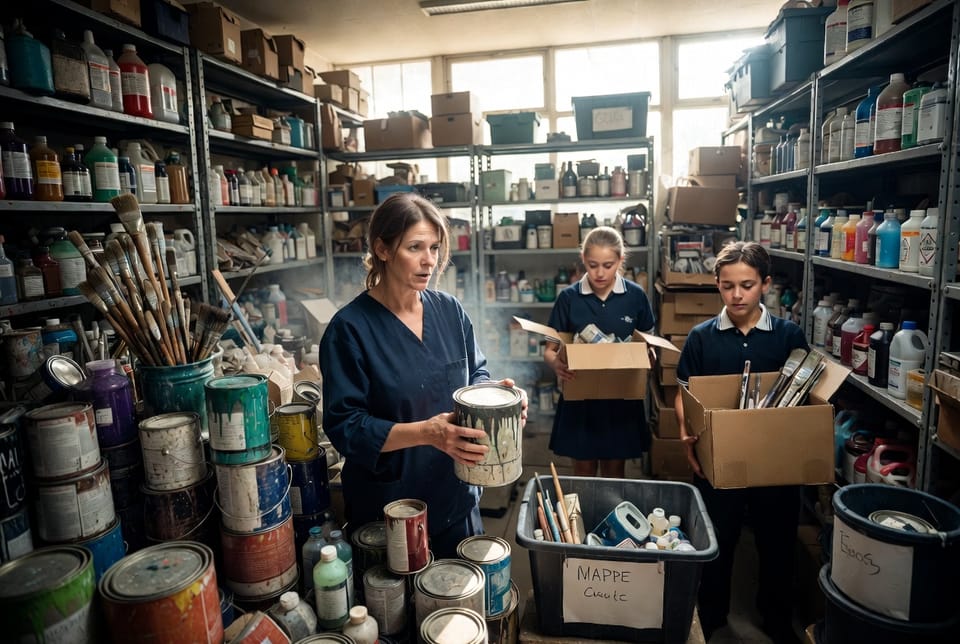
Maintaining a safe and organized learning environment is essential for every school. Over time, art departments accumulate old paint, solvents, fixatives, glazes, and other materials that can become hazardous waste. Proper disposal not only protects students, teachers, and the environment but also ensures compliance with local, state, and federal regulations.
Get Safe Art Supply Disposal Help – Rent a Dumpster Now!
This comprehensive guide walks school administrators, art educators, and facilities managers through responsible school art supply cleanup. We'll cover what can and cannot go into a standard dumpster, legal disposal methods for hazardous items, practical steps for organizing the process, and how professional dumpster rental services simplify the task for non-hazardous materials.
When handled correctly, cleanup becomes an opportunity to teach students about environmental responsibility while creating a healthier space for creativity.
Why Proper Art Supply Disposal Matters in Schools
Art rooms are hubs of innovation, but leftover supplies pose real risks. Old paint and chemicals can leak, release fumes, or contaminate soil and water if mishandled. Schools face strict oversight because they serve children — hazardous waste violations can lead to fines, health issues, or even temporary closures.
Key risks include:
- Chemical exposure affecting respiratory health and skin.
- Fire hazards from flammable solvents and fixatives.
- Environmental contamination through improper landfill disposal.
- Legal liabilities for non-compliance with EPA or local waste management rules.
By prioritizing safe disposal, schools demonstrate leadership in sustainability and student safety. A well-planned cleanup also frees up valuable storage space for fresh supplies, boosting creativity without the clutter.
Legal Requirements and Regulations for School Art Waste
Disposal rules vary by location, but most follow guidelines from the Environmental Protection Agency (EPA) and state environmental departments. Schools are often classified as Small Quantity Generators (SQGs) or Very Small Quantity Generators (VSQGs) of hazardous waste.
Important facts to know:
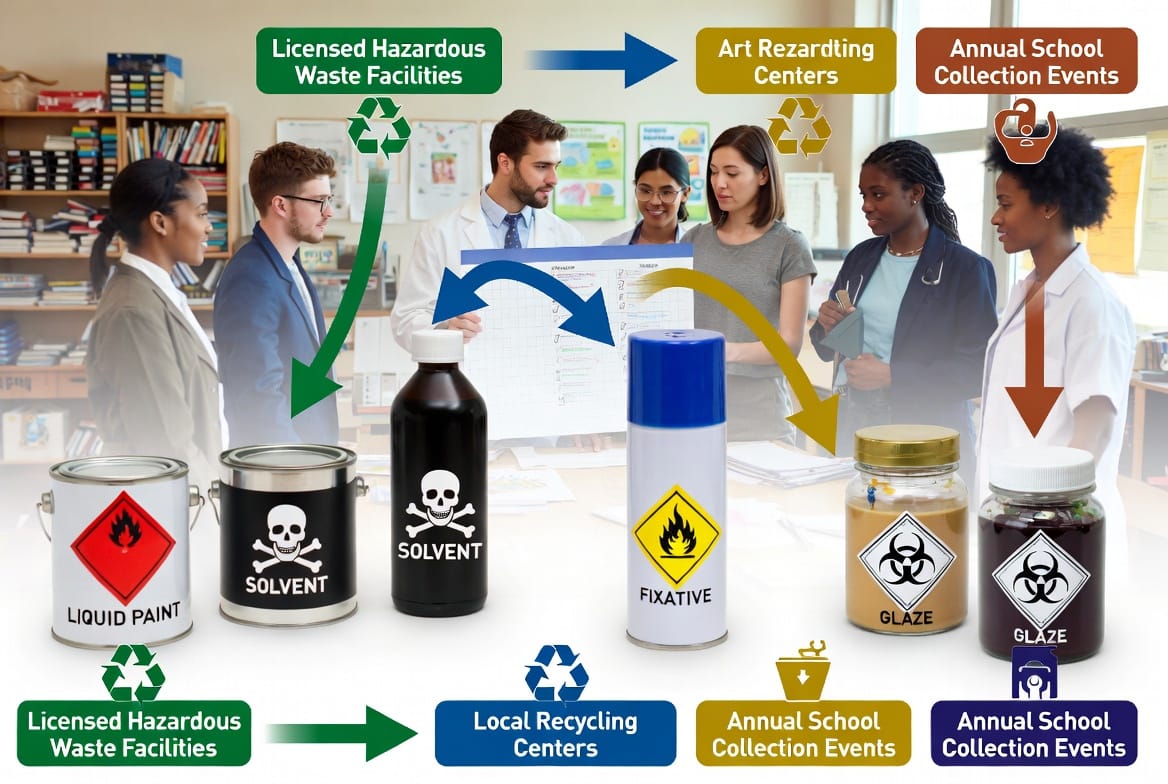
- Liquid paint, solvents, fixatives, and many glazes are typically considered hazardous due to toxicity, flammability, or corrosiveness.
- Dry materials like hardened paint, paper, canvas, and clean brushes are usually non-hazardous.
- Schools must maintain records of disposal and may need manifests for transport of hazardous items.
Always consult your local waste authority or environmental agency for specific rules. Many states offer free or low-cost programs for schools, including collection events or partnerships with certified haulers.
Pro Tip: Partnering with experienced dumpster rental providers who understand school needs ensures you stay compliant while efficiently managing large volumes of allowable waste.
What Cannot Go in a Standard Dumpster
One of the most common mistakes during school cleanups is mixing hazardous materials with regular trash. This can contaminate loads and result in rejected dumpster pickups or penalties.
Items that typically cannot go in a dumpster:
- Liquid paints and paint thinners
- Solvents and mineral spirits
- Aerosol cans containing fixatives or adhesives
- Chemical glazes and stains
- Mercury-containing items (some older art supplies)
- Batteries from art equipment
- Sharps or broken glass contaminated with chemicals
These require specialized hazardous waste disposal through licensed facilities. Attempting to dispose of them improperly can harm sanitation workers and the environment.
Instead, look for household hazardous waste (HHW) programs, school-specific collection drives, or certified waste management companies that handle school pickups.
Safe and Allowed Materials for Dumpster Disposal
Fortunately, much of the accumulated art waste qualifies for standard dumpster rental handling. This streamlines cleanup and keeps costs manageable.
OK for dumpster (non-hazardous when dry and empty):
- Dried paint cans (with lids removed and paint fully hardened)
- Empty, dry paper, sketchbooks, and cardboard
- Clean or dried canvas and fabric scraps
- Wooden easels and frames (broken down)
- Dry brushes and sponges (free of wet chemicals)
- Non-contaminated packaging materials
Best practices for preparation:
- Allow liquids to dry completely or use paint hardeners.
- Separate materials clearly.
- Break down bulky items to maximize dumpster space.
- Use protective gloves and ensure good ventilation during sorting.
A properly sized roll-off dumpster makes this process efficient, allowing schools to handle large-scale cleanouts in one go.
Step-by-Step Guide to School Art Supply Cleanup
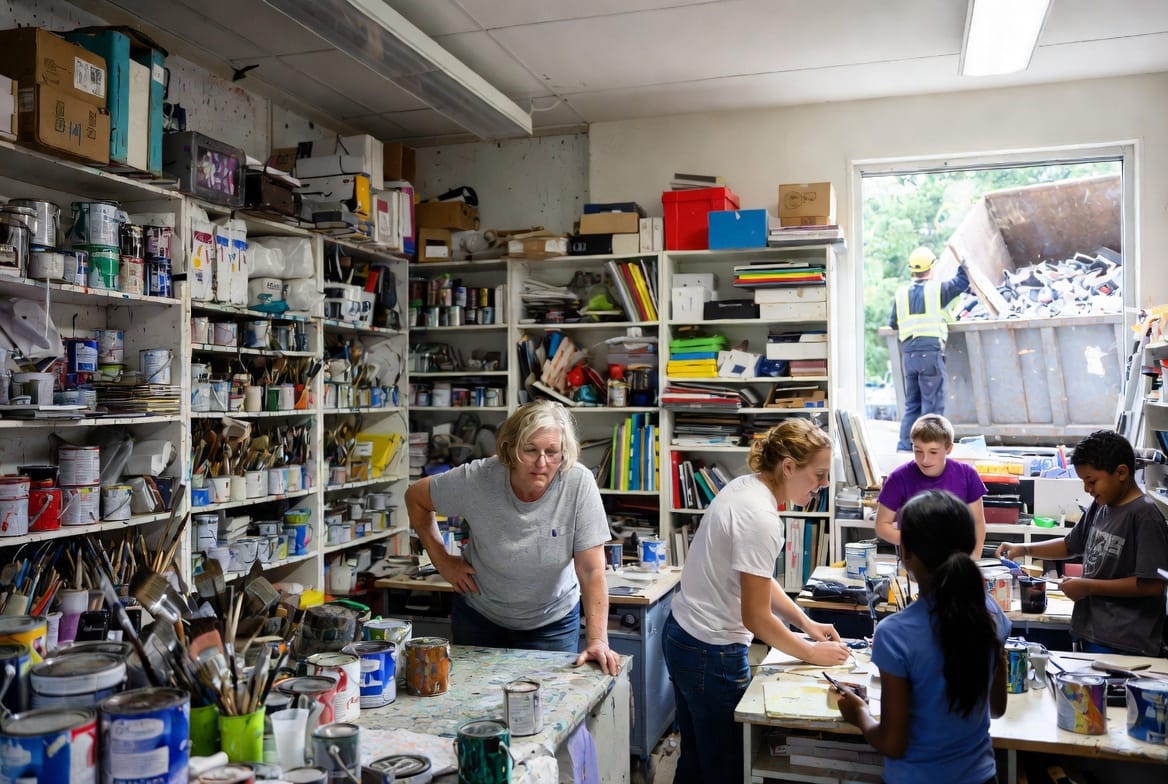
Effective cleanups require planning. Follow these steps for a smooth, compliant process:
- Inventory and Assessment
Walk through the art storage areas with your team. Categorize supplies into hazardous, recyclable, and dumpster-ready piles. Document quantities for reporting if needed. - Gather Safety Equipment
Use gloves, goggles, respirators, and protective clothing. Ensure proper ventilation and have spill kits ready. - Separate Materials
Follow the guidelines above. Set aside items for hazardous waste pickup on designated dates. - Schedule Dumpster Rental
Contact a reliable local provider for the right size (e.g., 20- or 30-yard dumpster) and delivery timing. Discuss school-specific needs for safe placement. - Coordinate Hazardous Waste Disposal
Register for local collection events or contract with certified handlers. Many programs are free for educational institutions. - Execute the Cleanup
Involve students where appropriate as an educational activity. Supervise closely and follow all safety protocols. - Final Inspection and Documentation
Verify the space is clean and safe. Keep records of disposal manifests and dumpster weight tickets.
This structured approach minimizes risks and maximizes efficiency.
Benefits of Professional Dumpster Rental for Schools
Renting a dumpster tailored for school projects offers several advantages:
- Convenience — Delivered and picked up on your schedule.
- Capacity — Handles large volumes of paper, canvas, and dried materials in one container.
- Compliance Support — Reputable companies guide you on what is acceptable.
- Cost-Effectiveness — Avoid multiple trips to landfills.
- Eco-Friendly Options — Some providers prioritize recycling and responsible disposal.
For art supply cleanups, a dumpster rental turns a daunting task into a manageable project, freeing educators to focus on teaching rather than logistics.
Environmental and Educational Opportunities
Responsible disposal teaches powerful lessons. Turn cleanup into a class project on sustainability:
- Discuss the life cycle of art materials.
- Explore recycling options for paper and canvas.
- Highlight how proper disposal protects local waterways and wildlife.
- Celebrate the cleaned space with a "Fresh Start Art Showcase."
Schools that model environmental stewardship inspire students to carry these values into adulthood.
Common Challenges and Solutions
Challenge: Limited storage during sorting.
Solution: Use the dumpster for immediate removal of approved items and temporary secure bins for hazardous waste.
Challenge: Identifying unknown substances.
Solution: Check original labels or consult safety data sheets (SDS). When in doubt, treat as hazardous and seek professional advice.
Challenge: Budget constraints.
Solution: Many communities offer grants or subsidized programs for school waste management. Dumpster rental is often more affordable than repeated small hauls.
Challenge: Staff and student involvement.
Solution: Provide clear training and make safety the top priority.
With the right preparation, these hurdles become straightforward to overcome.
Partnering with Experts for Long-Term Success
While one-time cleanups address immediate needs, establishing ongoing protocols prevents future buildup. Work with waste management professionals familiar with educational settings. They can recommend regular pickup schedules and best practices for minimizing waste.
Remember, compliance and safety are non-negotiable. A trusted dumpster rental partner provides peace of mind throughout the process.
In-Depth Look at Specific Art Materials
Paints: Water-based acrylics and tempera dry out safely for dumpster disposal once hardened. Oil-based paints often require hazardous handling due to solvents.
Solvents and Thinners: Highly flammable and toxic. Never pour down drains. Use licensed collection only.
Fixatives and Sprays: Aerosol cans are pressurized — dispose through HHW programs to avoid explosion risks.
Glazes and Ceramics Materials: Many contain heavy metals. Check local guidelines; some dried residues may be landfill-safe, but liquids are not.
Brushes and Tools: Clean thoroughly or dry completely before general disposal.
Understanding each material's properties empowers better decision-making.
Case Studies: Successful School Cleanups
Many districts have transformed their art programs through diligent waste management. One suburban school district cleared over 500 pounds of old supplies, resulting in improved air quality reports and renewed student engagement. Another partnered with a local dumpster rental company and hazardous waste service for a zero-incident cleanup that served as a model for neighboring schools.
These examples show that with planning and expert support, any institution can achieve similar results.
Preparing for Future Art Supply Management
Prevention is the best strategy. Implement these ongoing practices:
- Inventory tracking system for supplies.
- "Use it up" policies before ordering more.
- Donation drives for usable excess materials to community organizations.
- Annual review of storage areas.
By integrating responsible management into daily operations, schools reduce future cleanup burdens significantly.
Health and Safety Considerations
Protecting everyone involved remains paramount.
- Monitor for symptoms of chemical exposure.
- Follow OSHA guidelines for school environments.
- Ensure emergency procedures are in place.
- Provide training on proper personal protective equipment (PPE) use.
A safe cleanup today leads to healthier learning spaces tomorrow.
Conclusion: Dispose of School Art Waste Responsibly
Cleaning up old art supplies doesn't have to be overwhelming. By understanding hazardous waste rules, separating materials correctly, and utilizing professional dumpster rental services for allowable items, schools can complete the process safely and efficiently.
The result is a cleaner, safer environment that supports creativity and environmental education. Every responsible action taken today protects students, staff, and the planet for years to come.
Dispose of school art waste responsibly. For expert guidance on dumpster rental and compliant waste handling tailored to your school's needs . Our team is ready to support your next cleanup project with reliable, efficient solutions.
Professional Dumpster Rental for Schools – Call Now for Fast Service