The Property Management Cleanout: Dumpsters for Turnover and Maintenance
Property managers overseeing multi-unit residential complexes face constant pressure to keep units rent-ready, common areas pristine, and operations running without costly delays. One of the most effective tools for handling the volume of waste generated during these cycles is the strategic use of dumpster rental services. From rapid unit turnovers after tenant departures to large-scale seasonal maintenance projects, dumpsters provide the capacity, flexibility, and reliability needed to manage debris across multiple buildings simultaneously. This comprehensive guide explores how property managers leverage dumpsters for unit turnovers involving furniture, appliances, and debris, seasonal upkeep, tenant move-outs, and coordinated scheduling that keeps entire portfolios operating smoothly.
Streamline Your Multi-Unit Cleanouts – Call Now!
Why Multi-Unit Properties Rely on Dumpsters for Cleanouts
Managing a portfolio of apartments, townhomes, or mixed-use buildings means dealing with continuous cycles of occupancy changes. Every time a tenant leaves, the unit must be cleared, repaired, and prepared for the next resident—often under tight timelines dictated by lease agreements and market demand. Without adequate waste removal capacity, debris piles up, delaying contractors, increasing labor hours, and risking code violations or resident complaints.
Dumpster rental solves this by delivering temporary, high-capacity containers right where the work happens. Property managers can request sizes ranging from 10-yard options for single-unit jobs to 30- or 40-yard containers for simultaneous multi-unit cleanouts. The result is faster turnarounds, lower overall costs, and a professional appearance that protects the property’s reputation and occupancy rates.
Key advantages include:
- Immediate on-site disposal that eliminates multiple trips to transfer stations
- Ability to handle mixed waste streams without sorting delays
- Predictable scheduling that aligns with renovation crews and cleaning teams
- Reduced risk of illegal dumping or overflowing dumpsters that attract pests
These benefits become even more critical when overseeing dozens or hundreds of units, where small inefficiencies multiply quickly into major operational headaches.
Dumpsters for Unit Turnovers: Clearing Furniture, Appliances, and Debris
Unit turnover is the most frequent cleanout scenario property managers encounter. When a resident vacates, the space often contains left-behind furniture, broken appliances, construction debris from minor repairs, and general household trash. A single apartment can generate several cubic yards of material; multiply that across five or ten simultaneous vacancies and the volume quickly overwhelms standard trash services.
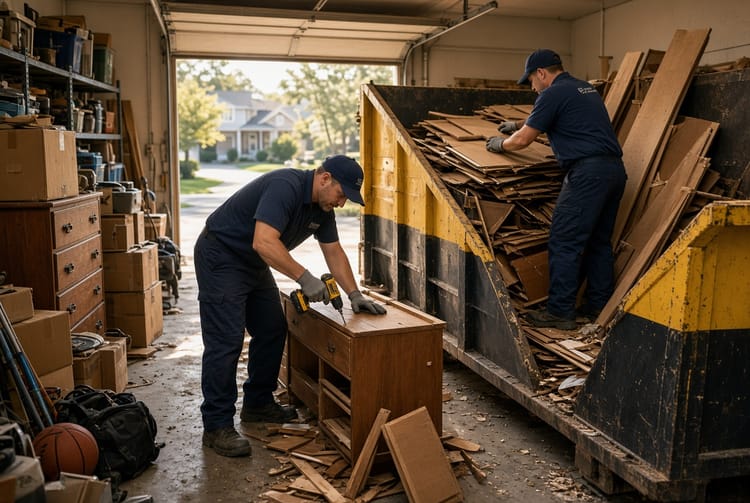
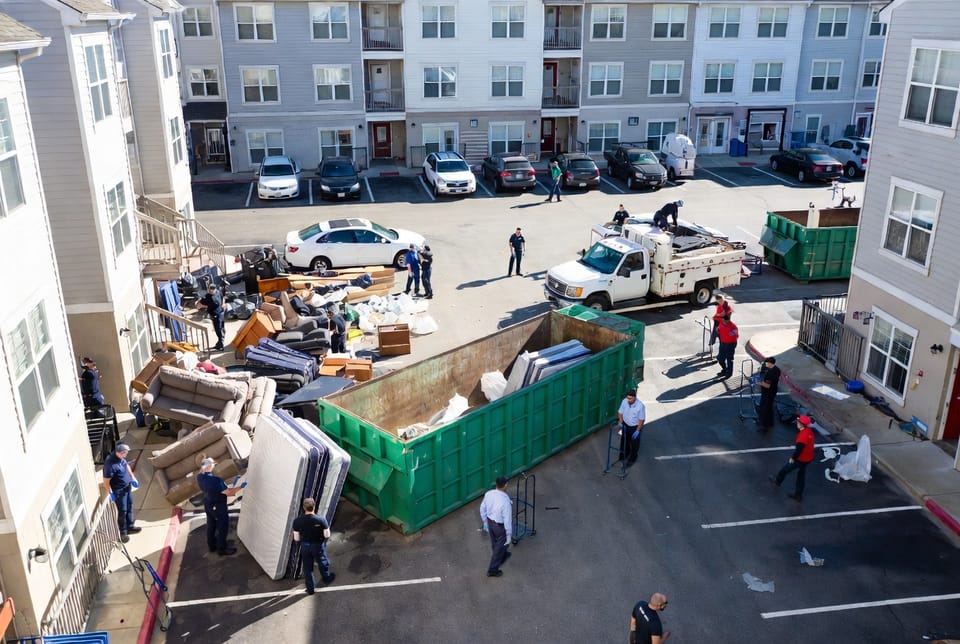
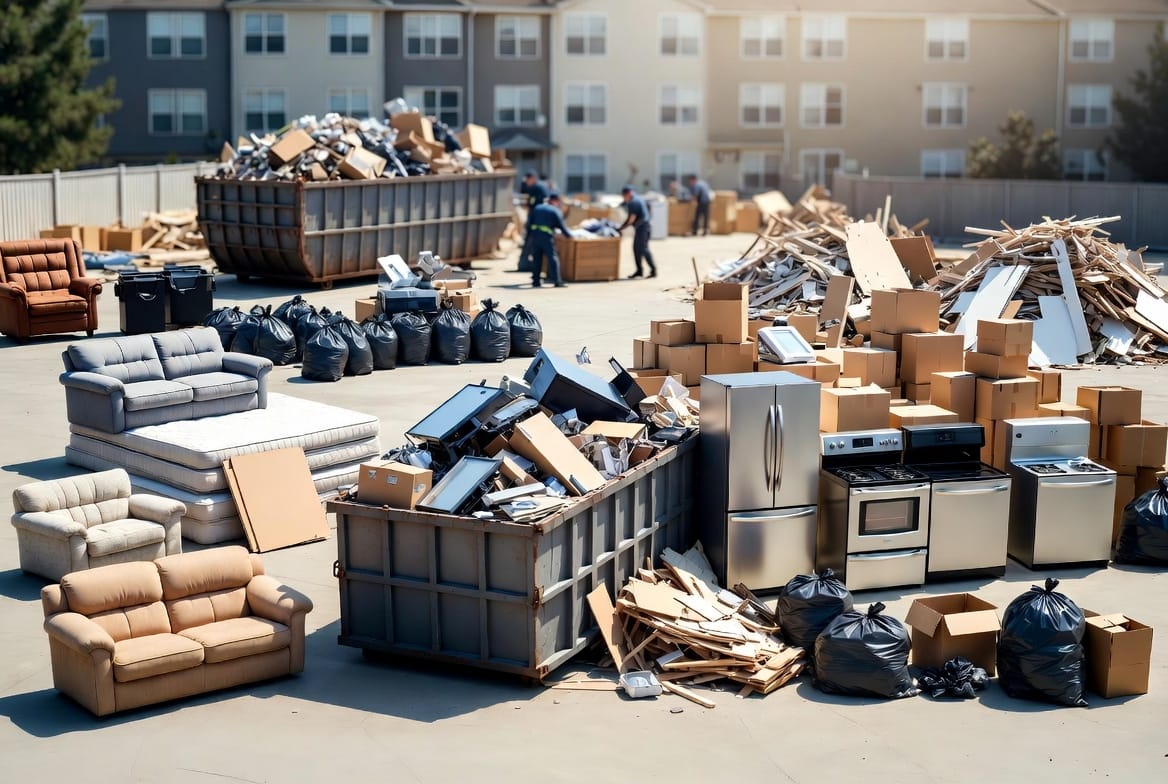
Property managers typically stage a dumpster in a designated parking area or loading zone near the affected building. Maintenance staff and contracted crews then systematically empty each unit, placing bulky items such as sofas, mattresses, dressers, refrigerators, stoves, and water heaters directly into the container. Smaller debris—drywall scraps, flooring remnants, packaging materials, and general refuse—follows. This centralized approach keeps hallways clear and prevents temporary storage piles that create safety hazards or aesthetic problems for remaining residents.
Best practices for turnover dumpster use include:
- Selecting a container size based on the number of units being prepared (a 20-yard dumpster often handles three to four standard apartments)
- Positioning the dumpster to minimize travel distance for workers while maintaining fire-lane access
- Coordinating delivery the day before major cleanout activity begins
- Monitoring fill levels daily to request swap-outs if needed before the project ends
By treating dumpsters as an integral part of the turnover workflow rather than an afterthought, managers consistently reduce the average days-vacant metric and improve net operating income.
Seasonal Maintenance and the Role of Dumpsters
Beyond individual unit turnovers, property managers must address recurring seasonal demands that generate substantial waste. Spring and fall often bring exterior painting, roof repairs, landscaping overhauls, and HVAC system upgrades. Winter may require removal of storm-damaged materials, while summer projects can include pool-area renovations or parking-lot resurfacing.
These larger initiatives produce mixed debris streams—old shingles, branches, soil, fencing, carpeting, and discarded fixtures—that exceed the capacity of regular trash collection. Deploying one or more dumpsters at strategic locations across the property allows crews to work continuously without interruption. For example, a roofing project on a three-story building can fill a 30-yard container in a single day; having the dumpster already on site prevents work stoppages and keeps the timeline intact.
Seasonal dumpster strategies frequently involve:
- Pre-booking containers weeks in advance to guarantee availability during peak periods
- Using multiple smaller dumpsters distributed across different buildings rather than one oversized unit
- Specifying open-top containers for easy loading of bulky landscaping waste
- Coordinating pickup schedules so full containers are swapped before they overflow
This proactive approach protects landscaping investments, maintains curb appeal, and demonstrates to residents that management prioritizes a well-maintained environment year-round.
Tenant Move-Outs: Managing Last-Minute and High-Volume Waste
Tenant move-outs present unique challenges because the volume and type of discarded items can vary dramatically. Some residents leave behind only a few boxes; others abandon entire households of furniture, electronics, and personal belongings. In multi-unit properties, move-out season—commonly aligned with academic calendars or lease expiration dates—can create simultaneous demand across dozens of apartments.
Property managers who plan ahead place dumpsters in accessible locations several days before peak move-out weekends. Clear communication with departing tenants about approved disposal methods reduces the likelihood of items being left in hallways or common areas. When tenants do leave excessive belongings, the on-site dumpster allows staff to clear units immediately rather than waiting for special bulk-pickup appointments that may take weeks.
Effective move-out dumpster protocols include:
- Issuing written guidelines to tenants specifying what may and may not be placed in the container
- Assigning staff to monitor usage and prevent contamination with prohibited materials such as hazardous waste
- Scheduling mid-week swaps during high-volume periods to maintain continuous capacity
- Combining move-out dumpsters with unit-turnover containers when timelines overlap
These measures minimize resident complaints, accelerate unit readiness, and protect the property from potential health or safety citations.
Scheduling Dumpsters Across Multiple Units and Buildings
The true power of dumpster rental for property management emerges when coordinating cleanouts across an entire portfolio. Rather than treating each unit or building in isolation, successful managers develop a centralized scheduling system that aligns dumpster deliveries with renovation calendars, cleaning crews, and inspector visits.
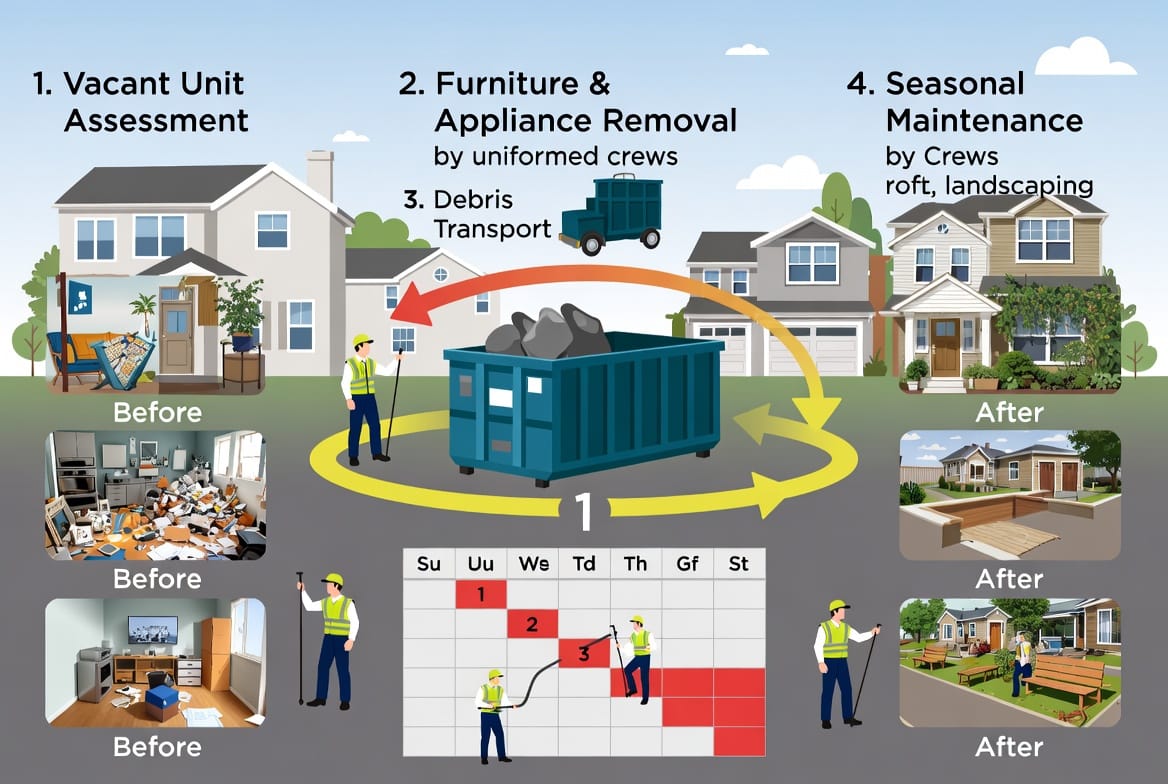
A typical multi-unit schedule might look like this:
- Monday–Tuesday: Dumpster delivery and turnover of Building A units 101–108
- Wednesday–Thursday: Swap or second container for Building B seasonal landscaping debris
- Friday: Final pickup and assessment of remaining capacity for weekend move-outs
Digital property-management platforms often integrate dumpster requests with work-order systems, allowing managers to track container status, fill levels, and costs in real time. Communication with the rental provider is equally important; establishing preferred delivery windows, standby agreements for emergency needs, and volume-based pricing ensures consistent service levels.
Critical scheduling considerations include:
- Accounting for local permit requirements or HOA restrictions on container placement duration
- Building buffer days for weather delays or unexpected additional waste
- Rotating dumpster locations to avoid long-term impact on resident parking
- Reviewing monthly usage reports to identify patterns and optimize future orders
When executed well, this coordinated approach transforms what could be chaotic waste-management periods into predictable, efficient operations.
Selecting the Right Dumpster Size and Service Partner
Not every dumpster is appropriate for every cleanout. Property managers must match container capacity and features to the specific job:
- 10- to 15-yard dumpsters suit single-unit turnovers or light seasonal work
- 20- to 30-yard containers handle multi-unit projects or moderate renovation debris
- 40-yard options serve large-scale maintenance or full-building cleanouts
Additional factors such as weight limits, allowed materials, and rental duration influence the final choice. Working with a responsive local provider who understands the unique demands of multi-unit properties makes a measurable difference. Reliable partners offer same-day or next-day delivery, flexible swap schedules, and transparent pricing that helps managers stay within budget.
Cost Control and Long-Term Operational Benefits
While dumpster rental represents an upfront expense, the return on investment appears quickly through reduced labor hours, faster unit readiness, and fewer emergency disposal fees. Managers who track cost-per-turnover metrics often discover that dedicated containers lower total cleanout expenses by consolidating trips and minimizing overtime. Over a full year, consistent dumpster use across seasonal cycles and high-turnover periods contributes to higher occupancy rates and stronger resident satisfaction scores—both of which directly support property valuation.
Risks to avoid include underestimating volume (leading to overflow fees), placing containers in restricted zones, or failing to communicate rules to tenants and contractors. Clear internal protocols and a trusted service partner mitigate these concerns and keep projects on track.
Building a Sustainable Cleanout Culture
Forward-thinking property managers treat dumpster rental as part of a broader waste-reduction strategy. Encouraging tenants to donate usable furniture before move-out, separating recyclable materials when feasible, and choosing providers that prioritize responsible disposal all contribute to environmental goals and community goodwill. Documenting successful cleanout processes also creates institutional knowledge that new staff can follow, ensuring consistency even as teams change.
In multi-unit environments, the combination of proper planning, right-sized containers, and reliable scheduling turns what was once a recurring operational burden into a streamlined, professional process. Units turn over faster, seasonal projects stay on schedule, and the entire property presents a higher standard of care to current and prospective residents.
Expert Dumpster Scheduling for Multi-Unit Properties – Call Today