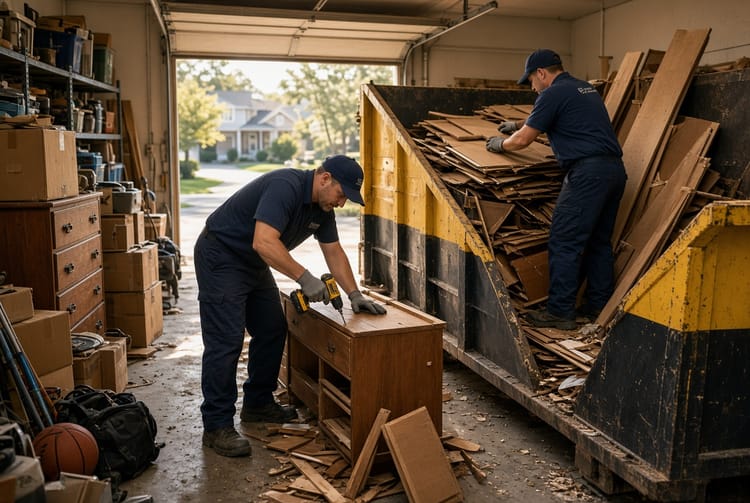
The Gym Equipment Cleanup: Dumpsters for Fitness Center Remodels
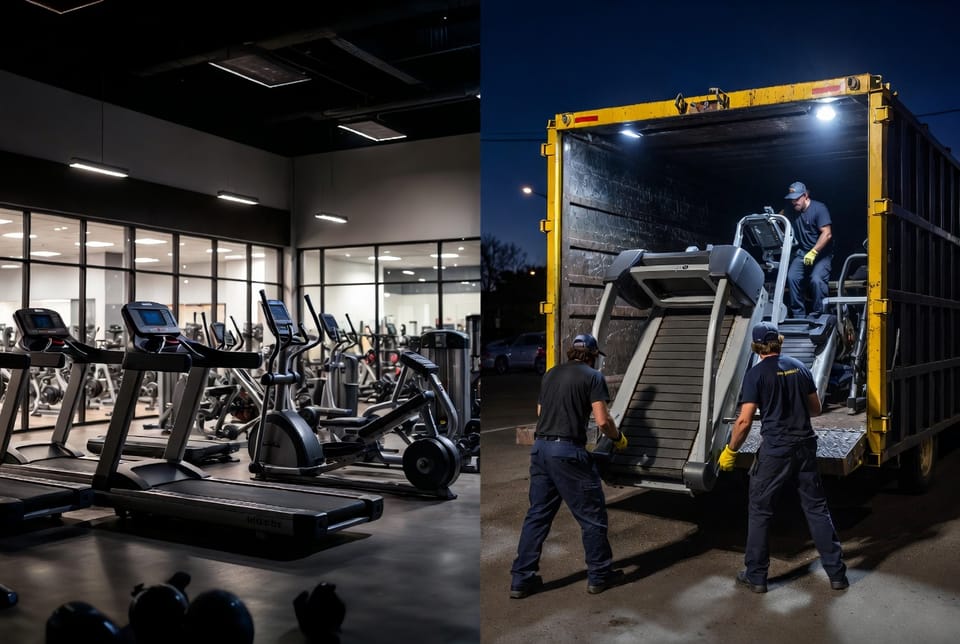
Fitness centers operate under constant pressure to stay modern, safe, and inviting. When the time comes to remodel—whether updating outdated cardio zones, replacing worn strength areas, or refreshing flooring—the volume of discarded equipment can quickly overwhelm a facility. Dumpster rental designed specifically for commercial gym cleanouts provides the practical solution that keeps projects on schedule, protects staff and members, and supports responsible waste handling.
Clear Your Gym Equipment Today – Call Now!
This guide addresses the precise commercial need of gym equipment disposal during fitness center remodels. It explains how operators successfully use dumpsters for heavy machines, soft goods, and structural debris while managing weight limits, metal recycling opportunities, and the critical requirement of working around business hours.
Why Fitness Centers Need Specialized Dumpster Solutions
A typical gym remodel generates far more than ordinary construction debris. Treadmills, ellipticals, stationary bikes, plate-loaded machines, free-weight benches, rubber flooring rolls, and thick exercise mats create a mixed waste stream that is both bulky and dense. Standard household dumpsters lack the capacity and structural strength required. Commercial roll-off dumpsters sized for gym cleanouts—most often 20-yard or 30-yard units—offer the volume and durability needed to accept entire equipment suites without repeated hauls.
Key risk of under-sizing a dumpster is project delay. When machines sit stacked in hallways or parking lots waiting for the next pickup, member access is restricted and the remodel timeline slips. Selecting the correct container from the start eliminates that risk and keeps the facility operational.
Common Equipment and Materials Destined for the Dumpster
Gyms dispose of a predictable range of items during remodels:
- Cardio equipment (treadmills, ellipticals, stair climbers, rowing machines)
- Strength and weight machines (cable systems, plate-loaded stations, smith machines)
- Free-weight accessories (benches, racks, dumbbells when beyond repair)
- Flooring and mats (rubber tiles, rolled rubber, foam mats, turf sections)
- Ancillary items (mirrors, storage cabinets, outdated lighting fixtures)
Each category presents unique handling challenges. Metal frames and electronic components require careful placement to avoid damage to the dumpster liner or overloading one side. Soft goods such as mats can compress, allowing more volume to be packed efficiently when loaded strategically.
Handling Heavy Items Safely and Efficiently
Heavy gym equipment is the primary logistical concern. A single commercial treadmill can weigh 250–400 pounds; multi-station weight machines often exceed 800 pounds. Attempting to load these items without proper technique or equipment creates injury risk and potential damage to doorways, elevators, or the dumpster itself.
Professional commercial dumpster services coordinate with the gym’s staff or contracted movers to stage equipment near the container. Pallet jacks, appliance dollies, and temporary ramps allow controlled movement. The dumpster is positioned as close as possible to the building exit—ideally within a short rolling distance—to minimize manual carrying.
Critical safety practice: Never overload one end of the container. Distribute weight evenly so the dumpster remains stable during transport. Experienced rental providers supply containers rated for the concentrated loads typical of gym cleanouts and will advise on maximum weight limits before the project begins.
Metal Recycling Opportunities That Reduce Costs and Environmental Impact
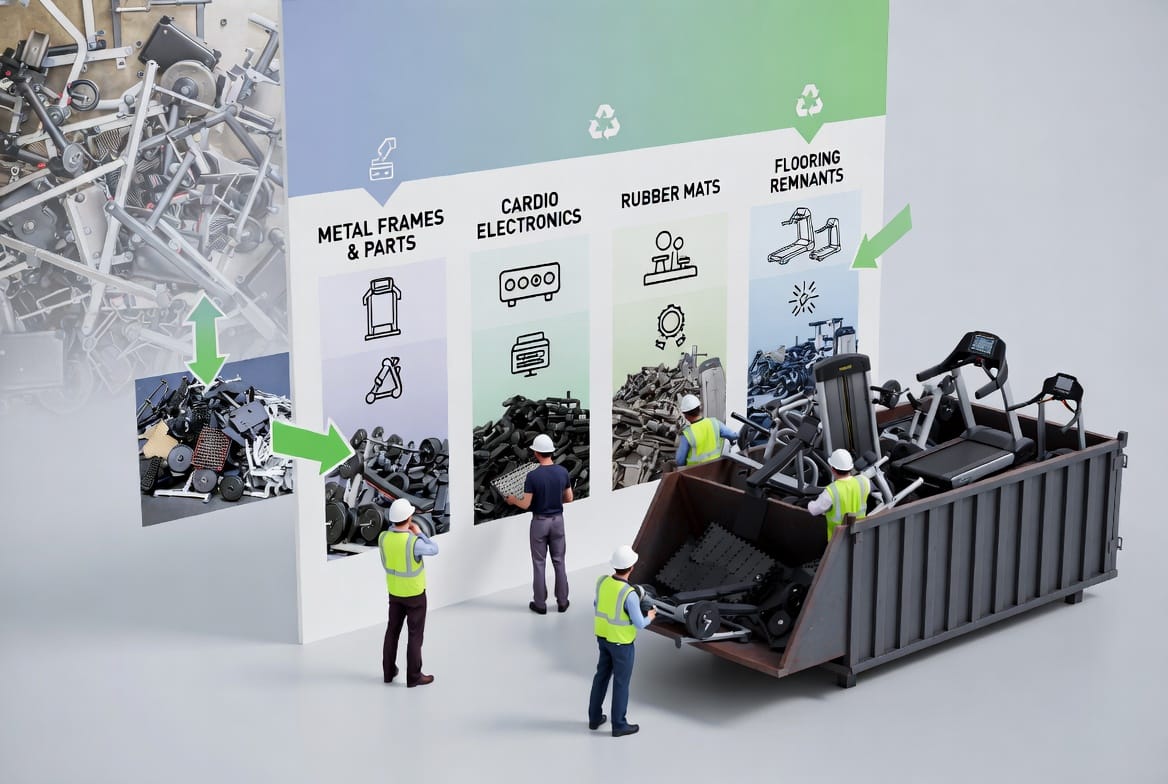
A significant portion of discarded gym equipment consists of recyclable steel and aluminum. Frame tubing, weight plates, cable housings, and machine bases hold scrap value. Separating these metals from mixed waste can lower overall disposal fees and demonstrate environmental responsibility—an increasingly important factor for fitness brands that market sustainability to members.
When the dumpster arrives, designate a clear zone for metal-only items. Many commercial services offer dual-container setups or can arrange for a scrap metal hauler to visit after the main cleanout. Rubber flooring and mats generally cannot be recycled through standard metal channels and must remain in the general waste stream, but isolating the metal fraction still improves the project’s overall efficiency.
Bold advantage: Facilities that plan metal separation in advance often recover enough scrap value to offset a portion of the dumpster rental cost while keeping non-recyclable volume lower.
Scheduling Around Business Hours Without Disrupting Members
Fitness centers rarely close completely during a remodel. Most operators prefer to maintain partial or full member access, which means dumpster placement and loading must occur during off-peak windows. Early morning deliveries, late-evening pickups, and weekend staging are common strategies.
Communicate the schedule clearly with the dumpster provider. Many commercial rental companies offer flexible drop-off and removal times that align with a gym’s quietest periods—typically before 6 a.m. or after 9 p.m. Positioning the container in a rear parking area or loading zone further reduces visual impact and keeps front entrances clear for members.
Risk of poor timing: A dumpster sitting in a high-visibility location during peak hours can create a negative impression and temporary access barriers. Advance coordination eliminates that concern and keeps the remodel professional from the member’s perspective.
Step-by-Step Process for a Successful Gym Equipment Cleanout
- Inventory the equipment and estimate total volume and weight.
- Select the appropriate dumpster size (commonly 20- or 30-yard for mid-sized facilities).
- Confirm placement location and any municipal permits required for street or lot positioning.
- Schedule delivery during the least disruptive window.
- Stage heavy machines near the exit and separate metals for recycling.
- Load systematically—heaviest items first, evenly distributed.
- Monitor fill level and arrange prompt removal once the remodel debris is cleared.
- Inspect the area for residual small items and sweep clean.
Following this sequence keeps the project controlled and predictable.
Avoiding Common Pitfalls During the Cleanup
Several recurring issues can derail an otherwise well-planned gym remodel:
- Underestimating the weight of stacked machines, leading to over-limit fees.
- Mixing prohibited items (hazardous liquids, batteries from cardio consoles) into the general load.
- Failing to protect floors and door frames during equipment movement.
- Leaving the dumpster in place longer than necessary, increasing rental days.
Authoritative recommendation: Partner with a commercial dumpster provider experienced in fitness-center projects. Their familiarity with equipment weights, metal recovery options, and after-hours logistics removes guesswork and protects the facility from unexpected costs or delays.
Environmental and Brand Considerations
Today’s members notice how a gym handles waste. Transparent communication about recycling metal components and responsible disposal of non-recyclable materials reinforces a facility’s commitment to sustainability. Some operators even share brief project updates with members—“We’re upgrading your workout space and recycling every possible pound of steel”—turning the remodel into a positive brand moment rather than a temporary inconvenience.
Proper dumpster use supports that narrative by ensuring waste leaves the property cleanly and efficiently.
Cost Factors and Value Beyond the Rental Fee
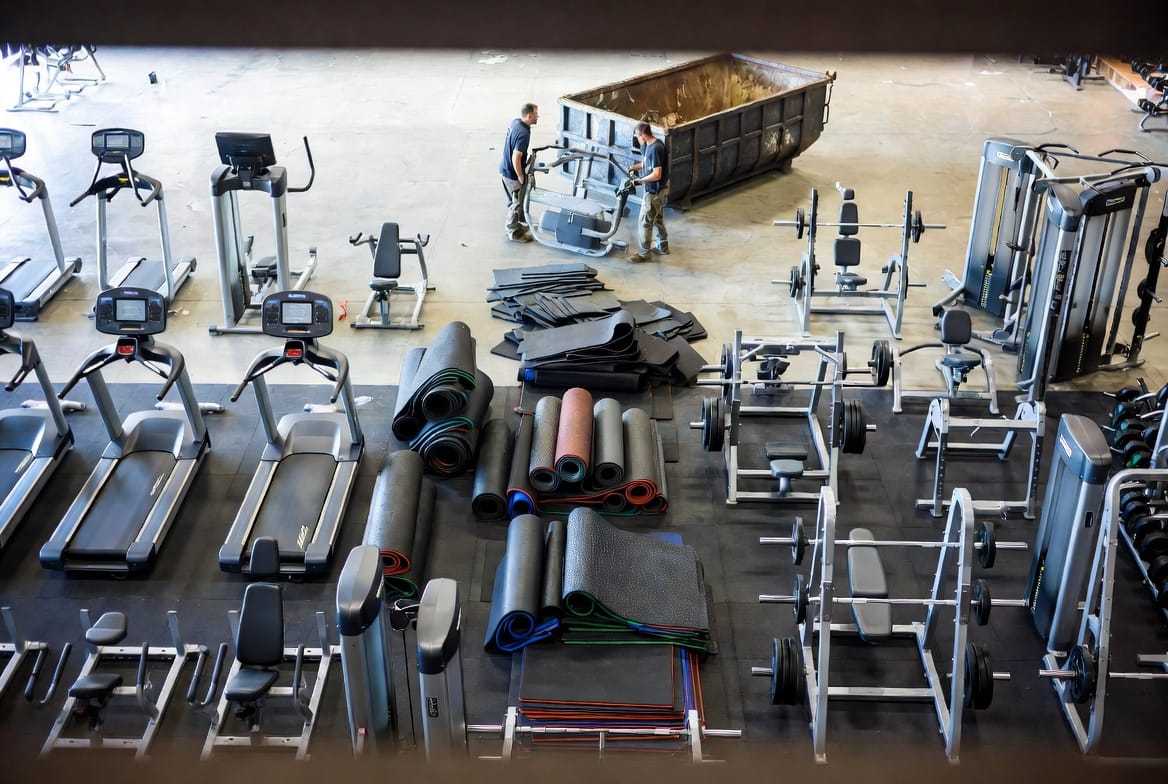
Dumpster pricing for commercial gym cleanouts typically includes delivery, a set number of rental days, and final haul-away. Additional charges may apply for overweight loads or extended rental periods. Planning accurate volume estimates and metal separation often keeps the project within the base rate.
The true value extends past the invoice. A well-executed equipment cleanup shortens the overall remodel timeline, reduces the chance of member complaints about clutter or restricted access, and leaves the facility ready for new equipment installation without residual debris. That operational continuity is worth far more than the modest cost of a properly sized commercial dumpster.
Preparing Staff and Contractors for a Smooth Experience
Clear internal communication is essential. Brief the maintenance team and any external movers on the dumpster location, loading sequence, and weight-distribution guidelines. Designate one point person to coordinate with the rental provider so questions about timing or capacity are answered immediately.
When everyone understands the plan, the cleanup proceeds as a controlled professional operation rather than a chaotic scramble.
Long-Term Benefits of Professional Dumpster Use in Fitness Remodels
Facilities that treat equipment disposal as a planned phase rather than an afterthought consistently report cleaner project sites, fewer unexpected expenses, and faster transitions to the updated layout. Members return to a refreshed space without lingering construction mess, and staff can focus on training and service instead of waste management.
Reassuring reality: With the right commercial dumpster partner, even the largest gym equipment cleanout becomes a manageable, scheduled task rather than a logistical burden.
Final Recommendations for Fitness Center Operators
Assess the scale of equipment to be removed early in the remodel planning process. Choose a dumpster size and service window that match both the physical volume and the facility’s operating schedule. Prioritize metal separation where practical. Maintain open communication with the rental provider so adjustments can be made quickly if conditions change.
These steps transform what could be a disruptive phase into a streamlined component of the overall upgrade.
Call for Professional Dumpsters for Heavy Gym Equipment