The Roof Valley Flashing Repair: Fixing Leaks at the Most Vulnerable Area
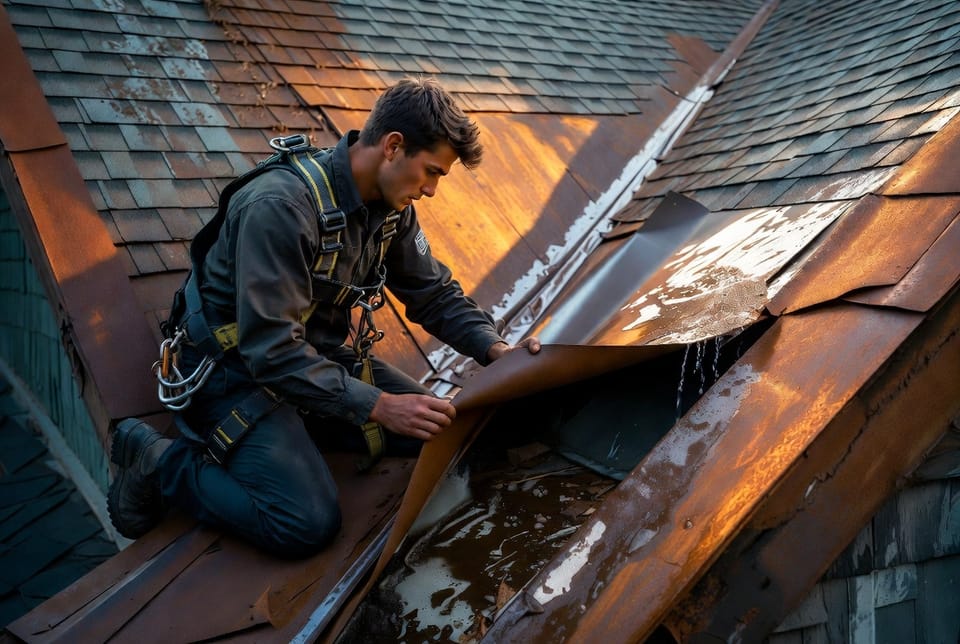
Your roof works hardest where two planes meet. The roof valley carries far more water than any other section during storms, making it one of the most leak-prone areas on any home. When the protective valley flashing fails, water finds its way under shingles, into the roof deck, and eventually into attics, insulation, and living spaces.
Expert Valley Flashing Repair – Call Now!
Roof valley flashing repair is not just about stopping a drip — it is about protecting your entire home from progressive water damage, mold growth, and expensive structural repairs. This guide explains exactly why valleys leak, how to recognize the earliest warning signs, and the professional repair methods that deliver lasting results. With timely action, you can restore confidence in your roof and avoid the cascade of problems that begin with a single compromised valley.
Understanding Roof Valleys and Their Critical Role
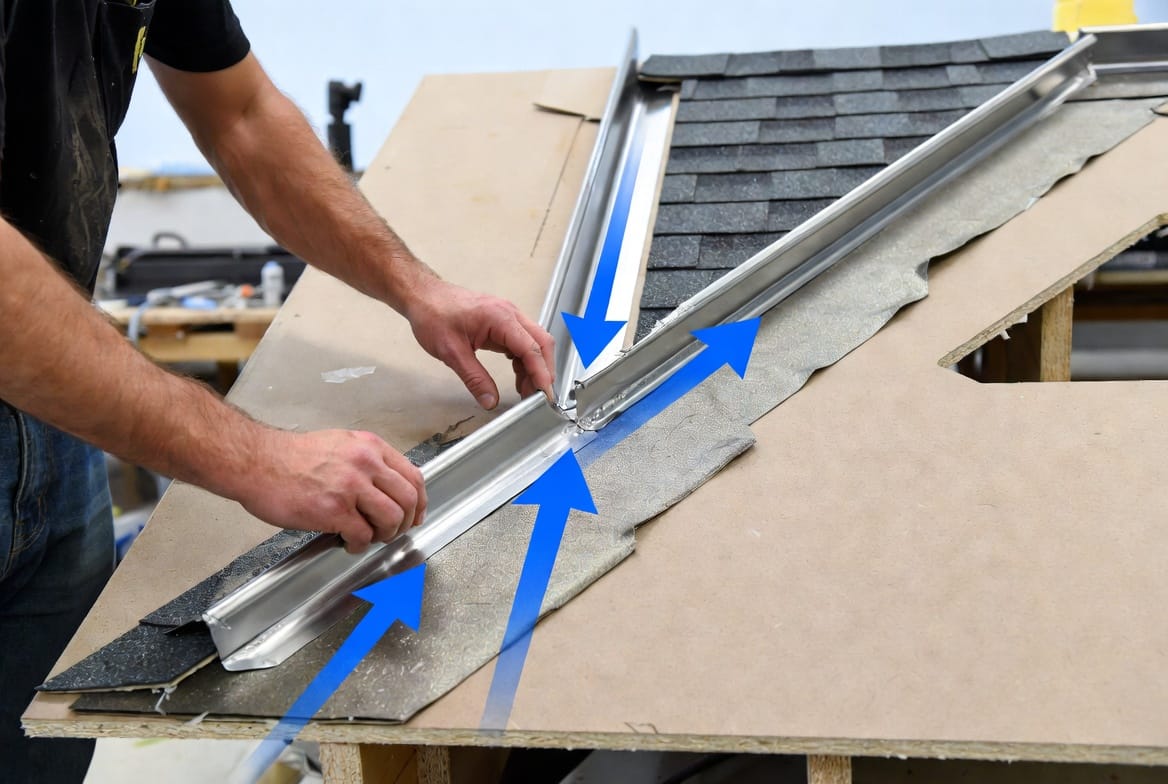
A roof valley forms wherever two roof slopes intersect and channel rainwater or melting snow toward the eaves. Because valleys concentrate water flow, they require specialized protection beyond standard shingles.
Valley flashing — typically continuous metal or a combination of step flashing and underlayment — acts as the waterproof barrier at this junction. When installed correctly, it directs water safely down the valley and off the roof. When installation is flawed, materials age, or external factors intervene, the valley becomes the weakest link in the entire roofing system.
Homeowners often overlook valleys because the damage usually begins hidden beneath shingles or inside the attic. By the time interior stains appear, significant deterioration has already occurred. Understanding this vulnerability is the first step toward proactive protection.
Common Causes of Roof Valley Leaks
Several interconnected factors cause valley flashing failure. Each one accelerates the others, turning a small vulnerability into a major leak.
Improper flashing installation remains the leading cause. Insufficient overlap, nails driven through the flashing instead of above it, or missing ice-and-water shield under the metal allows water to migrate laterally under shingles. Even minor installation errors create pathways that worsen with every storm.
Debris buildup traps moisture directly against flashing and shingle edges. Leaves, pine needles, and dirt hold water in the valley crease long after rain stops. This constant dampness promotes corrosion of metal flashing and organic decay of surrounding shingles. Over time, the trapped moisture wicks upward through capillary action, bypassing the flashing entirely.
Ice dams form in colder climates when attic heat melts snow on the roof surface. The meltwater flows down the valley and refreezes at the colder lower sections or eaves. Expanding ice forces its way under shingles and behind flashing, creating channels for future leaks. When the ice finally melts, large volumes of water penetrate the compromised valley at once.
Additional contributors include thermal expansion and contraction that loosens fasteners, ultraviolet degradation of sealants, and storm damage that dents or displaces flashing. Any combination of these factors dramatically shortens the service life of the valley assembly.
Recognizing the Signs of Valley Flashing Failure
Early detection dramatically reduces repair scope and cost. Watch for these clear indicators that your roof valley flashing requires professional attention.
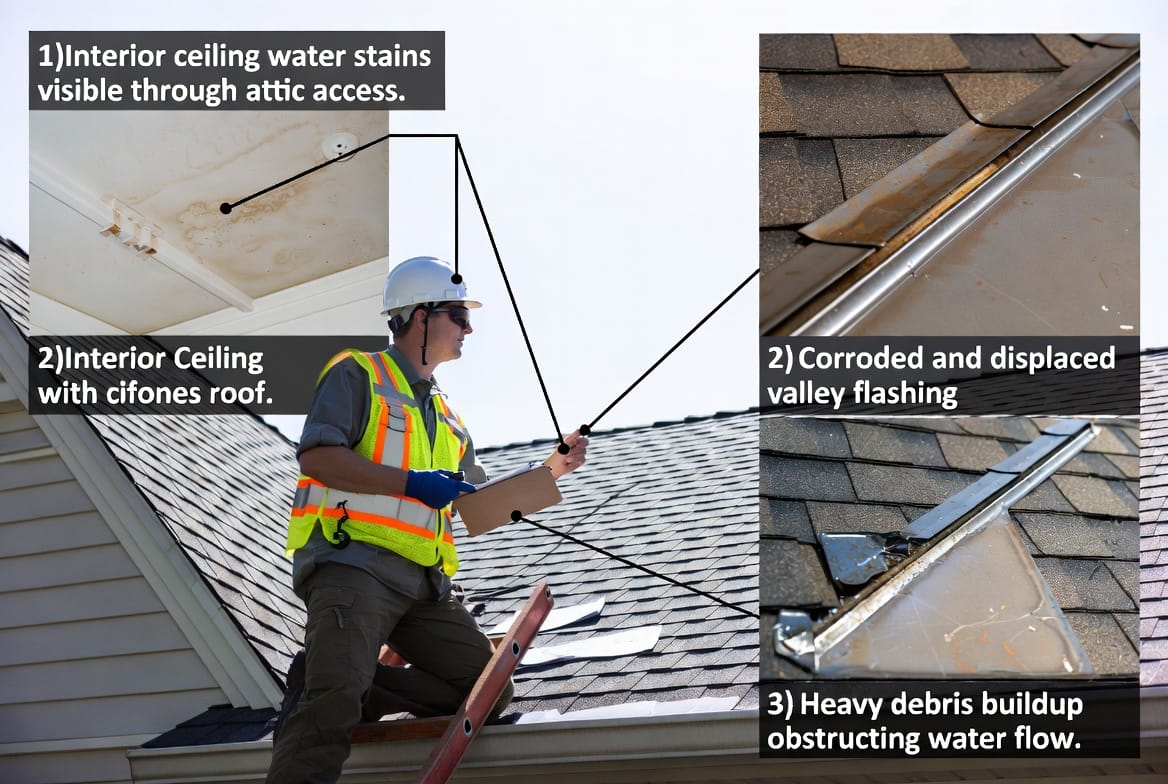
- Water stains on interior ceilings or walls directly below or adjacent to the valley location. Stains often appear brownish and may grow after heavy rain or snowmelt.
- Visible exterior damage along the valley line, including lifted, curled, or missing shingles, rusted or cracked flashing, and gaps where metal has pulled away from the roof surface.
- Persistent debris accumulation in the valley that returns quickly after cleaning, signaling poor drainage or flashing deformation.
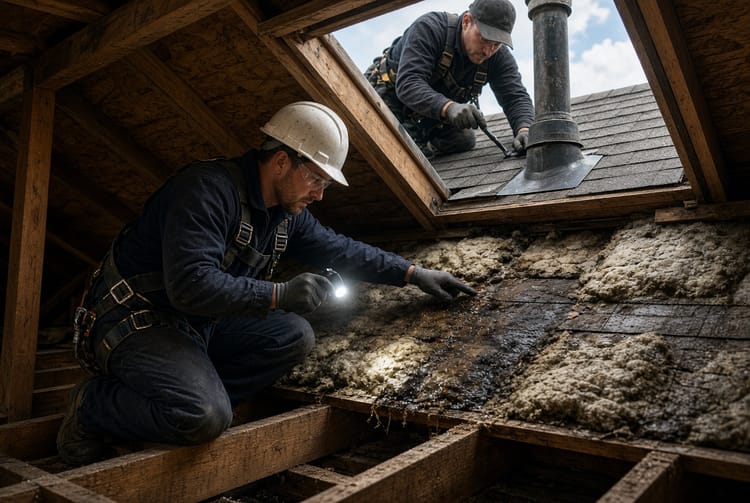
- Musty attic odors or visible mold near the valley, indicating ongoing moisture intrusion into insulation and wood members.
- Unexplained increases in energy bills caused by wet insulation losing its thermal value.
If you notice any of these signs, schedule a professional inspection promptly. What begins as a small stain can evolve into widespread attic mold, compromised roof decking, and interior water damage requiring thousands in restoration.
Critical Warning Signs of Failing Roof Valley Flashing
Professional Repair Methods That Deliver Lasting Results
Effective roof valley flashing repair requires more than surface patching. Professional roofers follow a structured approach that addresses both the visible damage and the underlying causes.
The process begins with a comprehensive inspection. Technicians evaluate the full length of the valley, check for hidden moisture using moisture meters or infrared imaging, and assess the condition of surrounding shingles and decking. This diagnostic step determines whether targeted repair or more extensive work is required.
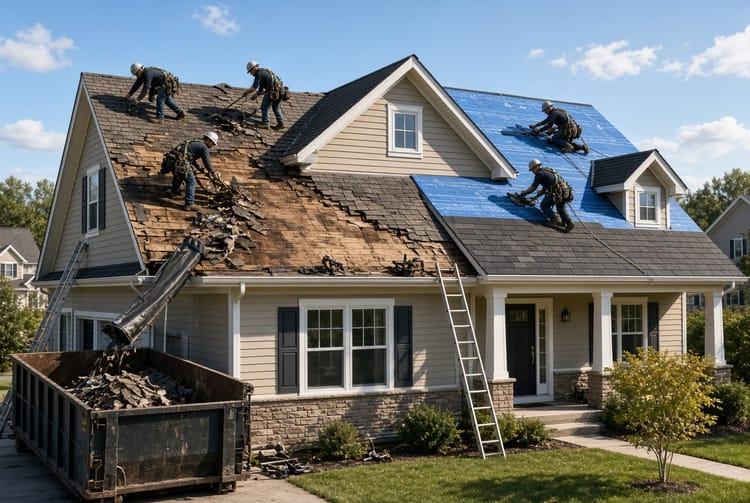
Option 1: Complete flashing replacement offers the most durable solution. Crews carefully remove shingles on both sides of the valley (usually two to three courses), extract the old flashing and underlayment, and install new ice-and-water shield membrane across the entire valley width. New step flashing is woven with replacement shingles, and a continuous valley metal or heavy-gauge flashing is secured with proper fasteners and sealant. The result is a fully restored, code-compliant valley that matches the existing roof aesthetically.
Option 2: Targeted seam sealing and coating works well for early-stage issues where the flashing remains structurally sound but seams have opened. After thorough cleaning and removal of loose material, technicians apply high-performance elastomeric sealants or roof-grade coatings formulated specifically for metal. This approach provides a cost-effective interim or supplementary layer of protection, though it is rarely a permanent standalone fix.
Option 3: Valley shield enhancement adds an extra layer of defense without full disassembly in some cases. Modern valley shield systems — including pre-formed metal inserts or advanced self-adhering membranes that extend well up each slope — can be integrated into existing valleys to improve water shedding and reduce debris trapping. This method is especially useful in regions prone to ice dams or heavy leaf fall.
Throughout every repair, safety remains paramount. Professional teams use proper fall protection, roof jacks, and debris containment systems. They also ensure all work complies with local building codes and manufacturer specifications, preserving roof warranties.
Why Professional Valley Flashing Repair Outperforms DIY Attempts
While minor gutter cleaning may seem manageable for handy homeowners, valley flashing repair involves working at height on the steepest, most water-exposed section of the roof. Incorrect installation during a DIY attempt often creates new leak paths and can void manufacturer warranties on remaining shingles.
Professional roofers bring specialized tools, decades of pattern-recognition experience, access to premium materials, and liability insurance that protects homeowners. They also document the work thoroughly, which supports future insurance claims if needed. The difference between a quick patch and a properly engineered repair often determines whether the valley lasts another five years or another twenty-five.
The Hidden Costs of Delayed Valley Flashing Repair
Ignoring early signs rarely saves money. A small leak allowed to persist can saturate attic insulation, promote mold growth, weaken roof decking, and eventually require partial or full roof replacement plus interior restoration. Many homeowners discover that the cost of professional valley repair is a fraction of the expense of addressing widespread water damage after months or years of neglect.
Timely intervention also protects home resale value. Buyers and inspectors routinely flag roof leaks and moisture issues, and unresolved valley problems can complicate or derail transactions.
Prevention Strategies That Extend Roof Life
Regular professional inspections — ideally twice yearly and after major storms — catch developing issues before they become emergencies. Keeping gutters and downspouts clear reduces debris load in valleys. Installing gutter guards or screens can further limit organic buildup. In colder climates, improving attic ventilation and insulation helps minimize ice dam formation.
Most importantly, partner with a reputable roofing contractor who offers routine maintenance programs. These proactive visits allow technicians to clean valleys, re-seal flashing seams, and identify material fatigue long before leaks appear inside the home.
Restoring Confidence in Your Roof’s Most Vulnerable Point
Roof valley flashing repair represents one of the highest-impact maintenance investments a homeowner can make. By addressing the area that carries the greatest volume of water, you protect the entire roofing system, the attic structure, and the living spaces below.
When performed by experienced professionals using quality materials and proven techniques, valley repairs deliver reliable, long-lasting protection. The peace of mind that comes from knowing your roof can handle heavy rain, snowmelt, and seasonal extremes is invaluable.
Do not wait for interior stains or attic odors to appear. Early professional assessment of your roof valleys can prevent minor issues from becoming major expenses.
Stop valley leaks before they cause rot. Protect your investment with expert care that stands the test of time.
Protect Your Roof from Costly Leaks – Call Today!