The Roof Replacement Dumpster: Weight Limits and Shingle Disposal
When undertaking a roof replacement, one of the most critical yet often overlooked aspects is managing the massive volume of debris generated. Homeowners and contractors alike must prioritize safe, efficient, and compliant disposal methods to keep projects on track and avoid unexpected costs or hazards. A dedicated roof replacement dumpster provides the ideal solution, but understanding weight limits and proper shingle disposal techniques is essential for success.
Rent the Right Size Dumpster Today – Call for Fast Delivery!
In this comprehensive guide, we explore everything you need to know about handling roof replacement waste responsibly. From estimating the heavy burden of old shingles to selecting the right container size, we’ll equip you with practical knowledge that ensures your project runs smoothly and safely.
Roof replacement projects transform homes, boosting curb appeal, energy efficiency, and structural integrity. However, the process creates substantial waste that demands careful planning.
Why Proper Debris Management Matters in Roof Replacement
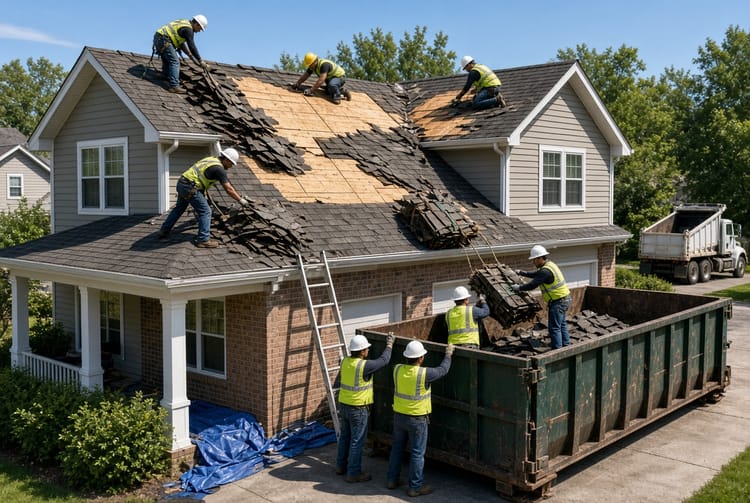
Roofing jobs generate tons of material that cannot simply be tossed into regular household trash. Old shingles, underlayment, flashing, nails, and other components pile up quickly. Without a suitable roof replacement dumpster, you risk project delays, safety issues, and potential fines.
Key benefits of using a specialized dumpster include:
- Efficient workflow — Crews focus on installation rather than repeated trips to disposal sites.
- Safety compliance — Prevents overloading driveways or creating trip hazards.
- Environmental responsibility — Many materials can be recycled when sorted correctly.
- Cost control — Avoids overage fees from exceeding weight limits.
By planning ahead, you protect your property and maintain a professional standard throughout the project.
Understanding Roof Replacement Debris: What Makes Shingles So Heavy?
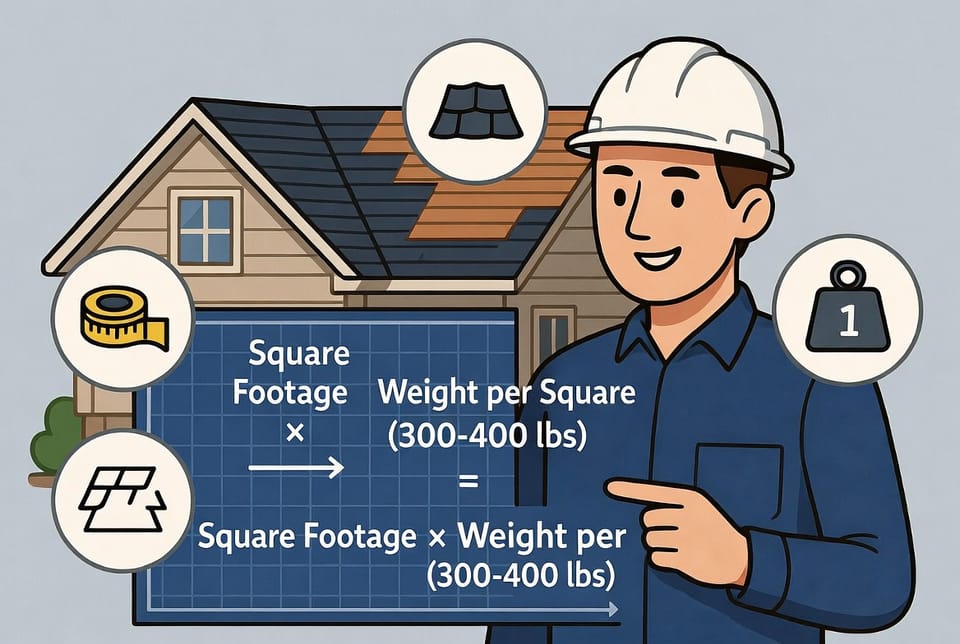
Old asphalt shingles dominate roof replacement waste. A single square (100 square feet) of standard three-tab shingles typically weighs between 300 and 400 pounds when removed. Luxury or architectural shingles can weigh even more.
This density creates challenges. A typical 1,500-square-foot roof might produce 4,500 to 6,000 pounds of shingles alone, not counting additional materials.
Other common debris includes:
- Underlayment and felt paper — Adds lightweight but bulky volume.
- Metal flashing and vents — Sharp edges require careful handling.
- Nails and fasteners — Small but numerous, posing puncture risks.
- Rotted wood or decking — Occasionally removed during thorough inspections.
Recognizing the composition of your specific debris helps in accurate planning.
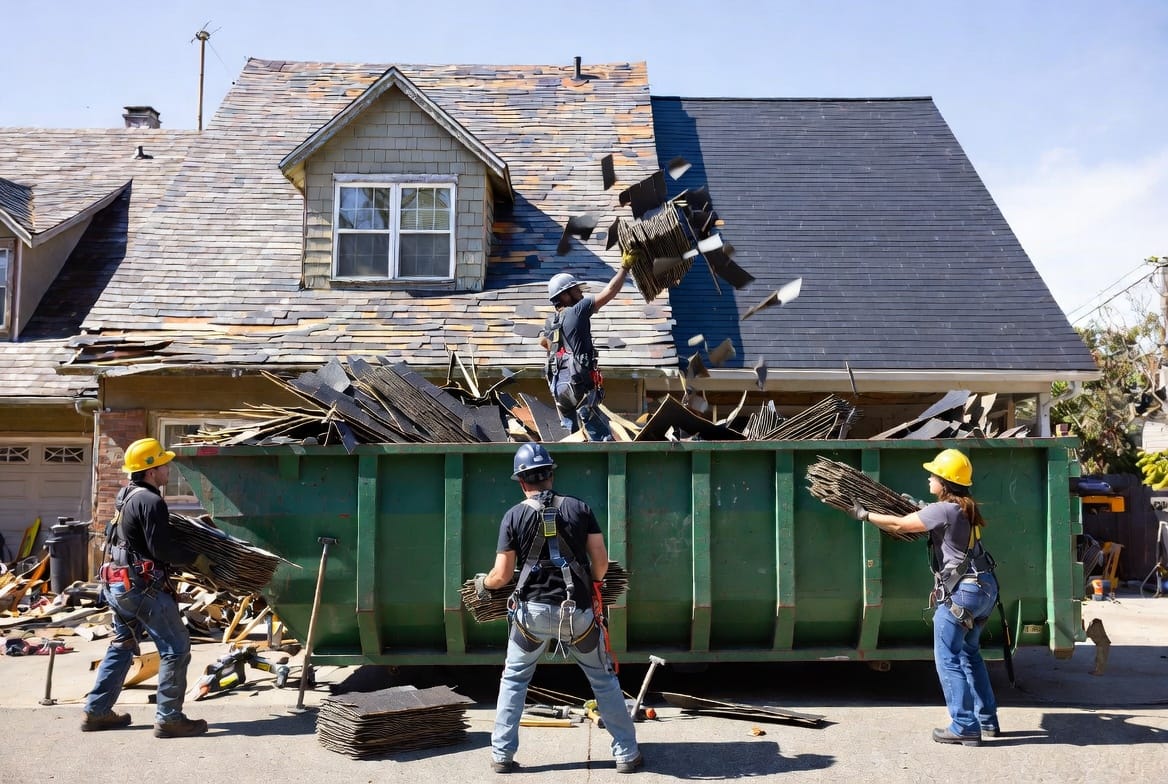
Estimating Shingle Weight: A Practical Approach
Accurate estimation prevents overloading and ensures you rent the correct roof replacement dumpster. Start by measuring your roof’s total square footage. Most roofing professionals provide this figure early in the quoting process.
Multiply the square footage by the average weight per square. For standard shingles:
- Low end: 300 lbs per square
- High end: 400 lbs per square
Example calculation for a 1,800 sq ft roof:
- 1,800 ÷ 100 = 18 squares
- 18 × 350 lbs (average) = 6,300 pounds of shingles
Add 20-30% buffer for additional debris like underlayment, nails, and unexpected wood. This conservative approach keeps you safely within limits.
Factors affecting weight include:
- Shingle age and condition — Water-logged or moss-covered shingles weigh more.
- Roof layers — Multiple existing layers dramatically increase total weight.
- Climate — Regions with heavy rainfall often see heavier, deteriorated materials.
Always consult your roofing contractor for precise measurements tailored to your home.
Calculating Total Debris Weight for Your Project
Beyond shingles, account for the full scope. A complete roof replacement might generate 8-12 tons of total waste for an average home.
Break it down:
- Shingles: 60-70% of total weight
- Other roofing materials: 20-30%
- Incidental waste (packaging, tools, etc.): 5-10%
Professional dumpster rental services often provide weight estimation assistance based on your roof size and type. This expertise helps avoid surprises.
Risks of underestimating weight:
- Overloaded dumpsters — Dangerous to transport and may incur steep overage fees.
- Structural damage — Heavy containers can crack driveways if not placed properly.
- Project delays — Swapping containers mid-job wastes valuable time.
Proactive calculation demonstrates responsible project management.
Choosing the Right Roof Replacement Dumpster Size
Dumpster sizes vary, with common options including 10-yard, 20-yard, 30-yard, and 40-yard containers. For most residential roof replacements, a 20- or 30-yard dumpster offers the best balance.
Weight limits typically include:
- 10-yard: Up to 2-3 tons
- 20-yard: Up to 4-6 tons
- 30-yard: Up to 8-10 tons
Confirm exact limits with your rental provider, as they vary by location and company policy.
Selection tips:
- Opt for larger capacity if your roof exceeds 2,000 square feet.
- Consider lowboy dumpsters for easier loading of heavy shingles.
- Request rubber-wheeled options to protect your driveway.
The right choice ensures smooth operations from tear-off to final cleanup.
Safe Loading Practices for Shingle Disposal
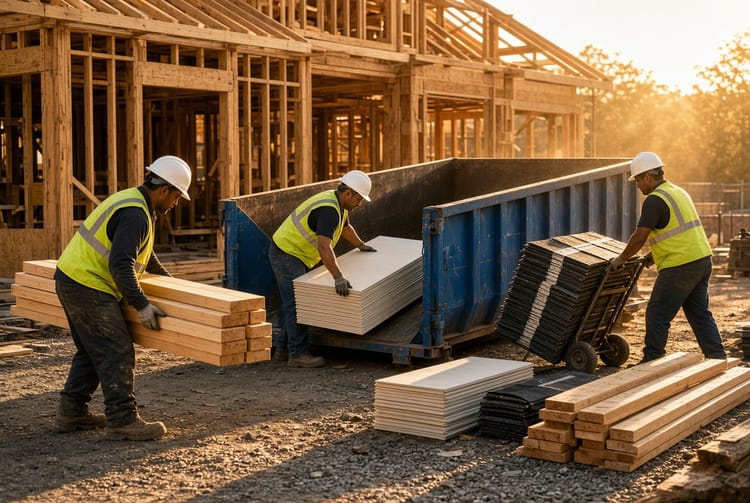
Proper loading maximizes space while staying within weight limits. Distribute weight evenly to prevent tipping or transportation issues.
Recommended techniques:
- Break down shingle bundles before tossing them in.
- Layer materials strategically — heavier items at the bottom when possible.
- Avoid overfilling beyond the container’s marked fill line.
- Use tarps to contain dust and debris during loading.
Wearing appropriate personal protective equipment (gloves, eye protection, sturdy boots) remains non-negotiable for crew safety.
Teamwork makes the process efficient. Coordinating between tear-off crews and dumpster loaders minimizes downtime.
Common Mistakes to Avoid with Roof Replacement Dumpsters
Even experienced teams encounter pitfalls. Understanding these helps you steer clear:
- Ignoring local weight restrictions on roads or bridges during transport.
- Mixing hazardous materials like asbestos (if present in older homes).
- Under-sizing the dumpster, leading to multiple rentals.
- Poor placement blocking access or damaging landscaping.
By addressing these proactively, you maintain control over timelines and budgets.
Navigating Regulations and Permits for Dumpster Rentals
Many municipalities require permits for roof replacement dumpsters placed on public streets. Checking requirements early prevents compliance headaches.
Key considerations:
- Placement rules and time restrictions.
- Recycling mandates for certain roofing materials.
- Environmental guidelines for shingle disposal.
Reputable rental companies guide you through these requirements, ensuring full adherence.
The Advantages of Professional Dumpster Rental Services
Partnering with experienced providers delivers peace of mind. They handle logistics, offer flexible scheduling, and provide appropriately rated equipment for heavy shingle loads.
Benefits include:
- Expert weight guidance based on thousands of similar projects.
- Convenient delivery and pickup coordinated with your roofing schedule.
- Responsible disposal at certified facilities.
- Insurance coverage for any on-site incidents.
This professional support lets you focus on achieving beautiful, long-lasting results.
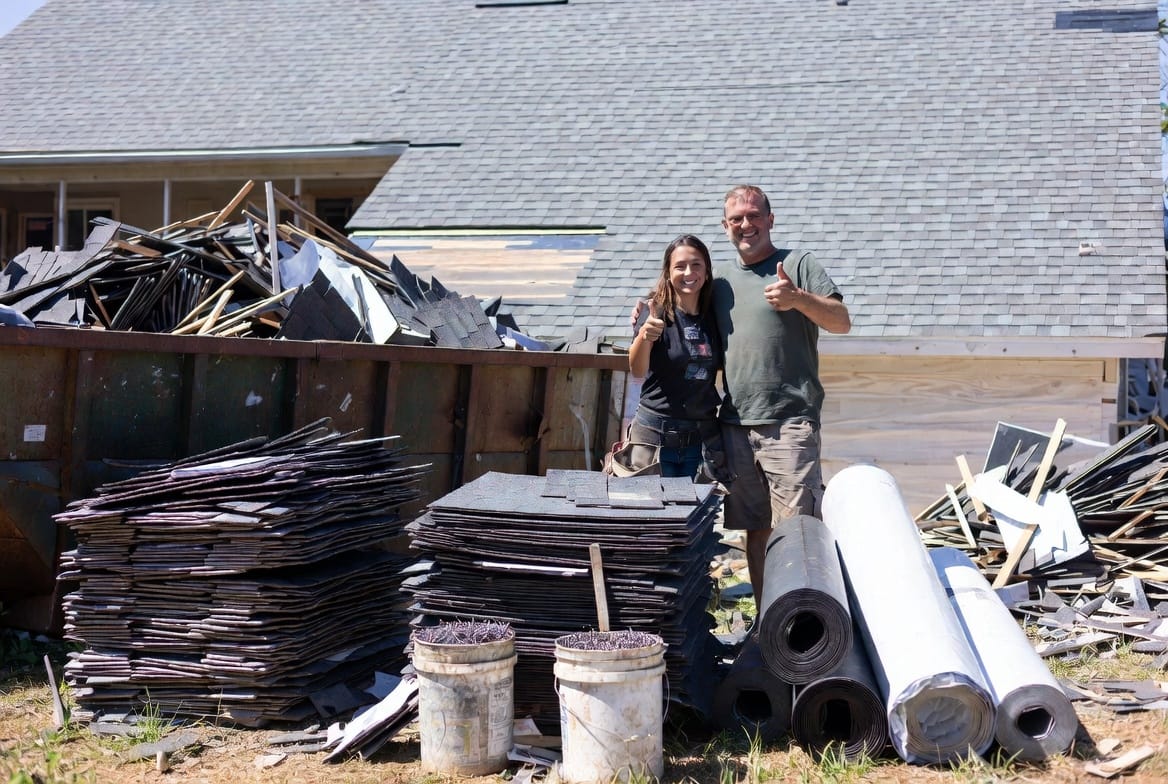
Real-World Application: Planning Your Roof Replacement Debris Strategy
Consider a typical suburban home with a 2,200-square-foot roof requiring full replacement. Initial calculations suggest approximately 7,500 pounds of shingles plus additional materials, pointing toward a 30-yard dumpster with an 8-ton weight limit.
The crew arrives, places the container strategically on reinforced driveway sections, and proceeds with tear-off. By monitoring fill levels and weight distribution throughout the day, they complete loading without exceeding limits. The result? A clean site, on-time project completion, and satisfied homeowners.
Such careful planning transforms potentially stressful waste management into a seamless part of the renovation journey.
Additional Tips for Optimizing Shingle Disposal
- Schedule dumpster delivery the day before tear-off begins.
- Separate recyclable metals (flashing, vents) when feasible.
- Document weights provided by the rental company for your records.
- Plan for weather — tarps protect debris from absorbing extra moisture.
These small steps contribute significantly to overall project efficiency.
Long-Term Benefits of Proper Roof Replacement Practices
Investing time in correct shingle disposal and dumpster management pays dividends. Beyond immediate project success, it supports sustainable building practices and maintains excellent relationships with neighbors and local authorities.
A well-executed roof replacement enhances your home’s value while demonstrating environmental stewardship.
Conclusion: Prepare for Success with the Right Dumpster Strategy
Mastering weight limits and shingle disposal ensures your roof replacement project proceeds without unnecessary complications. Always calculate carefully, choose appropriate equipment, and follow safe loading practices.
Professional Roof Debris Removal – Call Now