The Roof Replacement Dumpster: Weight Limits and Shingle Disposal
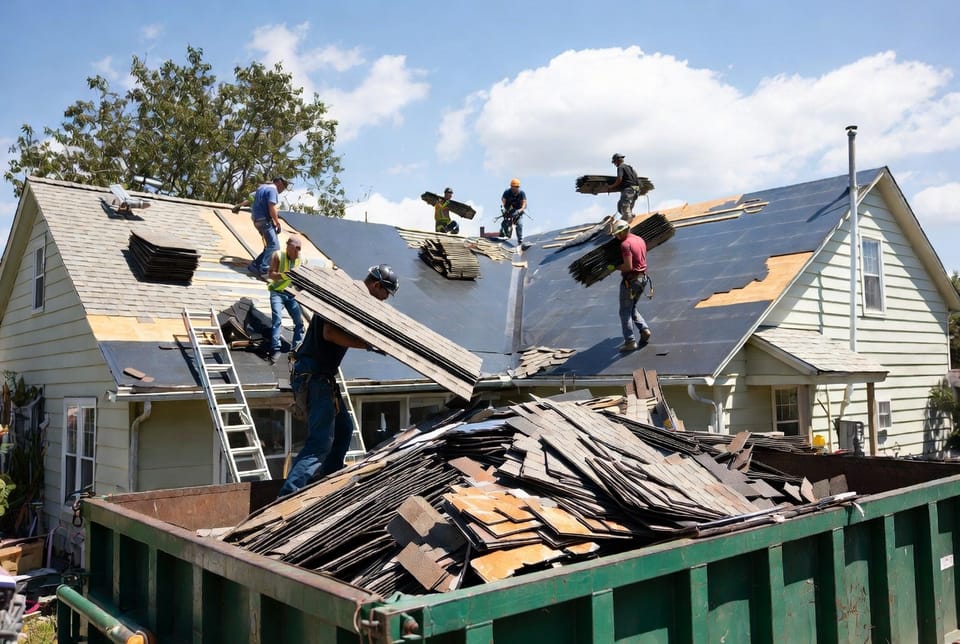
When undertaking a roof replacement project, one of the most critical yet often overlooked aspects is proper debris management. Homeowners and contractors alike must navigate the heavy nature of roofing materials, particularly asphalt shingles, which demand careful planning to avoid costly mistakes. This comprehensive guide explores everything you need to know about renting a roof replacement dumpster, focusing on weight limits, accurate estimation of shingle weight, and responsible disposal practices.
Need a Roofing Dumpster? Call Now for Fast Delivery
Whether you're replacing the roof on a modest ranch-style home or a larger two-story residence, understanding these factors ensures a smooth, safe, and compliant project. At our dumpster rental service, we prioritize helping clients achieve efficient waste removal while maintaining peace of mind throughout the process.
Why Roof Replacement Generates Unique Debris Challenges
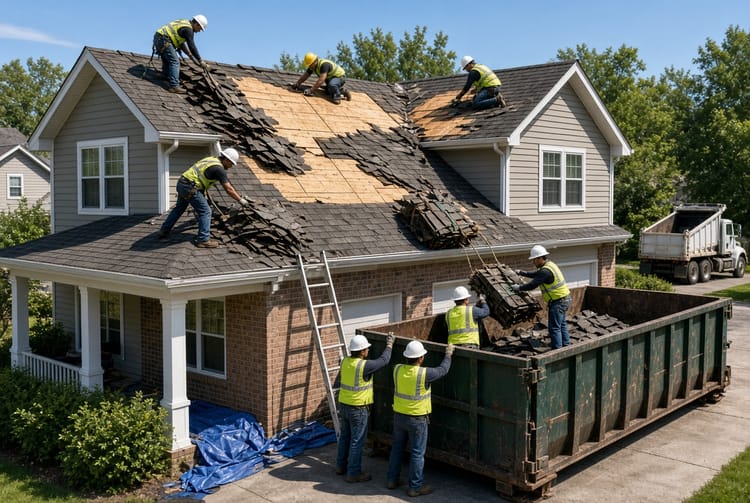
Roof replacement projects produce substantial volumes of heavy debris. Unlike general construction waste, roofing materials—especially old shingles—are dense and accumulate weight rapidly. A typical roof replacement on a 2,000 square foot home can generate several tons of material, making specialized dumpster rental for roofing essential.
Key risks include:
- Overloading dumpsters, which leads to extra fees or unsafe transportation.
- Inaccurate weight estimates causing project delays.
- Improper disposal violating local regulations on construction debris.
By choosing the right dumpster size and understanding shingle weight calculations, you protect your budget and the environment. Our team has supported countless successful roof replacements, ensuring clients never face unexpected hurdles.
Understanding Shingle Weight: The Foundation of Smart Planning
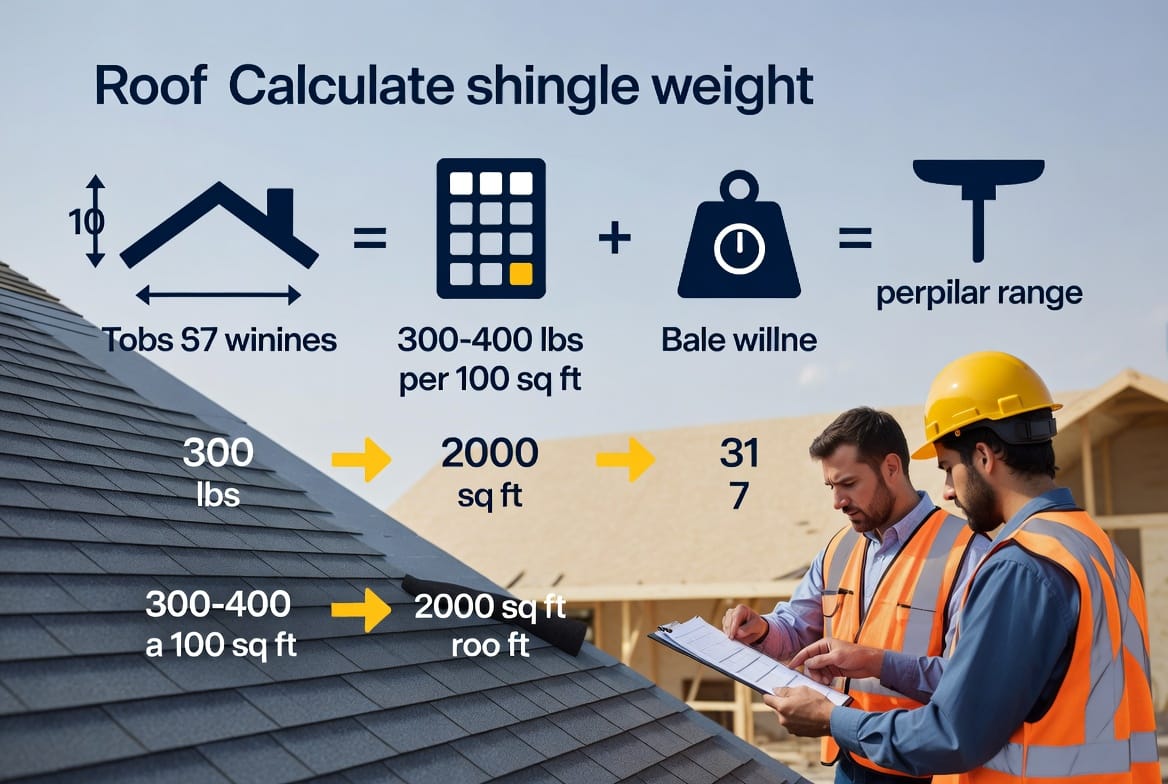
Asphalt shingles are deceptively heavy. On average, they weigh between 300-400 pounds per 100 square feet of roof area. This density comes from multiple layers of fiberglass, asphalt, and mineral granules designed for durability and weather resistance.
For a specific project example, consider a standard 1,800 square foot single-family home in a suburban neighborhood. The existing roof might require complete removal of three layers of shingles accumulated over decades:
- Layer 1: Approximately 1,800 sq ft × 350 lbs/100 sq ft = 6,300 lbs
- Layer 2: Similar calculation adds another 6,300 lbs
- Layer 3: Brings the total shingle weight to around 18,900 lbs (nearly 9.5 tons)
Add in other materials like underlayment, flashing, nails, and damaged sheathing, and the total debris weight easily exceeds 12-15 tons. This is why selecting a dumpster with appropriate weight limits is non-negotiable.
Bold reminder: Always calculate conservatively and add a 20-25% buffer for unexpected heavier materials.
Choosing the Right Dumpster Size for Your Roof Replacement
Selecting the appropriate roof replacement dumpster involves balancing volume and weight capacity. Common options include:
- 10-yard dumpster: Suitable for smaller roofs or partial replacements (up to 4-6 tons weight limit).
- 20-yard dumpster: Ideal for most standard residential roof replacements (typically 8-10 tons).
- 30-yard dumpster: Best for large homes or multi-layer tear-offs with higher debris volume.
Pro tip: Weight limits vary by provider and local regulations. Overloading even by a small margin can create significant safety hazards during hauling.
In our experience supporting roofing projects, the 20-yard container strikes the perfect balance for most homeowners. It accommodates the heavy load of shingles without requiring multiple hauls, saving both time and money.
Step-by-Step Guide to Estimating Roof Debris Weight
Accurate estimation prevents surprises. Follow this authoritative process:
- Measure roof square footage — Use architectural plans or measure exterior walls and add pitch adjustments.
- Determine number of layers — Inspect for multiple overlapping shingle sets.
- Apply weight formula — Multiply square footage by average weight per 100 sq ft (300-400 lbs).
- Factor in additional debris — Include 15-30% extra for wood, metal, and miscellaneous items.
- Consult local experts — Call your dumpster provider for region-specific weight guidance.
For visual clarity on this critical calculation:
Common Roof Debris Types and Proper Segregation
Effective waste management extends beyond shingles. A typical roof replacement includes various materials, each requiring appropriate handling:
- Asphalt shingles: Primary heavy component; often recycled into new paving materials.
- Underlayment and felt paper: Lightweight but bulky.
- Metal flashing and vents: Recyclable when separated.
- Nails and fasteners: Small but numerous; pose puncture risks if not contained.
- Damaged plywood or OSB sheathing: May be treated as construction debris.
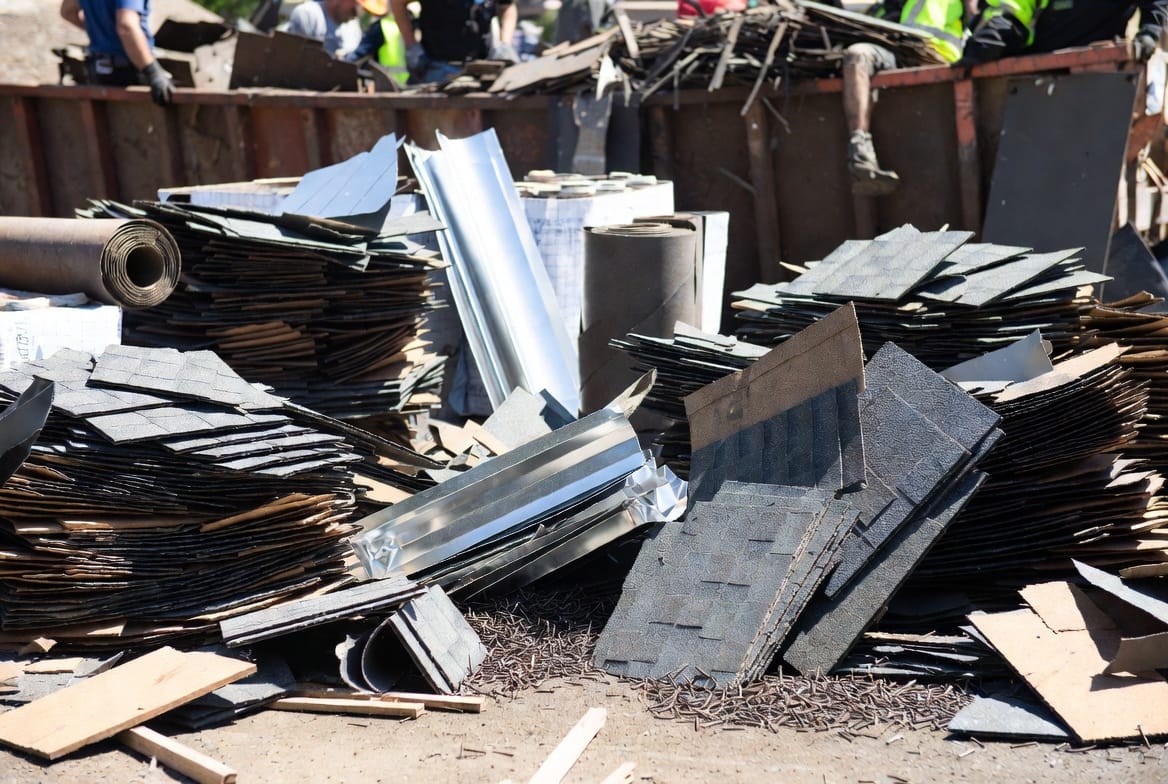
Proper segregation not only complies with regulations but often reduces disposal costs through recycling opportunities.
Safety Considerations and Best Practices
Safety first remains our core principle. Overloaded dumpsters risk tipping, while improperly loaded ones can damage property or injure workers. Always:
- Distribute weight evenly across the dumpster floor.
- Avoid stacking materials above the container's fill line.
- Use protective gear when handling sharp nails or heavy bundles.
- Schedule dumpster delivery and pickup to align precisely with project phases.
Our reassuring approach ensures every client receives guidance tailored to their specific roofing needs, minimizing risks while maximizing efficiency.
Environmental Responsibility in Shingle Disposal
Modern roof replacement dumpster practices emphasize sustainability. Many asphalt shingles can be recycled, reducing landfill impact. By partnering with responsible providers, you contribute to circular economy efforts in the construction industry.
Local municipalities often have specific rules regarding construction and demolition (C&D) waste. Understanding these ensures compliance and avoids potential fines. Our team stays current with all regulations, providing authoritative advice that keeps your project on track.
Case Study: Successful Roof Replacement in a 2,400 Sq Ft Colonial Home
Consider a recent project involving a 2,400 square foot two-story colonial with two layers of aging shingles. Initial weight estimate:
- Roof area calculations projected 16,800 lbs of shingles alone.
- Total debris reached approximately 22,000 lbs including all materials.
By renting a 20-yard dumpster with a 10-ton weight limit (and monitoring closely), the crew completed the project efficiently over four days. The homeowner appreciated the single-container solution, which eliminated multiple trips and reduced overall costs by 35% compared to using smaller units.
This real-world example demonstrates how proper planning around weight limits and shingle disposal transforms a potentially stressful project into a streamlined success.
Cost Factors and Budgeting Tips
Dumpster rental costs for roof replacements typically factor in:
- Container size and rental duration.
- Weight overage charges.
- Disposal fees based on local landfill rates.
- Delivery and pickup logistics.
Budgeting 10-15% of your total roofing project cost for debris removal provides a realistic cushion. Early consultation with a reputable provider helps lock in competitive rates and avoid peak-season surcharges.
Frequently Asked Questions About Roofing Dumpsters
Q: How heavy are shingles really?
A: Typically 300-400 lbs per square (100 sq ft), but this varies by brand and age.
Q: Can I mix other trash with roof debris?
A: Generally no. Dedicated roofing dumpsters maintain cleaner waste streams for better recycling potential.
Q: What if my project exceeds weight limits?
A: Proactive estimation and choosing slightly larger capacity prevents this issue. We offer flexible solutions.
Q: Are there permits required for dumpster placement?
A: Often yes, especially for street placement. Our team assists with guidance.
Maximizing Efficiency During Your Roof Replacement
To achieve optimal results:
- Coordinate dumpster placement with your roofing contractor early.
- Prepare the site with plywood protection for driveways or lawns.
- Monitor fill levels daily during tear-off.
- Schedule pickup promptly upon completion.
These steps, combined with expert knowledge of shingle weight and dumpster weight limits, ensure your project stays on schedule and within budget.
The Importance of Professional Guidance
While DIY estimation is possible, partnering with experienced dumpster rental professionals provides reassurance and expertise. We understand the nuances of roofing projects across various home styles and sizes, delivering authoritative recommendations tailored to your situation.
Our commitment to customer satisfaction means clear communication, reliable service, and support from initial consultation through final cleanup.
Conclusion: Plan Smart for a Successful Roof Replacement
Effective debris management forms the backbone of any successful roofing project. By understanding shingle weight, respecting dumpster weight limits, and following proper disposal protocols, you set yourself up for efficiency and compliance.
Know your shingle weight before renting. This simple step prevents complications and keeps your project moving forward smoothly.
Our team is ready to provide the perfect solution for your roof replacement needs, ensuring safe, responsible, and cost-effective waste removal every time.
Avoid Overloading Fees – Call for Proper Roof Dumpster Now