The Rental Property Inspection: How Insurance Adjusters Evaluate Risk
Owning rental property is one of the most rewarding ways to build long-term wealth, but it also comes with significant responsibilities. Among these, maintaining proper home insurance coverage stands out as essential for protecting your investment against unexpected losses. Insurance companies rely heavily on detailed rental property inspections to assess risk during the underwriting process. Understanding exactly how adjusters evaluate properties can help landlords prepare effectively and secure favorable terms.
Protect Your Rental Investment – Speak to an Expert Now
In this comprehensive guide, we’ll explore the underwriting process for landlords, what insurers specifically examine, and practical steps you can take to present your rental property in the best light. Whether you manage a single-family home, duplex, or larger multifamily building, proactive preparation makes all the difference in obtaining comprehensive, affordable coverage.
Understanding Insurance Underwriting for Rental Properties
Underwriting is the careful evaluation process insurers use to determine the risk level of insuring a property and its owner. For rental properties, this goes beyond standard homeowner assessments because the property generates income and involves tenants.
Insurers analyze both the physical condition of the building and the management practices of the landlord. A well-maintained property with responsible tenant screening presents lower risk, often resulting in better premiums and broader coverage options. Conversely, overlooked maintenance issues can lead to higher rates or even denial of coverage.
Key benefits of a positive underwriting outcome include:
- Lower monthly premiums
- Higher coverage limits for property damage and liability
- Access to specialized landlord insurance endorsements
- Peace of mind knowing your asset is protected
By understanding what adjusters look for, you position yourself as a responsible property owner committed to risk reduction.
The Rental Property Inspection Process
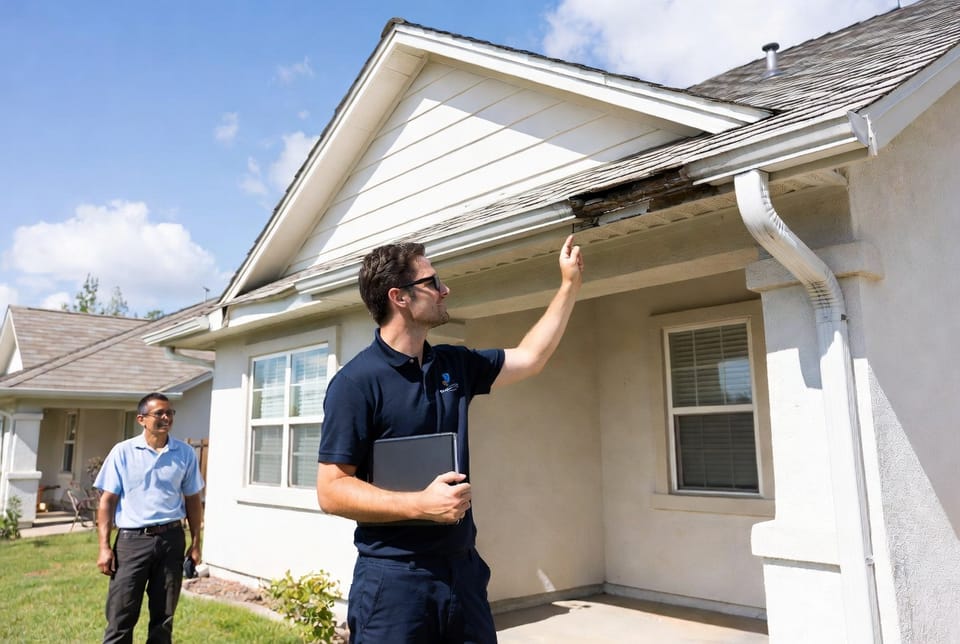
When you apply for or renew rental property insurance, an adjuster or inspector may visit the site or request detailed documentation. These inspections typically last 30–90 minutes depending on property size and focus on visible, structural, and safety elements.
Inspectors use standardized checklists and sometimes drones or specialized tools for hard-to-reach areas like roofs. They document findings with photos and notes that directly influence the underwriting decision.
What to expect during the inspection:
- Exterior walkthrough covering roof, siding, foundation, and grounds
- Interior assessment of major systems
- Review of safety features and maintenance records
- Discussion of tenant screening processes
Preparation is key. Scheduling the inspection when the property is vacant or between tenants allows for a more thorough and accurate evaluation.
Critical Areas Insurers Examine: Roof Condition
The roof is one of the most important components evaluated because it protects the entire structure from weather-related damage. Adjusters look for age, material quality, signs of wear, and recent repairs.
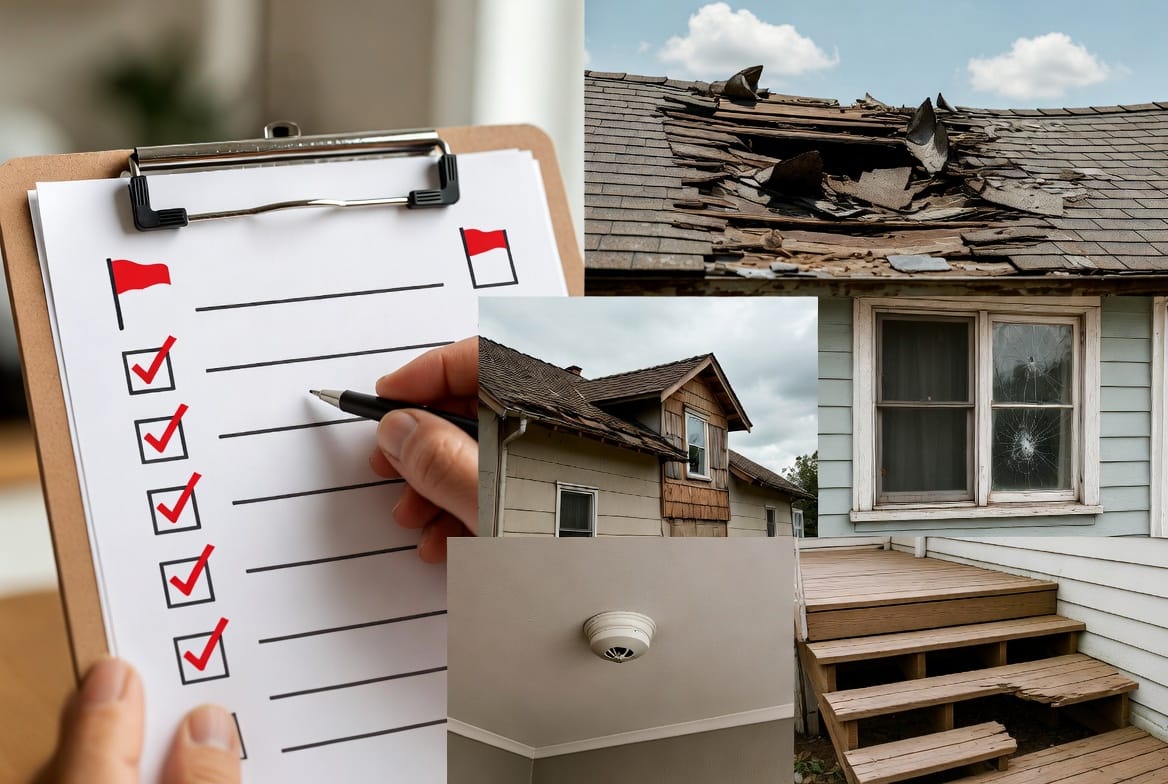
Red flags that can impact coverage include:
- Roofs older than 15–20 years without documentation of maintenance
- Missing or damaged shingles, flashing around chimneys or vents
- Evidence of previous leaks or water intrusion
- Improper previous repairs
A solid roof in good condition signals to insurers that the property is less prone to water damage claims. If your roof needs attention, completing repairs before the inspection demonstrates responsibility and can significantly improve your underwriting results.
Electrical Systems: Safety First
Older electrical systems represent a major liability concern. Insurers pay close attention to whether properties have updated wiring, especially avoiding outdated knob-and-tube systems common in homes built before the 1950s.
Adjusters check for:
- Properly installed modern circuit breakers
- Adequate grounding and GFCI outlets in wet areas
- Absence of exposed wiring or overloaded circuits
- Evidence of professional electrical upgrades with permits
Properties with knob-and-tube wiring often face higher premiums or requirements for immediate upgrades. Updating to modern standards not only improves insurability but also enhances tenant safety and property value.
Plumbing Integrity and Leak Prevention
Plumbing leaks can lead to extensive water damage, mold growth, and costly claims. During inspections, adjusters thoroughly examine visible pipes, fixtures, water heaters, and drainage systems.
Areas of focus include:
- Signs of corrosion or previous repairs on pipes
- Functioning shut-off valves and proper water pressure
- Condition of sump pumps and drainage in basements
- Absence of active leaks around sinks, toilets, and appliances
Landlords who maintain service records for plumbing work show insurers they actively manage risks. Addressing small issues promptly prevents them from becoming major underwriting concerns.
Liability Hazards: Protecting People and Property
Liability coverage protects landlords when someone is injured on the property. Adjusters meticulously identify potential trip and fall hazards and structural weaknesses.
Common liability risks evaluated:
- Stairs and handrails that are loose, uneven, or lack proper lighting
- Decks and porches showing rot, unstable railings, or improper construction
- Walkways with cracks, uneven surfaces, or poor drainage
- Pools, hot tubs, or play equipment without adequate fencing and safety features
Securing these areas with proper maintenance and documentation reassures insurers that you prioritize tenant and visitor safety.
Tenant History and Screening Practices
Beyond the physical property, insurers evaluate how landlords select and manage tenants. Strong tenant screening practices demonstrate lower risk of property damage or liability claims.
What underwriters want to see:
- Consistent background and credit checks
- Verification of employment and rental history
- Clear lease agreements outlining maintenance responsibilities
- Documented procedures for addressing tenant complaints promptly
Properties with stable, long-term tenants and thorough screening records often receive more favorable underwriting reviews.
How Inspection Findings Affect Insurance Rates
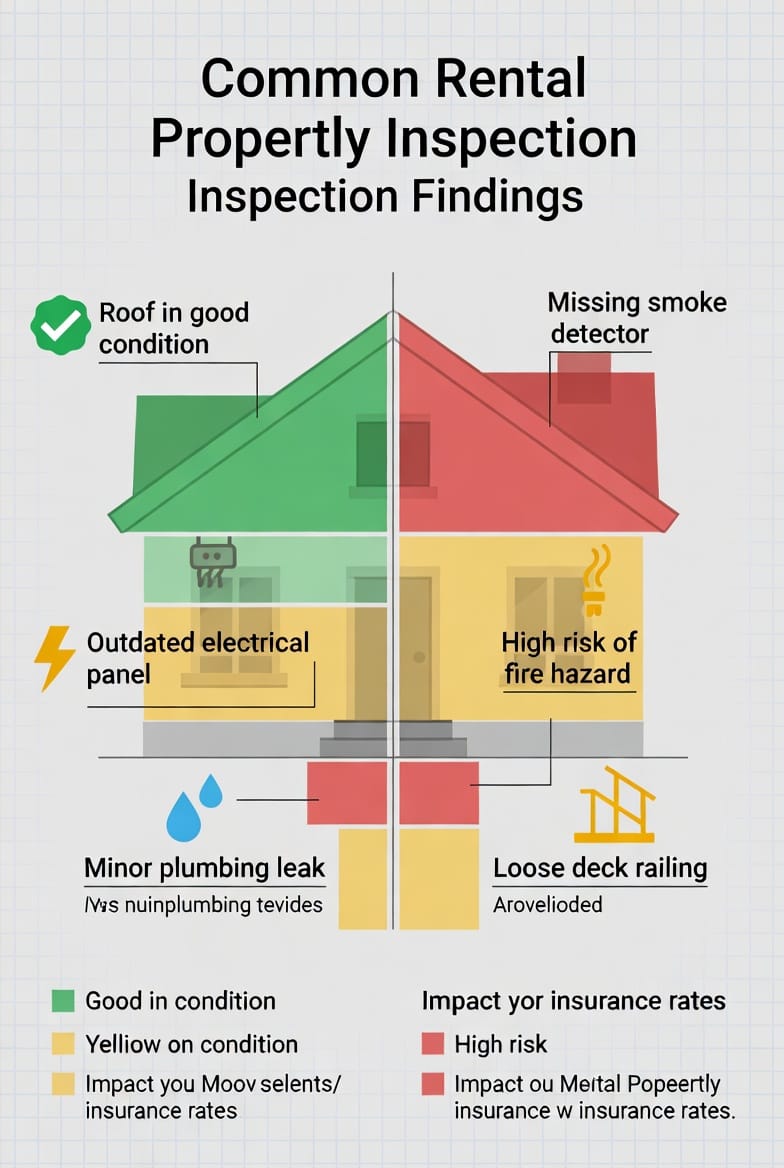
Inspection results directly translate into risk classifications that determine premiums. Minor issues might result in slight rate increases, while major hazards could lead to coverage exclusions or requirements for repairs before policy issuance.
Positive outcomes from strong inspections include:
- Eligibility for discounts on bundled policies
- Higher limits for loss of rental income coverage
- Access to premium endorsements for additional protection
By addressing issues identified in advance, landlords often see substantial savings and improved peace of mind.
Preparing Your Rental Property for Inspection
Successful landlords take a proactive approach to property maintenance. Here are practical steps to ensure a smooth inspection:
- Schedule professional inspections of roof, electrical, and plumbing systems annually
- Maintain detailed records of all repairs with dates and receipts
- Address cosmetic and functional issues before applying for coverage
- Ensure all smoke detectors, carbon monoxide alarms, and fire extinguishers are current
- Document tenant screening processes and lease enforcement
These efforts not only improve insurability but also increase property value and tenant satisfaction.
The Long-Term Value of Risk Management
Investing time and resources in proper maintenance and documentation pays dividends through lower insurance costs and fewer claims. Landlords who view rental property inspections as opportunities rather than obstacles often build more successful portfolios.
Regular evaluations help catch small problems before they escalate, protecting both your financial investment and your reputation as a quality landlord. In today’s competitive rental market, properties known for safety and upkeep attract better tenants and command higher rents.
Partnering with Insurance Professionals
Working with experienced insurance agents who understand rental properties can streamline the process. They help interpret inspection findings, recommend appropriate coverage, and connect you with trusted service providers for necessary repairs.
Staying informed about local building codes and insurance requirements in areas like Dallas, Texas, ensures your properties remain compliant and fully protected.
Conclusion: Secure Your Rental Investment Today
A thorough rental property inspection is more than a formality—it’s a critical step in responsible property management. By understanding what insurance adjusters evaluate and taking proactive measures, landlords can secure robust coverage at competitive rates while minimizing risks.
Maintaining excellent property condition, implementing strong tenant screening, and addressing potential hazards promptly demonstrates your commitment to excellence. This approach not only protects your assets but also contributes to a safer housing environment for tenants.
Ready for a Rental Property Inspection Review? Call Now