The Renovation Phasing Dumpster: Multiple Rentals for Multi-Stage Projects
Major home renovations transform living spaces but create challenges when it comes to waste management. A single dumpster rental often falls short for projects spanning weeks or months. Savvy homeowners and contractors turn to phased dumpster rentals—strategically timing multiple containers to match each stage of work. This approach keeps sites clean, ensures compliance, and controls costs effectively.
Get Phased Dumpster Rentals for Your Renovation – Call Now!
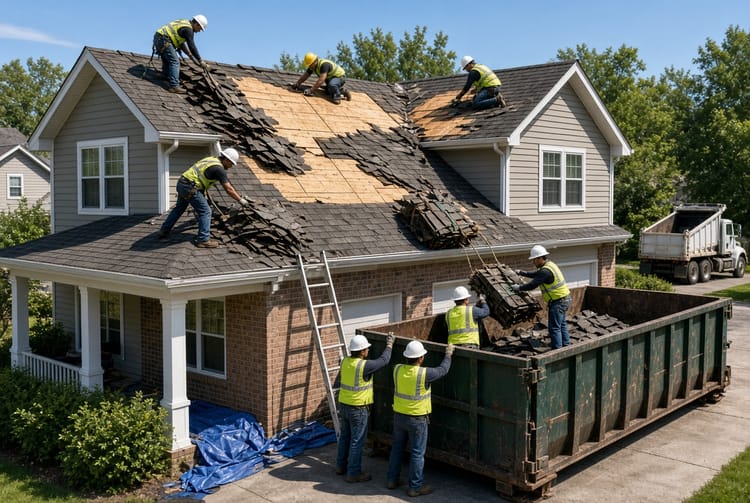
Long-term projects like whole-house remodels, room additions, or major kitchen-bath overhauls generate debris in waves. Demolition produces heavy mixed waste early on. Framing and structural work follow with lumber and packaging. Finishing stages bring drywall dust, paint cans, and fixtures. Managing this flow with one oversized dumpster leads to overflow, safety hazards, and unexpected fees. Multiple dumpster rentals solve these issues by aligning waste removal with project momentum.
Why Long-Term Renovations Demand Phased Dumpster Planning
Extended renovations rarely proceed linearly. Weather delays, supply chain hiccups, and design changes stretch timelines. A demo-phase dumpster fills quickly with old cabinets, flooring, and walls. Once hauled away, crews need fresh capacity for subsequent debris.
Renting multiple times prevents project slowdowns. Crews stay productive without pausing to sort overflowing containers. Municipal regulations often limit dumpster placement duration, making phased rentals the practical solution for projects exceeding 7–14 days.
Homeowners appreciate the peace of mind. Clean, organized sites reduce neighborhood complaints and maintain professional appearances. Insurance providers also favor documented waste management plans that minimize liability risks.
Key Phases and Matching Dumpster Needs
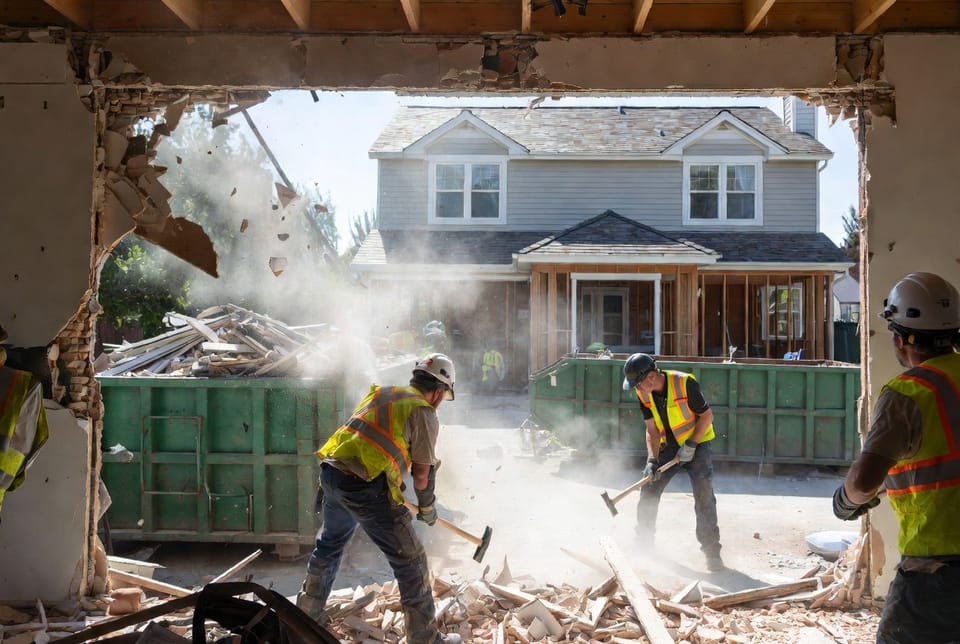
Demolition Phase: This initial stage generates the bulkiest waste. Plaster, concrete, old plumbing, and structural materials demand heavy-duty containers. A 20–30 yard dumpster rental handles the volume while crews gut interiors.
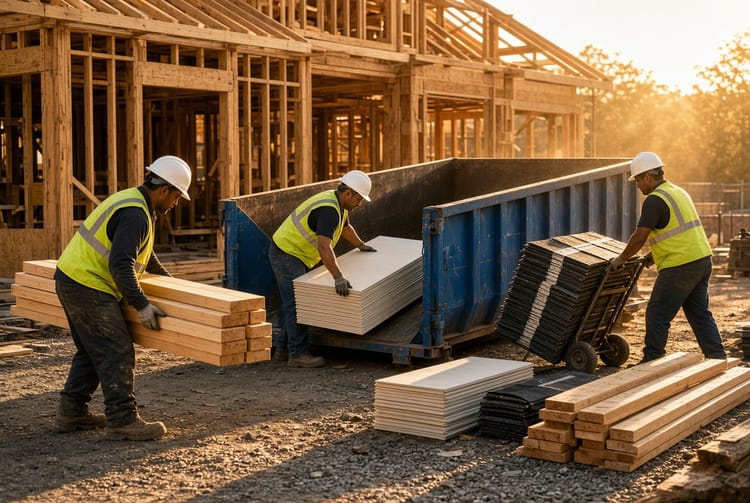
Framing and Structural Phase: New lumber offcuts, packaging, and insulation create lighter but voluminous waste. Switching to a fresh dumpster here prevents contamination from demo debris and supports cleaner material recycling.
Finishing and Cleanup Phase: Drywall scraps, flooring remnants, paint, and trim produce finer waste. Smaller or specialized dumpster rentals work well as volume decreases but special handling requirements increase.
Understanding these transitions allows precise scheduling. Rental providers coordinate deliveries and pickups seamlessly around your contractor’s timeline.
Optimizing Costs Through Strategic Scheduling
Many assume continuous dumpster rental saves money. In reality, phased dumpster rentals often prove more economical for multi-stage projects. Daily or weekly rental rates accumulate when a container sits idle between phases.
Schedule deliveries just before each major phase begins. Coordinate pickups once containers reach 80–90% capacity or phase work completes. This minimizes rental days while avoiding overage charges from overloaded units.
Volume planning matters. Calculate estimated debris for each phase using square footage and material types. Experienced dumpster rental companies provide calculators and on-site assessments to right-size containers.
Recycling incentives further reduce costs. Clean wood, metal, and concrete often qualify for discounted rates when separated. Phased rentals facilitate this separation naturally as waste streams change.
Material Separation Benefits of Multiple Rentals
Different phases produce distinct waste streams requiring specialized handling:
- Concrete and heavy debris from foundation work need robust containers rated for weight.
- Clean wood and lumber from framing can often be recycled, lowering fees.
- Mixed construction waste from finishing requires general containers with attention to prohibited items.
Using dedicated dumpsters per phase prevents cross-contamination. Landfills charge premiums for mixed loads containing hazardous materials. Separation supports sustainability goals many municipalities now incentivize.
Contractors report higher efficiency when waste streams stay organized. Crews spend less time sorting and more time building.
Real-World Success Stories
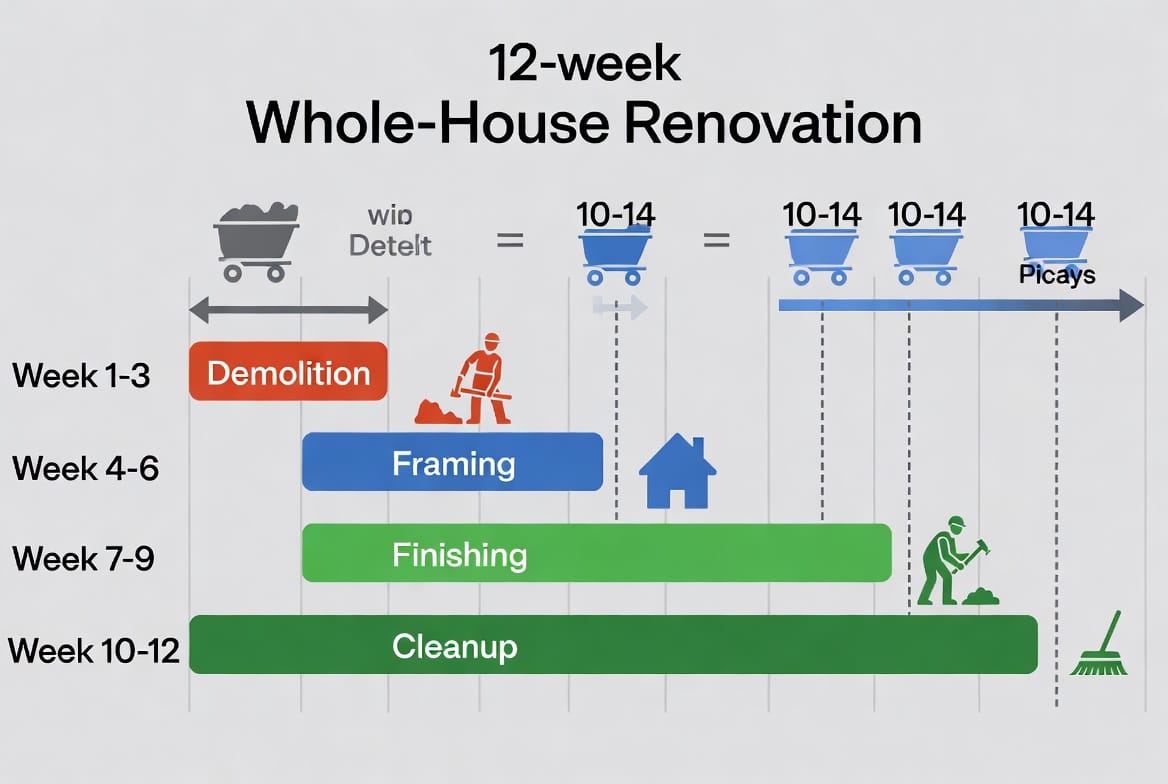
Consider a recent whole-house remodel in a suburban neighborhood. The homeowners initially considered one large dumpster for the entire 10-week project. After consultation, they opted for three phased dumpster rentals:
- 30-yard unit for demolition (Week 1-2)
- 20-yard unit for framing and rough-ins (Week 4-5)
- 15-yard unit for finishing and final cleanup (Week 8-9)
Result? Total rental costs dropped 28% compared to continuous rental. The site stayed professional throughout, impressing neighbors and the HOA. Material recycling credits added further savings.
Another addition project spanning four months used four containers timed to weather windows. Crews avoided weather-related overflow issues common with single long-term rentals.
These examples highlight how renovation phasing dumpsters turn potential headaches into streamlined success.
Practical Tips for Implementing Phased Dumpster Rentals
Start planning early. Discuss waste management with your contractor during initial bidding. Reputable dumpster rental providers offer free consultations to map phases against container needs.
Consider permit requirements. Many areas require placement permits for long-term or multiple dumpster setups. Professional companies handle paperwork efficiently.
Monitor fill levels. Use rental company apps or simple photo updates to schedule timely swaps.
Budget for flexibility. Build 10–15% buffer into timelines for unexpected discoveries like outdated wiring or plumbing.
Prioritize safety. Properly placed and secured dumpsters prevent accidents. Choose providers offering barricades, signage, and proper leveling.
Choosing the Right Dumpster Partner for Complex Projects
Not all dumpster rental services handle phased long-term projects equally well. Look for companies with:
- Flexible scheduling and rapid response times
- Variety of container sizes and types
- Recycling and green waste programs
- Transparent pricing without hidden fees
- Experience with residential renovations
Local expertise matters. Providers familiar with regional regulations and landfill options optimize your strategy effectively.
Overcoming Common Phased Rental Challenges
Some worry about coordination complexity. Modern rental companies streamline this with dedicated project managers. One point of contact handles all swaps and adjustments.
Storage concerns during transitions? Temporary smaller roll-off boxes or bag services bridge short gaps between phases.
Budget uncertainty? Detailed quotes based on project plans provide clarity upfront. Many offer fixed-price phasing packages.
Environmental and Community Advantages
Phased rentals support better environmental outcomes. Timely removal reduces site pollution and pest issues. Recycling rates improve with cleaner separated streams.
Communities benefit from organized construction sites. Reduced visual impact and noise from overflowing waste enhance neighborhood relations.
Planning Your Dumpster Strategy for Long Projects
Successful renovations balance vision with practical execution. Multiple dumpster rentals timed to project phases deliver cleaner, safer, more cost-effective results than single-container approaches.
Take control of your renovation waste management today. Expert guidance ensures your multi-stage project flows smoothly from demolition to dazzling reveal.
Our team specializes in creating customized dumpster rental strategies for complex renovations. Let us help you plan confidently and execute flawlessly.
Perfect Dumpster Timing for Demo, Framing & Finishing – Call Today