The Relapse Contract: A Written Agreement Between Client and Counselor

In the challenging yet rewarding path of addiction recovery, having a clear, structured plan can make all the difference between a temporary setback and sustained sobriety. At the heart of effective relapse prevention lies a powerful therapeutic tool known as the relapse contract. This written agreement between client and counselor transforms abstract goals into concrete actions, offering guidance precisely when it is needed most.
Create Your Relapse Contract Now – Call for Expert Guidance
Far from being a simple checklist, the relapse contract is a personalized, collaborative document that empowers individuals to recognize early warning signs and respond with confidence. It serves as a safety net, reinforcing commitment even during moments of vulnerability. When crafted thoughtfully, this agreement becomes a cornerstone of long-term recovery success, helping clients navigate high-risk situations with clarity and support.
What Is a Relapse Contract?
A relapse contract is a pre-written plan of action designed to activate the moment warning signs of potential relapse begin to appear. Unlike vague intentions, it is a formal, signed agreement that outlines specific steps, responsibilities, and safeguards tailored to the client’s unique circumstances.
Think of it as a roadmap for recovery — one that both the client and counselor co-create during stable periods of treatment. The contract is not punitive; rather, it is proactive and reassuring, reminding the individual that recovery is a process supported by preparation, not perfection. By putting commitments in writing, the contract strengthens accountability while reducing the mental load during stressful times.
This therapeutic tool draws on principles of cognitive-behavioral strategies, encouraging clients to anticipate challenges before they escalate. It shifts the focus from fear of failure to empowered decision-making, fostering a sense of control and hope.
Why the Relapse Contract Is Essential in Modern Recovery Programs
Relapse is a common and well-understood part of the recovery journey for many. Yet it does not have to define the outcome. The relapse contract addresses this reality head-on by providing structure when emotions or circumstances cloud judgment.
Clients often report feeling more confident knowing they have a pre-approved plan. Counselors value the contract because it creates a shared language for discussing progress and setbacks. Together, this agreement bridges the gap between therapy sessions and real-world application, making relapse prevention an active, ongoing practice rather than a passive hope.
Key Components of an Effective Relapse Contract
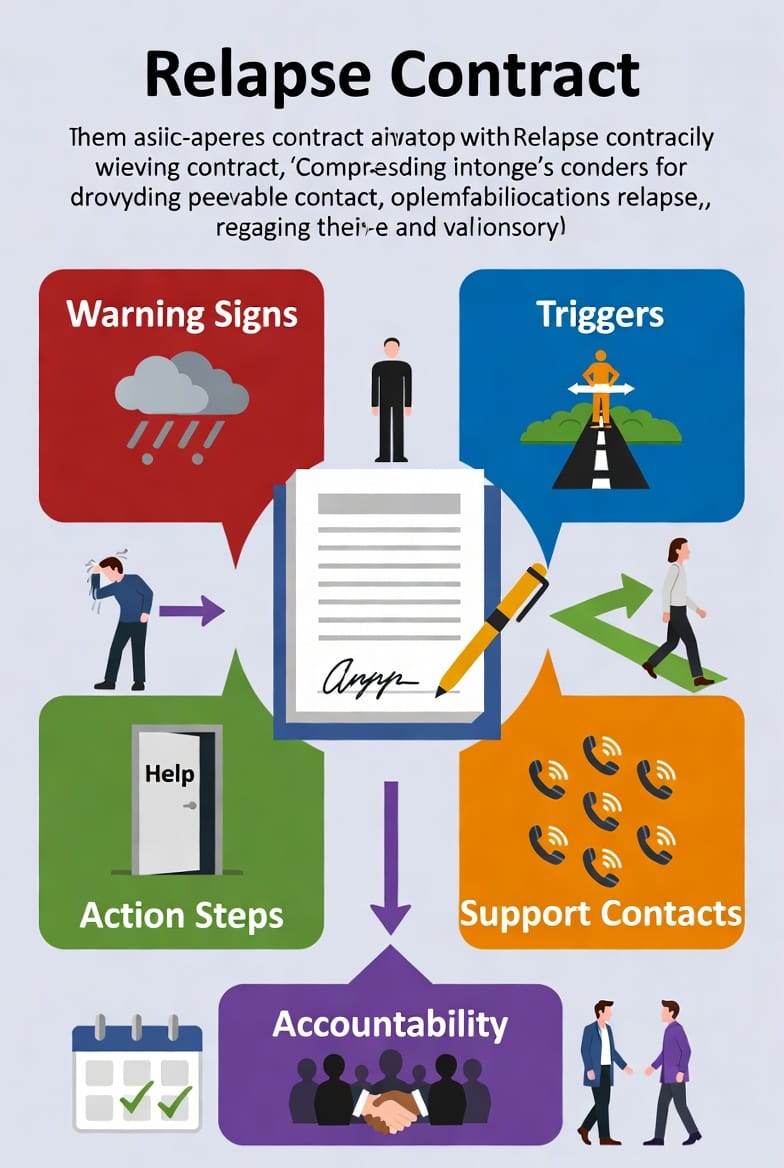
Every strong relapse contract includes several essential sections, each carefully customized to the individual. Here is what a typical contract covers:
- Trigger Identification: A detailed list of personal people, places, emotions, or situations that have historically led to cravings or use. Common examples include stress from work, certain social environments, or negative self-talk.
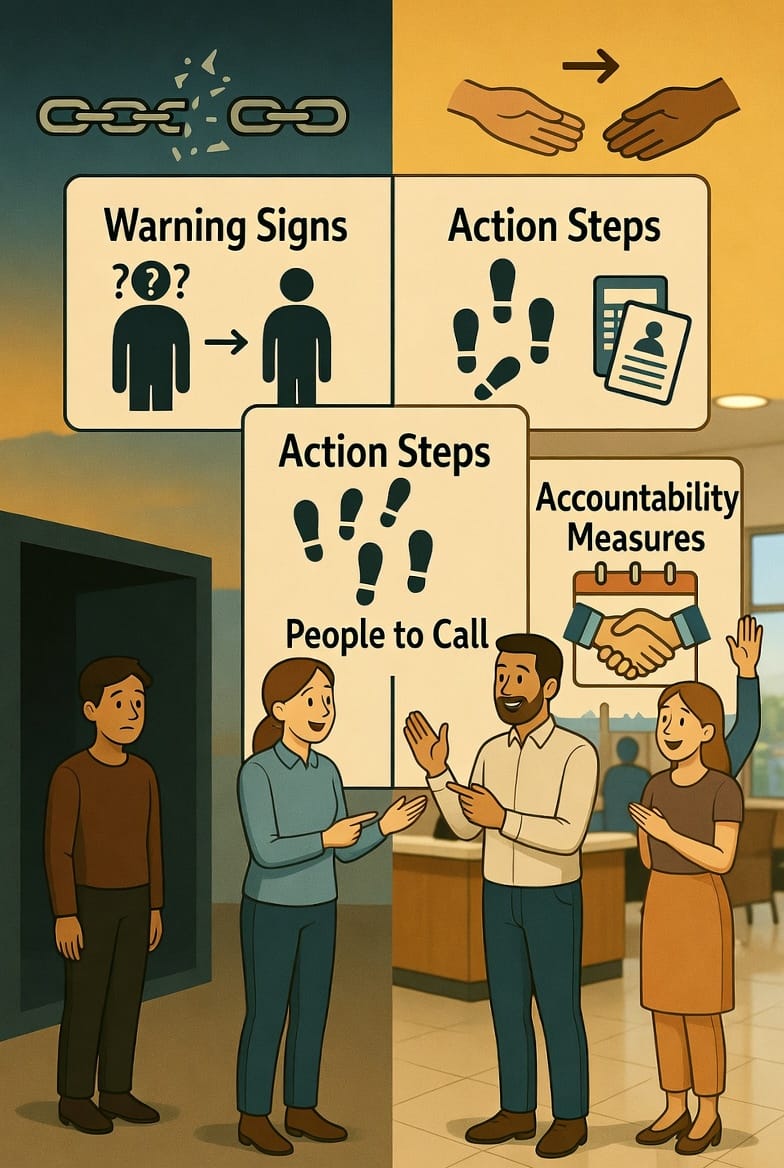
- Warning Signs: Early behavioral, emotional, or physical indicators that a relapse may be approaching. These might include skipping meetings, increased isolation, changes in sleep patterns, or romanticizing past use.
- Action Steps: Clear, step-by-step responses to follow immediately upon noticing warning signs. Actions could involve calling a sponsor, attending an extra support meeting, practicing grounding techniques, or reaching out to the counselor.
- Support Contacts: A prioritized list of reliable individuals and professionals to call, complete with phone numbers and preferred times. This network often includes sponsors, family members, therapists, and 24-hour helplines.
- Consequences of Using: Honest, client-defined reminders of the personal, professional, and relational costs of returning to substance use. These serve as gentle yet firm deterrents, reinforcing motivation without shame.
- Accountability Measures: Built-in check-in protocols, such as weekly progress reviews with the counselor or signed commitment statements to be revisited regularly.
These components work together to create a comprehensive safety net that feels both practical and deeply personal.
How to Create a Relapse Contract: A Step-by-Step Process
Creating a relapse contract is a collaborative process that typically unfolds over one or two focused therapy sessions. The counselor guides the client through honest self-reflection, ensuring every element feels authentic and achievable.
First, the client and counselor review the recovery journey so far, celebrating progress while identifying patterns. Next, they brainstorm and document triggers and warning signs with specific examples drawn from the client’s life. Action steps are then developed to be realistic and immediate — no step should feel overwhelming.
Support contacts are verified for availability, and consequences are framed positively as reminders of what the client is protecting. Finally, both parties sign the document, often with a short affirmation statement. The signed contract is kept in an accessible place — perhaps photographed on the client’s phone or posted in a private journal — ready for quick reference.
Regular reviews ensure the contract evolves as recovery progresses, keeping it relevant and empowering.
The Psychological Power Behind Written Agreements
Writing down commitments activates a deeper level of personal responsibility. Research in behavioral psychology consistently shows that individuals who formalize their intentions are significantly more likely to follow through. The relapse contract leverages this principle by turning internal motivation into an external, tangible reference point.
When warning signs arise, the brain can feel overwhelmed. The contract bypasses that fog by providing pre-decided solutions. Clients often describe a profound sense of relief knowing the plan was created during a time of strength, not crisis. This foresight builds resilience and reduces anxiety about the unknown.
Moreover, the collaborative nature of the contract strengthens the therapeutic alliance. The client feels heard and respected, while the counselor gains valuable insight into the client’s mindset. This partnership reinforces trust — a vital ingredient in successful addiction recovery.
Proven Effectiveness in Preventing Relapse
The relapse contract has demonstrated remarkable effectiveness across various recovery settings. Clients who actively use their contract report fewer unplanned returns to use and quicker recovery from any minor slips. The tool promotes early intervention, preventing small warning signs from escalating into full relapse.
By clearly defining consequences, the contract also helps clients reconnect with their core values and long-term goals. This renewed alignment often translates into higher treatment retention and more positive long-term outcomes. Families and support networks also benefit, as the contract provides them with concrete ways to offer help without guesswork.
In group therapy environments, sharing anonymized examples of successful contracts inspires others and normalizes the practice of proactive planning. The result is a community-wide culture of prevention rather than reaction.
Common Challenges and Practical Solutions
Some clients initially worry that signing a contract feels too formal or restrictive. Counselors address this by emphasizing flexibility — the document is a living tool that can be updated anytime. Others fear the contract will trigger shame if a warning sign appears. In response, the agreement is framed as a sign of strength and self-care, not failure.
To overcome forgetfulness, many programs encourage digital copies or integration with recovery apps that send gentle reminders. Regular check-ins keep the contract top of mind without feeling burdensome.
Integrating the Relapse Contract with Other Therapeutic Tools
The relapse contract works beautifully alongside other evidence-based approaches such as cognitive-behavioral therapy, mindfulness practices, and 12-step programs. It serves as the practical bridge that connects weekly insights to daily decision-making.
For example, skills learned in therapy sessions can be directly translated into specific action steps within the contract. This integration creates a cohesive recovery ecosystem where every tool reinforces the others.
A Lifelong Commitment to Prevention
Recovery is not a destination but a continuous journey. The relapse contract evolves with the client, offering guidance through different life stages — from early sobriety to long-term maintenance. Many graduates keep an updated version as a cherished reminder of their growth and resilience.
Commit to Prevention in Writing
The simple act of creating and signing a relapse contract can be one of the most empowering steps you take in recovery. It transforms uncertainty into certainty and fear into preparation.
If you or a loved one is navigating the path to sobriety, consider exploring this powerful therapeutic tool today. Commit to prevention in writing. Your future self will thank you for taking this proactive step toward lasting freedom.
Protect Your Sobriety with a Personalized Relapse Contract – Call Now