The Gratitude Practice in Recovery: Shifting Focus for Emotional Healing

In the journey of recovery, emotional healing stands as one of the most powerful cornerstones of lasting sobriety. While many focus on overcoming cravings or managing withdrawal, a simple yet transformative habit often makes the deepest difference: the gratitude practice. This therapeutic approach gently shifts attention from what feels missing or broken to the quiet strengths and daily gifts that remain. At its core, daily gratitude exercises—such as gratitude journaling and sharing appreciations—help rewire thought patterns, ease emotional burdens, and reinforce the foundation of a sober life.
Transform Your Recovery with Gratitude – Call Now
Far from being a fleeting feel-good exercise, the gratitude practice in recovery is a proven therapeutic habit that supports the mind and spirit through every stage of healing. It encourages individuals to notice progress, however small, and to celebrate resilience instead of dwelling on past deficits. When practiced consistently, it becomes a reliable tool that reduces the weight of depression, strengthens emotional stability, and nurtures a mindset where sobriety feels not just possible—but fulfilling.
This article explores how gratitude exercises work, why they matter for long-term recovery, and practical ways to weave them into daily life. Whether you are just beginning your wellness journey or supporting someone who is, understanding and applying this habit can create meaningful, lasting change.
Understanding the Gratitude Practice in Recovery
The gratitude practice is more than saying “thank you.” It is an intentional daily habit of recognizing and documenting positive aspects of life, even amid challenges. In a rehab or wellness setting, it becomes a structured therapeutic tool that aligns perfectly with emotional healing goals.
Unlike traditional talk therapy that may dwell on past pain, gratitude exercises redirect energy toward present-moment positives. This shift does not deny difficulties; instead, it builds emotional resilience alongside them. Clients often discover that focusing on what is working creates space for hope and motivation to grow.
Key benefits emerge quickly when gratitude becomes routine. Individuals report feeling lighter, more connected, and less overwhelmed by negative thought loops. This practice fits seamlessly into recovery programs because it complements counseling, group sessions, and wellness activities without requiring special equipment—only a notebook, a few quiet minutes, and an open heart.
The Science Behind Gratitude: How It Rewires the Brain
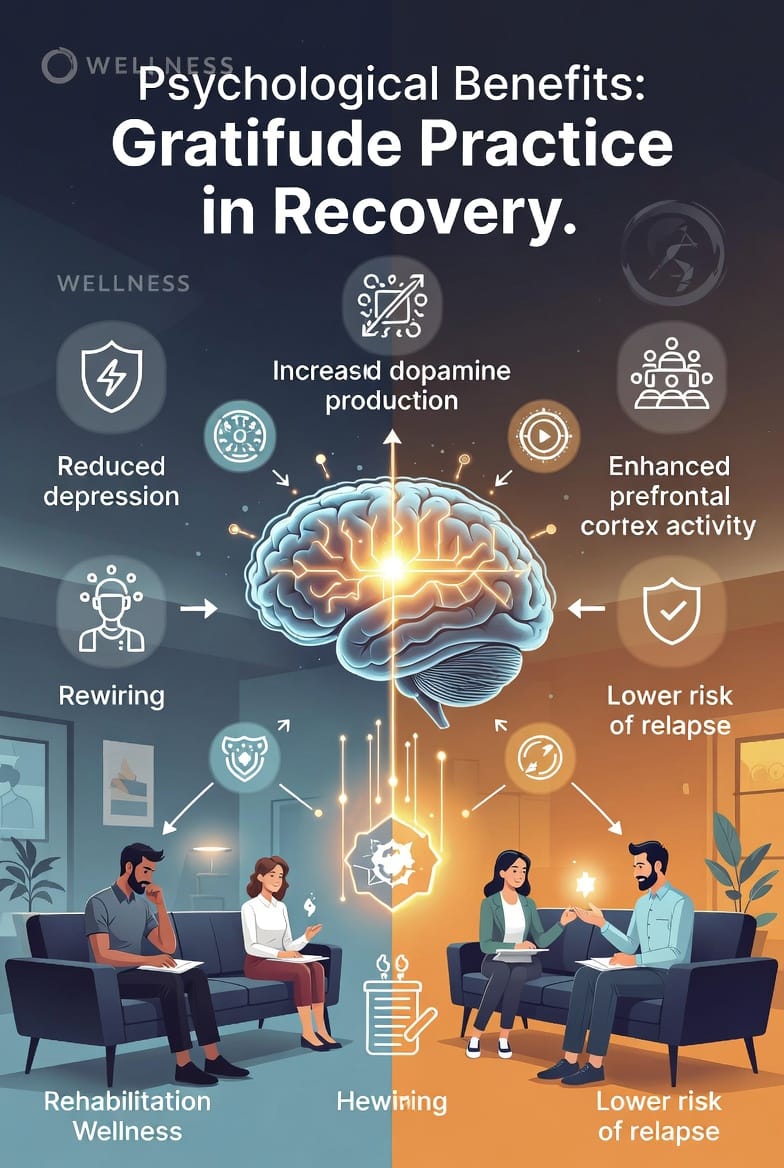
Neuroscience confirms what many in recovery experience firsthand: consistent gratitude practice literally changes brain structure and function. Through neuroplasticity—the brain’s remarkable ability to form new neural pathways—regular gratitude exercises strengthen areas associated with positive emotion and emotional regulation.
When you pause each day to note what you appreciate, the brain releases dopamine and serotonin, natural chemicals that elevate mood and create feelings of reward. Over time, this repeated activation weakens the neural grip of stress and negativity. The amygdala, often overactive during early recovery and linked to anxiety and fear, begins to quiet. Meanwhile, the prefrontal cortex, responsible for decision-making and perspective, grows stronger.
Studies in positive psychology show that people who engage in daily gratitude experience measurable reductions in depressive symptoms within just a few weeks. For those in recovery, this matters deeply. Depression and substance use often fuel each other in a difficult cycle. By reducing depression through gratitude, individuals gain clearer thinking, better sleep, and increased energy for their sobriety work.
This rewiring is gentle yet powerful. It does not happen overnight, but each entry in a gratitude journal adds another positive connection in the brain. The result? A mind that naturally leans toward hope rather than despair, making the path of recovery feel more supported and sustainable.
Reducing Depression and Building Emotional Strength
Depression frequently accompanies the recovery process, sometimes lingering as emotional residue from past experiences. The gratitude practice in recovery offers a compassionate counterbalance. By training the mind to scan for positives, it interrupts the automatic focus on deficits that can deepen low moods.
Participants often describe a subtle but profound shift: what once felt like an endless list of problems begins to include moments of peace, connection, and personal growth. This does not minimize real struggles—it simply places them in a larger, more balanced perspective.
Daily gratitude exercises have been shown to lower cortisol levels, the stress hormone that can intensify cravings and emotional volatility. Lower stress means fewer triggers and a greater sense of calm during challenging days. In wellness programs, this emotional stabilization becomes a key factor in preventing relapse and supporting overall mental health.
The practice also fosters self-compassion. Instead of harsh self-criticism common in early recovery, individuals learn to acknowledge their efforts and small victories. This kinder inner voice becomes a steady ally, reinforcing that healing is possible and that they are worthy of it.
How Gratitude Directly Supports Sobriety
Sobriety thrives when the mind focuses on what recovery offers rather than what substances once masked. The gratitude practice excels here by highlighting the genuine rewards of a clear-headed life—restored relationships, improved health, personal accomplishments, and renewed purpose.
When cravings arise, a quick gratitude reflection can shift perspective from “I need this to feel better” to “I already have these meaningful gifts in my life.” This reframing reduces the perceived power of old habits and strengthens commitment to wellness.
Sharing gratitude in group settings adds another layer of support. Hearing others express appreciation creates community bonds and reminds everyone that they are not alone. These shared moments build accountability and encouragement, both vital for long-term sobriety.
Focusing on positives rather than deficits helps prevent the “stinking thinking” that can undermine progress. Gratitude becomes a practical tool for managing difficult emotions without turning to old coping mechanisms. It supports the entire recovery ecosystem—mind, body, and spirit—creating a solid foundation for lasting change.
Practical Gratitude Exercises You Can Start Today
Incorporating gratitude into daily life is straightforward and highly effective. Here are proven exercises that fit easily into any recovery schedule:
- Daily Gratitude Journaling: Spend five to ten minutes each morning or evening writing three specific things you appreciate. Be detailed—note how they make you feel and why they matter.
- Sharing at Meetings: During group sessions or support meetings, take a moment to voice one gratitude. This builds connection and reinforces positive focus for everyone present.
- Appreciation Letters: Write a short note of thanks to someone who has supported your journey—whether a counselor, family member, or fellow participant. You do not always need to send it; the act of writing alone creates emotional healing.
- Counting Small Joys: Throughout the day, pause to mentally note simple pleasures—a warm cup of coffee, a kind word, a moment of quiet. This trains the mind to notice goodness in real time.
These exercises require no cost and minimal time, yet their cumulative effect is profound. Consistency matters more than perfection. Even on difficult days, noting one small gratitude keeps the practice alive and the benefits flowing.

Overcoming Common Challenges with Gratitude Practice
Starting any new habit can feel daunting, especially during recovery when energy and motivation may fluctuate. Some worry their gratitude list will feel forced or insincere at first. Others fear it dismisses real pain. These concerns are normal and valid.
The reassuring truth is that gratitude practice meets you exactly where you are. Begin small. If listing three things feels overwhelming, start with one. Authenticity grows naturally with time. The goal is not forced positivity but gentle redirection toward balance.
When motivation dips, remember the brain science: each entry strengthens helpful neural pathways. On tougher days, lean on program support—counselors and peers can help reignite the practice. Many discover that the very act of persisting through resistance deepens their emotional healing.
Integrating Gratitude into Your Full Recovery Journey
Wellness programs that weave gratitude practice throughout treatment see stronger outcomes. It complements therapy, mindfulness, physical activity, and peer support, creating a holistic approach to emotional healing.
Participants who embrace this habit often report greater life satisfaction, improved relationships, and a renewed sense of purpose. Gratitude becomes not just a tool but a way of living that sustains sobriety long after formal treatment ends.
Transform Your Mindset Through Gratitude
The gratitude practice in recovery offers a clear path toward emotional freedom. By consistently focusing on positives rather than deficits, you rewire your brain, reduce depression, and build the inner strength needed for lasting sobriety.
Ready to experience this shift for yourself? Transform your mindset through gratitude. Our caring team is here to support your journey every step of the way.
Discover the Power of Gratitude in Recovery – Call Today