The Service Work in Recovery: Helping Others as a Path to Healing

In the journey of recovery, one of the most powerful yet often overlooked principles is service work — the simple yet profound act of helping others while you are still healing yourself. Far from being an optional extra, service work in recovery stands as a cornerstone that builds lasting purpose, strengthens accountability, and shifts perspective in ways that directly reduce relapse risk.
Heal Yourself While Helping Others – Call Now
When you engage in helping others in early recovery, you step outside your own struggles and into a role that gives your life renewed meaning. This is not just feel-good advice; it is a proven pathway that countless individuals have walked successfully. By giving back, you reinforce your own commitment to sobriety and create a ripple effect that strengthens the entire recovery community.
Service work transforms the recovery process from a solitary battle into a shared mission. It reminds you daily that your experiences — both the painful and the victorious — now serve a greater purpose. In this article, we explore exactly how service work in recovery fosters purpose, accountability, and perspective while providing powerful protection against relapse.
What Service Work in Recovery Really Means
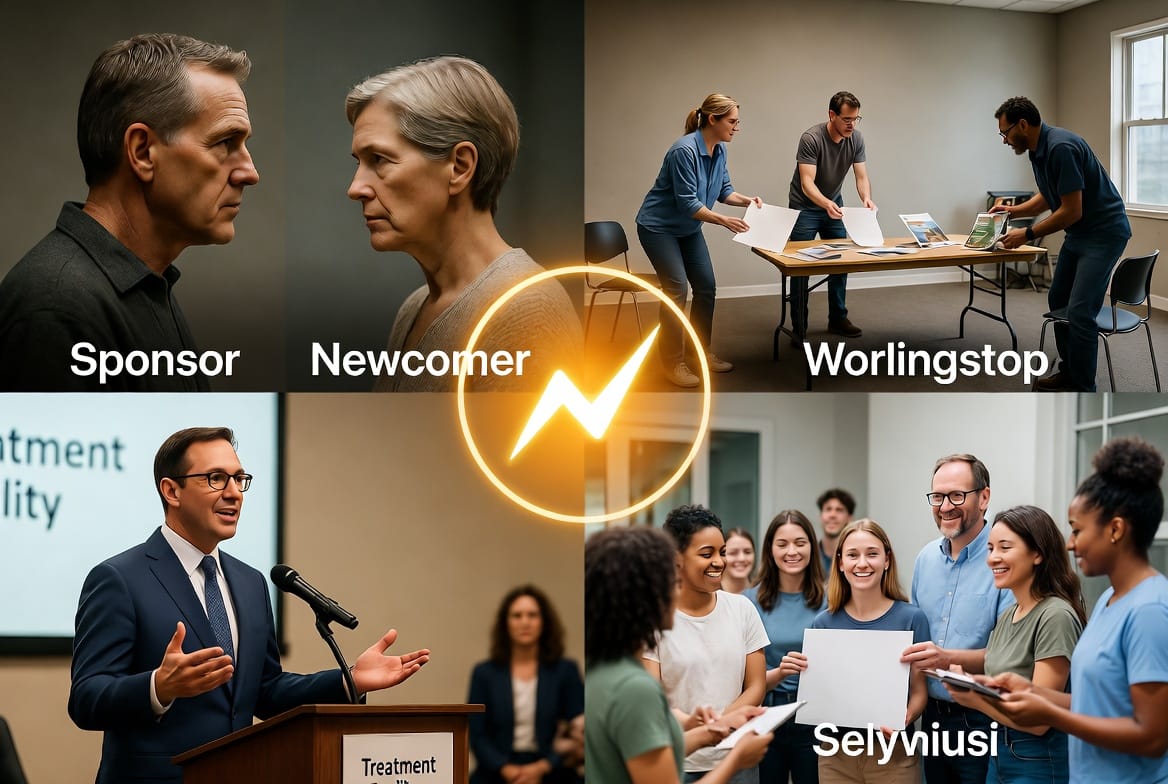
Service work is any intentional act of helping others within the recovery community. It can be as simple as arriving early to set up chairs for a meeting or as involved as becoming a sponsor for someone new in the program. The key is that you participate while still focusing on your own recovery — you do not need to be “fixed” or “perfect” before you begin.
This principle works because it shifts your focus from “What can I get?” to “What can I give?” That subtle change in mindset is often the turning point that solidifies long-term sobriety. When you actively engage in helping others in early recovery, you create a virtuous cycle: your actions support them, and their progress reinforces your own growth.
Building Lasting Purpose Through Service
One of the greatest gifts of service work in recovery is the deep sense of purpose it creates. Early recovery can feel empty — the old routines are gone, and the future can seem uncertain. Service fills that void by giving you a meaningful role to play right now.
When you help set up a meeting, share your story at a treatment facility, or guide a newcomer through their first steps, you realize your life matters beyond your own challenges. This purpose becomes a powerful anchor. Studies in addiction psychology consistently show that individuals who discover a sense of meaning are far more likely to maintain their recovery long-term.
Purpose through service is not abstract. It is practical. Every time you show up for someone else, you are reminded that your story has value. Your struggles were not wasted — they are now tools you can use to light the way for others. This realization alone can turn a shaky early recovery into a rock-solid foundation.
Creating Accountability That Protects Your Recovery
Accountability is essential in recovery, and service work provides it in the most natural way possible. When you commit to helping others, you automatically raise the stakes for your own behavior. You cannot effectively sponsor someone if you are not attending meetings yourself. You cannot set a positive example at a facility if you are slipping back into old patterns.
This built-in accountability works gently yet powerfully. Knowing that others are counting on you creates healthy external motivation that supports your internal commitment. It is not pressure — it is partnership. You are no longer recovering alone; you are part of a team, and your consistency matters to more than just yourself.
Many people in recovery report that their strongest periods of sobriety came when they were actively engaged in service. The responsibility of helping others becomes a daily reminder and a shield against relapse risk.
Gaining Fresh Perspective by Helping Others
Early recovery often narrows your focus to your own pain, cravings, and fears. Service work expands that view dramatically. When you listen to someone else’s story, guide them through a difficult moment, or celebrate their small victories, you gain perspective that is nearly impossible to achieve in isolation.
You suddenly see that your challenges are not unique — they are shared by many. You witness firsthand how recovery works when people apply the principles consistently. This perspective reduces shame, diminishes the power of cravings, and replaces self-pity with gratitude.
Perspective also reveals progress. Watching someone you have helped take their first sober steps reminds you of how far you have already come. It turns your recovery into a living example rather than just an internal struggle.

How Service Work Directly Reduces Relapse Risk
Engagement is one of the strongest predictors of successful long-term recovery. Service work keeps you actively engaged in the recovery community every single day. Instead of sitting at home with your thoughts, you are showing up, contributing, and staying connected.
This consistent engagement fills your schedule with positive, meaningful activities. It builds a support network of people who know you and care about your progress. When relapse risk moments arise — and they will — you already have people to call, meetings to attend, and a sense of responsibility that makes using far less appealing.
Service work also strengthens the brain pathways associated with reward and fulfillment. Helping others releases natural feel-good chemicals that compete with the artificial rewards of substances. Over time, this rewiring makes sobriety feel more natural and sustainable.
Real Transformations: Stories from the Recovery Community
Consider Maria, who entered recovery feeling completely hopeless after years of isolation. Her first act of service was simply helping clean up after meetings. Within weeks, she noticed her cravings decreasing and her confidence growing. Today, she sponsors three women and says, “Helping them keeps me sober — it’s that simple.”
Or take James, who volunteered to speak at local treatment facilities. Sharing his story not only helped the patients but reminded him daily of the pain he left behind. His service became the foundation of five years of continuous sobriety.
These are not rare exceptions. They represent the common experience of those who embrace service work in recovery. The pattern is clear: those who give back heal faster and stay stronger.
Practical Service Opportunities Available to You Right Now
Getting started with service work is easier than most people realize. Here are proven ways to begin contributing while protecting your own recovery:
- Sponsoring others — Guide someone newer through the steps with the support of your own sponsor
- Meeting setup and cleanup — Arrive early, arrange chairs, make coffee, and stay late to reset the room
- Speaking at treatment facilities — Share your experience, strength, and hope at local centers
- Volunteering in the community — Help at recovery events, outreach programs, or sober activities
- Answering helpline calls — Offer support to people reaching out in moments of crisis
- Creating or maintaining recovery resources — Update meeting lists or assist with program materials
Every one of these opportunities puts you in direct contact with others who need exactly what you can offer — your lived experience.
Overcoming Common Barriers to Starting Service Work
Many people hesitate to begin service work because they feel they are “not ready” or “don’t have enough time.” These concerns are normal, yet they can be overcome with small, consistent steps.
Start with low-commitment activities like meeting setup. Once you experience the benefits, you naturally progress to more involved roles. Remember: service work is part of your recovery — it supports you as much as you support others.
The recovery community welcomes beginners with open arms. No one expects perfection; they only ask for willingness. That willingness is the only requirement.
The Long-Term Rewards of Embracing Service
Those who make service work a regular part of their recovery report deeper relationships, stronger self-worth, and a profound sense of belonging. They move from surviving recovery to truly thriving in it.
Over years, this practice becomes a lifestyle. It protects against complacency, keeps humility alive, and ensures that recovery remains an active, vibrant process rather than a distant memory.
Heal Yourself by Helping Others
The path is clear: service work in recovery is one of the most effective ways to build purpose, maintain accountability, gain perspective, and dramatically lower relapse risk. By helping others, you heal yourself in the deepest possible way.
You do not need to wait until you feel completely ready. Start where you are, with what you have. Every small act of service strengthens both you and the person you help.
Heal yourself by helping others. Your story is powerful. Your service matters. Your healing continues the moment you choose to give back.
Build Purpose & Reduce Relapse Risk – Call Today